The Intersection of Art and Architecture: When Creativity Meets Construction
"Architecture is the learned game, correct and magnificent, of forms assembled in the light."
Le Corbusier's words capture the essence of how buildings shape our world. The intersection of art and architecture creates something more profound than either discipline alone.
When artists and architects collaborate, they transform ordinary spaces into extraordinary landmarks that capture imagination and serve communities. Their combined vision brings a richness and depth that elevates the everyday experience, making our cities more vibrant and engaging.
Where Art Meets Architecture
Art and architecture stand as natural allies in the built environment. While one celebrates pure creative expression, the other brings functional reality to our daily lives. This dynamic interplay creates a tension that can result in truly remarkable spaces.
Walking through Florence reveals how Renaissance builders understood this partnership perfectly. They didn't merely construct buildings – they created living art that has stood the test of time. From the sweeping curves of Michelangelo's dome to the bold statements of modern design, this collaboration continues to shape urban landscapes across the globe. Every corner turned reveals a new masterpiece, a testament to the enduring power of this collaborative spirit.
Why Working Together Makes Magic
Consider the moment of stepping into a space that resonates on a deeper level. This magic emerges when artistic vision meets architectural precision. It's a feeling of being transported, of experiencing something truly unique and special.
The Guggenheim Museum in Bilbao stands as a perfect example of this synergy. Frank Gehry's masterpiece doesn't simply house art – it exists as a monumental sculpture in its own right. The building's titanium exterior dances with sunlight like a massive impressionist painting. Local residents, initially skeptical of such an ambitious project, now celebrate it as the cornerstone of their city's cultural renaissance. It has become a symbol of the city's rebirth and a source of immense pride.
Amazing Real-World Examples
The High Line: From Rusty Rails to Urban Paradise
New York's High Line demonstrates the transformative power of creative collaboration. This abandoned railway line could have faced demolition, lost to the relentless march of progress. It was a forgotten relic in a city that never stops moving.
Instead, the innovative partnership between architects Diller Scofidio + Renfro and various artists birthed an elevated paradise. Spencer Finch's thoughtfully designed blue glass installations cast ever-changing patterns across walkways. Native plants weave through preserved rail tracks, creating an organic dialogue between past and present. The space serves as both a functioning park and an evolving art installation. This fusion of nature and design has created a unique urban sanctuary.
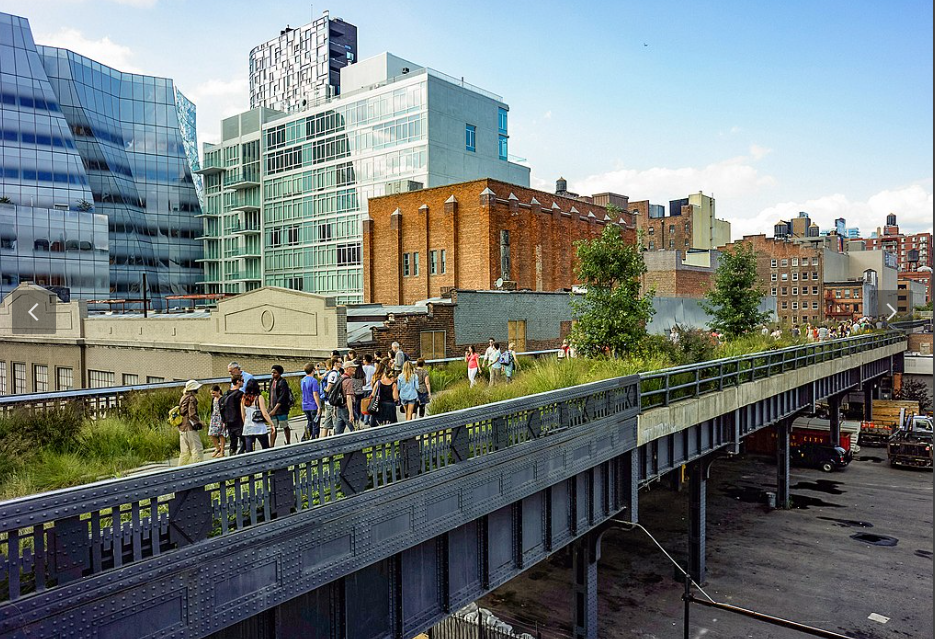
New York's High Line (Img Src: Dansnguyen )
Cloud Gate: The Bean That Changed Chicago
Millennium Park's famous Cloud Gate sculpture proves how artistic vision can redefine public space. Anish Kapoor's reflective masterpiece, affectionately known as "The Bean," works in perfect harmony with its architectural surroundings. The sculpture's distorted reflections of the city skyline create a sense of wonder and playfulness.
The SOM architects designed the surrounding plaza to amplify the sculpture's impact. This seamless integration creates a mirror to the city itself, reflecting skyscrapers, clouds, and countless visitors who come to experience this unique fusion of art and architecture. It's a place where people gather, interact, and create their own reflections, both literally and figuratively.
Sydney Opera House: Where Art Performs
The Sydney Opera House stands as a testament to thoughtful collaborative design. Architect Jørn Utzon worked closely with acousticians and performers to create a space that serves both visual and auditory arts. His vision was revolutionary, pushing the boundaries of what was considered possible in architectural design.
The iconic shell-like sails don't just create a striking silhouette – they help shape perfect sound within. This marriage of form and function demonstrates how artistic vision can enhance practical requirements rather than compete with them. The result is a performance space that is as breathtaking to look at as it is to listen to. It is truly a global icon.
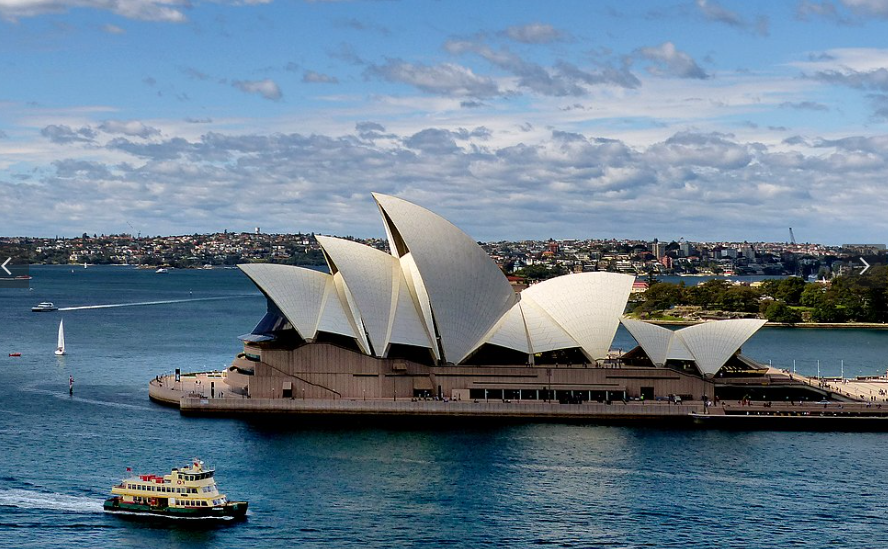
The Sydney Opera House
Benefits of Creative Collaboration
The partnership between artists and architects breathes new life into urban spaces. Forgotten neighborhoods transform into vibrant cultural districts. This revitalization often starts with a single project, a spark of creativity that ignites a larger transformation.
Public spaces become gathering points that strengthen community bonds. These collaborative projects inspire future generations of creators to push boundaries and reimagine what's possible in the built environment. They demonstrate the power of art and architecture to shape not just our physical surroundings but also our social connections.
Navigating Challenges
Every creative partnership faces obstacles. Artists and architects often approach projects from different perspectives, leading to creative tension. This dynamic can be a source of great innovation if managed effectively.
Budget constraints can force tough decisions. Public opinion might take time to warm to bold new concepts. Yet successful teams overcome these hurdles by maintaining focus on their shared vision: creating spaces that deeply connect with people. It is this shared commitment that allows them to persevere through challenges and achieve extraordinary results.
The Future Landscape
Emerging technologies are opening exciting new frontiers for artistic and architectural collaboration. Smart materials allow buildings to respond to their environment. This creates a dynamic interplay between the built environment and the natural world.
Interactive installations can adapt to public engagement. Virtual and augmented reality offer new ways to blend physical and digital artistry. These innovations suggest a future where cities become even more dynamic canvases for creative expression. Our cities will become more responsive, more engaging, and more inspiring.
Moving Forward
As Le Corbusier noted, architecture might be a learned game of forms in light – but when artists join the game, those forms take on new meaning and life. Their involvement adds a layer of depth and complexity that elevates the architectural experience. For the next generation of artists and architects: collaboration holds the key to creating spaces that resonate across time.
Today's creative partnerships might generate tomorrow's iconic landmarks. The future of public space lies in the hands of those willing to blur the lines between art and architecture, creating environments that serve, inspire, and move humanity forward. They have the power to transform our world, one building, one park, one sculpture at a time.
The future of architecture is bright, but are your skills keeping pace? Kaarwan's architecture-specific courses provide you with the knowledge and tools to confidently navigate the AEC industry. Gain valuable insights, master in-demand software, and stand out with designs that impress!
FAQs
1. What are some other examples of successful collaborations between artists and architects?
Besides those mentioned, explore the Dancing House in Prague by Frank Gehry and Vlado Milunić, the Louvre Pyramid by I.M. Pei, or the colorful Habitat 67 housing complex in Montreal by Moshe Safdie. Many contemporary projects also exemplify this synergy, like the Vessel in New York City by Thomas Heatherwick or the National Museum of Qatar by Jean Nouvel.
2. How can communities encourage more collaboration between artists and architects in their own cities?
Advocate for public art programs, support artist residencies within architectural firms, and encourage developers to integrate art into building projects. Host workshops and events that bring artists and architects together.
3. Is this collaborative approach more expensive than traditional building design?
While integrating art can add costs upfront, it can also increase a project's value long-term. It can attract tourism, boost local economies, and create a stronger sense of place, leading to social and economic benefits that outweigh the initial investment.
4. How can technology further enhance the collaboration between artists and architects?
Imagine buildings with facades that change color based on weather patterns or interactive installations that respond to people's movements. Technology like 3D printing and augmented reality can push the boundaries of design and create truly immersive experiences.
5. What are some resources for artists and architects interested in collaborative projects?
Organizations like the American Institute of Architects (AIA) and the National Endowment for the Arts (NEA) offer resources and programs. Online platforms and publications dedicated to art and architecture can also connect individuals and showcase inspiring projects.