"Cities are not fixed entities but evolving ecosystems, adapting to the needs of their inhabitants."
This statement reflects the essence of today's urban landscapes, where movement defines how we live, work, and connect. The rise of globalization, digital nomadism, and eco-conscious living has fueled a shift in urban design, paving the way for Transient Cities—dynamic spaces where flexibility and adaptability meet sustainability. At the heart of this change lies Peripatetic Architecture, a design philosophy tailored to a world in motion.
As we explore this topic, we’ll consider not just the buildings, but the communities, cultures, and opportunities they enable. From floating communities to modular homes, let’s reimagine cities as unique, evolving hubs that serve a mobile and connected society.
The Driving Forces of Transient Cities
Mobility and the Gig Economy
The gig economy has shattered traditional ideas of career stability. Today’s professionals no longer hold jobs confined to a single location. Instead, their lives resemble a modernist rhythm of relocation and reinvention, much like the transient cities they inhabit.
Spaces designed for mobility, such as co-living hubs and modular residential units, provide both functionality and a sense of belonging. These environments transform with ease, adapting to the multiple interests and needs of their inhabitants.
Technological Advancements
Information flows faster than ever, enabling people to work, connect, and create from anywhere. Lightweight tools like smartphones and laptops, combined with robust cloud systems, have made transient living seamless.
Smart cities integrate this technology into their architectural designs, enhancing privacy, connectivity, and energy efficiency. With AI and automation optimizing urban processes, these innovations dedicate resources to improving the quality of life for a global population constantly on the move.
Sustainability and Adaptability
As climate concerns dominate the global agenda, transient cities embrace organic materials and low-impact construction techniques. This eco-conscious approach prioritizes adaptability, ensuring that urban spaces can meet the demands of an uncertain future.
Take floating cities like Oceanix: these visionary projects not only address rising sea levels but also symbolize humanity’s commitment to living harmoniously with the earth.
Characteristics of Peripatetic Architecture
1. Flexibility in Form
Flexibility is key to peripatetic design. Imagine a house where walls can slide, furniture folds away, and layouts transform on demand. This architectural flexibility allows spaces to engage with the evolving needs of their occupants.
For example, urban hubs with collapsible meeting rooms or compact homes that double as workspaces showcase how structure and innovation intersect to create lasting value.
2. Multifunctionality
In transient cities, spaces are not confined to a single role. A hospital could share its footprint with a community center, while a compact studio apartment transforms into a collaborative field for brainstorming.
These multifunctional designs build community, enabling diverse interactions. Projects like Zoku in Amsterdam bring residents together by blending work, living, and leisure under one roof.
3. Sustainability and Aesthetics
Peripatetic architecture doesn’t just function—it inspires. It turns ordinary objects like shipping containers into talented, light-filled structures that resonate with visitors and residents alike. The combination of sustainable materials and smart designs minimizes environmental impact while fostering emotional connection to the built environment.
Jean Nouvel’s NOMAD project, for instance, reimagines prefabricated buildings as portable art, emphasizing both practicality and beauty.
Case Studies
Floating Communities
Cities like Oceanix showcase innovative solutions to climate challenges. These open and self-sustaining hubs feature renewable energy grids, urban farming, and adaptable housing that can be moved or resized as needed.
Oceanix also bridges the gap between technology and nature, presenting an optimistic vision for how society can thrive despite rising waters.
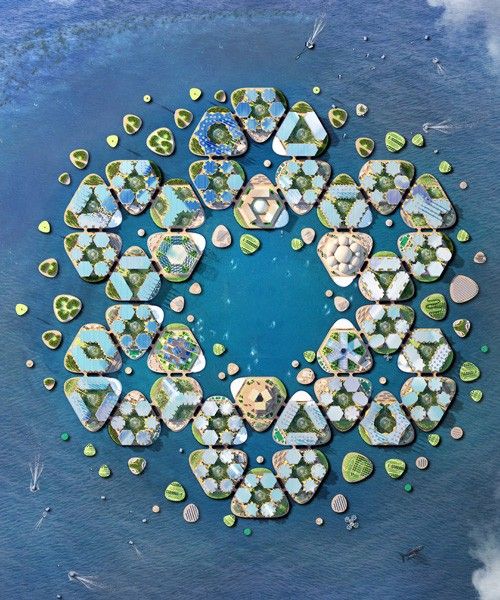
Oceanix Floating City, Image Source: Designboom
Adaptable Urban Hubs
Urban hubs designed by WeWork revolutionize shared spaces, blending co-living and co-working to meet the needs of digital nomads. These hubs act as cultural districts, where collaboration and innovation are encouraged.
The flexible design fosters a sense of community while maintaining privacy, ensuring that individuals can work and unwind seamlessly.
Mobile Housing
Tiny homes and prefabricated units have redefined the small home movement. These spaces combine affordability, mobility, and energy efficiency, offering a sustainable alternative for those on the move.
Such designs are not just practical but also deeply personal, reflecting the memory and aspirations of their occupants.
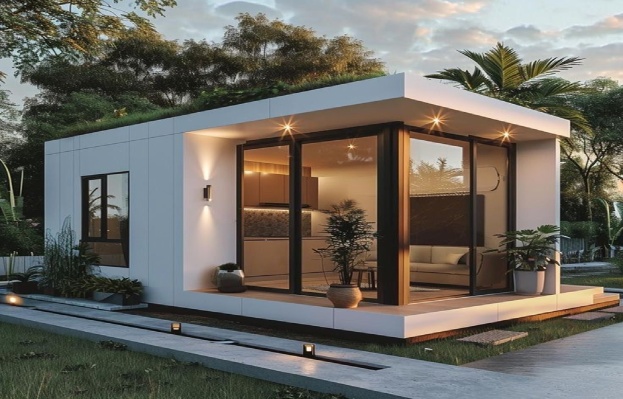
Portable House, Image Source: Vrisainnovation.com
The Benefits of Transient Cities
1. Aligning with Modern Lifestyles
Transient cities celebrate the heritage of innovation and adaptability. They reflect the needs of global citizens who value flexibility without sacrificing comfort. By integrating unique designs, transient spaces encourage creativity and exploration.
2. Environmental Benefits
Eco-friendly building practices, such as modular construction and low-carbon materials, reduce urban waste while conserving resources. This ensures that transient cities leave a smaller ecological footprint.
3. Fostering Community
While transient living might seem isolating, it can foster meaningful connections. Shared spaces and multi-functional hubs become centers for collaboration, bridging cultural and professional divides.
Challenges and Criticisms
1. Regulatory and Legal Hurdles
Implementing transient city concepts often clashes with outdated zoning laws and bank regulations. Navigating these obstacles will require bold thinking and interdisciplinary collaboration.
2. Permanence vs. Transience
While transient cities prioritize mobility, they must also preserve local identity and heritage. Striking a balance between global trends and regional roots remains a critical challenge.
3. Cultural and Social Concerns
Transient living must keep cultural integrity intact. The transmission of local customs and traditions can be difficult in a world designed for impermanence. Architects and planners must ensure that urban spaces continue to celebrate their history while embracing change.
Conclusion: Future Outlook
Architects must adopt a west-facing mindset, prioritizing innovation and sustainability. From AI-driven layouts to green rooftops, the next generation of architectural solutions must be both visionary and practical.
By 2023, we’ve seen exponential growth in AI-assisted designs, exhibition-style districts, and 3D-printed homes. These advancements ensure cities can evolve with minimal disruption, offering a glimpse into what’s possible in the coming decade.
The cities of tomorrow are waiting. Will you be the one to build them? Thanks for joining this exploration of transient living—let's continue shaping the future together.
The future of architecture is bright, but are your skills keeping pace? Kaarwan's architecture-specific courses provide you with the knowledge and tools to confidently navigate the AEC industry. Gain valuable insights, master in-demand software, and stand out with designs that impress!
FAQs
1. What are transient cities?
Transient cities are dynamic urban spaces designed for flexibility, mobility, and sustainability, catering to a mobile and connected global population.
2. How does peripatetic architecture differ from traditional architecture?
Peripatetic architecture emphasizes adaptability, multifunctionality, and eco-consciousness, enabling structures to transform and serve diverse needs in a mobile society.
3. What are examples of transient city designs?
Examples include floating communities like Oceanix, modular homes, and co-living hubs integrating work, leisure, and living spaces.
4. How do transient cities address environmental concerns?
By using low-impact construction techniques, renewable energy, and sustainable materials, transient cities minimize ecological footprints and adapt to climate challenges like rising sea levels.
5. What are the challenges of implementing transient cities?
Challenges include regulatory hurdles, maintaining cultural heritage, and balancing the need for transience with preserving local identity.