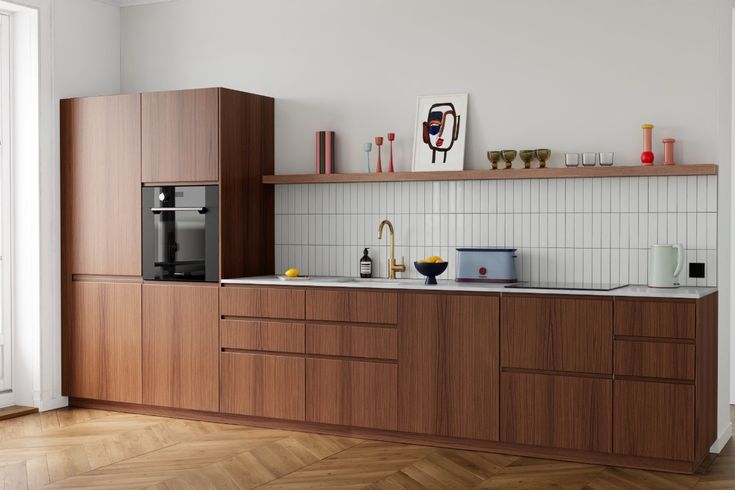
Types of Boards Used in Kitchens — A Practical Guide for Architects & Designers
Choosing the right board is crucial to designing a kitchen that’s not just beautiful but durable, functional, and cost-efficient. Each board type behaves differently depending on usage, moisture levels, finish, and load-bearing capacity. Here’s a clear guide to help you pick smart.
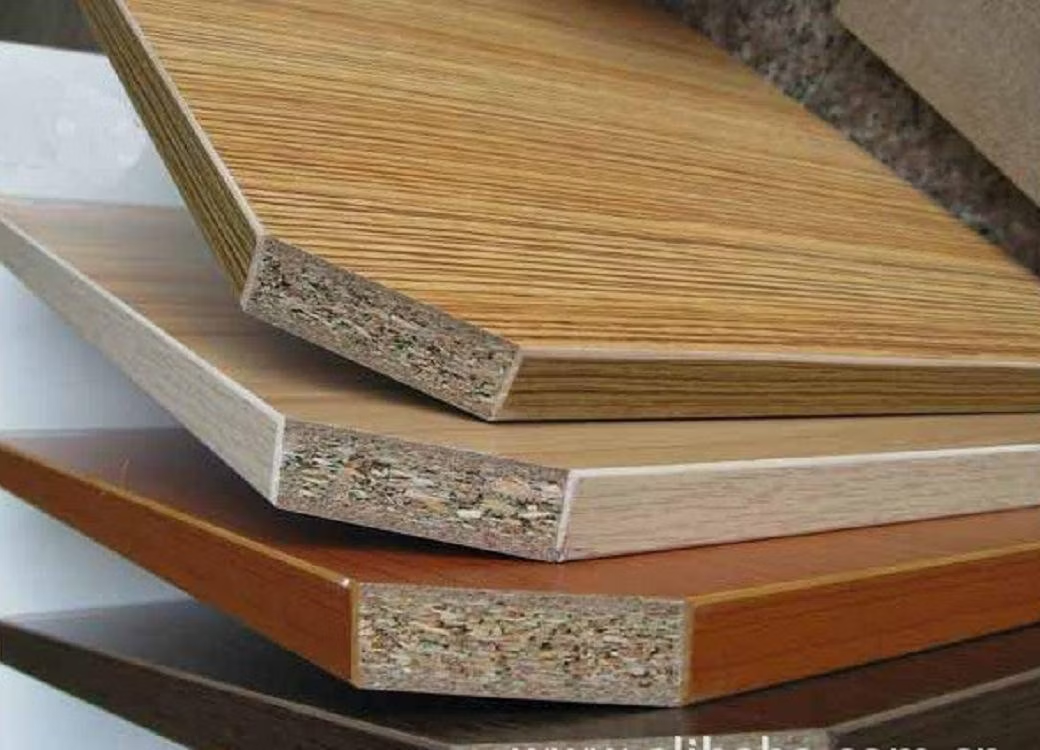
1. Particle Board
Best For: Cost-efficient millwork where structural performance isn’t critical — ideal for shelves, cabinet backs, and dry kitchen zones.
Key Features:
- Made from compressed wood particles and resin.
- Lightweight and economical.
- Limited moisture resistance.
Pros: Budget-friendly, smooth finish surface.Cons: Weak in strength, swells with water exposure.
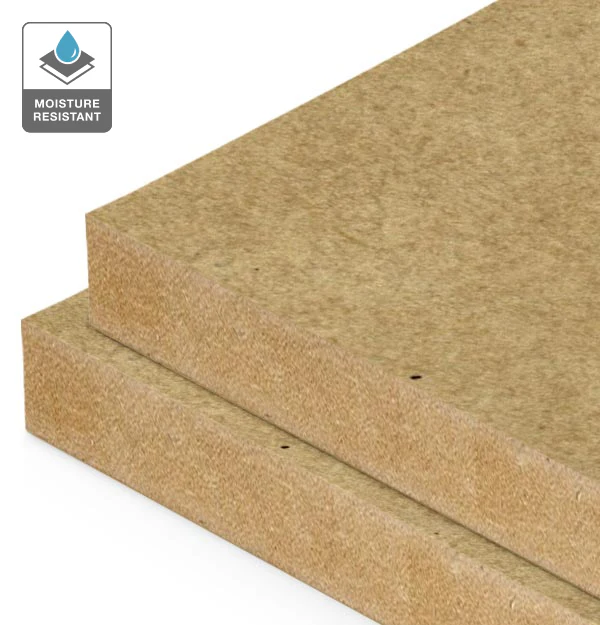
2. MDF (Medium Density Fiberboard)
Best For: Painted finishes, decorative panels, or low-traffic cabinetry.
Key Features:
- Engineered from fine wood fibers and resin.
- Smooth, uniform surface perfect for paint and laminates.
- Moderate strength and stability.
Pros: Easy to cut and mold, gives premium finish.Cons: Susceptible to water damage if not sealed properly.
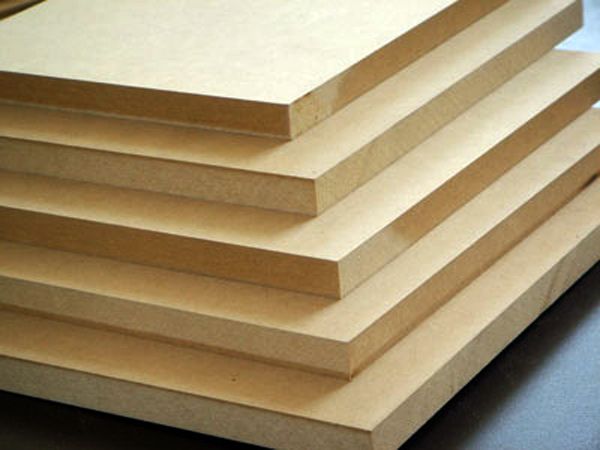
3. HDF (High Density Fiberboard)
Best For: Areas requiring better strength and durability than MDF — e.g., cabinet shutters, wall panels.
Key Features:
- Denser and stronger than MDF.
- Smoother surface and good screw-holding capacity.
- More resistant to wear.
Pros: High finish quality, stable, strong.Cons: Heavier and costlier than MDF.
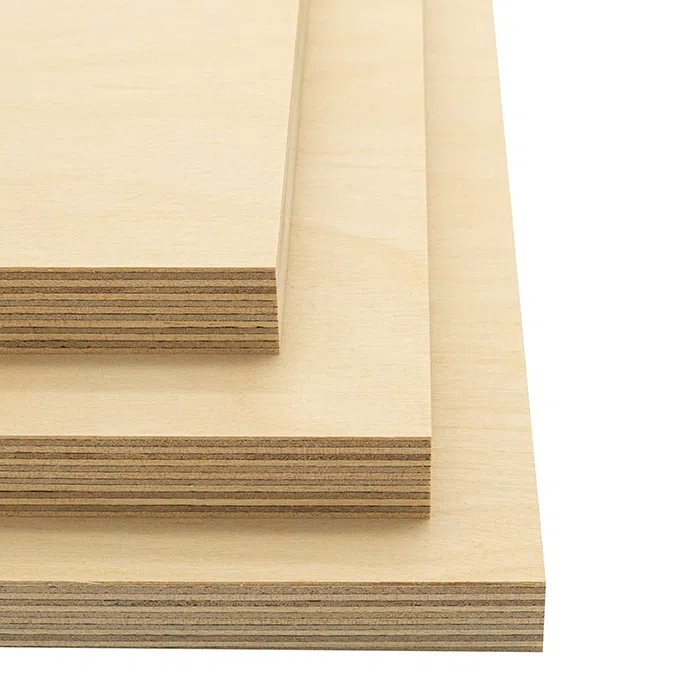
4. Plywood
Best For: High-use kitchen areas like cabinets, countertops, and under-sink zones.
Key Features:
- Made from thin wood veneer layers glued in alternating grains.
- Strong, flexible, and moisture resistant (especially marine-grade).
Pros: High durability, good moisture resistance.Cons: More expensive than MDF and particle board.
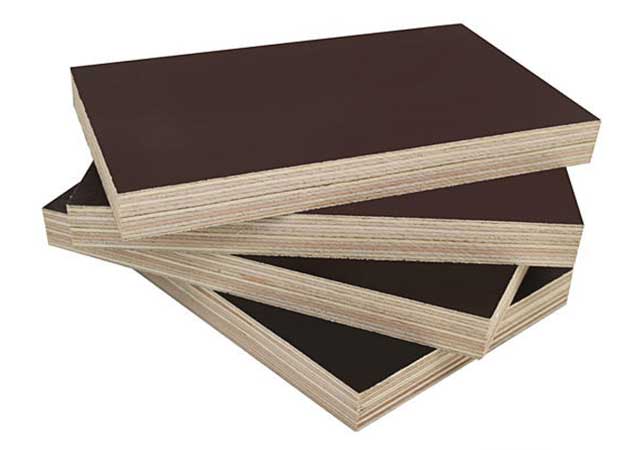
5. Marine Plywood
Best For: Wet zones like under sinks, utility areas, or humid climates.
Key Features:
- Premium plywood bonded with waterproof glue.
- Resists swelling, warping, and delamination.
Pros: Excellent water resistance, high strength.Cons: Expensive, may need proper finishing to maintain appearance.
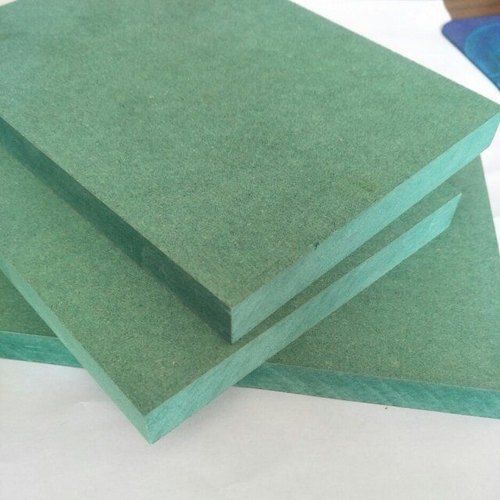
6. HDHMR (High-Density High Moisture Resistance) Board
Best For: Shutters, carcasses, and high-moisture zones of modular kitchens.
Key Features:
- A hybrid of HDF with moisture-resistant properties.
- High screw strength and dimensional stability.
Pros: Water resistant, termite resistant, durable.Cons: Costlier than MDF but cheaper than marine plywood.
Alt text: HDHMR board surface with smooth matte finish.