Hey there! If you're an architecture student or professional, you might have come across the term Vastu. It's a fascinating blend of architecture and traditional wisdom, focusing on designing spaces in harmony with nature. Today, we're diving into the five elements of Vastu and how they influence Vastu design and Vastu architecture. If you're curious about how to bring balance to your designs using these principles, you're in the right place.
What are the Five Elements of Vastu?
The concept of five elements of Vastu is rooted in the idea that everything in the universe, including our built environments, is composed of five fundamental elements: Earth, Water, Fire, Air, and Space. The idea behind Vastu design is to create harmony between these elements within a space to promote well-being and prosperity.
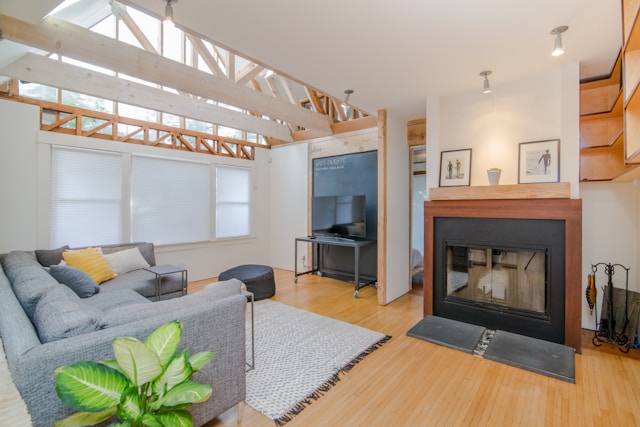
The key is in understanding each element and aligning them with different areas of your design projects. Let's look at each element and its role in Vastu architecture.
The Elements at a Glance:
- Earth (Prithvi): Stability and strength
- Water (Jal): Flow, purity, and flexibility
- Fire (Agni): Energy and transformation
- Air (Vayu): Movement and vitality
- Space (Aakash): Expansion and connection
Now, let's take a closer look at how these elements influence Vastu design.
Earth (Prithvi) - The Foundation of Stability
Earth represents stability, strength, and firmness. In Vastu architecture, this element is all about creating a strong foundation. The southwest direction is considered to be governed by Earth, which is why heavier items, like furniture or storage, are typically placed there to add stability to the building.
When designing a structure, make sure to:
- Use solid materials: Stone and brick symbolize the grounded nature of Earth.
- Keep the southwest direction heavy: Placing heavier elements here is believed to bring strength and security to the occupants.
To learn more about using natural materials to bring harmony into architectural designs, you can check out our Vastu and Material Selection course.
Water (Jal) - The Flow of Life
Water is synonymous with flow, purity, and emotional health. In Vastu design, water elements are generally best positioned in the northeast. This is why ponds, water features, or even the placement of kitchens often align with this direction.
Consider these principles:
- Northeast for water: Whether it's a fountain, a water tank, or even a small garden pond, positioning water features in the northeast can invite positive energy.
- Colors and materials: Use shades of blue and wavy patterns to bring the essence of water into your design.
Water elements play a major role in making a space feel fresh and vibrant, and the placement of such features can drastically improve the vibe of a building.
Fire (Agni) - The Source of Energy
Fire symbolizes energy, strength, and transformation, and plays a crucial role in Vastu architecture. Fire is associated with the southeast direction, and its presence brings warmth and vitality to a space. This is why the kitchen, a space directly linked to fire, is recommended to be in the southeast.
Design Tips for Fire Element:
- Southeast Placement: Positioning the kitchen, a fireplace, or even a grill in the southeast can help balance the fire element.
- Bright colors: Use shades of red, orange, and yellow to channel the energy of fire.
- Lighting: Natural sunlight coming from the southeast or well-placed artificial lights can help manifest the fire element effectively.
Air (Vayu) - Movement and Vitality
Air is about movement, communication, and joy. It governs the northwest direction and influences ventilation and airflow in Vastu design. Good airflow in a space ensures positivity and health for its occupants.
Key Design Practices:
- Windows in the Northwest: Ensure windows and openings are primarily located in the northwest direction to facilitate a smooth flow of air.
- Use of light colors: Shades of light blue, white, or pastel tones can make a space feel more open and airy, encouraging free movement.
- Plants and Air Quality: Incorporating indoor plants helps keep the air fresh and maintains a balance with the air element.
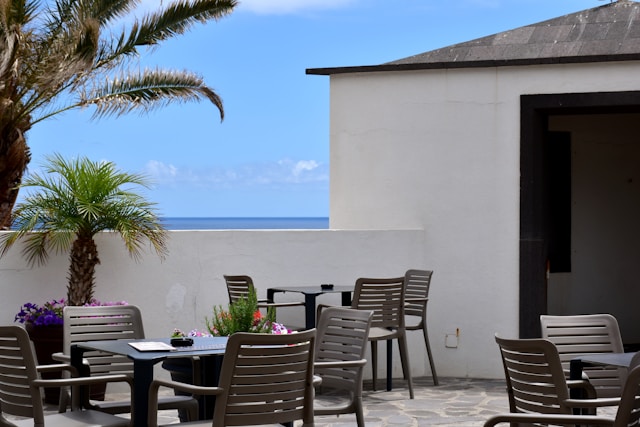
Space (Aakash) - The Realm of Expansion
Space is the most expansive of the five elements of Vastu. It is about openness, connection, and the void. In Vastu, keeping the center of the structure (also called the Brahmasthan) open is crucial for allowing the flow of energy.
To effectively balance the space element:
- Open Spaces: Keep the center of rooms uncluttered and open to allow a sense of expansion and lightness.
- High Ceilings: Higher ceilings and the use of mirrors can create an illusion of more space, promoting positivity and growth.
Bringing it All Together: Vastu in Modern Architecture
Balancing the five elements of Vastu is an intricate process, but incredibly rewarding. In modern Vastu architecture, it's about understanding these elements and applying them to our designs, be it for homes, offices, or public spaces. By integrating the five elements of Vastu effectively, we can create spaces that not only function efficiently but also nourish the mind and body.
Practical Example: Designing a Living Room
Let’s take a practical example. Imagine you're designing a living room:
- Place heavier furniture towards the southwest (Earth).
- Add a small water feature, like an indoor fountain, towards the northeast (Water).
- Ensure natural light comes from the southeast (Fire) and include some candles or warm lights.
- Keep windows in the northwest (Air) for proper ventilation.
- Keep the center of the room open and decluttered (Space).
Following these guidelines can bring a sense of balance and positive energy to the living area, making it a comfortable and inviting space.
Conclusion
Incorporating the five elements of Vastu into Vastu design isn't just about following ancient guidelines; it's about embracing a holistic approach to design that takes human well-being and nature into consideration. As architecture professionals, this knowledge can help us create spaces that are not only aesthetically pleasing but also in harmony with natural forces.
If you’re eager to dive deeper into how Vastu architecture can transform your designs, consider enrolling in our Advanced Course on Vastu. It’s a comprehensive guide designed to help you blend traditional wisdom with contemporary practice.
Visit our website Kaarwan.com for more details!
FAQs
1. What are the five elements of Vastu?
The five elements of Vastu are Earth, Water, Fire, Air, and Space, which form the foundation of Vastu design principles.
2. How do the five elements influence Vastu design?
The five elements influence how spaces are planned and designed, ensuring harmony and balance in a built environment.
3. Why is the northeast direction important in Vastu?
The northeast is associated with the water element and is considered auspicious for placing water features, which brings positivity and flow to the space.
4. Can Vastu principles be applied in modern architecture?
Absolutely! Modern architecture can integrate Vastu principles to create spaces that are functional, balanced, and filled with positive energy.
5. How can I incorporate Vastu principles if my space is already built?
Incorporating Vastu principles into an existing space is possible through simple adjustments. You can reposition furniture, add mirrors or water features, use specific colors, and ensure proper ventilation to align with Vastu guidelines and enhance harmony.