In the ever-evolving field of architecture, innovation is key to staying ahead. As architects strive to push the boundaries of design, parametric design has emerged as a game-changer. At the forefront of this revolution is Grasshopper software, a powerful tool that is transforming the way architects approach modern architecture. By enabling complex geometries, optimizing performance, and allowing for real-time modifications, Grasshopper has become an indispensable part of the parametric design architecture movement.
Grasshopper, a visual programming language integrated with Rhino architecture, allows architects to explore complex forms and structures that were previously unimaginable. Through its algorithmic approach, it not only facilitates the creation of intricate designs but also enhances efficiency and precision in the design process. As architects increasingly turn to Grasshopper software training to master this tool, the potential of parametric design in revolutionizing modern architecture is becoming more apparent.
1. The Power of Parametric Design in Modern Architecture
Understanding Parametric Design
Parametric design is a process based on algorithmic thinking, enabling architects to manipulate design elements and parameters to achieve desired outcomes. Unlike traditional design methods, where changes are manually adjusted, parametric design allows for real-time modifications through interconnected parameters. This approach not only saves time but also ensures that all design elements remain consistent and harmonious, even when changes are made late in the process.
Grasshopper software, with its user-friendly interface and robust capabilities, plays a pivotal role in this design paradigm. It allows architects to create and manipulate complex geometries with ease, making it possible to explore a wide range of design possibilities. This has opened new avenues for architectural creativity, allowing for the realization of innovative and unconventional designs that were once deemed too complex to execute.
Why Grasshopper is Integral to Parametric Design
Grasshopper’s integration with Rhino architecture makes it a powerful tool for parametric design. Rhino, known for its ability to handle complex curves and surfaces, complements Grasshopper’s visual programming capabilities. Together, they allow architects to design with unprecedented flexibility and precision, making it possible to generate intricate patterns, optimize structural performance, and even simulate environmental factors.
Moreover, Grasshopper’s ability to create parametric models means that architects can easily adapt their designs to meet specific project requirements or client preferences. Whether it's adjusting the height of a building, altering the curvature of a façade, or modifying structural elements for better load distribution, Grasshopper makes these changes seamless and efficient.

Image source - pinterest.com
2. How Grasshopper Software Revolutionizes Modern Architecture
Enabling Complex and Innovative Designs
One of the most significant ways Grasshopper is revolutionizing modern architecture is by enabling the creation of complex, innovative designs. Traditional CAD software often limits the scope of architectural creativity due to its reliance on manual input and fixed design parameters. In contrast, Grasshopper’s algorithmic approach allows architects to generate and explore forms that are far more intricate and dynamic.
For instance, architects can use Grasshopper to design organic, biomimetic structures that mimic natural forms, or create parametric facades that respond to environmental conditions. This capability is particularly valuable in sustainable architecture, where designs need to optimize natural light, ventilation, and energy efficiency. The software’s ability to simulate and analyze these factors during the design phase ensures that the final structure is not only aesthetically pleasing but also environmentally responsive.
Optimizing Performance and Efficiency
Grasshopper also plays a crucial role in optimizing the performance and efficiency of architectural designs. By allowing architects to input performance criteria—such as structural stability, material efficiency, or thermal comfort—Grasshopper can generate optimized design solutions that meet these criteria. This is particularly important in large-scale projects, where even small improvements in efficiency can lead to significant cost savings and reduced environmental impact.
Moreover, Grasshopper’s parametric models enable architects to test and iterate different design options quickly. This iterative process allows for the fine-tuning of designs, ensuring that the final output meets both aesthetic and functional requirements. As a result, Grasshopper not only enhances the quality of architectural designs but also streamlines the design process, making it more efficient and cost-effective.
Bridging the Gap Between Design and Fabrication
Another area where Grasshopper is making a significant impact is in bridging the gap between design and fabrication. The software’s parametric models can be directly linked to digital fabrication tools, such as CNC machines or 3D printers, enabling the seamless transition from digital design to physical construction. This integration reduces the potential for errors during fabrication and ensures that the final built structure closely matches the original design intent.
Furthermore, Grasshopper’s ability to generate detailed fabrication data means that architects can optimize the use of materials and minimize waste. This not only contributes to the sustainability of the project but also reduces construction costs. By linking design and fabrication processes, Grasshopper is helping to make modern architecture more sustainable, efficient, and precise.
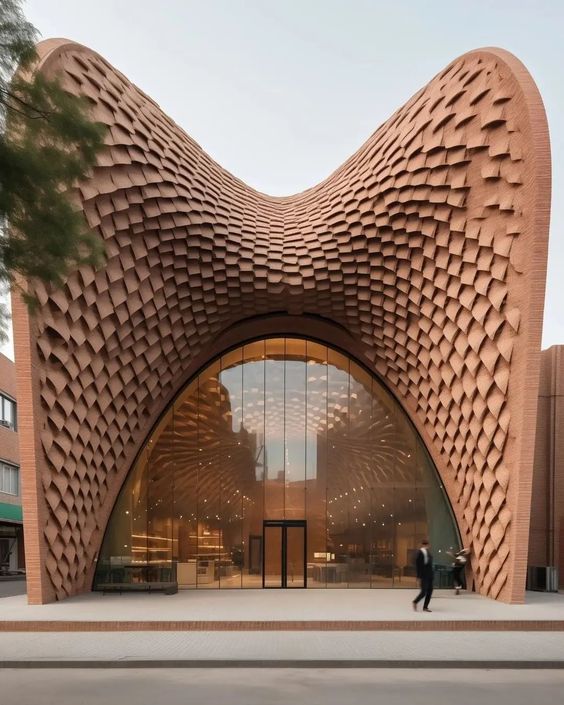
Image source - pinterest.com
3. The Importance of Grasshopper Software Training for Architects
Why Architects Need Grasshopper Training
Given the transformative potential of Grasshopper software, it is becoming increasingly important for architects to gain proficiency in this tool. Grasshopper software training equips architects with the skills needed to fully leverage the software’s capabilities, from creating complex geometries to optimizing performance and integrating design with fabrication. As parametric design continues to gain traction in the industry, proficiency in Grasshopper is becoming a valuable asset for architects.
Courses and Resources for Learning Grasshopper
For those looking to master Grasshopper, there are numerous training courses and resources available. Many architectural schools now offer Grasshopper training as part of their curriculum, recognizing the software’s importance in modern design. Additionally, online platforms offer Grasshopper courses that cater to different skill levels, from beginners to advanced users. These courses typically cover the fundamentals of parametric design, the use of Grasshopper plugins, and advanced techniques for optimizing architectural designs.
Conclusion: Grasshopper as a Catalyst for Innovation in Architecture
Grasshopper software has undoubtedly revolutionized modern architecture by enabling the exploration of complex forms, optimizing design performance, and bridging the gap between design and fabrication. As parametric design architecture continues to evolve, Grasshopper will remain at the forefront, empowering architects to push the boundaries of creativity and efficiency. For architects looking to stay competitive in today’s fast-paced industry, mastering Grasshopper through dedicated training is not just an option but a necessity.
Elevate your skills with our Advanced Rhino & Grasshopper Certification Course. Gain expertise and job support to excel in parametric design. Enroll now to transform your career!
Visit the Kaarwan website for more insights!
FAQs
Q1: How does Grasshopper software contribute to parametric design in architecture?
A1: Grasshopper software enhances parametric design by enabling architects to create complex geometries and perform real-time modifications. Its algorithmic approach ensures efficient, flexible design processes, allowing for the exploration of innovative architectural forms that adapt to specific project requirements and environmental conditions.
Q2: Why is Grasshopper considered revolutionary in modern architecture?
A2: Grasshopper revolutionizes modern architecture by allowing architects to generate intricate designs, optimize performance, and seamlessly integrate design with digital fabrication. Its visual programming capabilities facilitate the creation of dynamic, sustainable structures that push the boundaries of traditional architectural design.
Q3: What are the benefits of learning Grasshopper software for architects?
A3: Learning Grasshopper equips architects with the skills to leverage parametric design, enabling them to create complex, efficient designs. Proficiency in Grasshopper is increasingly valuable as the industry moves towards more innovative, sustainable architectural practices, making it a crucial tool for modern architects.
Q4: How does Grasshopper software improve design efficiency?
A4: Grasshopper software improves design efficiency by allowing architects to input performance criteria and quickly iterate design options. This capability ensures that final designs meet both aesthetic and functional requirements, streamlining the design process and reducing overall project costs and time.
Q5: What role does Grasshopper play in bridging design and fabrication?
A5: Grasshopper bridges design and fabrication by linking parametric models directly to digital fabrication tools, such as CNC machines or 3D printers. This integration ensures that the built structure closely matches the original design intent, minimizes material waste, and enhances overall project sustainability.