The integration of natural features into architectural design is essential for creating sustainable and livable spaces. Through vegetation and ecology assessments, architects can incorporate natural elements that enhance environmental resilience and urban livability.
The role of vegetation and ecological features in design extends beyond aesthetics; they provide critical benefits to environmental sustainability, human health, and urban resilience. Incorporating these elements from the start of a project leads to spaces that support biodiversity, mitigate pollution, and manage urban heat.
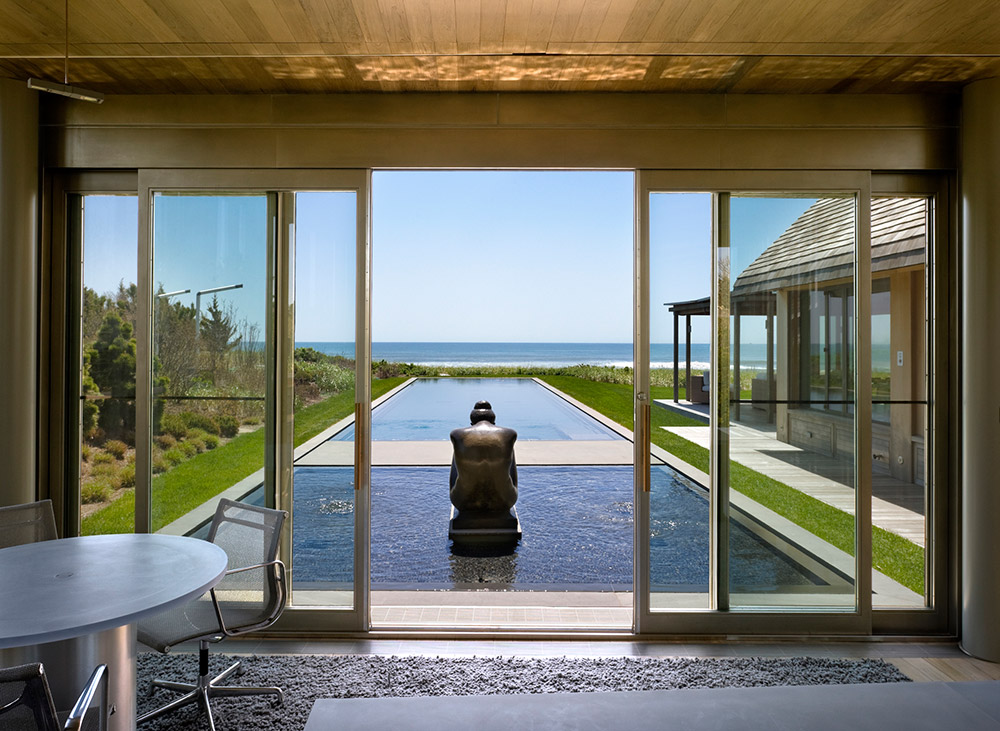
Cookfox architect Via terrapinbrightgreen.com
Understanding Site Analysis in Architecture
Site analysis is a preliminary step in architectural planning that examines environmental, cultural, and infrastructural factors. This stage is essential in vegetation and ecology assessments, as it provides insight into how natural features can be preserved and enhanced on the project site.
Site Analysis Sheet in Architecture
A site analysis sheet is a detailed document containing information about the site’s environmental conditions. This includes climate, vegetation, water sources, and soil quality. It serves as a blueprint, guiding architects in understanding how best to integrate ecological elements into their designs.
Site Analysis Checklist for Vegetation and Ecology
A comprehensive checklist is crucial for effective vegetation and ecology assessments. It may include identifying plant species, mapping out habitats, and assessing potential environmental impacts. A well-structured checklist ensures that no key ecological aspect is overlooked.
Key Environmental Factors in Site Analysis
Environmental factors like soil quality, drainage, and microclimate play a vital role in determining which vegetation will thrive on a site. For example, understanding soil composition is essential for selecting plant species that support ecosystem health and resilience.
Ecological Characteristics of Vegetation
Vegetation assessments look at the types and distribution of plant species on a site. Native vegetation, for instance, supports local wildlife and biodiversity. By preserving or reintroducing native plants, architects can create landscapes that require less maintenance and resource input.
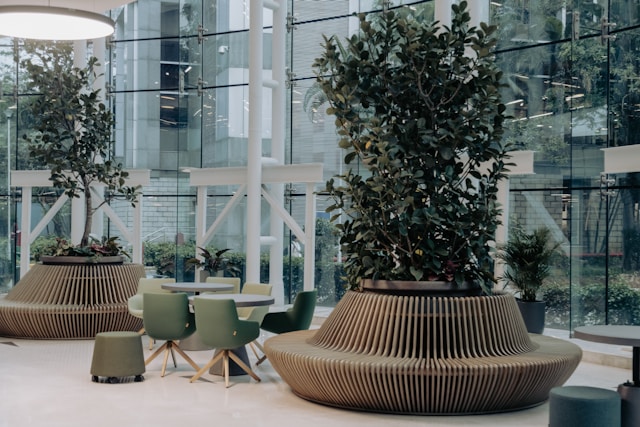
Assessing Habitat Types
Various habitats, from wetlands to grasslands, contribute to a site’s ecological diversity. Architects and planners must identify and evaluate these habitats to support conservation and enhance habitat value, especially in urban settings where natural spaces are limited.
Biodiversity and Ecosystem Health
Biodiversity is a key indicator of ecosystem health, affecting everything from air quality to pollination. In urban areas, where biodiversity can be limited, ecological design can help improve overall environmental quality and resilience against climate change.
Integrating Vegetation in Site Planning
Incorporating vegetation into architectural design offers numerous benefits, from stabilizing soil to improving air quality. Trees and plants act as natural air filters, removing pollutants while providing cooling shade that can reduce energy consumption in buildings.
Role of Vegetation in Urban Heat Reduction
The urban heat island effect is a significant concern in cities, where hard surfaces absorb and re-radiate heat. Vegetation can help mitigate this effect by providing cooling through shade and evapotranspiration, making cities more comfortable and reducing the need for artificial cooling.
Designing with Natural Hydrology
Water-sensitive urban design (WSUD) considers natural water systems in urban planning, promoting practices like rain gardens and permeable pavements. This approach reduces stormwater runoff and helps maintain local water quality, contributing to a balanced and sustainable ecosystem.
Case Studies in Vegetation and Ecology Integration
Numerous projects showcase the successful integration of vegetation and ecological features. Examples include eco-parks, green roofs, and urban wetlands. These case studies provide valuable insights into the challenges and solutions in ecological design.
Tools and Software for Ecology Assessment
Technological advancements, such as GIS and remote sensing, have made it easier to conduct detailed ecology assessments. These tools allow architects to analyze large datasets and simulate ecological impacts, enabling more precise and effective planning.
Challenges in Vegetation and Ecology Assessment
Implementing ecological features can be challenging due to factors like budget constraints, space limitations, and environmental regulations. However, innovative design solutions and supportive policies can help overcome these challenges and support sustainable development.
Future Trends in Vegetation and Ecological Design
The future of ecological design lies in innovation, with trends like green walls, sustainable urban drainage systems, and biodiverse green roofs. As urban areas expand, incorporating these elements will become crucial for creating livable and environmentally friendly spaces.
Conclusion
Incorporating vegetation and ecology into architectural design is essential for sustainability and urban resilience. By embracing natural features, architects can create environments that support both human and environmental health.
The future of architecture is bright, but are your skills keeping pace? Kaarwan's architecture-specific courses provide you with the knowledge and tools to confidently navigate the AEC industry. Gain valuable insights, master in-demand software, and stand out with designs that impress!
FAQs:
1. What is a vegetation and ecology assessment in architecture?
A vegetation and ecology assessment is a study conducted to understand the natural features of a site, such as plants, habitats, and ecosystems. It helps architects integrate these elements into their designs to promote sustainability and biodiversity.
2. Why is it important to integrate natural features into design?
Integrating natural features enhances environmental sustainability, reduces urban heat, supports biodiversity, and improves air and water quality, creating a healthier and more resilient urban environment.
3. What is a site analysis sheet in architecture?
A site analysis sheet is a document that records detailed information about a site’s environmental conditions, such as soil, climate, vegetation, and hydrology. It aids architects in making informed decisions for eco-friendly design.
4. How does vegetation help in urban heat reduction?
Vegetation reduces urban heat by providing shade and through evapotranspiration. Trees and plants cool surrounding areas, helping to lower temperatures and reduce the need for air conditioning in nearby buildings.
5. What are some common challenges in vegetation and ecology assessments?
Challenges can include budget constraints, limited space, and regulatory requirements. These obstacles may limit the ability to fully integrate natural features but can be addressed through innovative design solutions.
6. What tools are used for ecological assessment in design?
Tools such as GIS (Geographic Information Systems), remote sensing, and environmental modeling software are commonly used for ecological assessments. These tools allow for precise data analysis and simulation of ecological impacts.