In an era of environmental challenges, green architecture is revolutionizing how buildings interact with the planet. This sustainable design philosophy minimizes the environmental impact of buildings by incorporating eco-friendly practices in their design, construction, and operation. As the Green Building Council emphasizes, creating sustainable structures is not just a trend but a necessity for a resilient future.
What is Green Architecture?
Green architecture refers to environmentally responsible building practices that prioritize sustainability, energy efficiency, and the health of occupants. This concept integrates renewable energy, sustainable materials, and eco-friendly technologies to reduce the carbon footprint of construction projects. By addressing the environmental impact of buildings, green design fosters harmony between the built and natural environment.
Characteristics of Green Architecture
Green architecture emphasizes:
- Energy efficiency: Reducing energy consumption through advanced systems and passive solar building design.
- Use of eco-friendly materials: Sourcing sustainable and locally available raw materials.
- Water conservation: Implementing systems like rainwater harvesting and greywater recycling.
- Health-focused designs: Improving ventilation, indoor air quality, and access to natural light.
Principles of Green Architecture
Energy Efficiency
A cornerstone of green architecture is energy efficiency. Buildings are designed to consume less energy by incorporating renewable energy sources and advanced technologies. Solar panels, passive solar building design, and smart energy management systems are integrated into the design and construction process.
For instance, LEED-certified buildings (Leadership in Energy and Environmental Design) optimize energy use, reducing reliance on fossil fuels. These energy-efficient buildings contribute significantly to lowering greenhouse gas emissions.
Sustainable Materials
Green buildings often use sustainable building materials, such as bamboo, recycled steel, and rammed earth. These materials not only reduce the environmental impact of buildings but also support the local economy. Laurie Baker’s mud-brick homes in Kerala exemplify sustainable design tailored to the region’s climate.
Using sustainable construction methods minimizes waste while extending the life cycle of building materials. Buildings that use less raw materials and incorporate sustainable technologies contribute to long-term environmental sustainability.
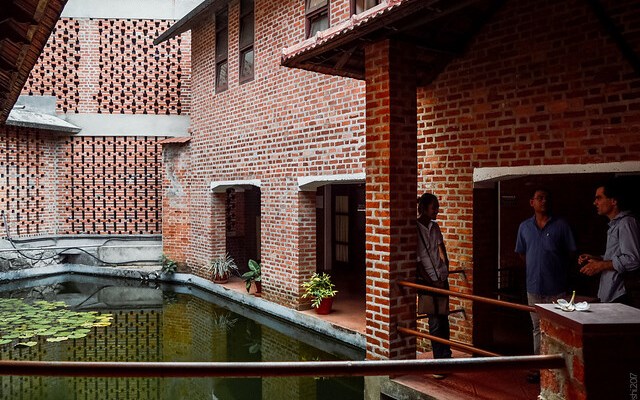
Laurie Baker Construction, Image Source: Delhi Greens Blog
Water Conservation
Efficient water management is a critical component of green architecture. By integrating rainwater harvesting, low-flow plumbing systems, and greywater recycling, green buildings conserve water resources. These systems reduce water consumption in both residential buildings and commercial buildings, making them a model for sustainable living.
The incorporation of water-efficient systems also addresses the increasing scarcity of clean water in urban areas.
Biophilic Design
Biophilic design, a key element of green architecture, connects people with nature by incorporating plants, natural materials, and water features into the built environment. Green roofs and vertical gardens enhance urban biodiversity while providing insulation and reducing urban heat islands.
Benefits of Green Architecture
Economic Benefits
Although green buildings might involve higher initial costs, the long-term savings are substantial. Energy-efficient systems and durable materials reduce operational expenses. Moreover, LEED-certified buildings attract higher market value, making them a lucrative investment for developers.
Environmental Impact
Green architecture significantly reduces the environmental footprint of buildings. By adopting green building practices, emissions are curtailed, and the reliance on non-renewable energy sources diminishes. Additionally, green roofs and vegetation improve air quality while contributing to urban cooling.
For example, the Bosco Verticale in Milan, Italy, combines green infrastructure with high-density urban living, offering a blueprint for future cities.
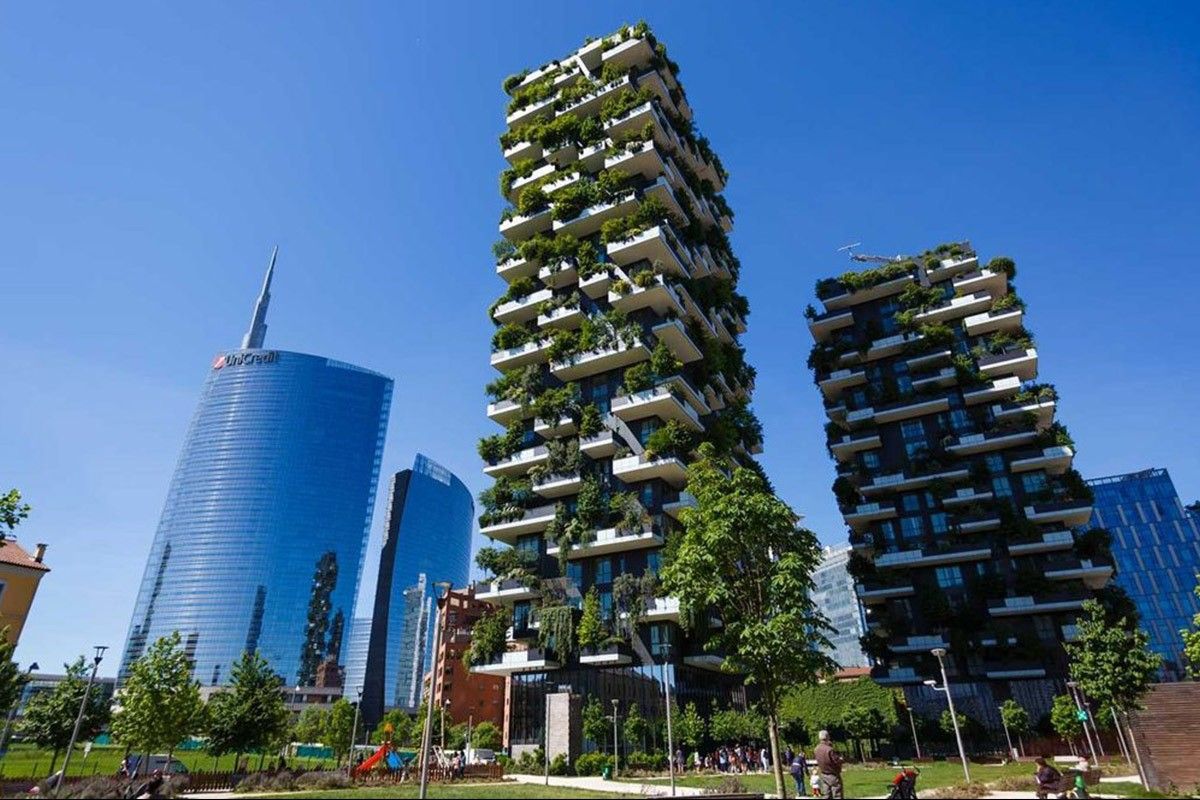
Bosco Verticale Milan, Image Source: Pedestal
Health and Well-Being
Green buildings prioritize occupant health by improving air quality, ensuring adequate ventilation, and maximizing exposure to natural light. Studies have shown that occupants of green buildings experience fewer health issues, leading to increased productivity and satisfaction.
Innovations in Green Building Design
Innovations in green architecture drive its growth and adoption across the globe.
Building-Integrated Photovoltaics
Building-integrated photovoltaics (BIPVs) embed solar panels into the structure, seamlessly merging energy production with aesthetics. These systems enhance energy efficiency and reduce reliance on external grids.
Smart Building Systems
The integration of IoT in green buildings optimizes energy consumption. Smart thermostats, automated lighting, and advanced HVAC systems ensure energy efficiency while maintaining occupant comfort.
Green Roofs and Vertical Gardens
Green roofs and vertical gardens contribute to sustainability by improving insulation, reducing heat, and increasing biodiversity. The ACROS Fukuoka building in Japan is a stellar example of how urban buildings can incorporate green design to achieve environmental harmony.
Global Examples of Green Architecture
Around the world, green architecture demonstrates its potential through remarkable projects:
- Pearl Academy, Jaipur, India: Incorporates passive cooling techniques and renewable energy systems.
- The Crystal, London, UK: A net-zero energy building showcasing cutting-edge green technologies.
- Bosco Verticale, Milan, Italy: A "vertical forest" that integrates biodiversity into urban living.
Challenges in Implementing Green Building Practices
High Initial Costs
The perception of high upfront costs often discourages stakeholders from adopting green building standards. However, these costs are offset by long-term benefits like reduced energy and water expenses.
Limited Awareness
A significant hurdle in green architecture is the lack of awareness among policymakers and builders. Educational initiatives by organizations like the Green Building Council are crucial for fostering widespread adoption.
Access to Sustainable Materials
Limited availability of eco-friendly materials and sustainable building technologies can pose challenges, especially in developing regions. Expanding supply chains for such materials is vital.
The Future of Green Architecture
Green architecture is poised to shape the future of construction with advancements in:
- Net-zero energy buildings: Structures that generate as much energy as they consume.
- Circular economy in construction: Emphasizing the reuse and recycling of materials.
- Advanced green building programs: Offering updated standards for sustainable design and construction.
Conclusion
Green architecture is more than a design trend; it’s a transformative approach to ensuring sustainability in the built environment. By integrating energy-efficient systems, renewable energy, and biophilic elements, green buildings address pressing environmental challenges.
As architects and developers adopt green practices, the construction industry can significantly reduce its impact on the environment. From improving the well-being of occupants to cutting emissions, the benefits of green architecture are vast. Let us embrace this sustainable future and build resilient communities that harmonize with the natural world.
By prioritizing green architecture, we can redefine how buildings meet the needs of people and the planet, paving the way for a sustainable tomorrow.
The future of architecture is bright, but are your skills keeping pace? Kaarwan's architecture-specific courses provide you with the knowledge and tools to confidently navigate the AEC industry. Gain valuable insights, master in-demand software, and stand out with designs that impress!
FAQs
1. What is green architecture?
Green architecture incorporates sustainable design practices to minimize environmental impact, focusing on energy efficiency, water conservation, and occupant health.
2. What are the key features of green buildings?
Key features include energy-efficient systems, eco-friendly materials, water-saving technologies, and biophilic designs that connect the built environment with nature.
3. Why is green architecture important?
Green architecture reduces carbon footprints, conserves resources, and enhances occupant well-being, contributing to a sustainable and resilient built environment.
4. What are examples of sustainable building materials?
Sustainable materials include bamboo, recycled steel, rammed earth, and locally sourced timber.
5. How do green buildings save costs long-term?
Green buildings reduce operational expenses through energy-efficient systems, water conservation, and durable materials, offsetting higher initial construction costs.