Building Information Modeling (BIM) has revolutionized the way we design, construct, and manage buildings and infrastructure. As an architect, I have seen firsthand how this technology has evolved over the years, and its future is more promising than ever. With AI, cloud computing, and generative design leading the charge, BIM is set to redefine the structural and civil engineering landscape. Let’s dive into the latest trends and innovations shaping the BIM future.
The Evolution of BIM: Where We Are Today
BIM has already transformed traditional design and construction practices by enabling digital representation of physical and functional characteristics of places. It facilitates real-time collaboration among architects, engineers, and contractors, reducing errors and inefficiencies. But the next phase of BIM automation is even more exciting.
Emerging Trends in BIM for Structural and Civil Engineering
1. AI in BIM: Smarter Designs and Better Decisions
Artificial Intelligence is enhancing BIM automation by streamlining workflows and making predictive analytics a reality. AI-driven BIM tools can:
- Automate clash detection and resolution.
- Optimize material usage and reduce waste.
- Predict structural issues before construction begins.
AI-powered parametric modeling is also becoming a game-changer, allowing for the automatic generation of design variations based on predefined parameters.
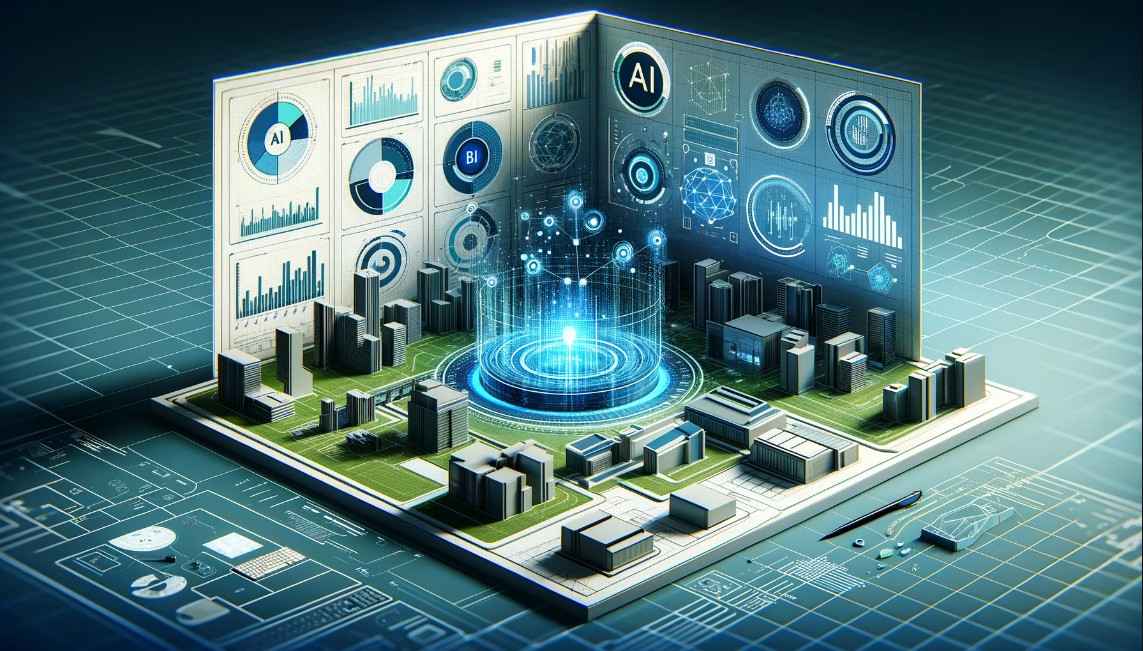
Image Credit: Civils.ai
2. Generative Design: Exploring Infinite Possibilities
Generative design takes advantage of AI algorithms to generate multiple design alternatives based on constraints like cost, sustainability, and structural integrity. This technology is particularly useful in:
- Urban planning and BIM for smart cities.
- Large-scale infrastructure projects with complex geometries.
- Sustainable construction through material and energy efficiency.
3. Digital Twins: The Future of BIM for Infrastructure
Digital twins are digital replicas of physical assets that update in real-time with data from IoT sensors. This innovation is transforming BIM in infrastructure by:
- Providing real-time monitoring and maintenance insights.
- Enhancing structural health monitoring in bridges, tunnels, and buildings.
- Predicting infrastructure failures and enabling proactive interventions.
4. Cloud BIM: Seamless Collaboration and Data Management
The adoption of cloud BIM platforms is making it easier for project stakeholders to collaborate in real-time, reducing the risk of miscommunication and data silos. Benefits of cloud BIM include:
- Instant access to updated models across all project teams.
- Enhanced security and version control.
- Increased efficiency in remote project management.
5. IoT in BIM: Real-Time Data for Smarter Construction
The Internet of Things (IoT) is bringing a new level of intelligence to BIM automation. By integrating IoT devices into BIM workflows, engineers and architects can:
- Monitor environmental conditions in real-time.
- Track equipment and material usage for better logistics.
- Improve building performance through smart sensors.
6. BIM for Smart Cities: Transforming Urban Development
Smart cities rely on BIM in infrastructure to enhance urban planning, sustainability, and efficiency. BIM for smart cities helps in:
- Designing energy-efficient buildings and infrastructure.
- Planning transportation networks and optimizing mobility.
- Integrating renewable energy solutions into urban planning.
7. The Role of Robotics and BIM Automation
Automation through robotics is streamlining construction processes. Robotic applications in BIM include:
- 3D printing for prefabrication and modular construction.
- Autonomous site inspections and quality control.
- AI-powered construction robots for repetitive tasks.
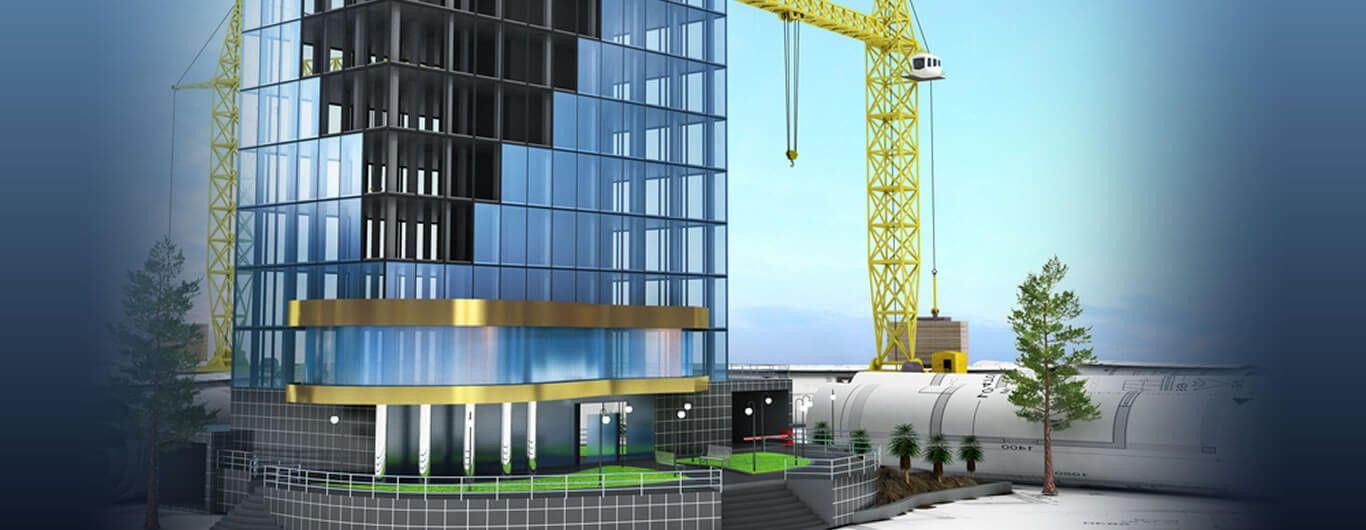
Image Credit: srinsofttech.com
8. The Impact of Blockchain on BIM
Blockchain technology is making BIM future more transparent and secure by:
- Ensuring immutable project records and reducing disputes.
- Enhancing contractual agreements and payment automation.
- Improving trust and accountability in large-scale infrastructure projects.
Challenges in Adopting Advanced BIM Technologies
Despite the many benefits, the widespread adoption of these advanced BIM automation techniques comes with challenges such as:
- High initial implementation costs.
- The need for specialized training and upskilling.
- Resistance to change within traditional construction firms.
Conclusion: The Road Ahead for BIM in Structural and Civil Engineering
The BIM future is incredibly bright, with innovations like AI in BIM, generative design, cloud BIM, and digital twins paving the way for more efficient, sustainable, and smart construction. As architects and engineers, we must embrace these advancements to stay ahead in this ever-evolving industry.
If you're looking to upskill and stay ahead in the field of BIM, consider enrolling in advanced courses that specialize in AI-driven BIM and digital construction techniques.
Visit our website Kaarwan for more!
FAQs
1. What is the future of BIM in structural engineering?
The future of BIM in structural engineering includes AI-driven automation, generative design, digital twins, and IoT integration, making construction more efficient and sustainable.
2. How does AI impact BIM workflows?
AI enhances BIM workflows by automating clash detection, optimizing material usage, predicting structural failures, and generating intelligent design variations.
3. What role does cloud BIM play in modern construction?
Cloud BIM facilitates seamless collaboration, improves data management, enhances security, and enables remote project tracking for large-scale infrastructure projects.
4. How does generative design improve BIM processes?
Generative design allows architects and engineers to explore multiple design alternatives automatically, optimizing for cost, sustainability, and structural integrity.
5. What are the key benefits of digital twins in BIM?
Digital twins provide real-time insights into infrastructure health, enable predictive maintenance, improve asset management, and enhance construction project monitoring.