Introduction:
Architecture, at its core, is a dynamic interplay between aesthetics, functionality, and culture. While styles and technologies continue to evolve, some design principles persist as timeless cornerstones that transcend trends and eras. These enduring concepts not only shape the physical form of buildings but also define how people interact with their spaces, ensuring that the architecture remains relevant, meaningful, and contextually grounded. In this blog, we explore five architectural concepts that have consistently stood the test of time and continue to inspire architects across the globe.
1. Form Follows Function:
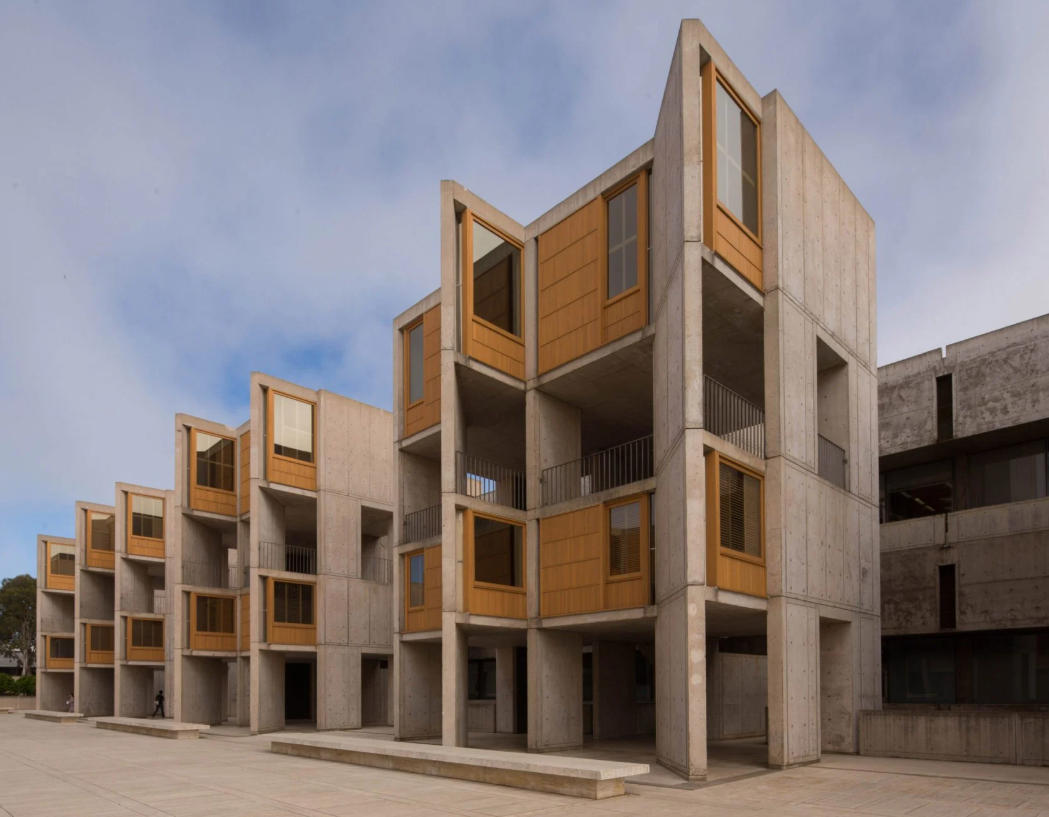
The principle of "Form Follows Function" asserts that the shape of a building or object should primarily relate to its intended purpose. Rooted in modernist ideology and popularised by architect Louis Sullivan in the late 19th century, this concept champions honesty in design, advocating that architectural beauty arises from functional efficiency rather than decorative embellishment. It emphasises clean lines, structural clarity, and purposeful spatial organisation. In doing so, it paves the way for user-centric spaces where every design choice serves a tangible need.
Source: Dezeen.com
The Wainwright Building in St. Louis, one of Sullivan’s masterpieces, captures this idea by prioritizing verticality to express its purpose as an office tower. In contrast, Louis Kahn's Salk Institute in La Jolla reflects function-driven design in a contemplative research setting, where open courtyards, framed ocean views, and symmetrical lab blocks foster collaboration and introspection.
2. Biophilic Design:
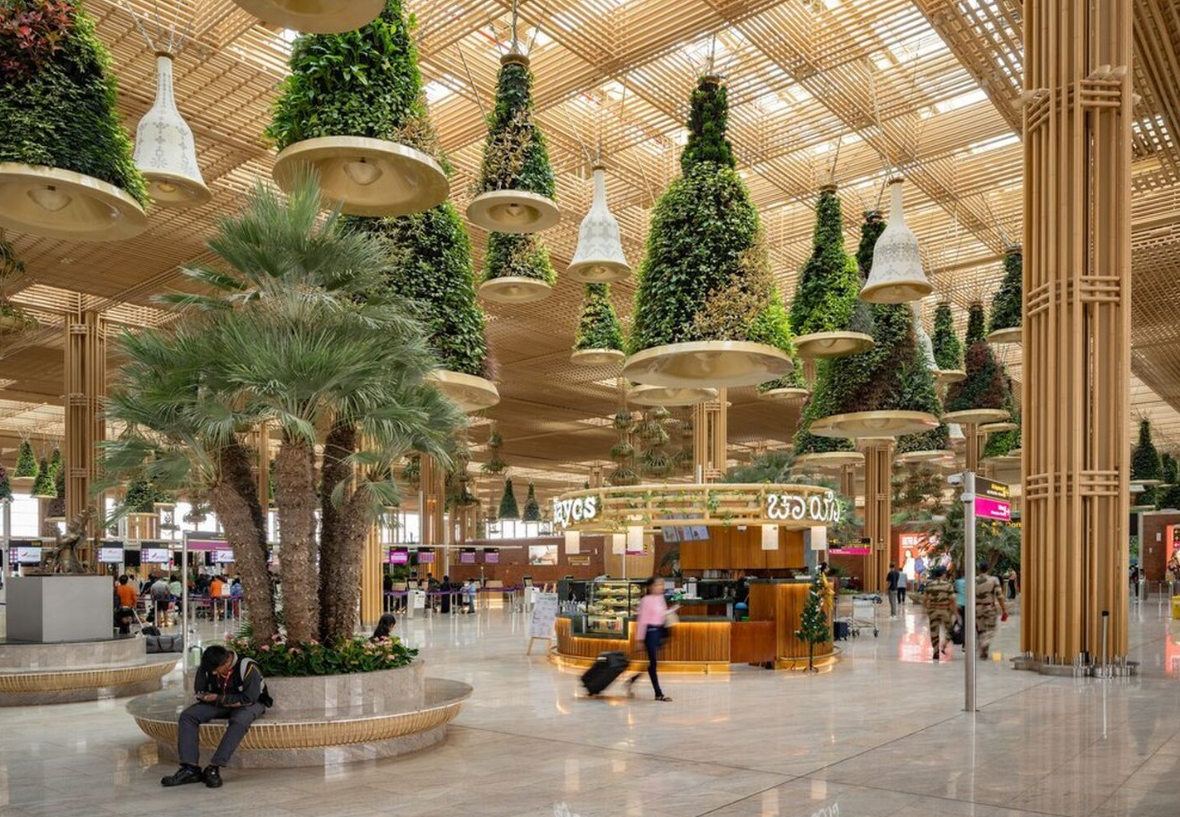
Biophilic design is a concept that seeks to reconnect architecture with nature by integrating natural elements—such as vegetation, water, daylight, and organic forms, into the built environment. This approach is more than just an aesthetic strategy; it is grounded in psychology and neuroscience, acknowledging our innate affinity for nature (biophilia) and its positive impact on health, productivity, and emotional well-being. By bringing nature into everyday spaces, biophilic design not only enhances sensory experiences but also promotes sustainability and ecological harmony.
Source: Grant-associates.uk.com
At Kempegowda International Airport in Bengaluru, biophilic principles are realized through lush landscaping, natural ventilation, and daylight-filled terminals, offering travelers a calming, immersive environment. Similarly, Milan’s Bosco Verticale transforms urban living through vertical gardens that wrap entire residential towers, blending high-density housing with biodiversity.
3. Vernacular Architecture:
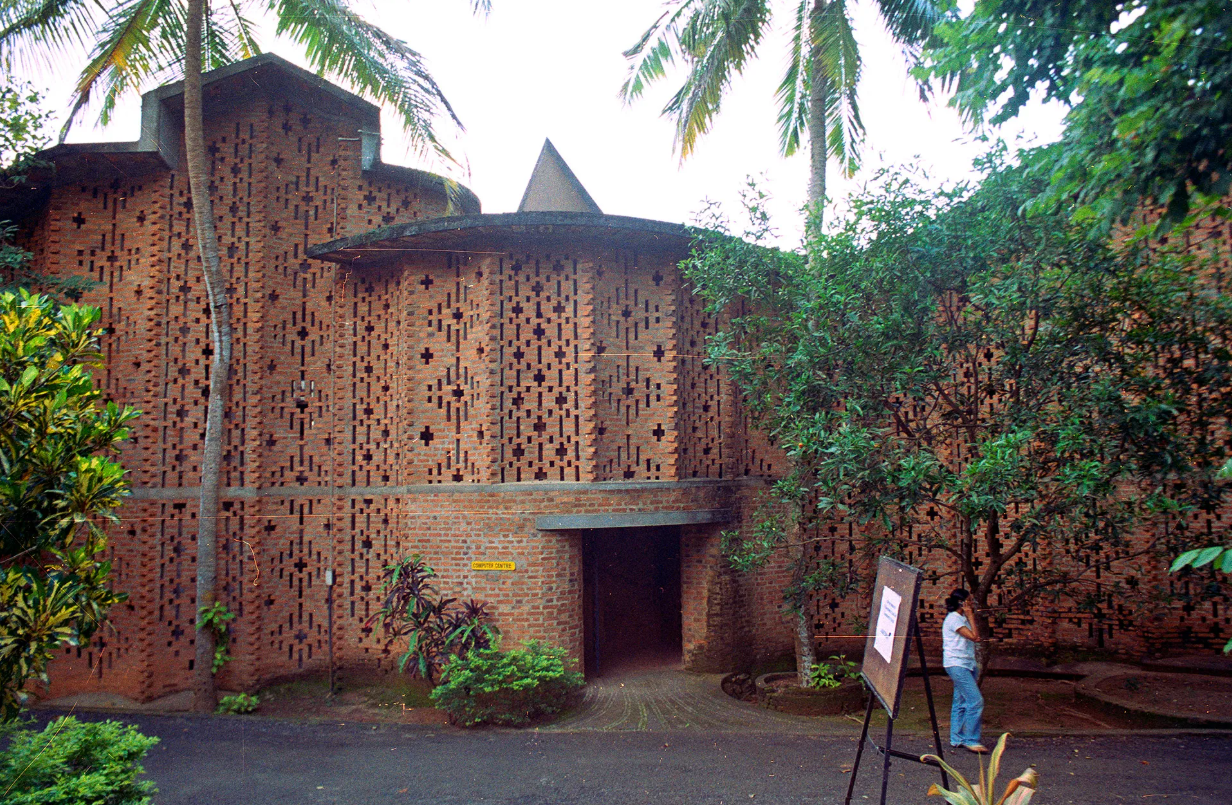
Vernacular architecture refers to building styles that are shaped by local traditions, materials, climate, and socio-cultural practices. Rather than adhering to universal design standards, it embraces contextual responsiveness and resource efficiency. These structures are often built using indigenous knowledge and craftsmanship, resulting in buildings that are deeply rooted in place and time. In an era of globalized architecture, vernacular design offers a sustainable and culturally rich alternative that celebrates regional identity.
Source: ArchEyes
The Laurie Baker Centre in Kerala stands as a beacon of vernacular innovation, employing traditional techniques such as rat-trap bond walls and exposed brickwork to create cost-effective and climate-sensitive architecture. Similarly, DakshinaChitra in Tamil Nadu serves as a curated collection of traditional homes from across South India, preserving and showcasing a diversity of vernacular approaches that prioritize thermal comfort, material locality, and cultural narratives.
4. Minimalism:
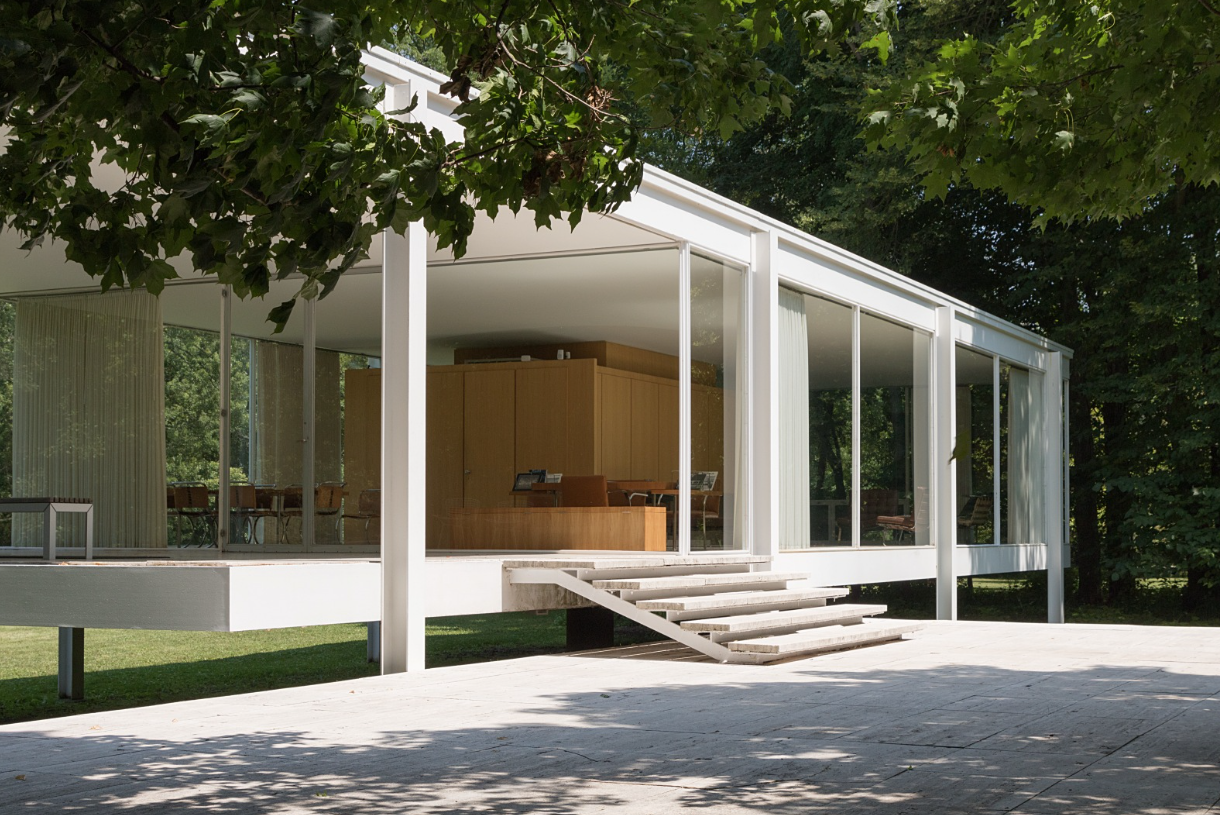
Minimalism in architecture is about distilling a space down to its essential elements—clean lines, open volumes, and restrained palettes. It avoids excess and distraction, placing emphasis on function, material authenticity, and the spatial experience. This concept is not just a visual language but a philosophical approach that values clarity, intention, and calmness. Minimalist architecture often uses light and proportion as key compositional tools, creating spaces that evoke introspection and timeless elegance.
Source: Whitemad
Tadao Ando’s Church of the Light in Osaka exemplifies this ethos with its stark concrete surfaces and a cross-shaped void that allows light to become the central design element. Likewise, Mies van der Rohe’s Farnsworth House blurs the boundary between interior and exterior through its transparency and spatial simplicity, proving that less can indeed be more.
5. Symbolic Architecture:
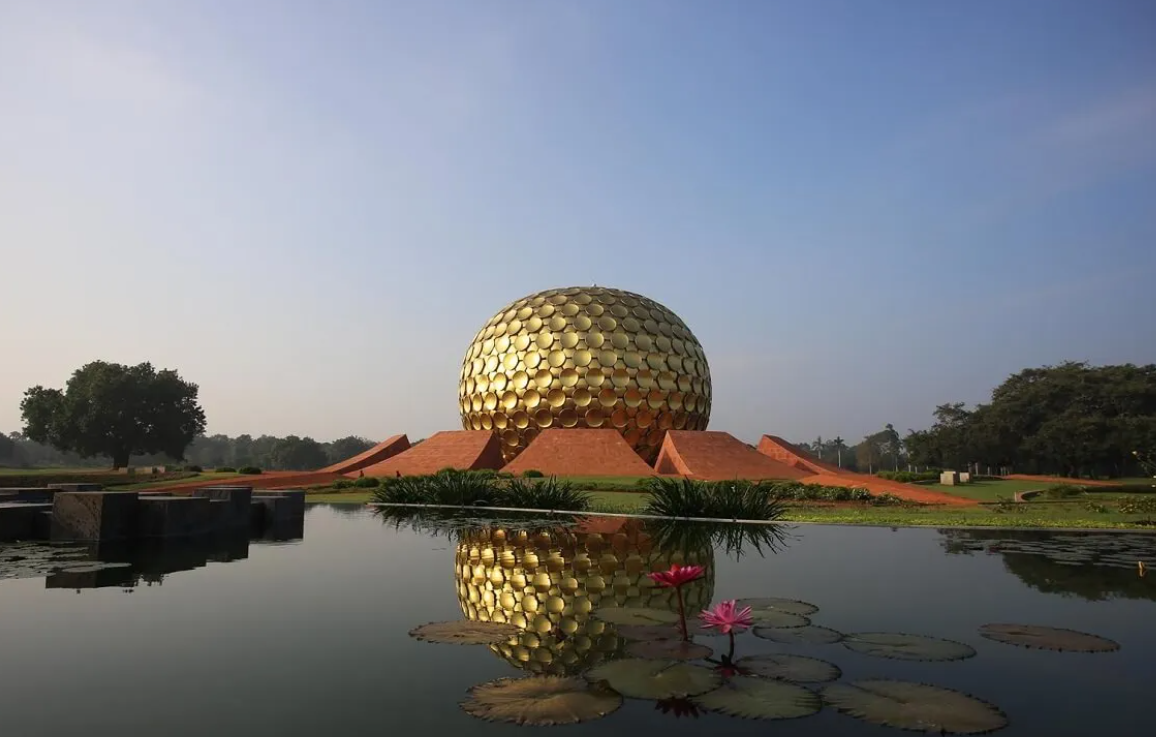
Symbolic architecture seeks to imbue built form with deeper meaning—cultural, spiritual, or philosophical. It often uses geometry, scale, form, and iconography to convey messages that resonate with collective memory or emotional experience. These structures transcend utilitarian function, aiming to inspire, provoke thought, or cultivate a sense of belonging. While symbolism can be overt or abstract, its presence lends buildings a narrative quality, connecting them to larger human stories.
Source: TuskTravel
The Matrimandir in Auroville is a prime example, where its golden geodesic dome symbolizes spiritual awakening and cosmic unity, positioned at the heart of the community as a meditative focal point. The Lotus Temple in New Delhi, inspired by the lotus flower—a symbol of purity and peace in Indian culture—uses its petal-like structure to invite introspection and spiritual openness, welcoming people of all faiths.
Kaarwan Career Counselling Helpline
Conclusion:
These five timeless architectural concepts—Form Follows Function, Biophilic Design, Vernacular Architecture, Minimalism, and Symbolism—demonstrate the enduring relevance of thoughtful, context-sensitive design. Each concept offers a lens through which architects can create spaces that are not only functional and sustainable but also emotionally resonant and culturally meaningful. As architectural practice continues to evolve, these foundational ideas remain essential guides, reminding us that the best architecture is not just about buildings—it’s about people, place, and purpose.