In the world of architecture and interior design, the use of indoor plants goes far beyond décor. Plants introduce a subtle layer of warmth, wellness, and vitality that can transform a cold space into a living, breathing habitat. The presence of greenery helps soften lines, add texture, filter the air, and create sensory balance. But not all plants are equally suited for indoor spaces—some are prized for their visual elegance, others for their resilience and minimal care.
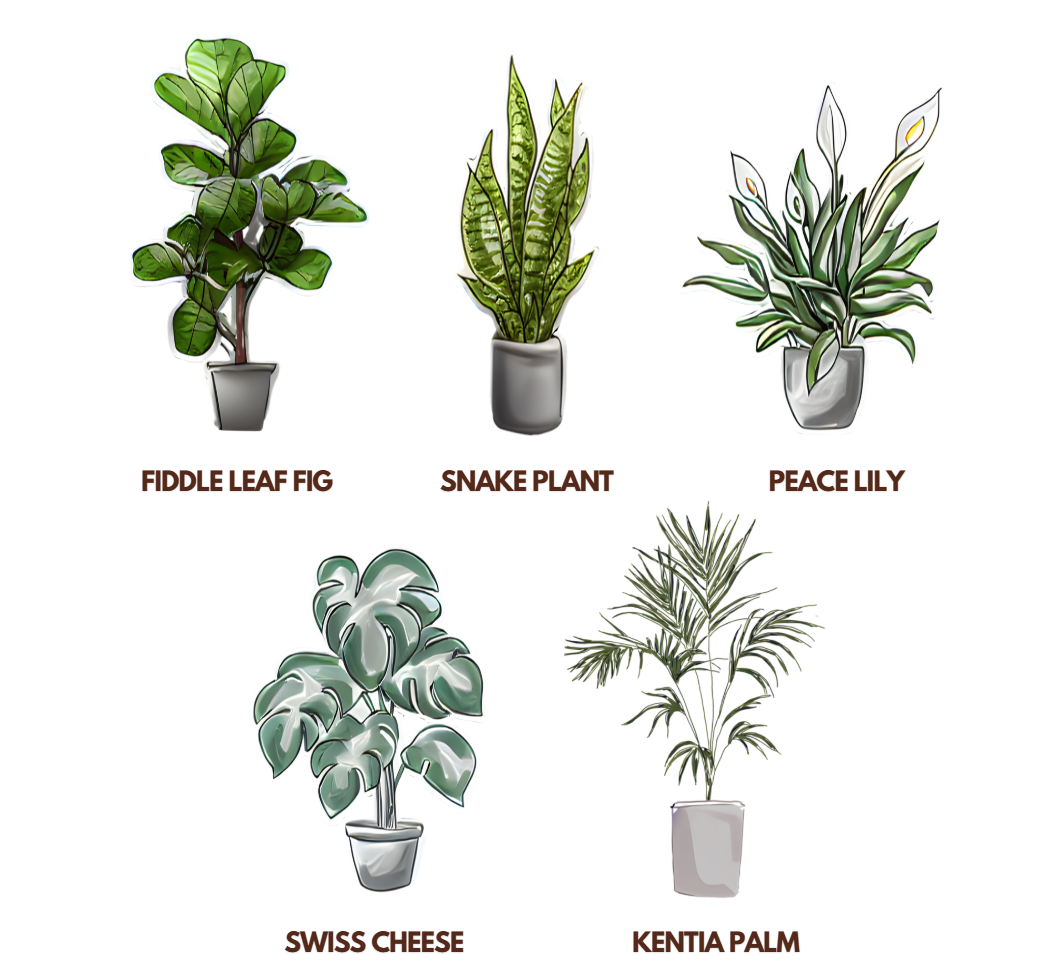
Image Credits: Shivani Chougula @Kaarwan
In this blog, we explore five popular indoor plants that architects and designers love to incorporate into their spaces, with practical tips on their care, styling, and design relevance.
1. Fiddle Leaf Fig:
Known for its large, violin-shaped leaves and upright growth, the fiddle leaf fig adds bold sculptural drama to interiors. Native to West Africa, this plant has become a favourite for modern and minimalist spaces due to its architectural form and deep green, glossy leaves. It's often placed as a statement plant in living rooms, lobbies, or beside staircases.
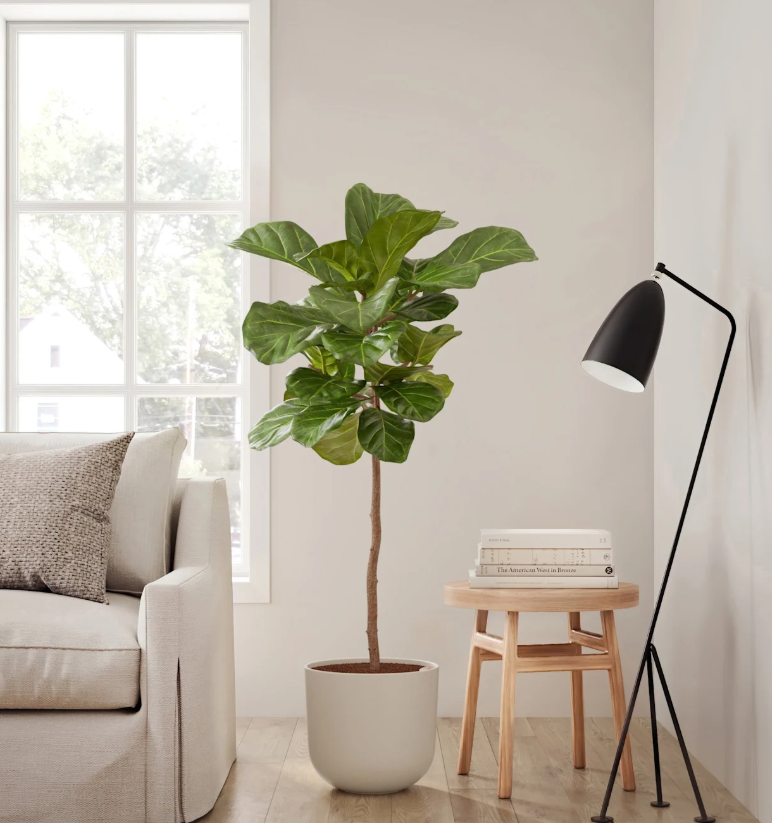
Image Credits: Easyplant.com
Fiddle leaf figs require bright, indirect light and prefer a consistent watering schedule, allowing the top soil to dry slightly between watering. They're best suited for high-ceilinged rooms or double-height spaces where their verticality can be appreciated. When styled in sleek planters, they pair beautifully with natural wood, concrete, or neutral palettes. However, they’re sensitive to temperature swings and dislike being moved around too often. With the right care, they can grow impressively tall and create a strong biophilic presence in any room.
2. Snake Plant:
The snake plant is a designer’s dream for its upright, sword-like foliage and incredibly low maintenance needs. Its tough vertical form makes it a great plant for corners, corridors, or compact apartment layouts where floor space is at a premium.
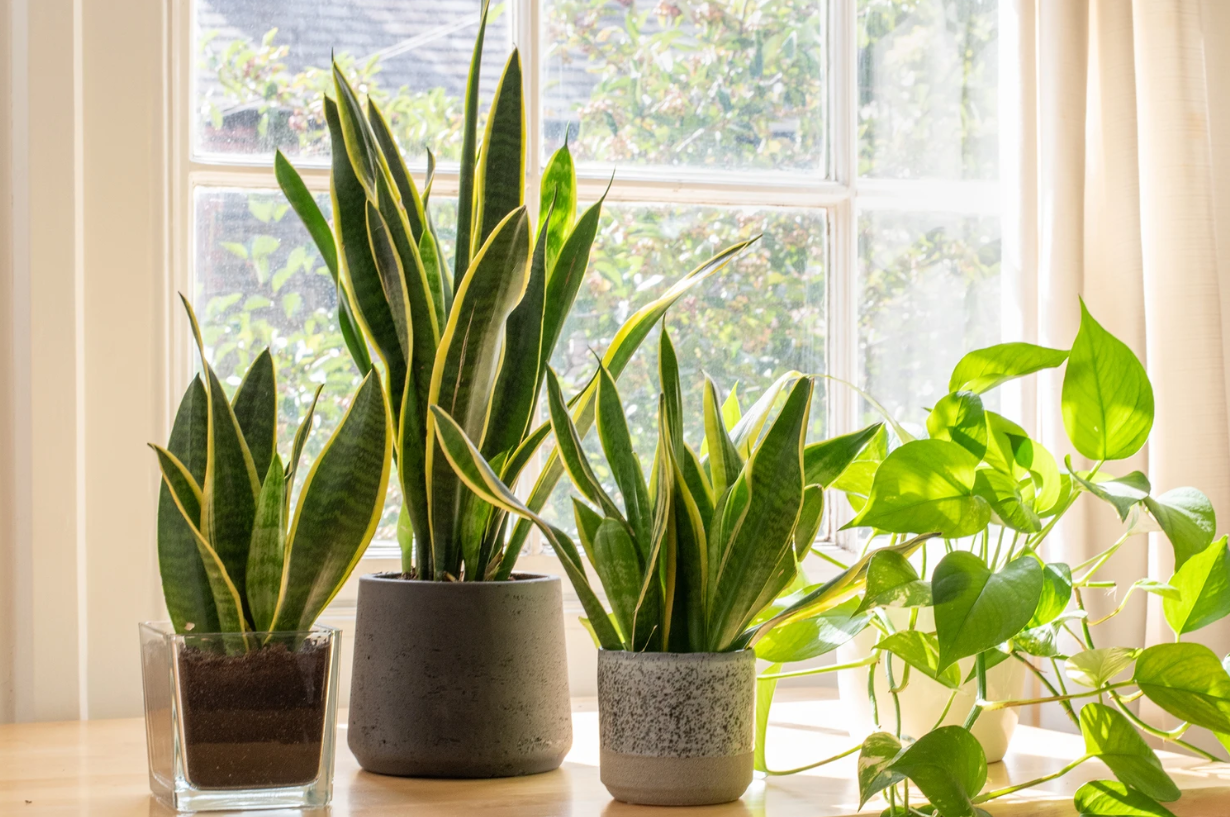
Image Credits: Gardenersworld.com
Snake plants thrive in low to bright light and require infrequent watering, making them ideal for busy homeowners or office environments. They’re also one of the best air-purifying plants, removing toxins like formaldehyde and benzene from indoor air. Its strong geometric shape pairs well with modern, industrial, or Scandinavian aesthetics. Try styling it in tall ceramic or matte metal pots for a clean, minimal look. Whether as a single pot or grouped in clusters, snake plants bring both texture and health benefits indoors.
Get a Taste of Your Favourite Design Niches, Without Breaking the Bank
3. Peace Lily:
The peace lily adds an elegant, softening touch to interiors with its glossy leaves and delicate white blooms. Known for its calming, almost meditative presence, this plant is ideal for bedrooms, libraries, or wellness spaces where tranquility is a priority.
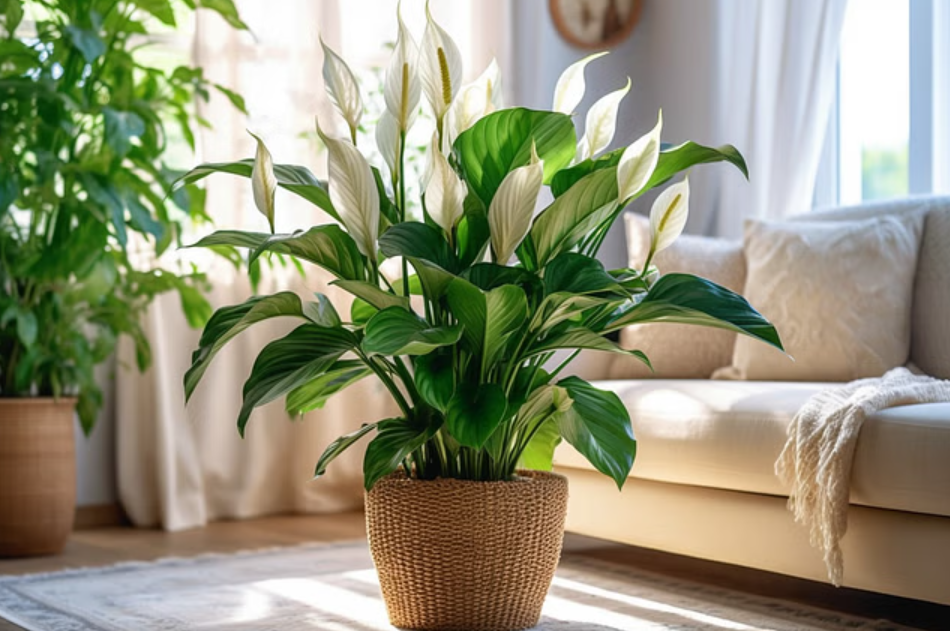
Image Credits: Francais.plantcareforbeginners.com
Peace lilies do well in medium to low light and prefer evenly moist soil without overwatering. They are excellent natural air purifiers, particularly effective against indoor pollutants. Their broad leaves also help increase humidity in dry interiors, improving indoor comfort. In terms of styling, peace lilies are versatile—they look graceful in both classic and contemporary interiors. Pair with minimalist planters or woven baskets for a cozy, lived-in look. Their quiet beauty works best in intimate or personal spaces.
4. Swiss Cheese Plant:
Famed for its striking fenestrated leaves, the Swiss cheese plant adds bold visual interest and a tropical vibe to interiors. Originating from Central America, its oversized split leaves bring an organic, sculptural quality that livens up plain walls or dull corners.
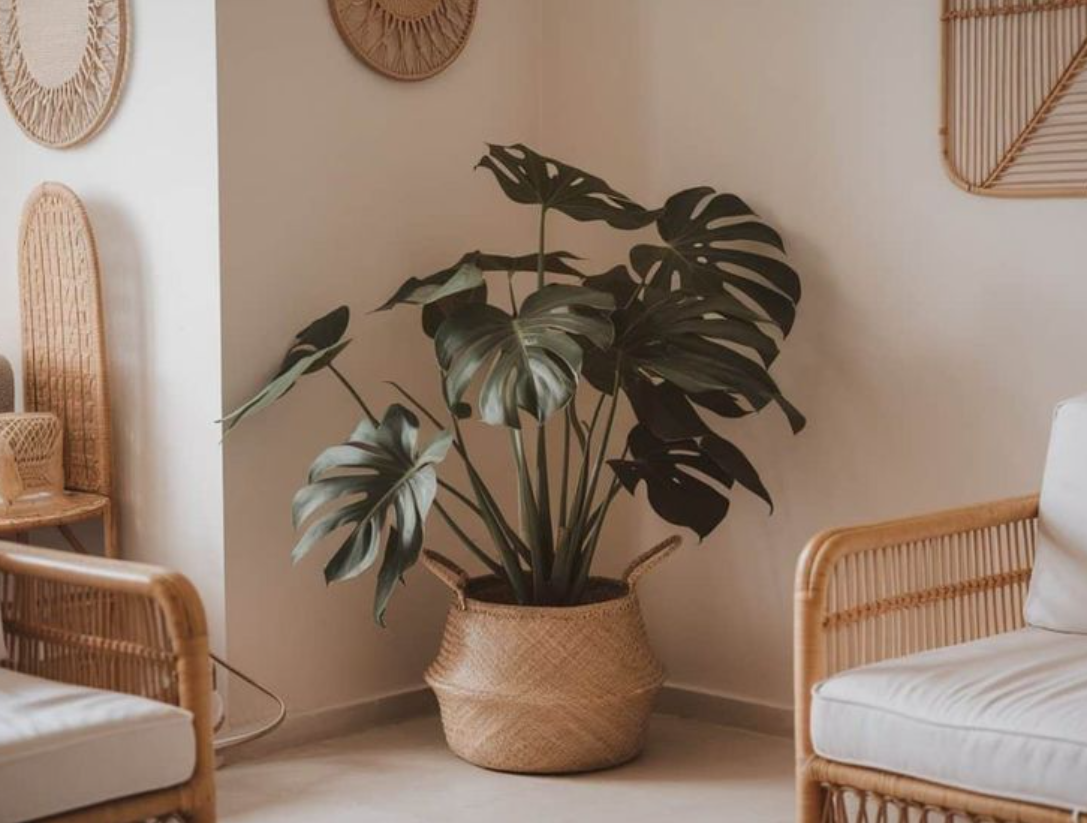
Image Credits: Homedecorbliss.com
Monstera thrives in bright, indirect light and requires moderate watering—too much moisture can lead to root rot. With proper care, it grows rapidly and can be trained to climb or trail, making it a versatile design element. Its jungle-like character works beautifully in eclectic, bohemian, or tropical-inspired interiors. It’s often placed in living rooms, creative studios, or sunlit stair landings. To emphasise its form, use minimalist planters or let it cascade from hanging pots. Monstera doesn’t just add greenery—it makes a bold design statement.
5. Kentia Palm:
Kentia palms are graceful, arching palms that exude a subtle luxury and old-world charm. Native to Lord Howe Island, these palms are prized in architecture for their soft, feathery fronds and ability to thrive indoors with minimal light.
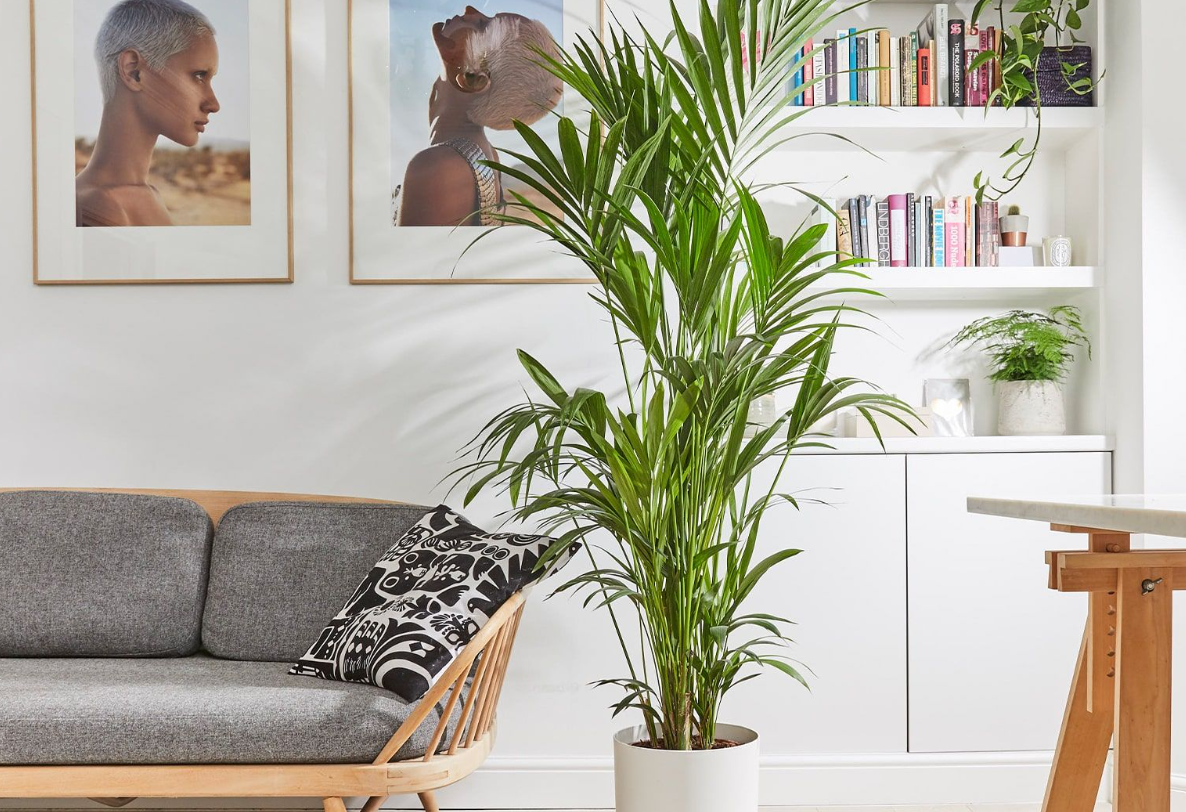
Image Credits: Patchplants.com
They tolerate low-light conditions better than most palms and are relatively drought-resistant, needing only occasional watering. Their upright yet relaxed growth makes them suitable for corners of lounges, workspaces, or transitional zones like foyers. They pair well with both vintage and modern styles, and their slow growth means they maintain a tidy form over time. Use them to soften harsh lines or break up large open-plan layouts with a touch of nature. Kentia palms also improve air quality and add a calming tropical ambiance to any room.
Conclusion:
Indoor plants do more than just beautify spaces—they shape moods, regulate air quality, soften acoustics, and connect us to nature in deeply meaningful ways. Whether you're working with a clean modern interior or a rustic adaptive reuse project, the right plant can introduce both balance and character. These five versatile species—each with their own strengths—are ideal allies in creating healthier, more welcoming architectural environments.
So next time you design a space, remember: a little green goes a long way. And if you’re keen to visualise your ideas with clarity and confidence, here are some workshops to help you bring your spaces—and your career—to life:
Explore brochures on Kaarwan’s curated courses:
- Visualisation & Rendering Course – for realistic design storytelling
- SketchUp & Lumion Modelling Workshop – model and render beautiful interior views
- 2-Day V-Ray Rendering Masterclass – polish your lighting, textures, and final output
- Interior Styling & Decoration Workshop – Get industry-ready by learning to curate client proposals, BOQs, mood boards, and a complete set of construction drawings. Master SketchUp modelling, Lumion, and 3ds Max to step confidently into a studio-ready role.
At Kaarwan, we aim to empower design professionals to upskill with purpose, stay industry-relevant, and confidently claim their space in the world of design.