Introduction :
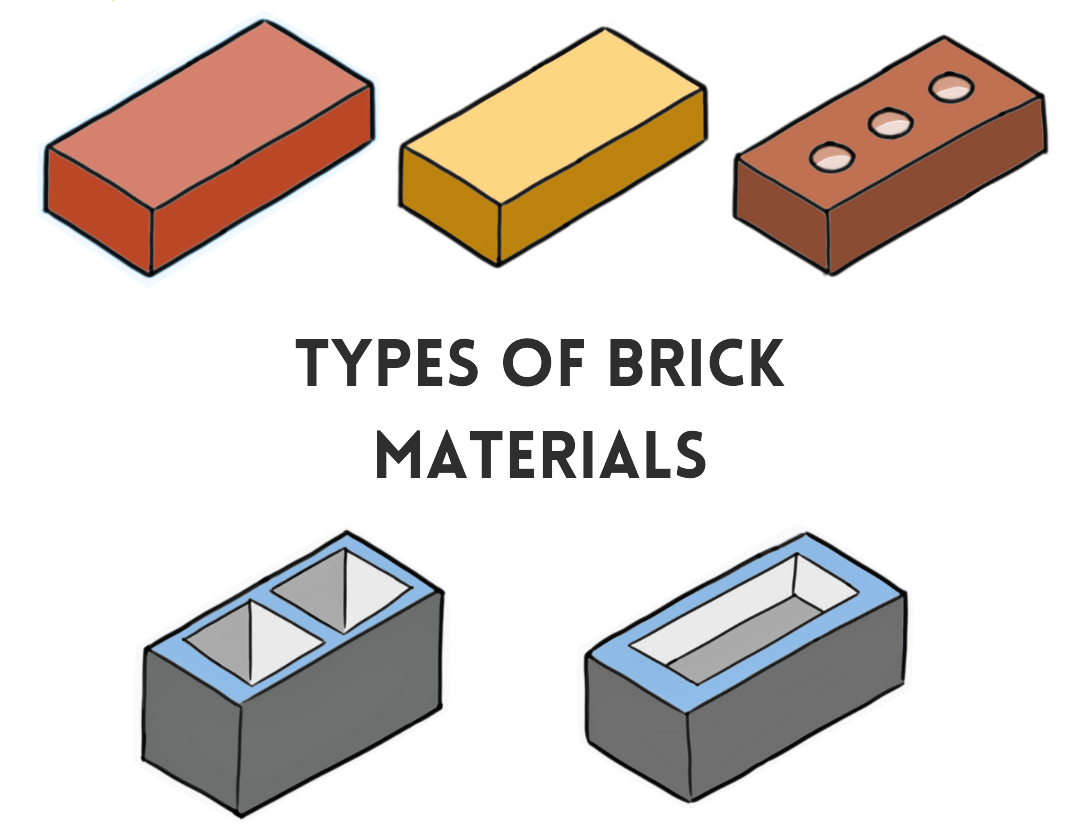
Image Credit: Shivani Chougula @Kaarwan
Bricks have been a fundamental building material for centuries, evolving with technology and construction needs. While traditionally made from clay, modern bricks incorporate a variety of materials such as sand-lime, fly ash, and concrete to enhance strength, durability, and performance. The choice of brick depends on factors like structural load, environmental conditions, and aesthetic requirements. Understanding the different types of bricks and their applications helps in selecting the most suitable material for construction.
1. Burnt Clay Bricks :
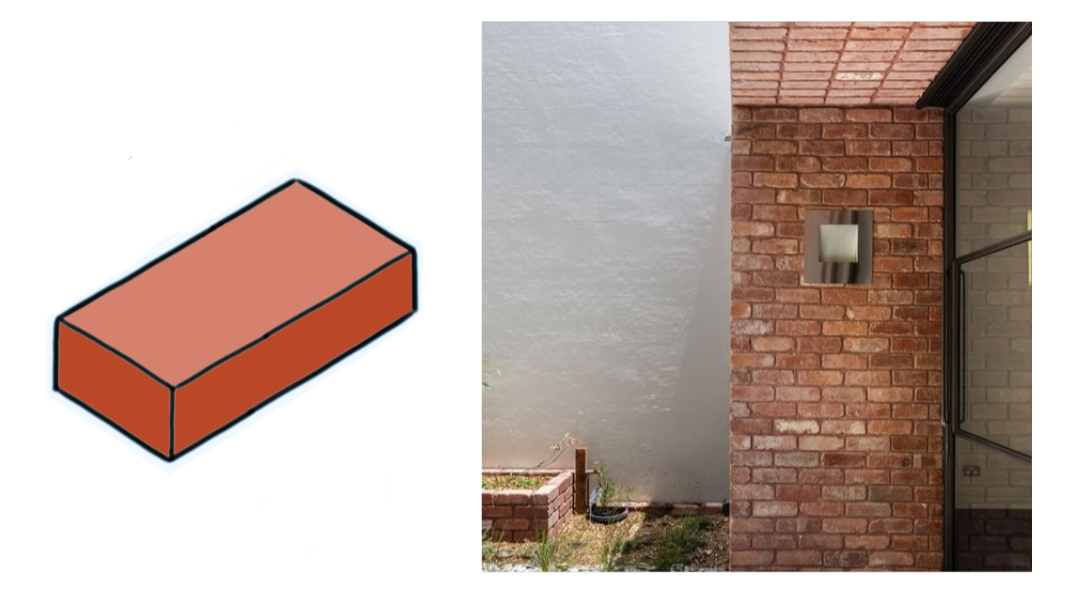
Burnt clay bricks are the most widely used bricks in construction, made by molding clay and firing it in kilns at high temperatures. They are known for their strength, durability, and traditional red appearance. The manufacturing process involves collecting natural clay, mixing it with water, and shaping it into molds. The bricks are then sun-dried before being fired in kilns at temperatures between 900-1,200°C, which determines their final strength and color variations.
These bricks typically come in standard modular sizes of 190mm x 90mm x 90mm or non-modular sizes of 230mm x 110mm x 75mm. They are commonly used for load-bearing and non-load-bearing walls, partitions, and facades in residential, commercial, and heritage structures. Their high durability makes them a preferred choice for traditional masonry construction.
Advantages -
- Highly durable and long-lasting
- Fire-resistant and provides good thermal insulation
- Offers a traditional aesthetic appeal
Disadvantages -
- Absorbs water, leading to efflorescence
- Requires plastering or finishing for a refined look
- Heavier than other brick types, increasing construction load
2. Sand-Lime Bricks :
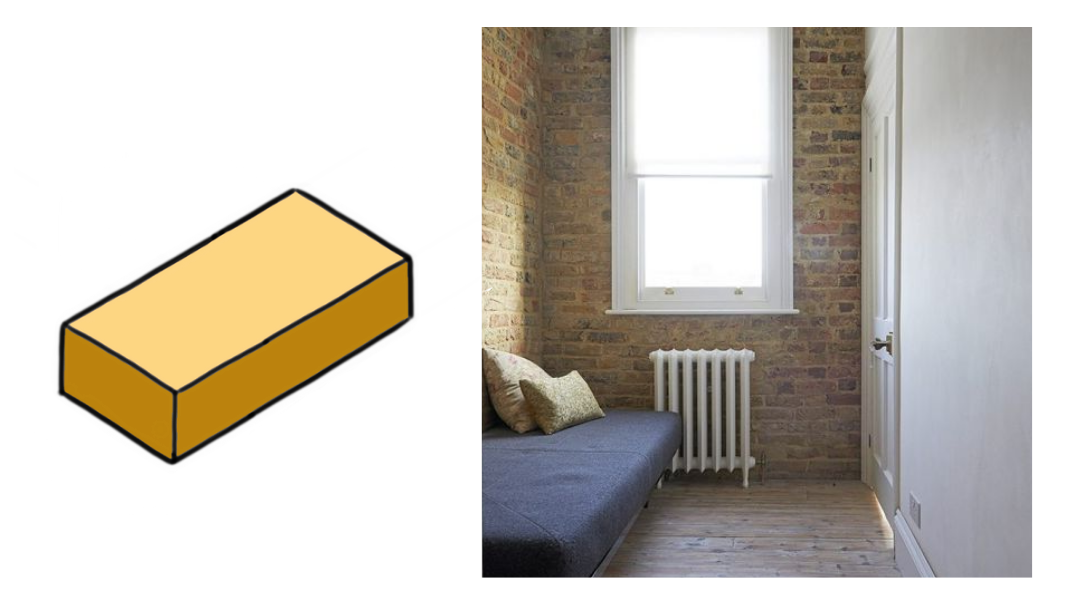
Sand-lime bricks are made from a mixture of sand, lime, and water, hardened under steam pressure. They are recognized for their uniform shape, smooth texture, and high strength. The manufacturing process involves molding a mix of 90% sand and 10% lime, followed by high-pressure steam curing (autoclaving). This chemical reaction binds the materials together, making them stronger and more water-resistant than traditional clay bricks.
Typically, these bricks are available in standard sizes of 200mm x 100mm x 100mm. Their higher compressive strength makes them ideal for multi-story buildings, load-bearing walls, and masonry structures. They are widely used in industrial, commercial, and residential projects where precision and moisture resistance are priorities.
Advantages -
- High strength with uniform shape for precise masonry work
- Resistant to moisture and efflorescence
- Superior sound and thermal insulation
Disadvantages -
- Less fire-resistant compared to clay bricks
- Brittle and prone to cracking under sudden loads
- Requires special curing, increasing production costs
3. Engineering Bricks :
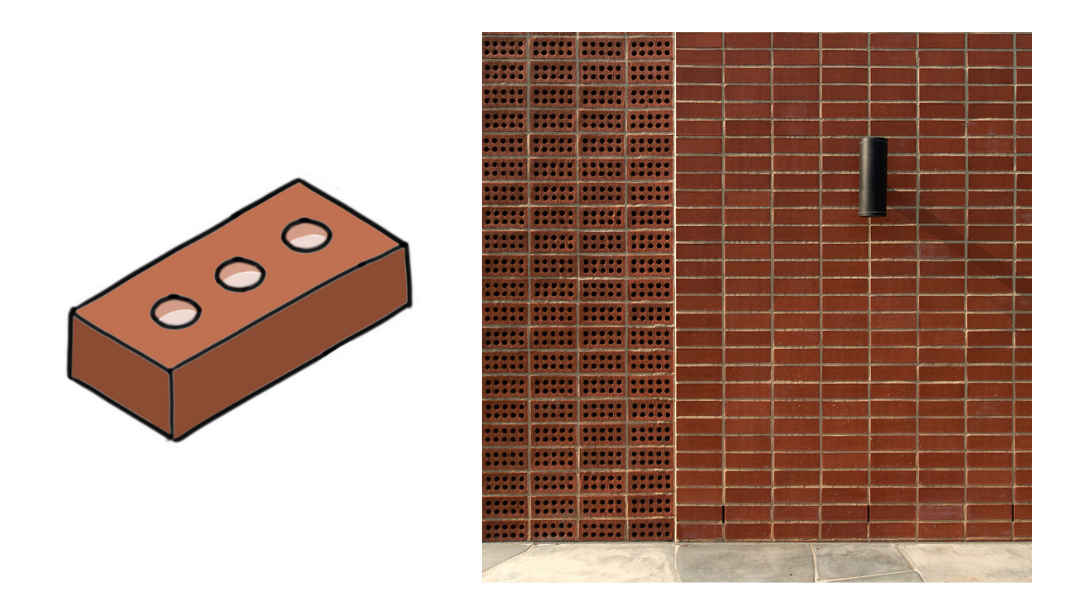
Engineering bricks are high-strength, low-porosity bricks used in structures that demand extreme durability and moisture resistance. Unlike regular bricks, they undergo high-temperature firing to enhance density and strength.
The standard size of engineering bricks is typically 215mm x 102.5mm x 65mm. Due to their exceptional strength, they are used in foundations, retaining walls, damp-proof courses, and heavy-load structures. They are commonly found in infrastructure projects such as bridges and tunnels, where durability is a primary concern.
Advantages -
- High compressive strength and durability
- Excellent resistance to water absorption and frost damage
- Suitable for heavy-load structures and infrastructure projects
Disadvantages -
- More expensive than conventional bricks
- Limited aesthetic appeal for exposed walls
4. Fly Ash Bricks :
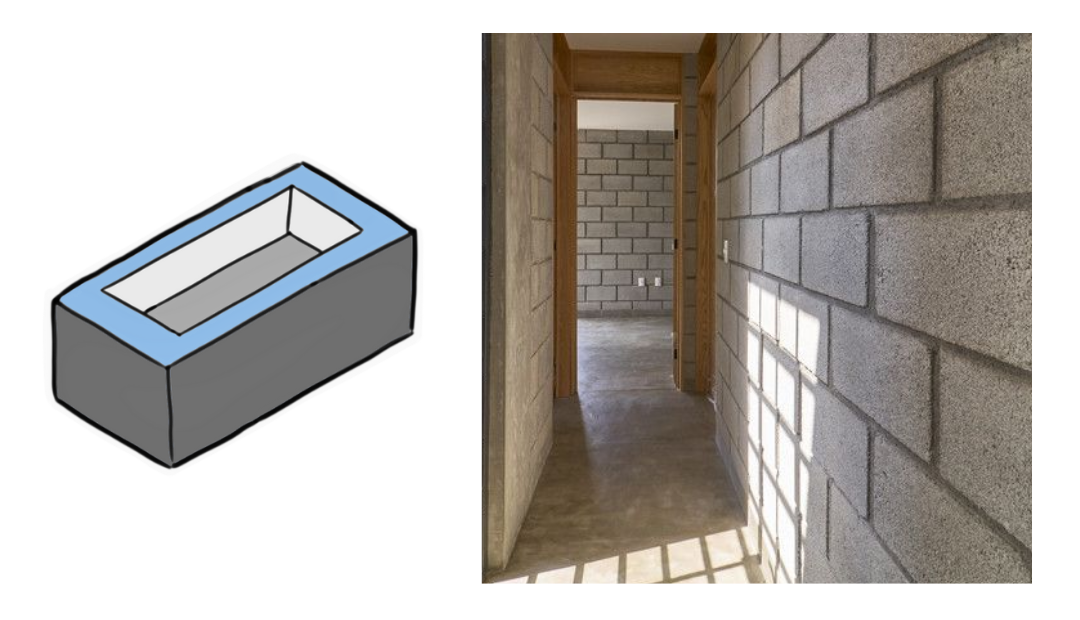
Fly ash bricks are an eco-friendly alternative to traditional clay bricks, made from fly ash, cement, and sand. They are lightweight, durable, and commonly used in modern construction. The manufacturing process involves mixing fly ash, which is a byproduct of coal combustion, with cement, sand, and water, followed by compression molding and steam curing.
These bricks are usually produced in sizes of 230mm x 110mm x 70mm, similar to modular clay bricks. Their high compressive strength makes them suitable for multi-story buildings, high-rise structures, and sustainable architecture. They are widely used in residential, commercial, and eco-friendly projects due to their energy efficiency and reduced environmental impact.
Advantages -
- Lightweight, reducing dead load on structures
- Eco-friendly, made from industrial waste
- High thermal insulation, reducing energy costs
Disadvantages -
- Brittle and requires careful handling
- Lower aesthetic appeal unless plastered
5. Concrete Blocks :
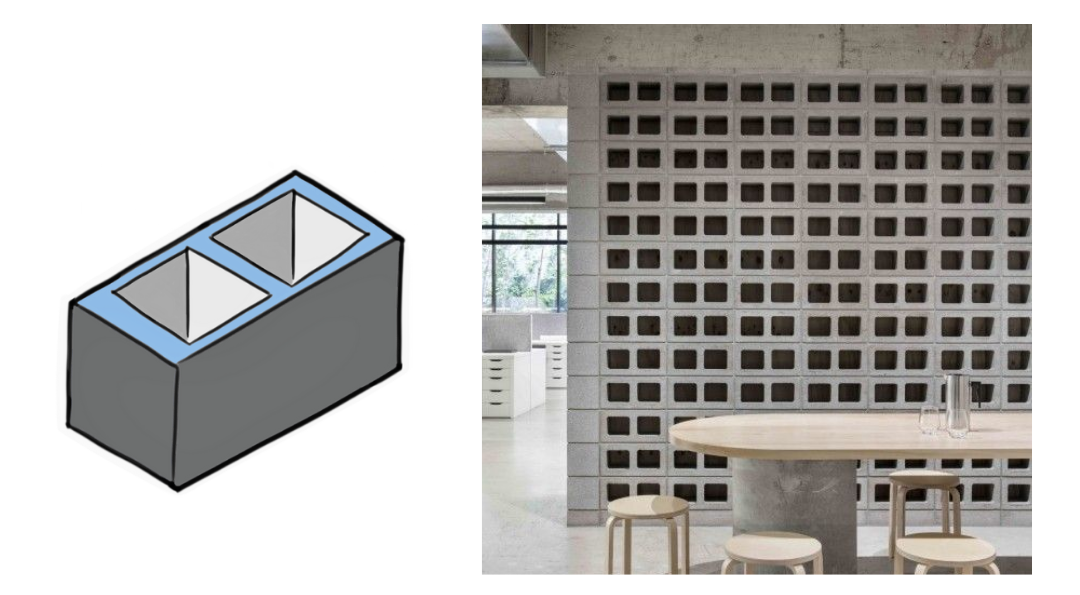
Concrete blocks, commonly known as hollow bricks, are large-sized bricks made from cement, sand, and aggregates. They come in different forms, including hollow, solid, and interlocking types, making them highly versatile for various construction applications. The manufacturing process involves pouring a mixture of cement, sand, and gravel into molds, followed by curing to achieve strength.
These blocks are larger than traditional bricks, with standard sizes of 400mm x 200mm x 200mm for hollow blocks. Ideal for high-rise buildings, partition walls, and lightweight construction. Due to their fast assembly and thermal insulation properties, they are extensively used in commercial and industrial buildings.
Advantages -
- Faster construction with fewer joints
- High strength with excellent fire resistance
- Provides sound insulation and thermal efficiency
Disadvantages -
- Requires additional surface finishes
- Lower load-bearing capacity compared to engineering bricks
Conclusion :
Choosing the right brick material depends on the structural requirements, environmental conditions, and project needs. Burnt clay bricks remain a preferred choice for traditional masonry, while engineering bricks provide high strength for heavy-load applications. Sand-lime bricks offer precision and durability, whereas fly ash bricks present an eco-friendly alternative with thermal efficiency. Concrete blocks allow for rapid and cost-effective construction. Understanding these options ensures better decision-making in architectural and construction projects.
These were some interesting insights about various Brick Materials in Architecture. Stay tuned for more information on other significant topics in the AEC industry and follow Kaarwan for such detailed guides!