In the world of interior decoration, accessories are the finishing touches that bring rooms to life. They add personality, color, and unique appeal to any space, transforming rooms into inviting and memorable settings. Thoughtful accessorizing can elevate interior design, creating balance, contrast, and visual interest in each room. This guide will walk through key techniques for selecting and styling accessories to make any interior space come together beautifully.
1. Key Principles of Accessorizing
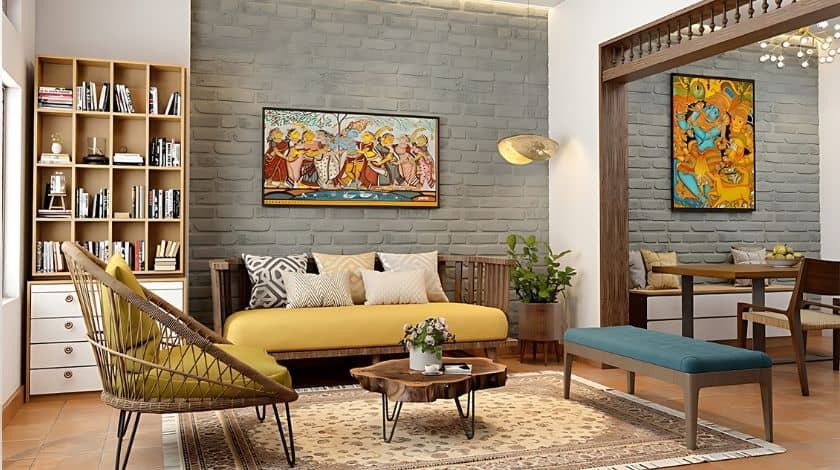
Accessorizing involves more than just placing objects around a room. Key design principles such as proportion, scale, and balance are essential in choosing and positioning decor items. Additionally, unifying color palettes, textures, and themes within a space helps create harmony, ensuring each element complements the overall style rather than clashing with it.
2. Types of Accessories for Every Room
Each room has specific needs and focal points, which means accessories should be tailored to suit the function and aesthetic of the space. Living rooms often benefit from statement pieces like art or unique sculptures, while bedrooms may focus on soft furnishings like blankets and throw pillows. Kitchens and bathrooms need functional items like storage containers or plants that add style without sacrificing utility.
3. Wall Decor for Living Rooms
Wall decor can set the tone for a living room. Large pieces of art make a bold statement, while smaller frames can create a gallery wall for a more eclectic vibe. Mirrors not only enhance light and space but also add elegance. Floating shelves offer a versatile way to showcase smaller pieces, creating a dynamic look that changes as you swap out decor.
4. Styling with Textiles
Textiles such as throw pillows, rugs, and curtains provide warmth and color. Layering textiles with different textures, like a velvet cushion paired with a woven throw, adds depth. Additionally, color contrasts can make accessories stand out, giving life to neutral or minimalist settings.
5. Kitchen Interior Design Accents
In the kitchen, accessories should be both decorative and practical. Items like ceramic jars, plants, and hanging pots bring charm without cluttering the workspace. Open shelving can display cookware, glassware, and spices in a way that adds character, while a few well-chosen pieces can complement the room's style.
6. Living Room Accessories & Styling
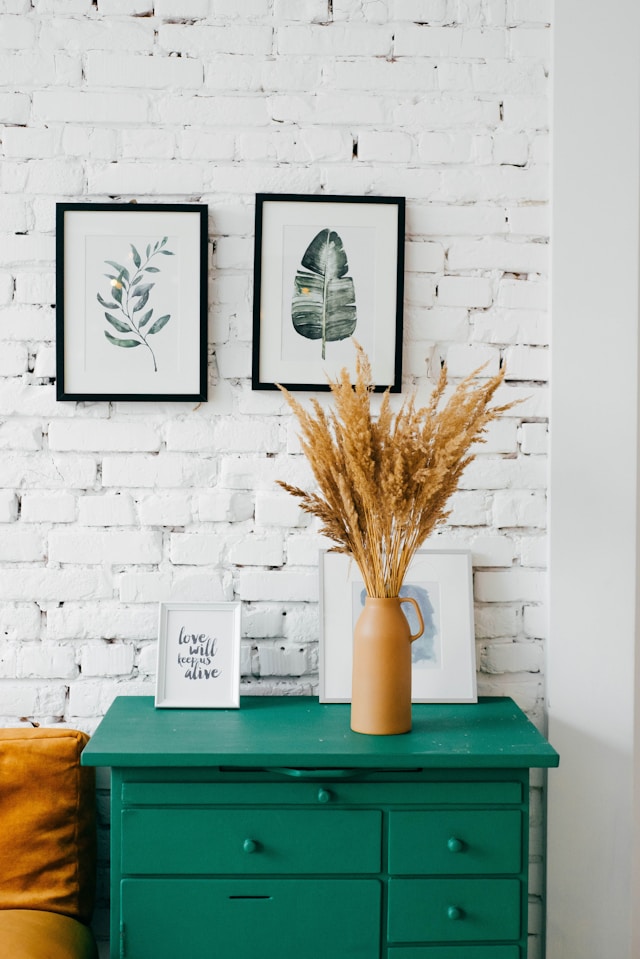
In the living room, small decorative items such as vases, books, and bowls can be styled on coffee tables or side tables to add interest. Arranging items in groups of three or five creates a visually pleasing effect, while varying heights and textures prevent a cluttered look.
7. Bedroom Styling Techniques
Bedrooms benefit from cozy touches that enhance relaxation. Accessories like candles, lamps, and cushions add warmth and softness. Styling bedside tables with a small stack of books, a lamp, and a decorative item creates a balanced look that is both functional and attractive.
8. Bathroom Accessorizing
Bathrooms can be made more welcoming by adding accessories like baskets, trays, and stylish dispensers. Adding greenery through plants or floral arrangements enhances the atmosphere, while artwork brings a touch of elegance.
9. Styling Shelves and Bookcases
Shelving is a great way to showcase personal items, books, and decorative pieces. Balance is key—group books with decorative items like sculptures or small plants. Alternating between stacked and upright book arrangements creates visual variety.
10. Importance of Lighting in Styling
Lighting enhances decor by drawing attention to specific areas and creating ambiance. Table lamps, floor lamps, and accent lighting can highlight accessories, add warmth, and improve functionality. Thoughtful lighting choices also allow for flexibility, transforming the atmosphere in a room based on the time of day or occasion.
11. Seasonal Styling Ideas
Changing decor based on seasons can bring freshness to any space. For example, adding warm-colored accents and soft textures in the fall or vibrant floral arrangements in spring keeps the design dynamic. Seasonal changes keep the space interesting and relevant.
12. Minimalist vs. Maximalist Styling
Minimalism and maximalism represent two contrasting styles in interior design. Minimalist decor focuses on simplicity, selecting only a few impactful pieces, while maximalism involves layering multiple elements to create a rich, lively look. Finding the right balance depends on personal preference and the room's purpose.
13. Tips for Personalizing Your Space
Personal items like travel souvenirs, family photos, or unique collectibles bring warmth and character to a space. They serve as conversation starters and add sentimental value, making the space truly feel like home.
14. Sustainable Accessories
Choosing sustainable accessories, like eco-friendly materials and locally sourced decor, supports a greener lifestyle. Products made from recycled or organic materials are better for the environment and bring a unique, earthy quality to interior spaces.
15. Mistakes to Avoid
Overcrowding is one of the most common mistakes in accessorizing. While decor items add personality, too many can make a space feel cluttered. Choosing items that lack cohesion can also disrupt the design flow, so select pieces with purpose and unity.
Conclusion and Final Tips
Accessorizing is a powerful way to transform an interior, bringing style, warmth, and personality into each room. By choosing decor items that reflect your taste, considering function, and maintaining balance, any space can feel cohesive, welcoming, and vibrant. Remember that less is often more; carefully selected items can speak volumes, making your home a true reflection of you.
The future of architecture is bright, but are your skills keeping pace? Kaarwan's architecture-specific courses provide you with the knowledge and tools to confidently navigate the AEC industry. Gain valuable insights, master in-demand software, and stand out with designs that impress!
FAQs
1. What accessories are essential for living rooms?
Key accessories for living rooms include throw pillows, rugs, wall art, and decorative vases or bowls for coffee tables.
2. How can I make my bedroom cozier?
Adding layered textiles like blankets and cushions, soft lighting, and personal items on nightstands can enhance coziness.
3. What are some sustainable decor options?
Look for accessories made from recycled materials, organic textiles, and items crafted by local artisans.
4. How do I choose the right wall decor?
Choose pieces that reflect your personality and match the room's color palette. Consider the size of the wall and surrounding decor.
5. What’s the difference between minimalist and maximalist styling?
Minimalism uses fewer, carefully selected pieces for a clean look, while maximalism embraces variety and layered decor.
6.How often should I change accessories?
There’s no set rule, but rotating accessories seasonally or annually can refresh the space without a full redesign.