Adaptive architecture is more than a design philosophy; It is a bridge between modern functionality and traditional aesthetics. India faces a unique challenge: preserving its historical marvels while catering to the demands of urbanization. Enter technologies like Building Information Modeling (BIM), 3D scanning, and parametric design, which are revolutionizing heritage conservation and adaptive reuse.
As Charles Correa aptly said, “Architecture is the expression of values.” Adaptive architecture embodies this by valuing cultural identity while embracing innovation. In this blog, we’ll explore India’s architectural legacy, the role of cutting-edge technologies, and inspiring examples where heritage and modernity seamlessly intertwine.
India’s Architectural Legacy and Modern Challenges
India’s built heritage reflects centuries of craftsmanship and cultural diversity, from the intricate jaalis of Mughal architecture to the utilitarian brilliance of stepwells. Each structure tells a story. However, urbanization, climate change, and neglect threaten this legacy, putting the built environment at risk.
Today, the question is how to preserve historical authenticity while making heritage structures adaptable to modern needs. For instance, how can a centuries-old haveli transform into an eco-friendly boutique hotel without compromising its soul? Adaptive architecture provides solutions, integrating preservation with progress. This ensures such spaces remain functional, sustainable, and culturally significant, embodying responsive architecture tailored to user needs.
Integrating New Technologies with Historical Context
Digital Tools in Conservation
Emerging digital technologies like 3D scanning, drones, and BIM have redefined how we approach restoration. These tools create precise digital replicas, enabling architects to analyze the structural integrity of heritage buildings, identify vulnerabilities, and optimize restoration plans.
For example, the Hawa Mahal in Jaipur underwent a successful facelift using 3D scanning. This technology provided a detailed blueprint of the façade, allowing for accurate restoration while maintaining its historical charm. Similarly, drones have documented remote stepwells in Gujarat, reviving forgotten treasures and emphasizing the significance of environmental challenges in architectural restoration.
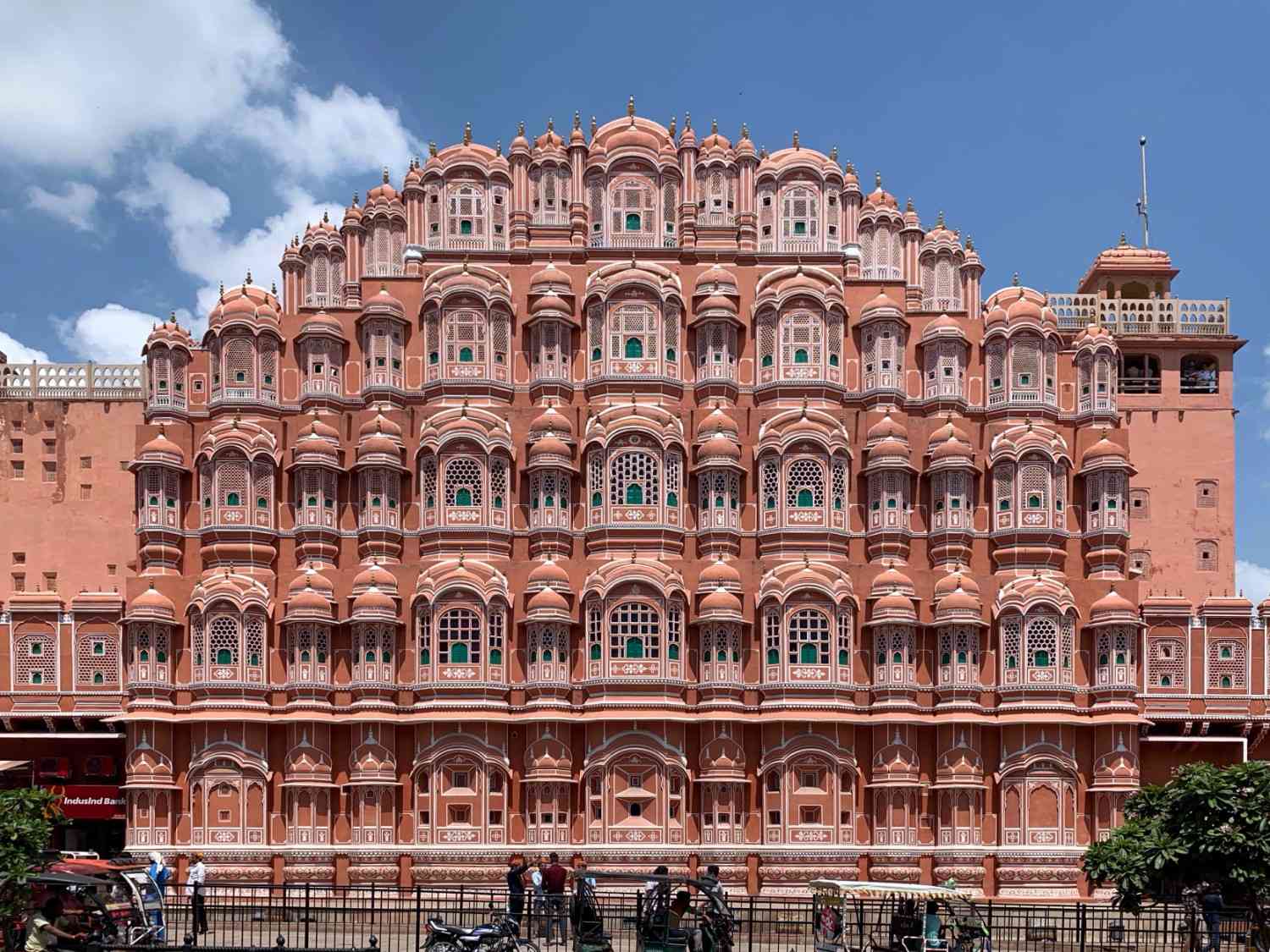
Hawa Mahal, Image Source: Wikipedia
Parametric Design and Modern Adaptation
Parametric design has revolutionized the design process by blending India’s traditional aesthetics with contemporary needs. This framework employs algorithms to reinterpret historical elements like jaali patterns, temple spires, and stepwell structures, ensuring they adapt to changing requirements.
A modern office building in Bangalore exemplifies parametric architecture. Its jaali-inspired facades not only pay homage to traditional craftsmanship but also act as energy-efficient building envelopes, reducing heat gain and enhancing ventilation. This approach demonstrates how adaptive architecture responds dynamically to environmental conditions.
Smart Materials and Sustainability
Smart materials like self-healing concrete and eco-friendly composites are transforming adaptive reuse projects, offering solutions to environmental challenges. Haveli Dharampura in Delhi showcases this trend by merging traditional craftsmanship with modern green technologies. Locally sourced materials and sustainable practices have redefined this haveli, turning it into a cultural landmark that respects its historical context.
Case Studies: Successful Blends of Technology and Heritage
Chhatrapati Shivaji Terminus (CST), Mumbai
A UNESCO World Heritage Site, CST combines Victorian Gothic grandeur with modern advancements. Recent upgrades have incorporated IoT and smart systems for crowd management, optimizing energy use while ensuring the station remains a vital part of the built environment. This demonstrates how adaptive architecture involves designing buildings that accommodate technological evolution while respecting their historical essence.
Revitalization of Ahmedabad’s Textile Mills
Ahmedabad’s textile mills, once symbols of industrial progress, are now thriving cultural hubs thanks to adaptive reuse. Advanced imaging techniques have repurposed these mills into museums and co-working spaces, preserving their industrial aesthetic. This initiative has revitalized the local economy and highlighted how adaptive reuse aligns with the principles of a circular economy in construction.
Revival of Gujarat’s Stepwells
Gujarat’s stepwells, designed for water conservation, are architectural marvels now undergoing restoration with advanced imaging and conservation tools. These efforts have not only prevented their demolition but also transformed them into tourism hotspots, showcasing sustainable water management and social interaction through adaptive rather than static design.
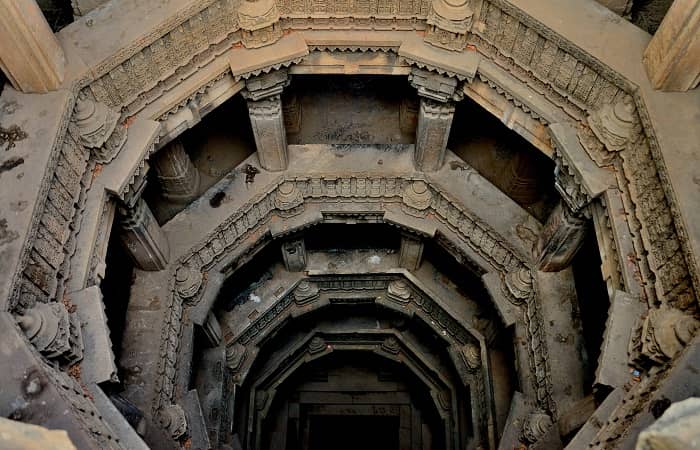
Dada Harir Stepwell, Image Source: Namaste India Trip
Benefits of Adaptive Architecture
Adaptive architecture offers numerous benefits:
- Cultural Preservation: Historical structures retain their identity while serving contemporary purposes.
- Environmental Sustainability: Reusing existing structures minimizes resource consumption and carbon emissions.
- Community Strengthening: Preserving local landmarks fosters a sense of belonging and pride, reinforcing social identity within the built environment.
Challenges and Ethical Considerations
Despite its advantages, adaptive architecture faces challenges. Striking a balance between technological innovation and historical authenticity can be complex. Over-commercialization risks eroding the cultural significance of heritage sites. Moreover, adaptive architecture requires interdisciplinary collaboration, involving architects, technologists, historians, and local communities to inform the design process ethically.
Architectural evolution must ensure respect for the historical narrative, avoiding commodification. Adaptive architecture is a long-term process that celebrates cultural heritage while addressing environmental factors and social needs.
The Role of Responsive Systems in Adaptive Architecture
Adaptive buildings rely on responsive systems to accommodate changing environmental conditions and user needs. For example, dynamic facades with panels that open and close adjust to climatic changes, enhancing occupant comfort and reducing energy use. These flexible design elements exemplify how adaptive architecture optimizes the life cycle of buildings by reducing the need for demolition and rebuilding.
The capacity of a building to adapt reflects shifting mindsets towards sustainable development, emphasizing adaptability over permanence. This adaptive framework demonstrates how architecture responds to constantly changing environments, aligning with contemporary practice while preserving historical integrity.
Future Trends in Adaptive Architecture
As environmental changes and urban challenges persist, adaptive architecture will continue evolving. Trends include:
- Increased Use of Smart Materials: Materials like phase-change composites and energy-efficient glazing will further reduce environmental impact.
- Integration of IoT: Smart systems in adaptive buildings will enhance occupant comfort and optimize building energy performance.
- Expanding Parametric Design: Parametric frameworks will explore new ways to blend tradition with innovation, informing design strategies for responsive architecture.
These advancements will redefine adaptive architecture as a dynamic process that incorporates architectural design, environmental conditions, and user interaction.
Conclusion: Embracing the Future While Honoring the Past
Adaptive architecture is India’s answer to balancing heritage preservation with urbanization. It demonstrates that modernization doesn’t have to come at the expense of history. By integrating advanced technologies and adaptable building techniques, architects are transforming the way we interact with our built environment.
As we move forward, it’s essential to remember: “By blending technology with tradition, we’re not just preserving history but redefining the way we live alongside it.” Adaptive architecture embodies this philosophy, creating spaces that honor cultural heritage while meeting contemporary needs.
In a constantly changing world, adaptive architecture is more than a methodology; it is a movement that respects history, fosters innovation, and builds a sustainable future. Through thoughtful design, technological advancements, and ethical practices, we can ensure that India’s architectural legacy continues to inspire generations to come.
Adaptive architecture is not just about preserving the past—it’s about adapting to the present and preparing for the future, making it a cornerstone of modern architectural evolution.
The future of architecture is bright, but are your skills keeping pace? Kaarwan's architecture-specific courses provide you with the knowledge and tools to confidently navigate the AEC industry. Gain valuable insights, master in-demand software, and stand out with designs that impress!
FAQs
1. What is adaptive architecture?
Adaptive architecture designs buildings to respond to environmental conditions, user needs, and technological advancements, preserving functionality and sustainability.
2. How does adaptive architecture preserve heritage?
By integrating technologies like BIM, 3D scanning, and drones, adaptive architecture modernizes heritage structures while retaining historical authenticity.
3. What are examples of adaptive reuse in India?
Haveli Dharampura, Ahmedabad’s textile mills, and Gujarat’s stepwells showcase successful adaptive reuse projects that merge heritage preservation with modern functionality.
4. How do smart materials enhance adaptive architecture?
Smart materials like self-healing concrete improve durability, sustainability, and efficiency, ensuring adaptive reuse projects meet modern environmental standards.
5. Why is adaptive architecture important for sustainability?
It minimizes resource use by reusing structures, reducing carbon emissions, and preserving cultural landmarks, aligning with sustainable development goals.