

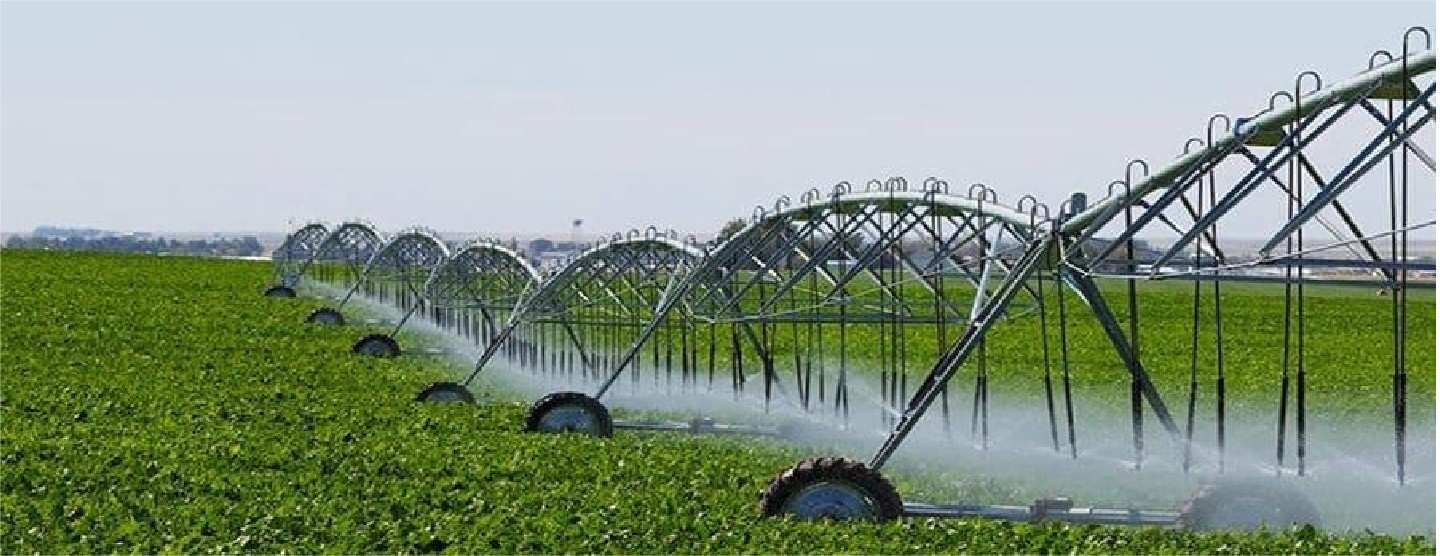
Where Architecture Meets the Field
For centuries, farming and architecture have coexisted quietly. Farmers built barns, granaries, and irrigation systems long before professional architects came into the picture. Today, however, the conversation has shifted. With rapid urbanisation, climate change, and mounting pressures on food security, architects are beginning to ask: how can design actively support farming communities?
This intersection, often referred to as agritecture, blends agricultural needs with architectural innovation. It is more than simply designing farmhouses or storage sheds. Agritecture is about creating systems, spaces, and landscapes that empower farmers, enhance productivity, and contribute to sustainable living.
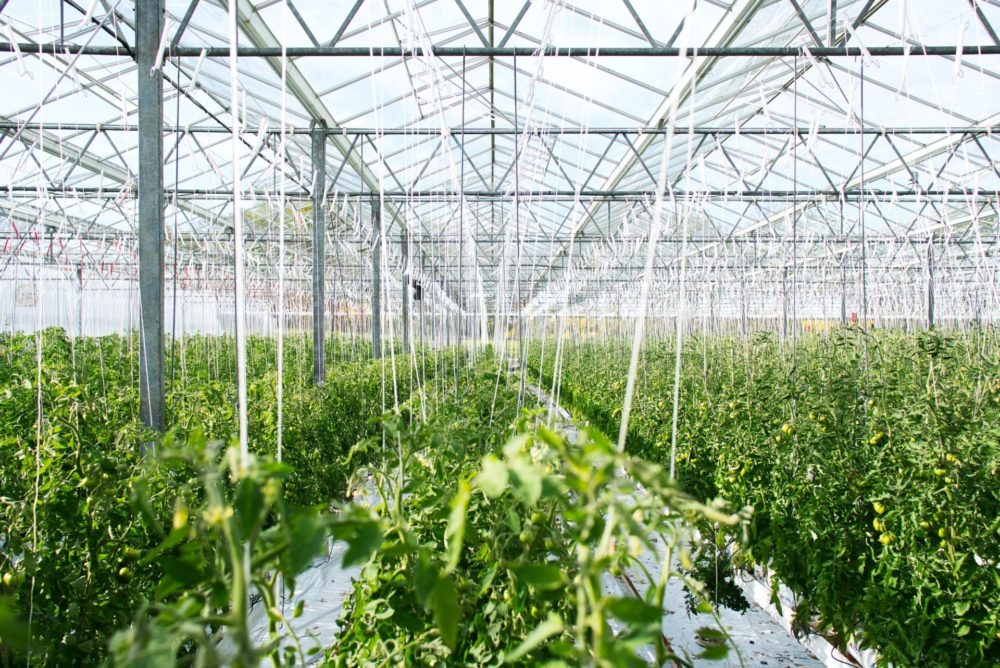
Image Source:
Why Farming Communities Need Architectural Support
Modern farming communities face a host of challenges:
- Shrinking arable land due to urban sprawl.
- Erratic rainfall and climate-induced crop failures.
- Lack of affordable, well-designed infrastructure for storage and markets.
- Social migration, with younger generations leaving villages for cities.
For architects, these issues represent opportunities. By applying design thinking, they can create solutions that improve resilience, reduce losses, and bring dignity to farming life.
Agritecture in Action: From Storage to Sustainability
Agritecture is not a single “building type” but a framework that spans scales — from the layout of a single farm to regional planning. Some key contributions include:
1. Climate-Smart Storage Facilities
A staggering percentage of food in India and other developing countries is lost post-harvest due to poor storage. Architects are designing low-cost, climate-responsive warehouses that use natural ventilation, insulation, and local materials to preserve crops without heavy reliance on energy-hungry refrigeration.
2. Water-Sensitive Landscapes
Just as stormwater management is critical in cities, water management is vital on farms. Terraced fields, check dams, and rainwater harvesting ponds, when planned with architectural foresight, can transform dry lands into fertile grounds.
3. Community Marketplaces
Architects are also rethinking rural markets, giving farmers dignified spaces to sell produce directly to consumers. Shade structures, modular stalls, and gathering spaces not only improve commerce but also strengthen community ties.
4. Training and Education Centres
Knowledge transfer is key. Rural centres designed with flexible halls, demonstration farms, and digital classrooms allow farmers to learn modern techniques while staying connected to tradition.
5. Housing for Farming Families
Agritecture extends to the homes of farmers themselves. Designing affordable, climate-appropriate housing with spaces for storage, animal shelter, and small-scale processing can directly uplift rural livelihoods.
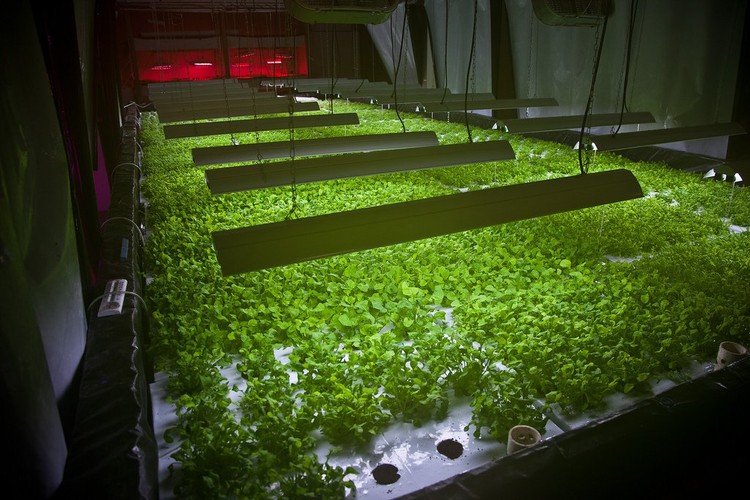
Image Source: chicagostudies
Global Inspirations: Agritecture Beyond Borders
Across the world, inspiring examples demonstrate how agritecture adapts to local needs:
- The Plant, Chicago (USA) – an urban vertical farm housed in a former meatpacking facility, combining aquaponics with renewable energy systems.
- Milan’s Vertical Forest – though more symbolic, these towers integrate greenery with living spaces, highlighting how farming and architecture can co-exist vertically.
- Agri-Hubs in Africa – where architects design clustered spaces for farming, markets, and learning, reducing distances and improving efficiency.
For India and other agrarian nations, these examples inspire while highlighting the importance of contextual solutions — designs must always be rooted in local soil, climate, and community.

Image Source: LinkedIn
Agritecture and Climate Resilience
Perhaps the most urgent reason for agritecture today is climate resilience. As rainfall becomes unpredictable and droughts intensify, design must step in to buffer farming systems.
Architects can introduce passive cooling structures for storage, use renewable energy for irrigation, and design landscapes that conserve soil and water. In doing so, they act not just as designers of space but as allies of the environment.
The Human Dimension
At its heart, agritecture is about people. It is about restoring pride to farming communities, creating environments where young people see value in staying connected to agriculture rather than migrating away. It is about crafting spaces that say: farming is not backward, but a cornerstone of sustainable futures.
For architects, this requires humility — to listen deeply, to co-design with farmers, and to adapt expertise to rural rhythms. The most successful agritecture projects are those that emerge not from glossy blueprints, but from collaboration and dialogue with the people they serve.
Explore GATE Masterclass and learn scoring strategies from AIR 14, Urban Designer, Farha Siddiqui.
Learning Agritecture: The Role of Education
Despite its growing importance, agritecture rarely features in conventional architectural curriculums. Most graduates are trained in urban housing or commercial typologies, with little exposure to rural design challenges.
This is where platforms like Kaarwan play a vital role. By offering specialised courses on rural development, sustainable landscapes, and climate-responsive design, they equip architects with the knowledge to bridge this gap. Students gain insight into agritecture through case studies, site visits, and interactive sessions with practitioners who have worked directly with farming communities.
For young professionals, this kind of upskilling opens doors to meaningful work that contributes to society while addressing urgent global challenges.
Fields of Possibility
Agritecture is not about architects “saving” farmers. It is about partnership — blending design intelligence with agricultural wisdom. It is about re-imagining barns, markets, landscapes, and homes as part of an interconnected system of food, community, and ecology.
In a world where climate change threatens food security, architects cannot afford to see agriculture as “someone else’s field.” Instead, the field itself becomes a site of design.
For professionals, this represents a new frontier of practice. For students, it is a chance to build careers that matter. And for farming communities, it is a reminder that architecture, when done with care, can be a powerful ally in sustaining life.




.png)