

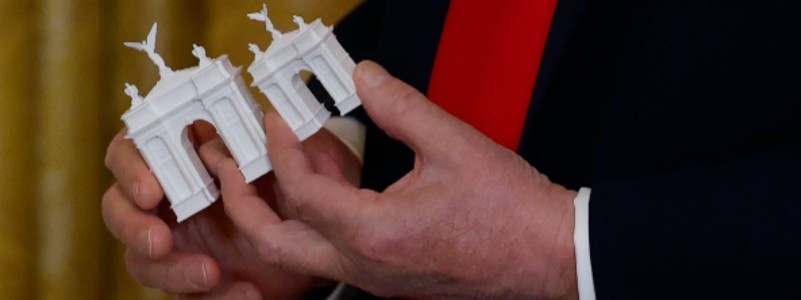
In the realm of public architecture and urban design, monumental arches have long symbolised triumph, transition and civic memory. For students, young professionals, and seasoned practitioners in the AECO (Architecture, Engineering, Construction & Operations) world, one of the newest entries into this tradition is the proposed Arc de Trump in Washington, D.C.
Announced in late 2025, the project is planned as a triumphal arch near the Lincoln Memorial and Arlington National Cemetery, tied to the forthcoming 250th anniversary of the United States.
While the details remain sketchy — cost, timeline and materials are still under discussion — the initiative offers rich fodder for architectural reflection: what does it mean to reshape a national capital’s skyline, how symbolism and design intertwine, and what AECO professionals can glean from such high-visibility projects.
“Projects of importance” aren’t always monumental. Sometimes, they’re quietly meaningful.
The question is: what will your work stand for?
Learn to coordinate your innovation where it truly matters, with Kaarwan’s Professional BIM Certification Course with Job Support Program.
What Is the Arc de Trump?
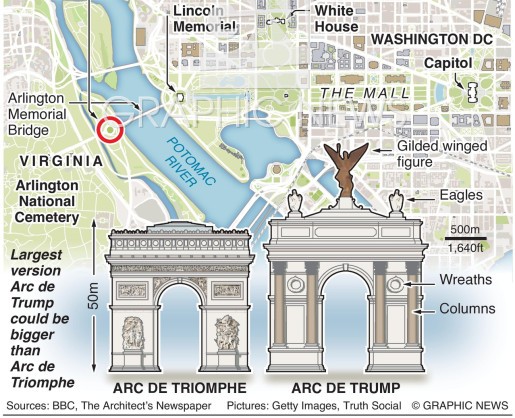
- The arch is proposed for the roundabout called Memorial Circle, located at the end of the Arlington Memorial Bridge, just opposite the Lincoln Memorial.
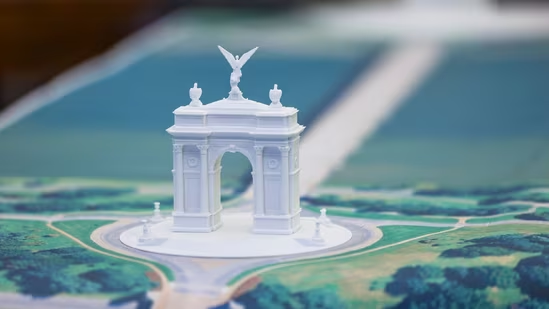
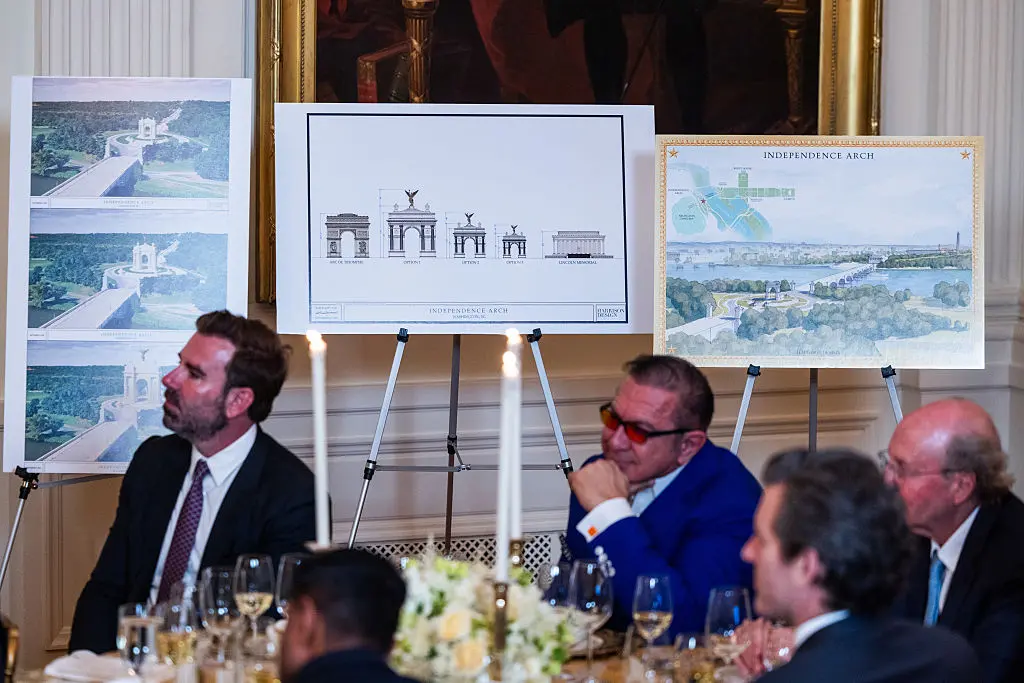
- Architect Nicolas Leo Charbonneau of Harrison Design has shared renderings showing a stone arch reminiscent of the Arc de Triomphe in Paris, topped with eagles and a gilded figure.
- The arch is intended to commemorate the US’s 250th anniversary (July 4, 2026) and symbolise both a gateway to the capital and a monumental anchor for the northern entry.
- While initially framed as possibly temporary, discussions appear to consider it as a permanent fixture in the urban fabric.
Why It Matters to AECO Professionals
1. Monumental Architecture & Urban Identity
Such structures don’t just occupy space — they shape identity, civic memory and the skyline. For architects, engineers or planners, thinking about scale, context and symbolism becomes as vital as material or form. This project invites the question: How do we design landmarks that speak to a nation’s narrative while integrating into a city’s physical and visual geography?
2. Designing at a Civic Scale
Large-scale urban monuments involve coordination across architecture, engineering, urban planning, heritage, transport and construction. Tasks include structural stability, material longevity, visual alignment with existing landmarks (e.g., Lincoln Memorial), and environmental/landscape integration. The arch project is a reminder of how architecture at this scale moves beyond façade or building into public realm and infrastructure territory.
3. Symbolism, Narrative & Materiality
The arch draws from classical antecedents (Roman arches, Paris’s Arc de Triomphe). For the AECO audience, the takeaway is that design decisions — proportions, ornamentation, material finish — carry meaning. Materials and details matter in telling a story about strength, heritage, and modernity.
4. Pre-construction & Stakeholder Management
Though still early, the arch’s rollout includes models at White House events, donor funding, federal approvals via bodies like the U.S. Commission of Fine Arts, and urban-planning deliberations. For young professionals and offices, this is a case study in managing large-scale public projects: navigating approvals, funding, public reception, and interdisciplinary collaboration.
You might want to read this blog if you are curious about how landmark architecture is conceived, funded and integrated into the urban context.
Key Design & Planning Insights
- Site & axis: The chosen site at Memorial Circle ties the arch visually to the Lincoln Memorial and the Arlington Bridge, creating a new entry axis into Washington. Contextual alignment is crucial in landmark architecture.
- Scale & proportion: Renderings suggest the largest arch option could exceed neighbouring monument heights — emphasising presence but also raising concerns about visual dominance or overshadowing.
- Materials & symbolism: The design features stone cladding, classical detailing, eagles, a gilded figure — each a deliberate nod to empire, triumph and heritage.
- Integration & infrastructure: While not yet fully revealed, such monuments require structural foundations, transport access, pedestrian regimes, and maintenance planning — areas often underappreciated by students/new grads.
- Funding & process: Dialogues around the arch highlight how architecture in the civic realm is not just design — it's politics, funding, approval pathways and public-sector collaboration.
What to Avoid / Cautionary Notes
- Ignoring context: A monument that ignores skyline lines, sight-lines or existing heritage may feel alien or jarring.
- Underestimating maintenance: Materials and detailing for monumental scale must account for weathering, cleaning, safety and user access.
- Lack of stakeholder buy-in: Large civic projects need broad consensus; opposition or process failure can stall or derail them.
- Symbolism without substance: Architecture that only gestures and lacks build-ability or permanence may become a ghost idea rather than a built legacy.
Monuments may stand still — but conceiving and building them demands shifting perspectives. The Arc de Trump serves as a potent example of how architecture, urban context and narrative converge. For the AECO professional, it stands as both a challenge and an opportunity: to design not just buildings, but moments of civic identity.
Why This Should Matter to You
Whether you are a fresh graduate just beginning to explore architectural strategy, a mid-career professional coordinating large-scale public architecture, or a senior architect/office strategist overseeing landmark projects, the Arc de Trump is an instructive case. It illustrates how national-scale architecture involves design, narrative, urban context, funding, stakeholder engagement, and legacy thinking.
As the AECO industry evolves, the distinction between building and city-making, between structure and civic symbol, becomes increasingly important. Projects like this encourage us to broaden our lens — from software and BIM to urban impact, symbolic meaning, and interdisciplinary coordination.
FAQs
Q1: What is the “Arc de Trump”?
It is the proposed monumental arch in Washington, D.C., modelled after the Arc de Triomphe, intended to mark the USA’s 250th anniversary next year.
Q2: Where will it be located?
The arch is proposed for Memorial Circle, at the end of Arlington Memorial Bridge, across from the Lincoln Memorial and near the Arlington National Cemetery.
Q3: Why should architects and AECO professionals care?
Because it encapsulates landmark architecture at the intersection of design, urban planning, heritage, funding and public infrastructure, offering lessons in how to work at scale and collaborate across disciplines.


.png)