


In the world of architecture, there’s a quiet kind of envy that surfaces when you scroll through pages like Buildofy, ArchDaily, or Dezeen. The images are stunning — sunlight framed perfectly, lines crisp, materials almost tactile. And somewhere in your mind, a thought whispers:
“I wish I could capture architecture like that.”
Here’s the truth: you absolutely can. And you don’t need a ₹3 lakh DSLR to start — your phone camera is already powerful enough to launch that journey.
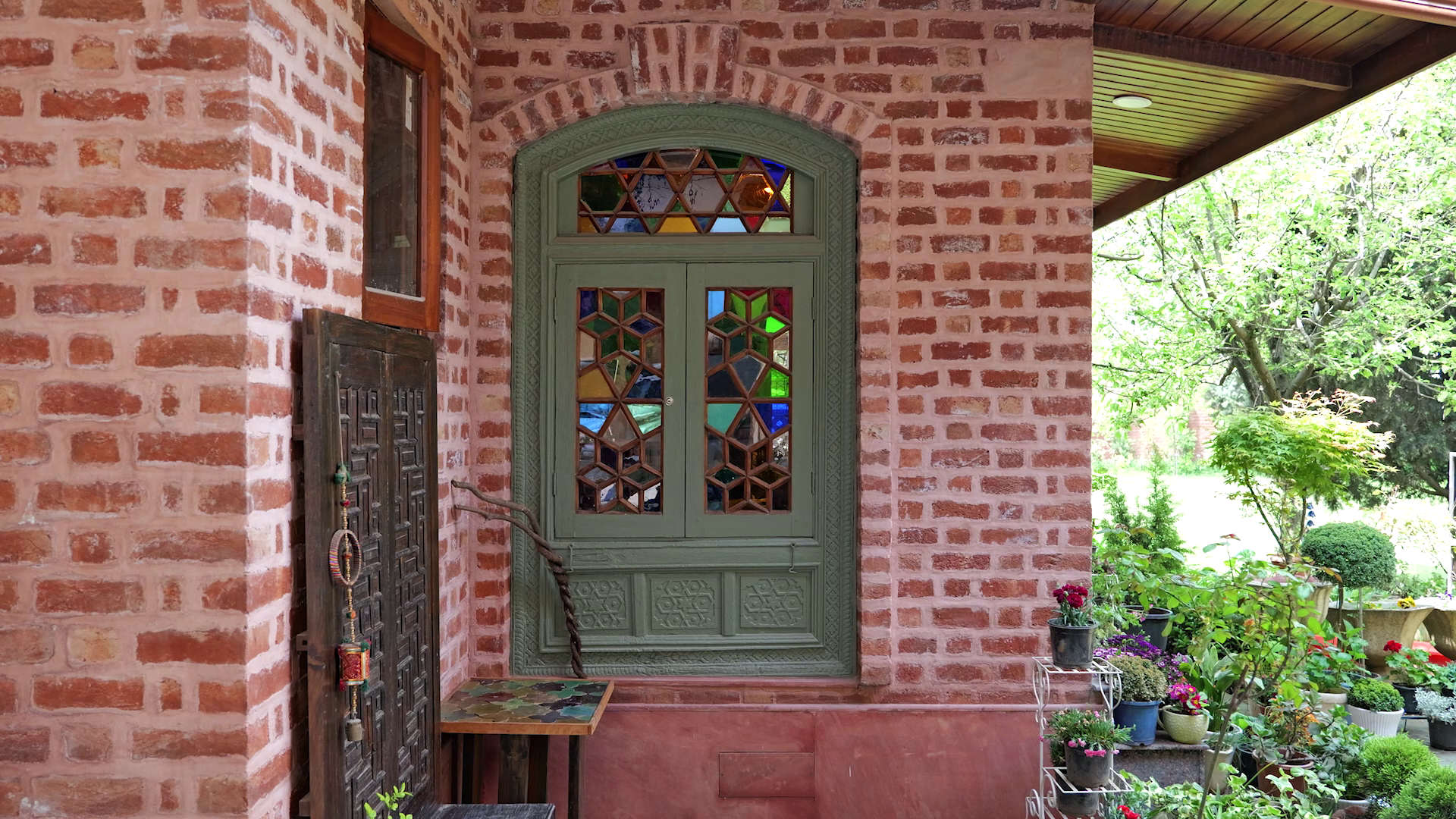
Image Source: Buildofy
The Architect’s Eye Is Already Half the Skill
Architectural photography isn’t just about the camera — it’s about how you see space.
As architects and students, you already understand:
- how light moves through built form,
- how materials react to the sun and shadow,
- How human scale brings emotion to geometry.
That’s 50% of what great photographers spend years learning. The rest is technique — and your phone camera can teach you that faster than any lens upgrade.
You don’t need to buy gear to start. You need to start earning the gear!
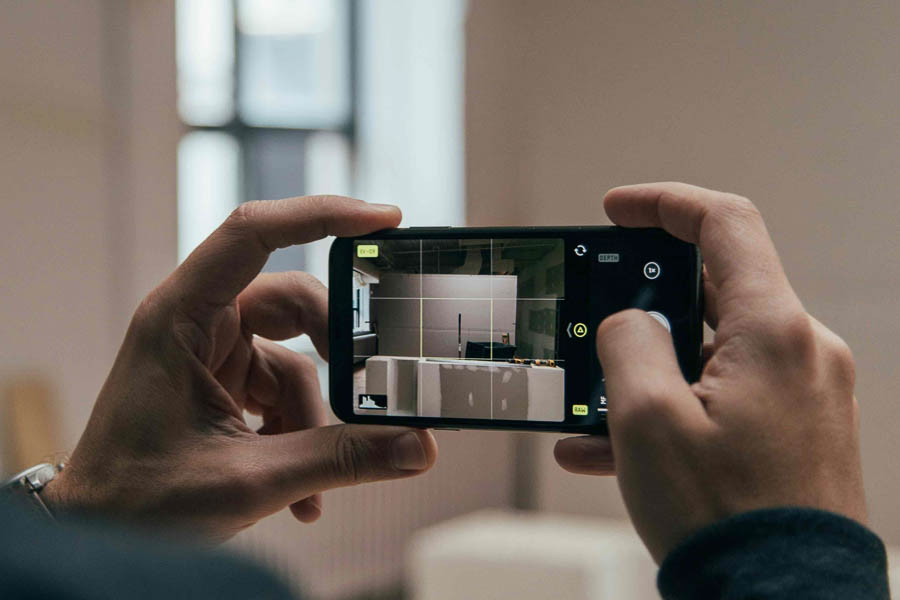
Image Source: LinkedIn Erika Wiggins
Start with What You Have - Learn to See Differently
Pick a nearby building — your college campus, a metro station, or even your own balcony. Go there at different times of the day.
Notice how morning light defines edges, how evening tones soften materials. Take multiple shots — wide, close-up, framed through foliage or reflections.
Then look at your pictures like an architect. Ask yourself:
- What does this image say about the design intent?
- Does it show how people use the space?
- Is the structure communicating what the designer imagined?
Architectural photography is about translating built emotion into visual clarity.
Basic Techniques — No DSLR Needed
Even with a phone camera, you can apply professional methods:
- Use the grid – align verticals and horizontals.
- Lock focus and exposure – prevent overexposed skies or dark facades.
- Shoot in RAW (if available) – gives editing flexibility.
- Stabilize – use walls, railings, or a cheap mini tripod.
- Edit mindfully – apps like Snapseed, Lightroom Mobile, or VSCO are your best friends.
Play with contrast and white balance, not filters. Architecture deserves authenticity, not over-saturation.
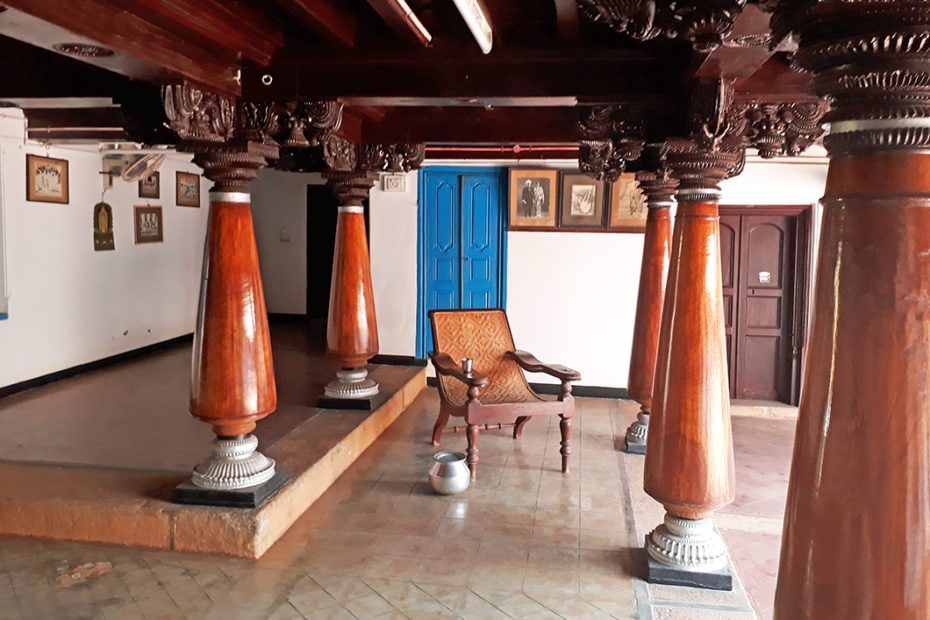
Image Source: Sarthas Vilas
Composition: Tell the Story of the Space
Every building has a mood. Your job is to find it. Try these framing exercises:
- Capture entry sequences — how a person approaches the space.
- Show scale with people or objects.
- Frame textures and details — joints, corners, handrails.
- Look for reflections — water, glass, metal.
- Always shoot a clean elevation and a dynamic perspective.
Think like a designer, shoot like a storyteller.
Understand the Basics of Post-Processing
Editing doesn’t mean faking. It’s about balance. Use it to:
- Correct lens distortion.
- Straighten lines and fix perspective.
- Adjust brightness and highlights.
- Crop smartly to enhance composition.
Small edits can turn a good photo into a professional-grade one — and most phones can handle that workflow easily.
Where to Showcase Your Work
The architecture photography scene is growing fast — and your work deserves an audience. Start by:
- Posting regularly on Instagram, Behance, or LinkedIn with thoughtful captions.
- Tag architecture firms whose work you photograph.
- Engage with platforms like Buildofy or start your own, where visual storytelling can be highlighted in the built environment.
- Create mini-project series — “Morning Light at My Campus,” “Brutalism in My City,” etc.
Your Instagram feed can double as your first professional portfolio.
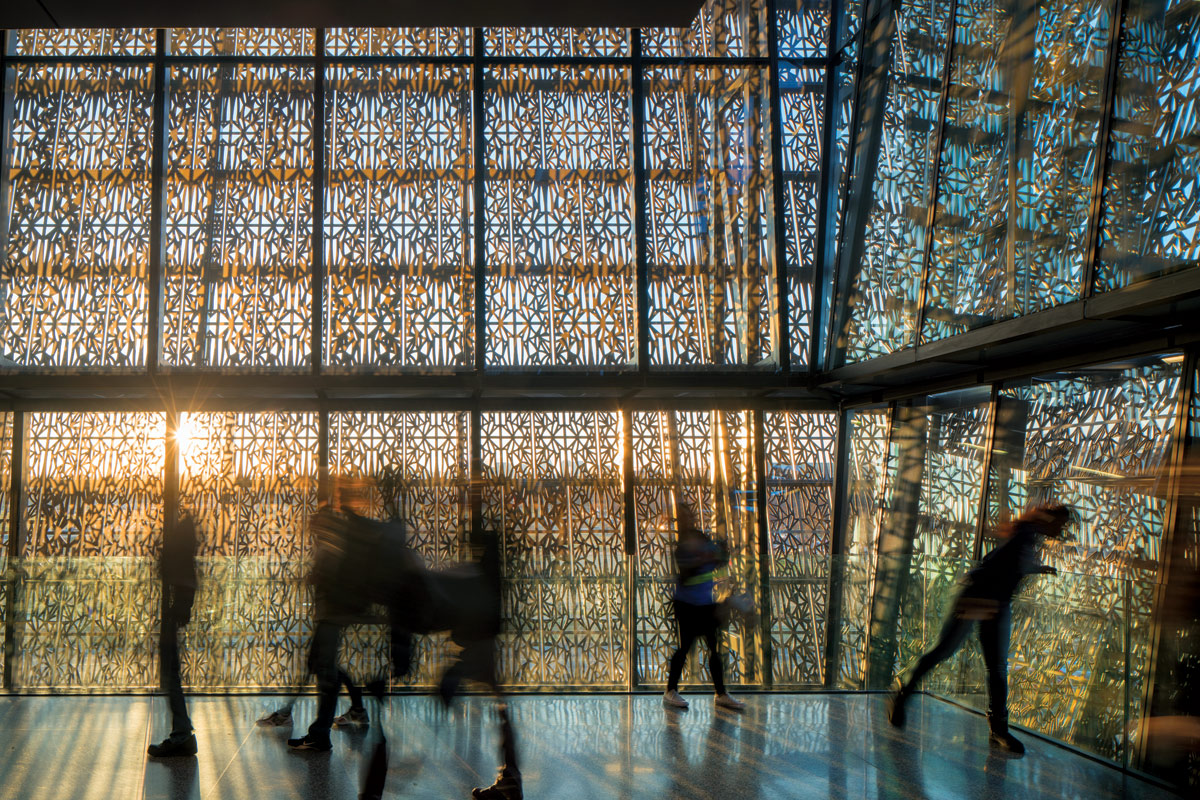
Image Source: Architectural Record
Career Opportunities — Where This Can Take You
Architectural photography isn’t just a hobby anymore. Today, skilled photographers work with:
- Architectural firms for project documentation
- Real estate developers for marketing imagery
- Design publications like ArchDaily, DesignBoom, and Buildofy
- Visualization studios needing photographic backplates
- Heritage documentation and research projects
Some architects even blend design and photography, creating niche practices around visual documentation and storytelling.
In a visual world, every designer who can communicate beautifully has an advantage.
Upgrade Later, Not Now
Once you’ve mastered your phone camera and editing, consider upgrading to a DSLR or mirrorless setup. But by that time, you’ll know what you actually need — wide lenses, architectural tilt-shifts, or drone gear.
Until then, your phone is your sketchbook. Use it daily. Photograph buildings, markets, textures, shadows, stories.
FAQs
Q1. Can I start architectural photography with my phone?
Yes — your phone camera is powerful enough to learn framing, lighting, and storytelling.
Q2. Do I need a photography degree?
Not at all. Your architectural training already gives you a strong foundation.
Q3. How do I find projects to photograph?
Start with your surroundings — college campus, public buildings, or your firm’s projects.
Q4. What skills do architectural photographers need?
Composition, lighting, editing, and storytelling — combined with architectural understanding.
Q5. How can this help in my architecture career?
It improves your visual communication, portfolio quality, and opens side-career opportunities in media and design.




.png)