

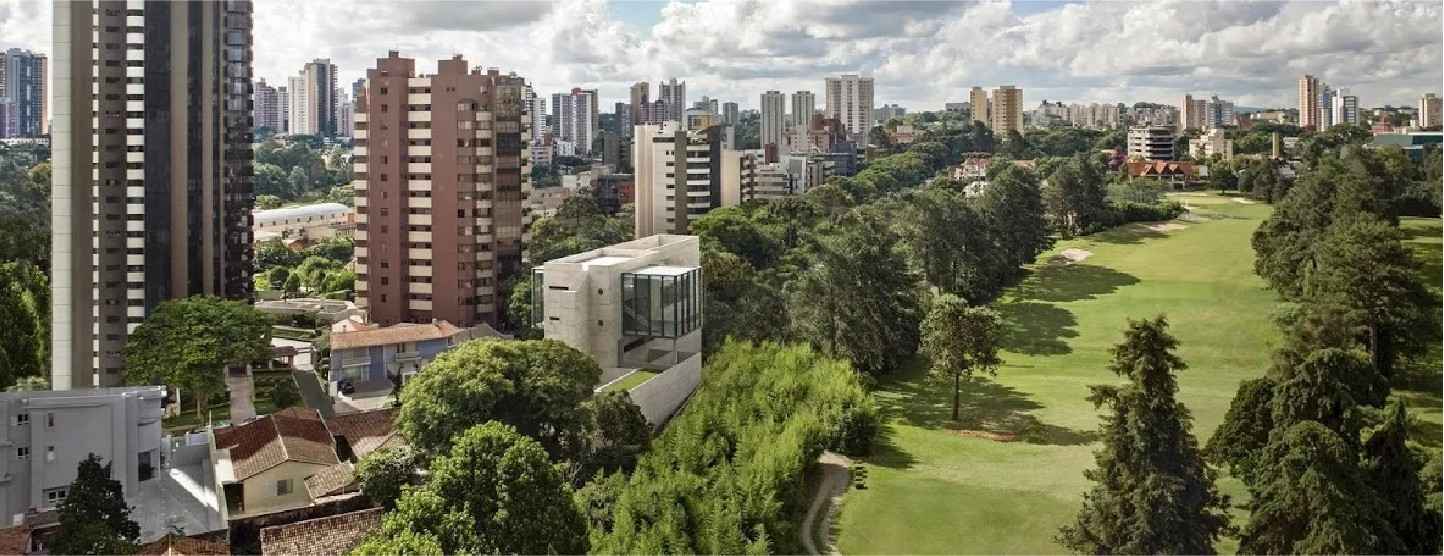
Forests are vital to our planet’s ecological balance, acting as carbon sinks, biodiversity reservoirs, and natural climate regulators. Architects, recognising the importance of sustainable design, have developed innovative strategies that protect forests while meeting human needs. From using timber responsibly to designing forest-preserving settlements, architecture can actively contribute to reducing deforestation and promoting forest conservation.
Initiatives Where Architects Shaped Design to Save Forests
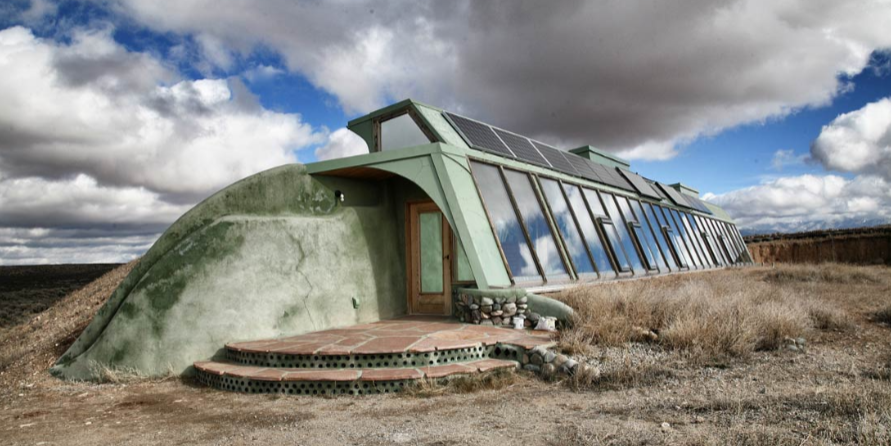
Image Source: Elle Decor
1. Earthship Biotecture – Integrating Forest Conservation into Settlements
Earthships are self-sufficient, off-grid buildings made from recycled materials and natural elements. By designing settlements that require minimal new timber, architects reduce pressure on forests. Some projects integrate green roofs and tree planting, ensuring forests are maintained rather than cleared for construction.
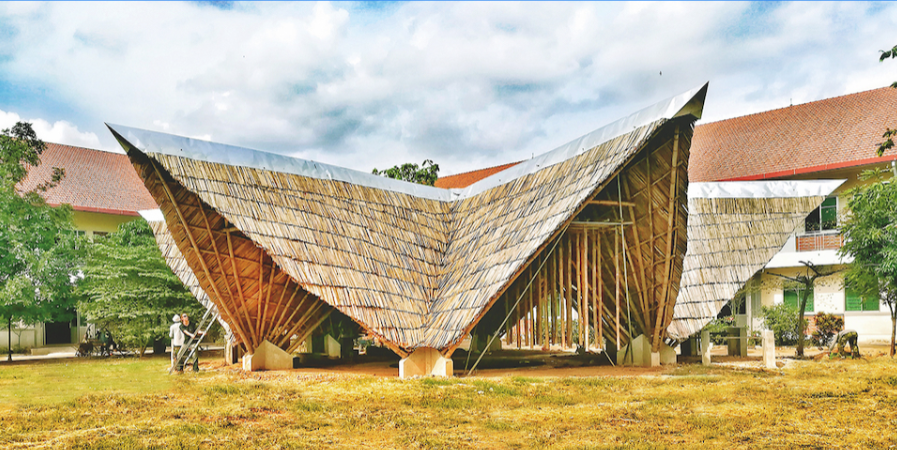
Image Source: SilverKris
2. Bamboo Architecture in Asia
Bamboo is a rapidly renewable material. Architects like Vo Trong Nghia in Vietnam design timber-reducing structures using bamboo, balancing lightweight structural integrity with low ecological impact. This approach reduces logging of mature hardwoods and encourages sustainable forestry practices.
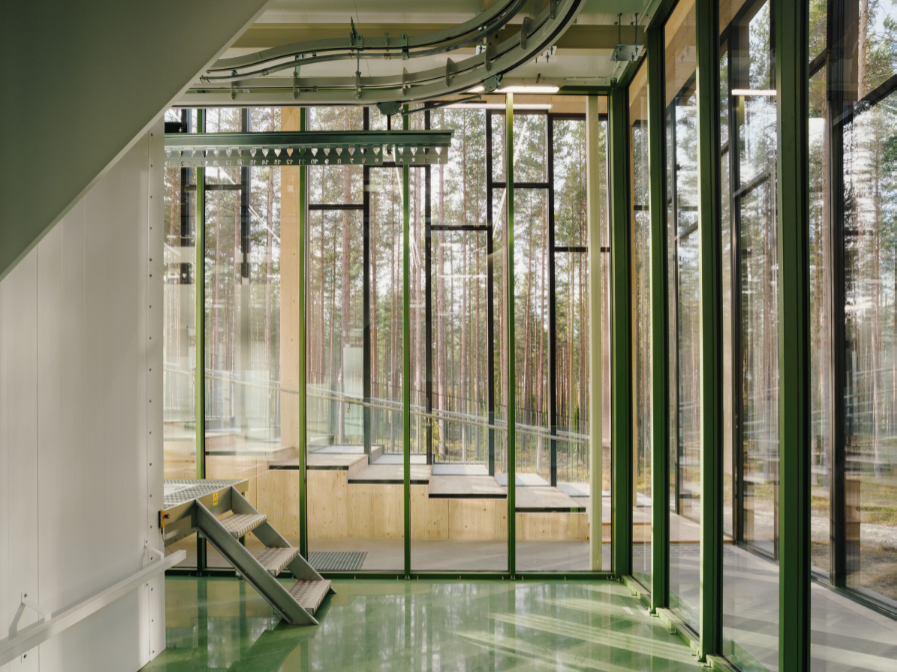
Image Source: ArchDaily
3. FSC-Certified Timber Projects
Many architecture firms, including BIG (Bjarke Ingels Group), specify FSC-certified timber for construction. By sourcing wood from responsibly managed forests, architects ensure that harvested trees are replaced, preventing illegal logging and deforestation.
_1758884234587.png)
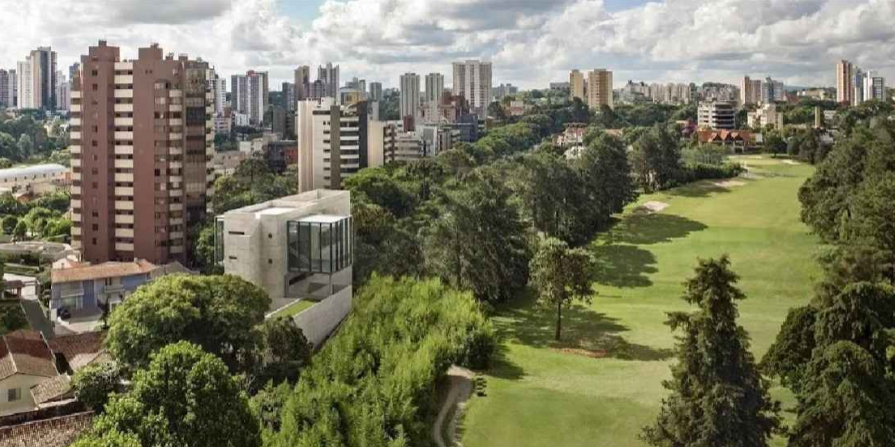
Image Source: The Gaurdian
4. Forest-Friendly Urban Planning – Curitiba, Brazil
Urban planning in Curitiba focuses on green corridors and preserved forest patches within the city. Architects and planners work together to integrate urban development with existing forests, preventing large-scale clearing while improving air quality and biodiversity.
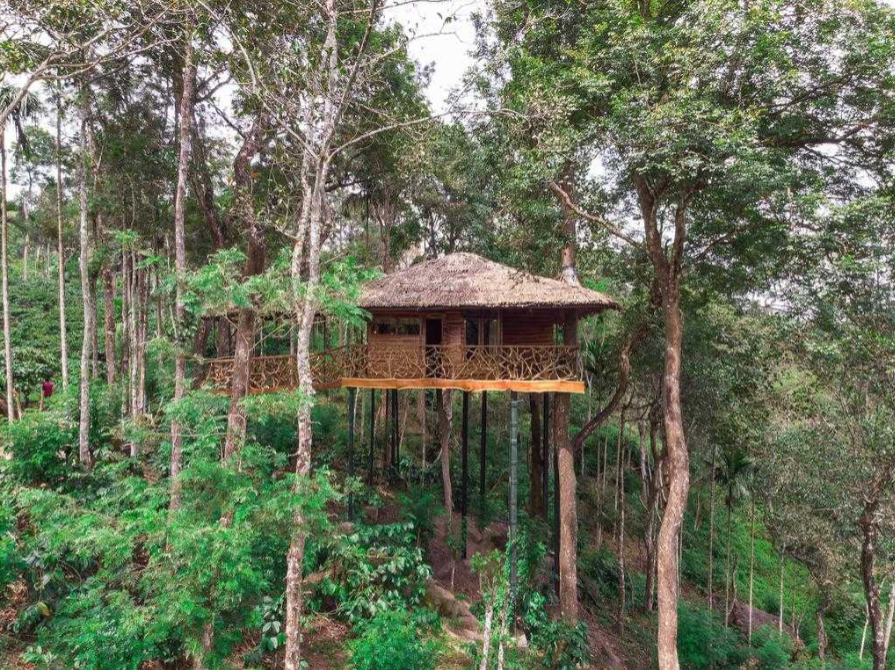
Image Source: Holidify
5. Tree-House Schools and Eco-Lodges
Projects like Green School, Bali and tree-house lodges in Costa Rica use minimal forest impact techniques. Architects design structures that grow around existing trees, maintaining natural canopies rather than cutting them down. These projects inspire communities to value and protect local forests.
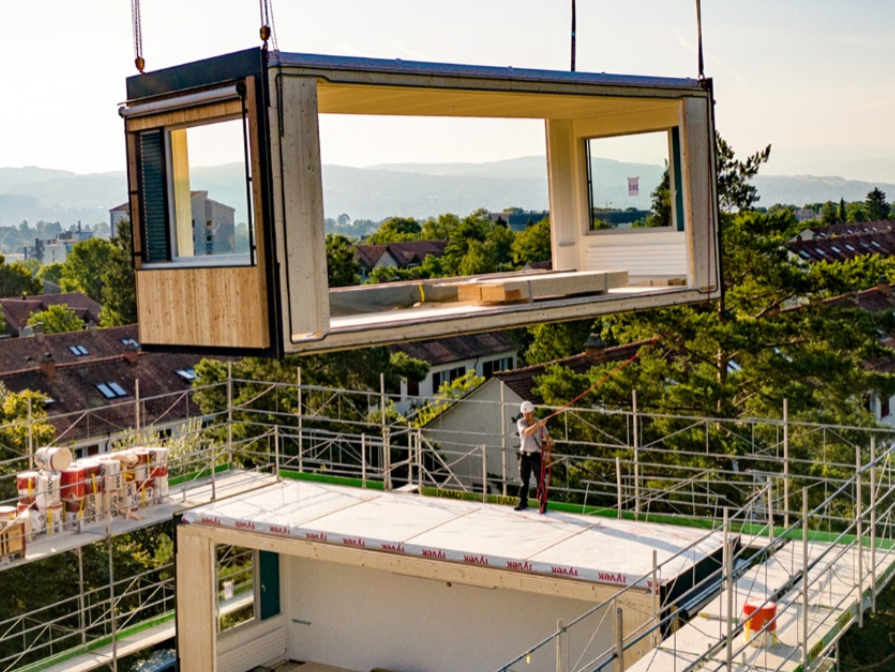
Image Source: Blummer Lehman
6. Prefabricated Timber Housing
Prefabrication reduces timber waste during construction. Projects in Scandinavia and Japan use prefabricated wood modules, ensuring only necessary timber is used. By optimising material use, architects limit unnecessary forest depletion.
_1758879673339.png)
Tap to Explore the GATE AR Exam Crash Course Curriculam and Get to Know More About the Mentors.
7. Agroforestry-Based Design
In India and Africa, architects integrate buildings with agroforestry landscapes, planting trees alongside farms and settlements. This approach maintains forest cover, supports biodiversity, and prevents deforestation for agricultural expansion.
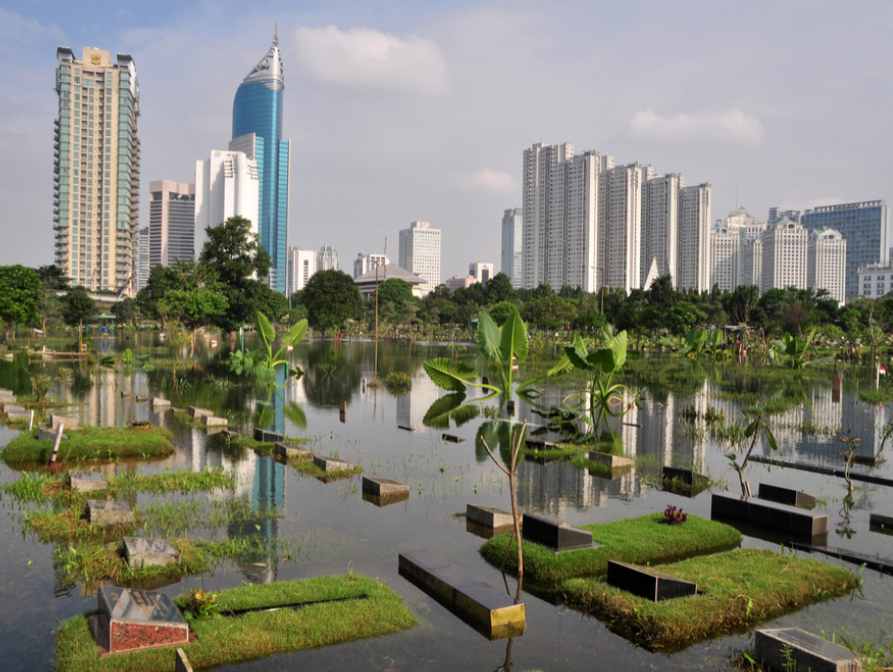
Image Source: Asia Property Awards
8. Mangrove and Coastal Forest Preservation
Architects designing coastal infrastructure in Southeast Asia often preserve mangroves, critical for storm protection and marine ecology. Elevated walkways, boardwalks, and stilted houses reduce tree removal, demonstrating that construction can coexist with forest ecosystems.
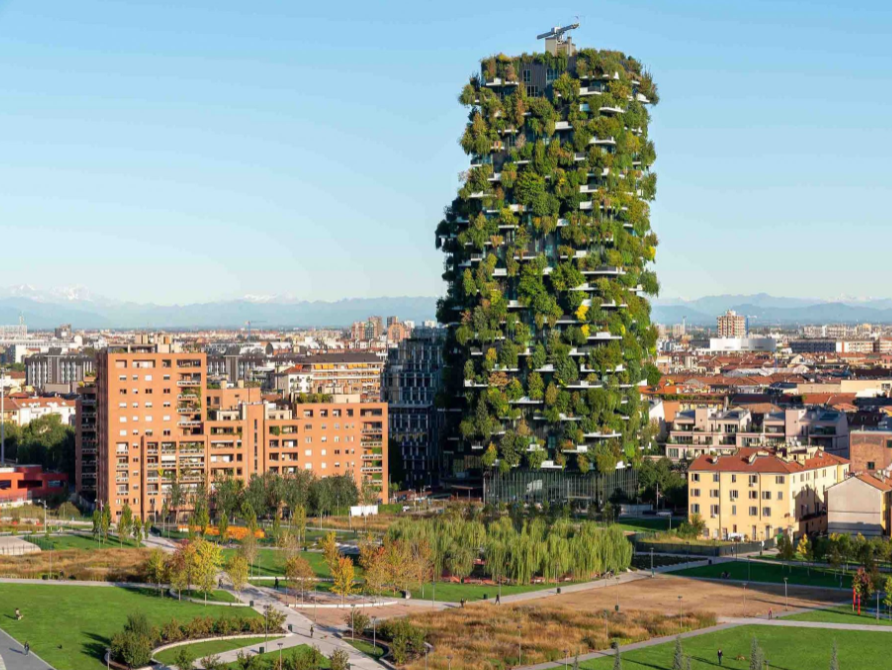
Image Source: Archdaily
9. Vertical Forests – Stefano Boeri’s Bosco Verticale
Milan’s Bosco Verticale integrates over 900 trees on two residential towers, offsetting urban deforestation. By bringing forest elements into urban architecture, architects mitigate forest loss elsewhere and promote biodiversity within the city.
Crack success in GATE Architecture and Planning Exam 2026 with AIR 1 and with Seasoned Architects.
10. Reforestation-Linked Construction Projects
Some architects implement “one tree planted” strategies, linking every building or renovation to a local reforestation effort. Firms in the USA and Europe commit to replanting forests equivalent to the timber used, creating a circular system that replenishes forests.
Lessons for Architects and Students
These initiatives highlight how architecture and forest conservation intersect:
- Material Choice Matters: Opting for bamboo, FSC-certified timber, or recycled materials reduces forest exploitation.
- Design Around Nature: Structures like tree-houses, stilted buildings, or elevated pathways preserve existing trees.
- Integrate Urban and Natural Systems: Green corridors, vertical forests, and agroforestry projects prevent large-scale forest clearance.
- Plan for Circularity: Reforestation-linked projects ensure that timber use doesn’t deplete forests unsustainably.
For students and professionals, these examples provide practical inspiration to design responsibly while promoting ecological stewardship.
Final Thoughts
Architects play a critical role in forest conservation, not only through material selection but also via site planning, innovative design, and urban integration. By learning from these ten initiatives, future architects and designers can create buildings and communities that coexist harmoniously with forests, ensuring that human development does not come at the expense of nature.
Forests may be under threat, but thoughtful design can be part of the solution, turning architecture into a force for ecological preservation.
FAQs
1. Why should architects be concerned about forest conservation?
Forests act as carbon sinks, regulate the climate, and house biodiversity. Architects influence forest health by material choices, site planning, and design approaches that either protect or degrade natural ecosystems. Sustainable design allows architects to balance human needs with ecological responsibility.
2. How can material selection in architecture help save forests?
By choosing bamboo, recycled materials, or FSC-certified timber, architects minimise logging pressure on natural forests. Sustainable sourcing ensures harvested trees are replenished and illegal deforestation is reduced.
3. What are examples of architectural projects that conserve forests?
Projects like Stefano Boeri’s Bosco Verticale in Milan, tree-house schools in Bali, and bamboo architecture in Vietnam showcase how buildings can integrate with or replicate forest ecosystems while reducing ecological impact.
4. What role does urban planning play in forest conservation?
Urban planning strategies, such as Curitiba’s green corridors and integration of preserved forest patches, prove that cities can grow without erasing natural ecosystems. Planners and architects together can prioritise biodiversity alongside urban development.
5. How does prefabrication support sustainable forest use?
Prefabricated timber housing reduces construction waste, optimises timber use, and prevents unnecessary felling of trees. This method is gaining traction in Scandinavia and Japan for its material efficiency.
6. Can architecture support reforestation efforts?
Yes. Many firms commit to “one tree planted” policies, linking construction to reforestation projects. This creates a circular model where material consumption is balanced by ecological restoration.
7. How do forests and architecture intersect in coastal areas?
In Southeast Asia, architects preserve mangroves by designing elevated structures like stilt houses and walkways. This protects coastal ecosystems, prevents erosion, and supports marine biodiversity while still allowing human habitation.
8. What lessons should architecture students take from forest-conserving projects?
Students should focus on:
- Prioritizing renewable materials like bamboo.
- Designing around existing ecosystems (tree-houses, stilt structures).
- Integrating nature into urban contexts (vertical forests, agroforestry).
- Linking projects to reforestation and circular design practices.




.png)