Architecture for Climate Refugees: Designing Shelters and Communities for a Changing World
According to the latest statistics, it is believed that over 200 million people will be displaced by climate change. One can imagine the state of our planet during that period. Whole villages swallowed by the rising seas, and the resident families fleeing, just to face poverty and other natural calamities. These may include other natural calamities, which may include drought or relentless storms. Academia has emphasised that it isn't a problem of the future. Climate Change is here and it calls for a need. A need to design shelters and communities that can outplay the effects of climate change. They must restore dignity, build resilience, and offer hope.
The question isn’t just “Where will they go?” It’s also, “How will they live?”
Understanding the Needs of Climate Refugees
Climate displacement uproots more than lives—it erases familiarity, security, and culture. For those forced to flee, the journey is harrowing. Arriving in unfamiliar places, they face a grim reality: makeshift camps, limited access to clean water, and the psychological toll of uncertainty.
Shelters for climate refugees need to be more than temporary fixes. They must provide stability and foster a sense of community. Imagine being displaced to a shelter where there’s no privacy or space for your children to play. The absence of such basic considerations amplifies trauma.
As architects, we are called to design for the future while understanding the emotional and physical needs of the displaced. The challenge is not just about erecting structures; it’s about crafting environments that allow people to heal, grow, and rebuild.
Design Principles for Shelters
The heart of a good shelter lies in its ability to adapt, endure, and inspire. This means moving beyond the basics to create spaces that cater to both practical and emotional needs.
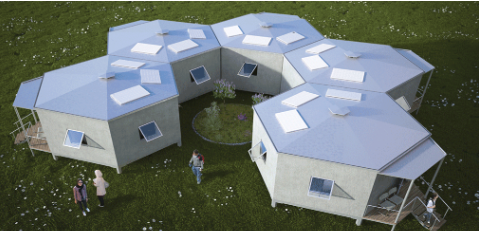
Architecture Design for Refugees (Img Src: Mid West Designing)
- Adaptability: Displacement often comes with unpredictability. A shelter must evolve with its inhabitants. Modular designs like IKEA’s Better Shelter exemplify this. Easily assembled and expandable, these shelters can adapt to different needs over time. Whether families grow or environmental conditions change, adaptability ensures the design stays relevant.
- Sustainability: Sustainability isn’t optional—it’s essential. Many climate refugees settle in areas with limited resources, where the environment is already fragile. Using renewable materials and energy-efficient systems ensures shelters don’t harm the planet.Take the Makoko Floating School in Nigeria. Built to withstand rising waters, it uses local wood and solar power. This approach solves an immediate problem while setting an example for other flood-prone regions.
- Affordability: Cost-effective solutions are key to scaling these efforts. Balancing affordability with quality is no easy feat, but it’s critical to ensure more people are reached. Bamboo, a fast-growing renewable material, is an excellent example. It is cheap, durable, and versatile, making it ideal for large-scale refugee housing projects.
- Cultural Sensitivity: A shelter should feel like home. By weaving cultural elements into the design, we can help preserve identity. In Jordan’s Zaatari Camp, shelters include communal kitchens where families can cook together. This small touch respects cultural traditions and strengthens community bonds.
These examples show that architecture isn’t just about solving problems—it’s about honoring humanity.
Designing Communities, Not Just Shelters
A shelter, no matter how well-designed, is just one piece of the puzzle. Climate refugees need communities, not just roofs over their heads. Holistic planning is essential to create environments where people can thrive, not just survive.
Community spaces play a pivotal role in this transformation. Shared areas for education, healthcare, and social interaction foster connections and support systems. Schools within refugee camps ensure children don’t lose years of education. Clinics provide essential healthcare, while vocational training centers offer adults a chance to rebuild their livelihoods.
Bhutan’s philosophy of Gross National Happiness is a lesson for us all. This approach emphasizes well-being in community design. For displaced populations, this means designing neighborhoods that prioritize mental health and social connection alongside physical safety.
In Colombia, displaced communities have adopted similar principles, transforming settlements into vibrant neighborhoods by incorporating shared gardens and community halls. These spaces not only provide functionality but also give people a sense of belonging.
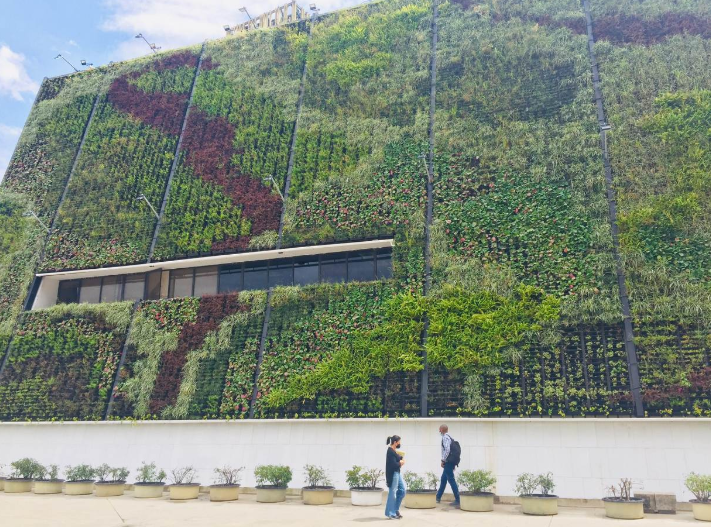
Colombia's Green Corridors (Img Src: News Trust)
Challenges and the Way Forward
Designing for climate refugees is no small task. The barriers are significant—limited funding, political indifference, and logistical challenges often slow progress. However, where challenges exist, so do opportunities.
One promising approach is leveraging public-private partnerships. By pooling resources from governments, nonprofits, and private firms, we can scale solutions faster. Technology, too, has a crucial role to play. AI-driven tools can optimize shelter placement, analyze climate data, and predict future needs, enabling more efficient planning.
Another challenge is ensuring scalability. A design that works for one community may not suit another. This is where local engagement becomes vital. Involving displaced communities in the design process ensures that solutions are not only practical but also culturally appropriate.
Conclusion and Call to Action
Architecture holds immense power—it can transform lives, uplift communities, and reshape futures. In the face of a growing climate refugee crisis, our responsibility as architects and engineers is clear. We must create designs that are innovative, empathetic, and sustainable.
To students: Your ideas can spark change. Push boundaries. Imagine solutions that no one else has thought of.To professionals: Act boldly. Lead with empathy. Use your expertise to create spaces that bring hope to those who need it most.
“The best way to predict the future is to design it.” – Buckminster Fuller. Let’s design a world where no one is left behind.
The future of architecture is bright, but are your skills keeping pace? Kaarwan's architecture-specific courses provide you with the knowledge and tools to confidently navigate the AEC industry. Gain valuable insights, master in-demand software, and stand out with designs that impress!
FAQs
- What are the primary needs of climate refugees in shelters?
Stability, adaptability, cultural sensitivity, and access to basic amenities like clean water, privacy, and community spaces. - Why is sustainability crucial in designing shelters for climate refugees?
Sustainable designs reduce environmental impact, utilize renewable materials, and ensure resilience in fragile ecosystems. - How can architecture address the emotional needs of displaced communities?
Incorporating cultural elements and community spaces fosters belonging, preserves identity, and supports mental well-being. - What role does adaptability play in climate refugee shelter design?
Adaptable designs ensure shelters evolve with changing needs, offering long-term usability despite growth or environmental changes. - How can public-private partnerships aid in addressing climate refugee challenges?
Pooling resources enhances scalability, improves funding, and accelerates innovative, practical solutions for shelter and community development.