If you're a civil or structural engineer, you've probably heard a lot about Building Information Modeling (BIM) lately. It’s not just a trend—it’s the future of the construction industry. Getting BIM certification can significantly boost your career, helping you land better projects, enhance collaboration, and streamline workflows.
But with so many BIM training programs out there, how do you know which one is right for you? Let me break it down and guide you through the best BIM learning resources, the benefits of BIM training, and how to choose the best online BIM courses for your career growth.
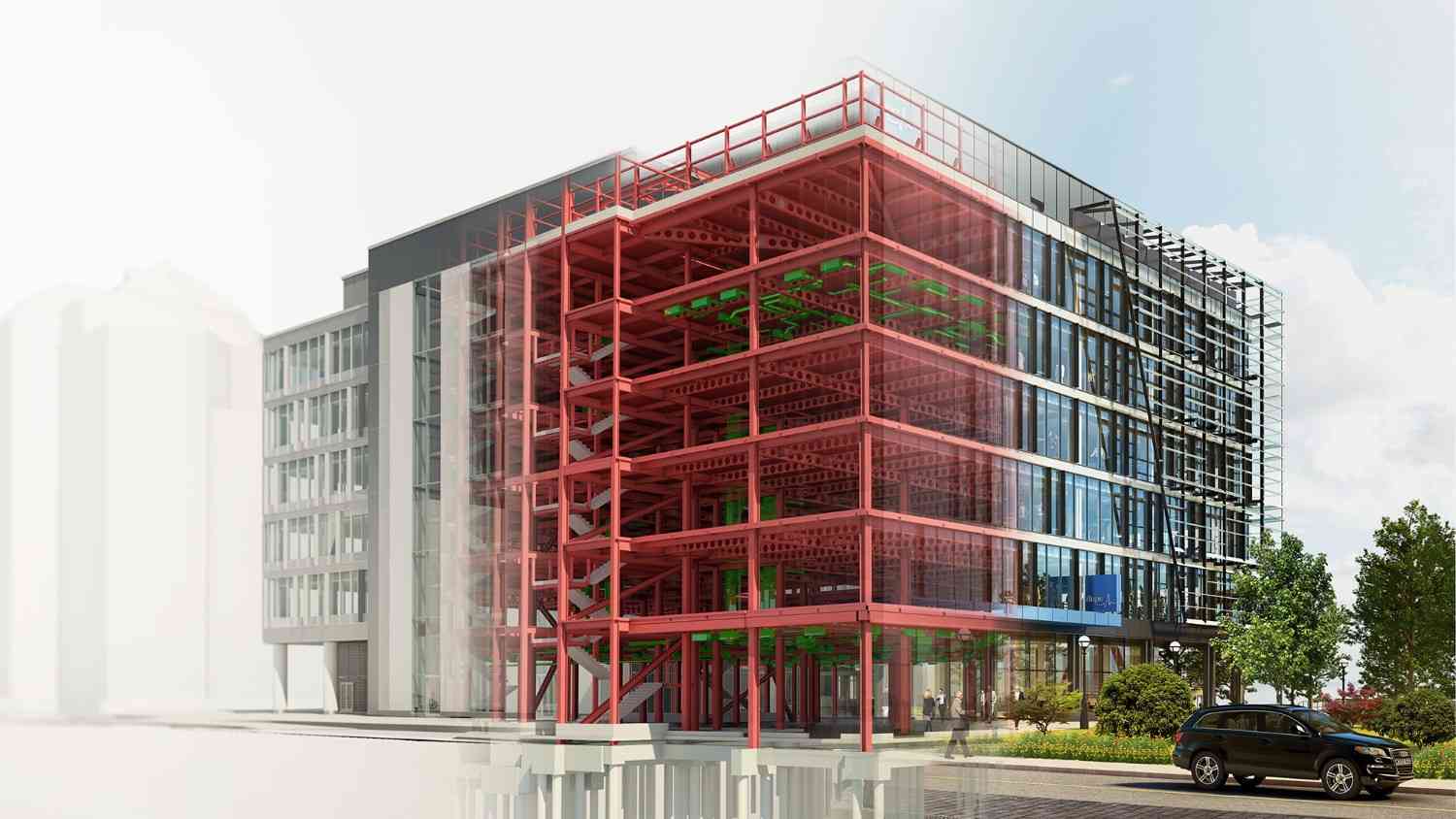
Image Credit: chapmantaylor.com
What is BIM & Why is It Essential for Engineers?
BIM is a digital representation of a building’s physical and functional characteristics. Unlike traditional 2D drawings, BIM provides a 3D model that integrates structural, architectural, and MEP (Mechanical, Electrical, Plumbing) data into one cohesive environment.
Key Benefits of BIM for Professionals:
- Better collaboration – Engineers, architects, and contractors work together seamlessly.
- Reduced errors and rework – Helps identify potential issues early in the design phase.
- Efficient cost estimation – Generates precise material take-offs.
- Sustainable design – Enables better environmental performance analysis.
- Enhanced project visualization – 3D modeling improves understanding and decision-making.
With increasing demand for BIM across the globe, employers are looking for engineers with BIM skill development and practical expertise. That’s where BIM courses come in.
Top BIM Certifications to Boost Your Career
Not all BIM engineer certifications are created equal. Some are more recognized in the industry and offer better career benefits. Here are the best certifications to consider:
1. Kaarwan BIM Certification Program for Civil Engineers
- Website: Kaarwan BIM Certification Program
- Level: Beginner to Advanced
- Duration: Varies
- Cost: Paid
- Why Take It?: Kaarwan’s BIM certification program is specially designed for civil engineers, covering industry-relevant skills and practical applications. The program provides hands-on training with real-world projects and expert guidance.
2. Autodesk Certified Professional: BIM for Infrastructure & Building
- Ideal for professionals using Autodesk Revit.
- Covers advanced modeling, collaboration, and documentation.
- Best for: Engineers who want industry-recognized certification.
3. RICS BIM Manager Certification
- Recognized globally in real estate, infrastructure, and construction.
- Focuses on BIM project management and strategic implementation.
- Best for: Professionals seeking leadership roles in BIM implementation.
4. Graphisoft BIM Certification
- Designed for engineers using ARCHICAD.
- Offers basic to advanced levels of training.
- Best for: Engineers working on large-scale architectural projects.
5. BSI BIM Level 2 Certification
- Complies with ISO 19650 standards.
- Ensures proficiency in UK’s BIM Level 2 framework.
- Best for: Engineers working in the UK and Europe.
6. BuildingSMART Professional Certification
- Covers openBIM, which supports interoperability across BIM tools.
- Helps professionals work on projects that use multiple software solutions.
- Best for: Engineers dealing with large-scale infrastructure projects.
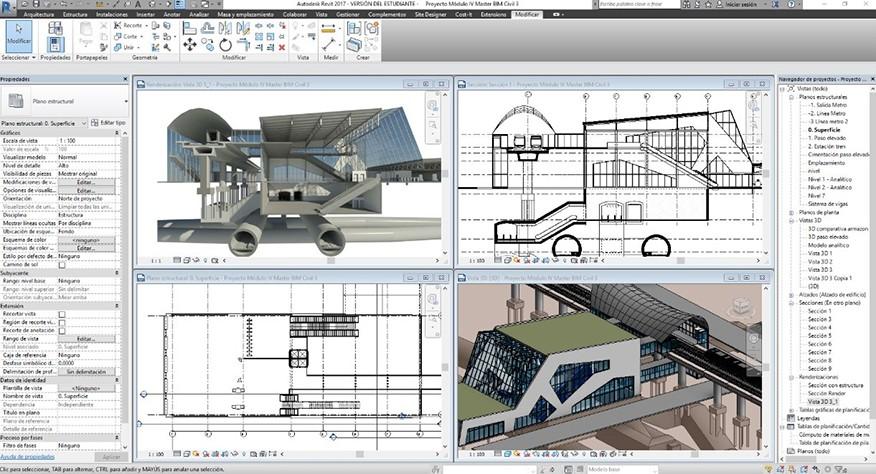
Image Credit: mediclinics.com
How to Choose the Right BIM Training Program
When selecting a BIM training program, consider the following factors:
1. Course Content & Software
- Ensure the course covers relevant BIM software like Revit, ARCHICAD, Tekla, or Navisworks.
- Check if it includes hands-on projects and real-world applications.
2. Certification Recognition
- Opt for certifications recognized by industry leaders and employers.
- Verify accreditation from organizations like Autodesk, RICS, or BuildingSMART.
3. Learning Format
- Choose between online BIM courses or in-person classes based on your schedule.
- Some courses offer self-paced learning, while others have live instructor-led sessions.
4. Career Benefits
- Ensure the program helps you develop industry-relevant BIM skills.
- Look for courses that offer career support, job placement, or networking opportunities.
Best BIM Training Programs for Engineers
Here are some top-rated BIM training programs you can consider:
1. Kaarwan BIM Certification Program
- Website: Kaarwan BIM Certification Program
- Level: Beginner to Advanced
- Duration: Varies
- Cost: Paid
- Why Take It?: Focused on civil engineers, this program provides industry-relevant skills and hands-on experience with real-world BIM applications.
2. Coursera – BIM Fundamentals by Autodesk
- Level: Beginner
- Duration: 5-6 weeks
- Cost: Free with certification available at a fee
- Why Take It?: Offers an Autodesk certificate upon completion, covering Revit basics.
3. LinkedIn Learning – BIM Management: Basics to Advanced
- Level: Intermediate to Advanced
- Duration: Self-paced
- Cost: Subscription-based
- Why Take It?: Perfect for professionals looking for structured learning.
4. RICS Online BIM Training
- Level: Advanced
- Duration: 6-8 weeks
- Cost: Paid
- Why Take It?: Provides globally recognized BIM Manager certification.
Final Thoughts: Is BIM Certification Worth It?
Absolutely! A BIM certification not only enhances your skill set but also makes you stand out in the job market. Whether you’re an entry-level engineer or an experienced professional, getting certified in BIM can open doors to better opportunities, higher salaries, and more challenging projects.
If you're serious about mastering BIM and taking your career to the next level, consider enrolling in an advanced BIM training course today!
Visit our website Kaarwan for more!
FAQs
1. What is the best BIM certification for engineers?
The best certification depends on your career goals. Kaarwan’s BIM Certification Program, Autodesk Certified Professional, and RICS BIM Manager Certification are highly recognized.
2.Are online BIM courses as effective as in-person training?
Yes! Many online courses provide hands-on projects, industry-recognized certificates, and flexibility, making them a great alternative to in-person training.
3.How long does it take to complete a BIM certification?
It varies. Some courses take a few weeks, while others, especially advanced certifications, may take several months.
4.Is BIM training expensive?
Costs range from free to several thousand dollars, depending on the course provider and certification level.
5.Do I need prior experience to start BIM training?
Not necessarily! Many beginner-friendly courses start with the basics before moving to advanced topics.