

Sustainability is no longer optional in the architecture, engineering, and construction (AEC) industry — it is a necessity. Modern projects require designs that minimise environmental impact while maximising efficiency. Building Information Modelling (BIM) has emerged as a powerful tool to achieve this, allowing professionals to visualise, simulate, and optimise sustainable solutions throughout a project’s lifecycle.
In this blog, we explore how BIM has been leveraged in India to deliver large-scale, sustainable infrastructure projects, highlighting three notable case studies.
Why BIM is Essential for Sustainable Architecture
BIM is more than 3D modelling; it is a comprehensive digital workflow integrating design, engineering, and construction information. When applied to sustainable architecture, BIM enables:
- Energy Efficiency: Simulating building performance to reduce energy consumption.
- Material Optimisation: Selecting environmentally friendly materials and reducing waste.
- Water Conservation: Integrating efficient plumbing and rainwater harvesting systems.
- Lifecycle Management: Evaluating the environmental impact of a building from design to operation.
By providing a centralised data-driven platform, BIM empowers architects, engineers, and contractors to make informed, sustainable decisions.
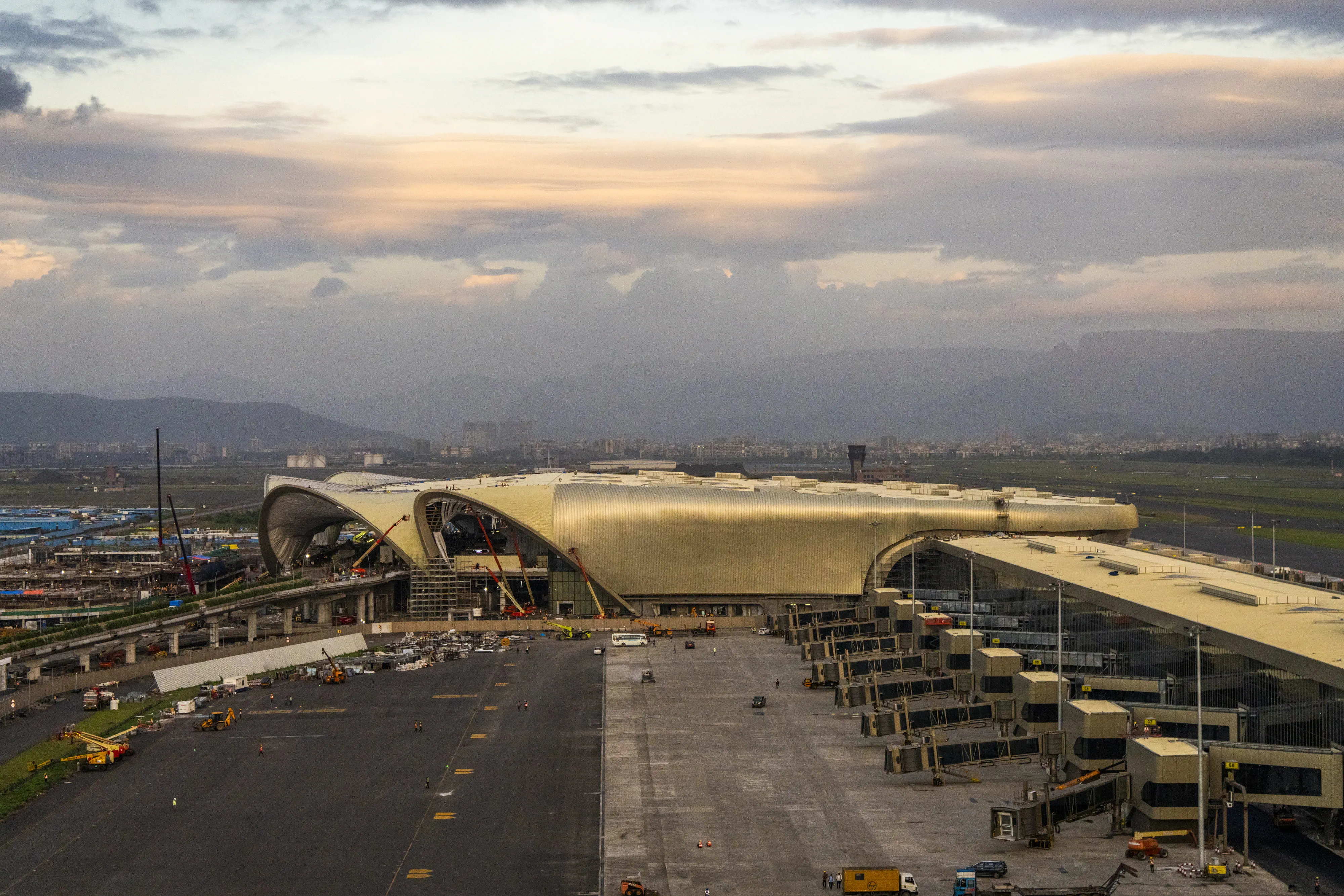
Image Source: Adani Group
1. Navi Mumbai International Airport (NMIA)
Location: Navi Mumbai, Maharashtra Technologies Used: Trimble Tekla for 3D modeling, Digital Twin integration, GIS
BIM Implementation & Sustainability:
- Digital Twin & BIM Integration: Enabled real-time monitoring of resources, predictive maintenance, and optimised construction schedules.
- Green Technologies: Solar power integration and sustainable aviation fuel storage.
- Passenger-Centric Design: Automated People Mover (APM) and electric buses to reduce emissions.
Impact:
- Enhanced coordination and operational efficiency.
- Reduced cost and material wastage.
- A sustainable blueprint for future greenfield airports.
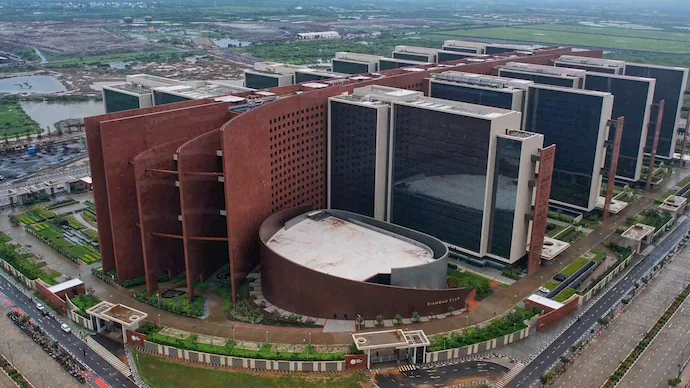
Image Source: India Today
2. Surat Diamond Bourse
Location: Surat, Gujarat Design Firm: Morphogenesis
BIM Implementation & Sustainability:
- Integrated BIM: Supported visualisation, clash detection, cost estimation, and scheduling.
- Collaboration: Strengthened coordination among multiple stakeholders.
- Energy Efficiency & Material Use: Optimised passive design strategies and incorporated eco-friendly construction materials.
Impact:
- On-time project delivery within budget.
- Improved operational management and sustainability performance.
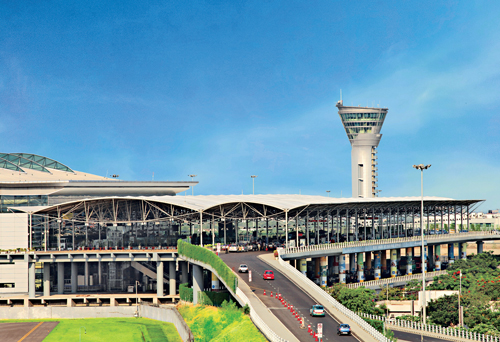
Image Source: Clean India Journal
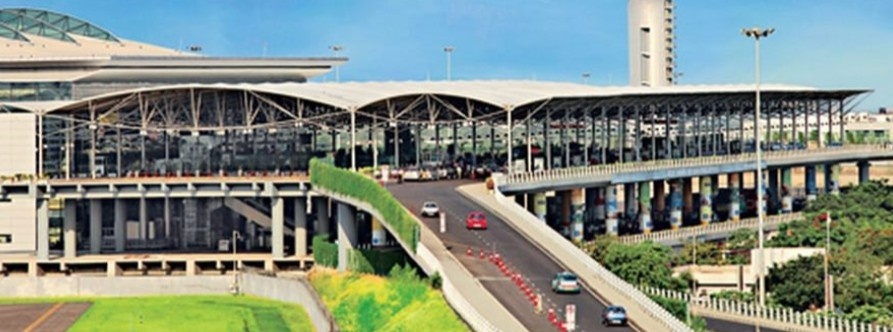
3. Rajiv Gandhi International Airport (Hyderabad)
Location: Hyderabad, Telangana
BIM Implementation & Sustainability:
- Terminal Expansion: BIM supported detailed 3D modelling and early clash detection for terminal expansion projects.
- Energy & Water Efficiency: Implementation of energy-saving systems and rainwater harvesting.
- Operational Planning: Optimised workflow for improved passenger experience and cost efficiency.
Impact:
- Increased passenger handling capacity through efficient design.
- Reduced long-term operational costs and environmental footprint.
4. FRESHBIM-FRESHDT – Sustainable Heritage through BIM, Digital Twins, and AI
The FRESHBIM-FRESHDT project, developed by Middlesex University, represents a pioneering approach to integrating BIM with sustainable heritage conservation. The initiative focuses on utilizing digital technologies to preserve and enhance the sustainability of historic structures.
Sustainable Strategies Implemented:
- Digital Documentation and Modelling: The project employs advanced BIM techniques to create detailed digital models of heritage buildings. This approach allows for precise documentation of existing conditions, facilitating informed decision-making in conservation efforts.
- Energy Efficiency Analysis: Through BIM, the project conducts comprehensive energy simulations to assess and improve the energy performance of historic buildings. This includes optimising insulation, glazing, and HVAC systems to reduce energy consumption while maintaining the building's historical integrity.
- Material Sustainability Assessment: The integration of BIM enables the evaluation of materials used in the restoration process. The project emphasises the use of sustainable materials that align with both conservation standards and environmental goals.
- Lifecycle Management: BIM facilitates the management of the building's lifecycle, from design through operation and maintenance. This holistic approach ensures that sustainability considerations are integrated at every stage, promoting long-term environmental stewardship.
Outcomes and Impact:
- Enhanced Preservation: The use of BIM allows for accurate restoration of heritage buildings, preserving their historical and cultural significance.
- Improved Sustainability: By optimising energy use and material selection, the project contributes to reducing the environmental footprint of heritage structures.
- Innovative Methodologies: The integration of BIM with digital twins and AI sets a precedent for future heritage conservation projects, demonstrating the potential of digital technologies in sustainable architecture.
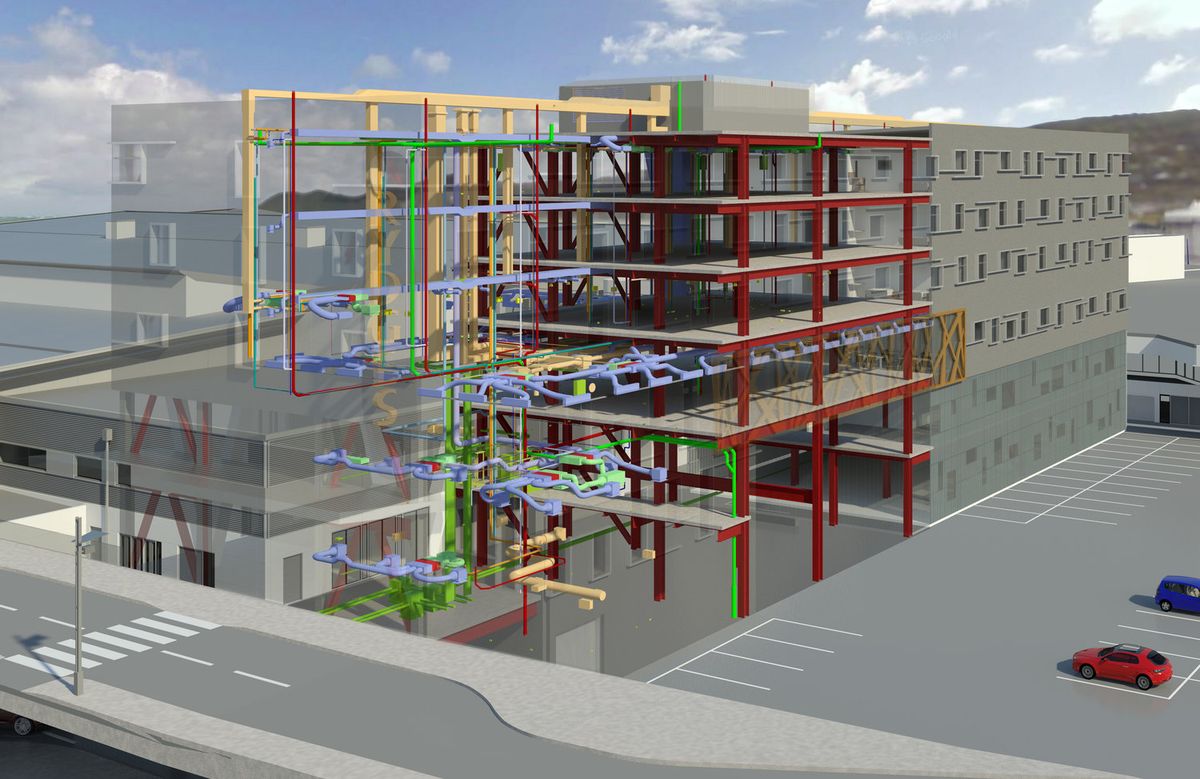
BIM in Action for Sustainable Design
1. Net-Zero Energy Building Design
A project team utilized BIM to design a net-zero energy building that produces as much energy as it consumes. BIM enabled real-time analysis of energy flows, solar panel placement, and HVAC system performance, leading to a structure that achieved superior energy efficiency and became a model for sustainable building design.
2. BIM-Based Building Performance Assessment in China
In central China, a teaching building project employed BIM for building performance assessment. The integration of BIM tools facilitated detailed simulations, leading to optimized energy use and improved environmental performance of the building.
3. BIM in Small-Scale Green Building Projects
A study explored the role of BIM in advancing sustainability in smaller-scale construction projects. The findings highlighted how BIM tools can be effectively utilised in small-scale projects to achieve significant sustainability goals, demonstrating BIM's versatility across different project sizes.
4. BIM for Efficiency and Sustainability in Indonesia
In Indonesia, a case study integrated BIM tools such as Autodesk Revit for 3D modelling and material sustainability analysis, Autodesk Navisworks for 4D scheduling and clash detection, and Microsoft Project for project planning. The results indicated that BIM significantly enhanced productivity by optimising work sequences, reducing project delays through clash detection, and supporting sustainable construction by assessing the carbon footprint of materials.
5. BIM and BREEAM Certification in Spain
In Seville, Spain, a multi-family residential building project employed BIM technology to comply with the BREEAM green certification standards. The use of BIM facilitated the integration of sustainability standards from the initial design phases, ensuring compliance with environmental assessment methods and contributing to the building's green credentials.
Benefits of BIM in Sustainable Architecture
- Enhanced Collaboration: BIM fosters collaboration among architects, engineers, and contractors, leading to more cohesive and sustainable designs.
- Cost Savings: By optimising material usage and energy efficiency, BIM can lead to significant cost savings over the building's lifecycle.
- Regulatory Compliance: BIM helps ensure that designs meet local and international sustainability standards and regulations.
- Risk Mitigation: Early detection of design conflicts and inefficiencies reduces the risk of costly changes during construction.
Conclusion:
The FRESHBIM-FRESHDT project exemplifies how BIM can be leveraged to achieve sustainable outcomes in heritage architecture. By combining digital modelling with energy analysis and sustainable material selection, the project not only preserves historical buildings but also enhances their environmental performance, setting a benchmark for future endeavours in the field.
Key Takeaways
- BIM Enables Sustainability: From energy efficiency to material optimisation, BIM integrates sustainability into every project stage.
- Collaboration & Coordination: BIM improves communication across architects, engineers, and contractors, minimising errors and material waste.
- Cost & Time Savings: Early clash detection, workflow optimisation, and lifecycle analysis reduce overruns.
- Scalable Across Project Types: Large infrastructure projects like airports, commercial complexes, and heritage buildings all benefit from BIM-driven sustainable practices.
“BIM is the bridge between sustainable design intent and real-world construction efficiency — it transforms ideas into high-performing, environmentally responsible buildings.”
FAQs
Q1: How does BIM support sustainable building design?
BIM enables energy simulations, material optimisation, water management, and lifecycle analysis, ensuring buildings are environmentally efficient from design to operation.
Q2: Can BIM be applied to heritage or small-scale projects?
Yes, BIM is versatile. Heritage conservation projects and smaller developments can leverage BIM for efficient, sustainable design and material management.
Q3: What are the long-term benefits of BIM in sustainability?
BIM reduces operational costs, improves resource efficiency, enhances collaboration, and helps comply with green building standards like LEED or BREEAM.
Q4: Is BIM expensive for sustainable projects?
While the initial investment in software and training exists, BIM often saves money in the long term by reducing material wastage, optimising workflow, and avoiding costly errors.




.png)