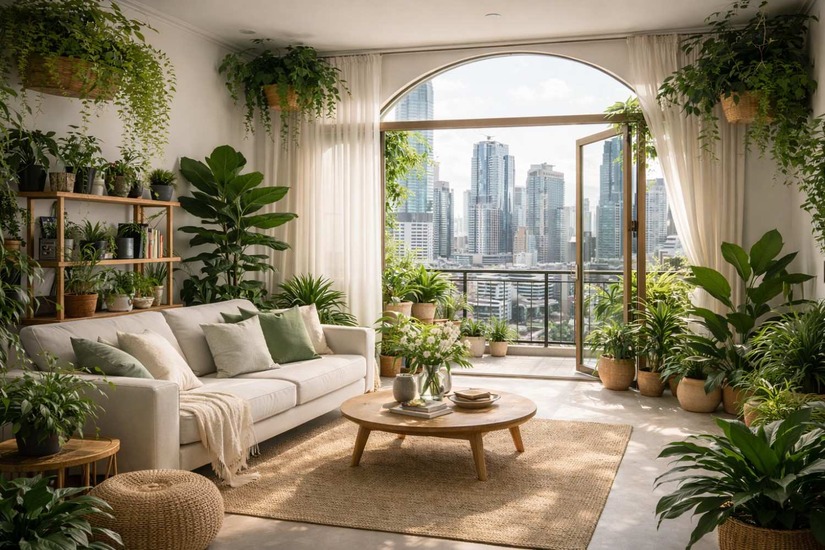
If you are someone who lives in a city, there are great changes that you might spend your time sitting indoors. In this busy city life, you might miss the greenery in the absolute smoke and dust of streets from home to your workplace, and your connection to nature might feel distant. But here the thing is, what people don't really think about. You might like plants or enjoy the beautiful views, but plants or nature can not just be enjoyable, but also have the magic to heal you, your mind, and your body to function better.
Well, you must be thinking, in that case, how can you stick close to nature, especially in your living area or your rooms? That's where biophilic interior design comes in. This is a design approach that focuses on bringing nature rooted in science that makes us feel close to nature in our living spaces. This not only makes your space lively, but also brings you positivity, peace, making you less stressed, improving your mood, and bringing you into a better focus state overall, giving you a perfect, comfortable greenery living experience, and more.
In this blog, we will walk through more about what biophilic design really is, why it matters more than ever in 2026, and how you can start applying these strategies in your own home, even if you're working with a small space or a tight budget.
_1769761928338.webp)
What Is Biophilic Interior Design?
Biophilic design is based on a simple idea to connect humans with nature. The term comes from the Greek words "biophilia," which means love of life. Biologist E.O. Wilson popularised this idea, explaining that our evolutionary past has made humans naturally drawn to living things and natural environments.
“Humans possess an innate tendency to seek connections with nature and other forms of life.” — E.O. Wilson
This interior design simply means to create space for nature through some plants or natural lighting, organic materials, making your spaces calm, naturally vibrant, and comfortable to be in. It goes beyond adding potted plants and adding nature to life, making our space easy to be in.
Why Biophilic Design Is Essential in 2026
Biophilic interior design ideas are becoming essential as modern lifestyles grow increasingly digital and stressful. Let's see how thoughtfully applying biophilic interior design can benefit us.
Mental Health & Stress Reduction
_1769762193307.jpeg)
In our day-to-day lives, especially in our digital lifestyles, we have multiple reasons that can bring us stress and anxiety, causing other health problems. And many people take various precautions to take care of their mental health as a priority. But Biophilic design can directly help you by creating spaces that feel soothing and refreshing.
Enhanced Focus & Productivity

No matter what activity you carry out at your home, your environment plays a huge role in how focused or consistent you are. These Biophilic elements, greenery, and natural light have a major impact to improve attention span and cognitive function. Your mind just feels relaxed and works better when it's in a space that feels alive and connected to nature.
Physical Health Benefits
_1769762499294.jpeg)
Biophilic design also tends to support your physical health in many ways. Mainly, it helps you breathe fresh air by improving the air quality and reducing respiratory issues. Natural light helps regulate your sleep-wake cycle, so you sleep tight at night. It also helps you boost your immune function by making your environment healthy and balanced.
Core Elements of Biophilic Interior Design
These biophilic interior design elements form the foundation of effective biophilic interior design for homes, helping create balanced, healthy spaces through nature-inspired design principles. Here are the key elements you'll want to think about when creating a biophilic space:
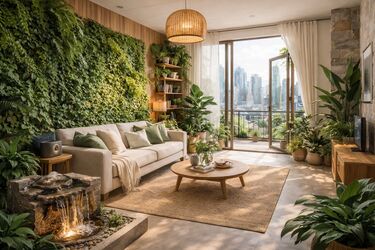
1. Natural Light & Ventilation
Sunlight is one of the most powerful mood boosters. Let that sunshine come in from your big windows, sheer curtains, and the light-colored walls that reflect brightness. If possible, increase the size of your windows or ventilation, as Good ventilation keeps the air fresh and circulating.
2. Indoor Plants & Living Walls
Plants are the main core and heart of biophilic design. There are several plants, small to big, that grings there own essence into your life, making it more colourful and bringing more fragrance, making the air clearer in your space.
3. Natural Materials
Using organic material for your interior styles, furniture, flooring, and décor adds more warmth to your living space. The stone brings more texture, while bamboo offers sustainability. These materials feel good to touch, adding a unique style to your room.
4. Water Features & Natural Sounds
A small indoor fountain or even some natural sounds of ocean waves or rain recorded and played in the room create a calming atmosphere. Making you feel closer to nature, healing you more than any music.
6. Nature-Inspired Colour Palettes
The colours of nature are so incredible that they not only keep you excited but also make you feel calmer and connect your space visually to the natural world, engaging you more than just a sight. Those greens, browns, soft blues, and warm beiges are more likely beautiful natural colour combinations that will make your living space more aesthetic.
Proven Biophilic Design Strategies for Indian Homes
These biophilic design strategies for Indian homes are adapted to local climates, lifestyles, and spaces, making nature-inspired interior design practical, sustainable, and easy to maintain.
Maximise Natural Light
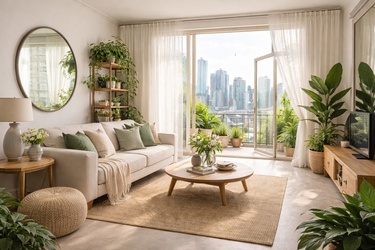
Make the most of the daylight by using net curtains, placing mirrors opposite to windows, and choosing light wall colours like whites, creams, or soft pastels for better light reflection.
Choose Low-Maintenance Indoor Plants
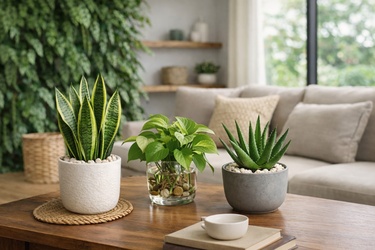
Plants that need low maintenance, such as snake plants, money plants, and aloe vera, are easily available in Indian conditions. Start with living rooms or bedrooms, or you can also add this to your tables.
Use Locally-Sourced Natural Materials
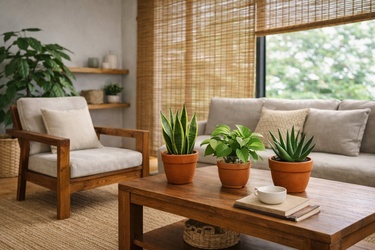
Incorporate teak or rosewood furniture, terracotta planters, jute rugs, and bamboo blinds. These materials add warmth, support local artisans, and are environmentally responsible.
Create Indoor–Outdoor Connections
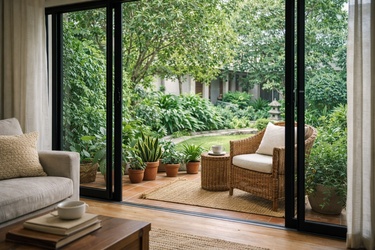
Transform balconies into green corners, keep windows open for fresh air, or highlight courtyards as natural focal points; even a small “nature zone” makes a difference.
Room-by-Room Biophilic Design Guide
This room-by-room guide shares practical biophilic interior design ideas to help you apply these in your homes thoughtfully so that you can create comfortable, nature-inspired spaces.
Let's walk through this one by one.
Living Rooms
Large windows, a cluster of indoor plants, natural wood furniture, and soft linen textiles create a welcoming, grounded space for family time.
Bedrooms
Calming greens and blues, low-light plants like snake plants or peace lilies, and organic cotton bedding promote relaxation and better sleep quality.
Home Offices & Study Spaces
Position your desk near a window for natural light, add a pothos plant for air purification, and use wood or bamboo accessories to keep the space focused yet calm.
Kitchens
Grow a small herb garden on your windowsill, use natural wood cabinets, and consider stone countertops for a warm, earthy cooking environment.
Bathrooms
Turn your bathroom into a spa-like retreat with moisture-loving plants like ferns or orchids, natural stone tiles, and bamboo accessories.
Tips for Implementing Biophilic Interior Design
These practical tips focus on sustainable interior design and healthy interior design approaches, helping you create nature-connected spaces that support well-being without major renovations.
Start Small and Stay Budget-Friendly
You don’t need a full renovation in your house to adopt biophilic design. Begin with a single indoor plant that is easily available, or by rearranging furniture to improve natural light flow.
Assess Your Space and Set Clear Goals
Decide your goal for the room, what type of condition you want to achieve, is it calm, focus, or energy? Understanding your needs, along with factors such as room size and sunlight conditions, helps guide better design choices.
Choose Plants That Fit Your Lifestyle
Select low-maintenance plants if you travel frequently, and if you have your pet around, make sure they are pet-friendly. Your plant choices should match your daily routine.
Layer Natural Textures Thoughtfully
To add depth and visual interest in your space, you can mix and use materials like wood, stone, fabric, and metal to make it more interesting. Make sure to make it subtle to avoid clutter.
Seek Professional Guidance When Needed
If you have a large space or you are looking to turn that room more soothing for professional reasons, you can take help from design professionals, or also some structured interior design courses can provide practical biophilic principles and hands-on guidance.
Common Mistakes to Avoid
- Overloading with too many plants—A few well-placed plants work better than a jungle that's hard to maintain. Too much can lead to confusion and chaos.
- Ignoring maintenance requirements – Taking care of plants like a human is sometimes not possible, so choose plants you can actually care for.
- Using fake plants instead of real ones – Fake plants might never lose their green, but they don't purify air nor add any psychological benefits, whereas real plants do.
- Blocking natural light – Don't place tall furniture or heavy curtains in front of windows. Light is precious, especially in small spaces.
- Choosing wrong plants for your space or climate – Research your plants before buying based on your living conditions. A tropical plant won't survive in low light.
- Neglecting colour psychology – Colours impact mood. Try avoiding overly bright or harsh tones in spaces, especially in those room which is meant for rest.
Want to Master Biophilic Interior Design Professionally? Explore the Interior Design Advanced Certification Course — a comprehensive program covering key concepts like biophilic interiors, spatial planning, material studies, and practical projects.
Conclusion
Biophilic interior design isn't complicated or expensive. It's about reconnecting with nature in the spaces where you spend most of your time. Especially in the days when we spend most of our time indoors and barely have time to connect with nature. Biophilia gives us the feeling that nature is close to us, helping us to balance our overwhelming life with peace and saving our sanity. Whether it's a single plant on your desk, better use of natural light, or a full room redesign with organic materials, every step makes a difference.
Start small, stay consistent, and pay attention to how your space makes you feel. If you're serious about mastering interior design principles, including biophilic strategies, check out Kaarwan's Interior Design courses to learn from industry professionals and build spaces that truly support well-being.
FAQs
1. What is biophilic interior design?
Biophilic interior design focuses on connecting indoor spaces with nature by using natural light, plants, organic materials, and nature-inspired elements.
2. How does biophilic design improve well-being?
It reduces stress, improves mood, enhances air quality, and creates a healthier, more calming living or working environment.
3. Can biophilic interior design help improve focus and productivity?
Yes, exposure to natural elements like daylight and greenery has been proven to boost concentration, creativity, and overall cognitive performance.
4. What are the easiest biophilic design strategies to implement at home?
Simple strategies include adding indoor plants, maximising natural light, using natural materials like wood or stone, and improving ventilation.
5. Is biophilic design suitable for small spaces or apartments?
Absolutely. Even small changes such as potted plants, natural textures, or nature-inspired colours can make a noticeable difference in compact spaces.
6. Which plants are best for biophilic interior design?
Low-maintenance plants like snake plants, pothos, peace lilies, and areca palms work well, especially for indoor Indian homes.
7. How does biophilic design improve indoor comfort?
It helps regulate temperature, improves lighting quality, reduces noise, and creates a visually soothing environment that feels more comfortable.
8. Does biophilic interior design improve indoor air quality?
Yes, indoor plants and better ventilation help filter pollutants and increase oxygen levels, improving overall air quality.
9. Is biophilic design expensive to implement?
Not necessarily. Many biophilic elements can be introduced affordably, such as natural fabrics, plants, or rearranging furniture to maximise daylight.
10. Can biophilic interior design be used in offices as well?
Yes, biophilic design is highly effective in offices, helping reduce fatigue, improve employee well-being, and enhance workplace productivity.