

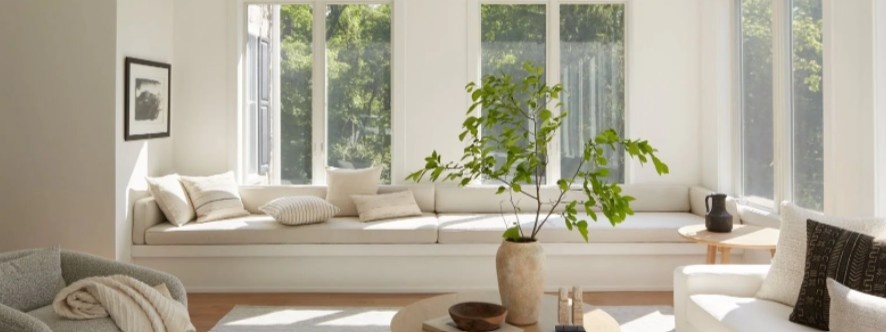
Creating a home isn’t just about aesthetics—it’s about well-being, comfort, and conscious choices. From the materials you select to the layout of rooms, each decision impacts your health and daily life. This guide explores practical, personal, and mindful strategies for interiors that support healthy living and sustainable lifestyles.
Sustainable Choices for Breathable, Comfortable Homes
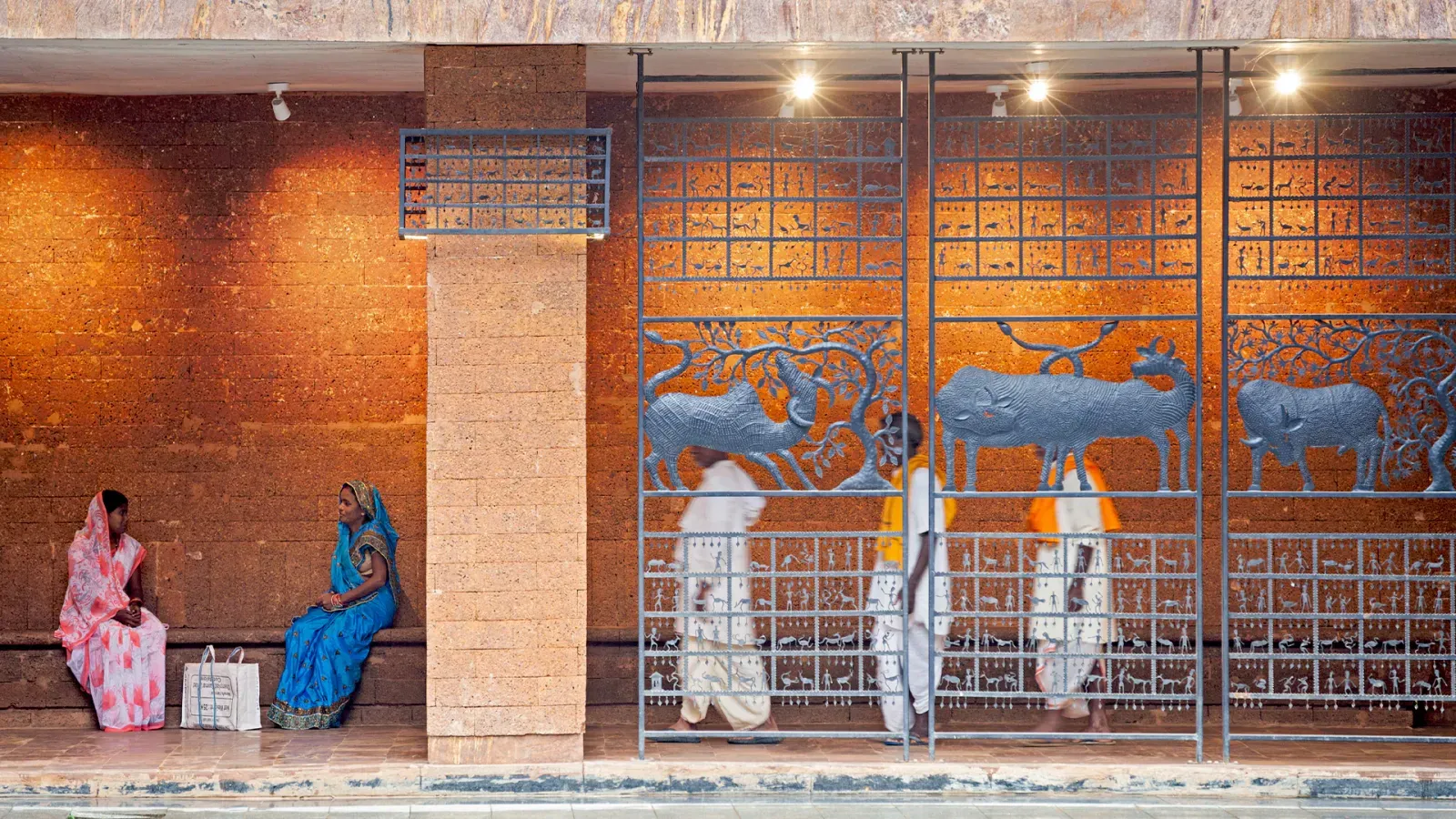
Image Source: Krushi Bhavan by Studio Lotus
1. Form & Structure: The First Breath of Your Home
Before you even think of décor, the bones of a building matter:
- Material Matters: If your builder uses Fly Ash Bricks, verify the pollution index and quality—over the years, poor-quality bricks can affect the air you breathe.
- Alternative Options: For independent homes, consider stone for sill-level construction, followed by mud bricks, lime, or sustainable cement alternatives.
- Layout Choices: Decide between boxed structures or organic flows. Do you prefer a mobile lifestyle (homes on wheels) or owning expansive land? Your home should align with your lifestyle and long-term vision.
Reflection: Many invest life savings in static homes or farmlands, anchoring themselves in one location. But is this limiting freedom and exploration? Thoughtful design considers both roots and adaptability.
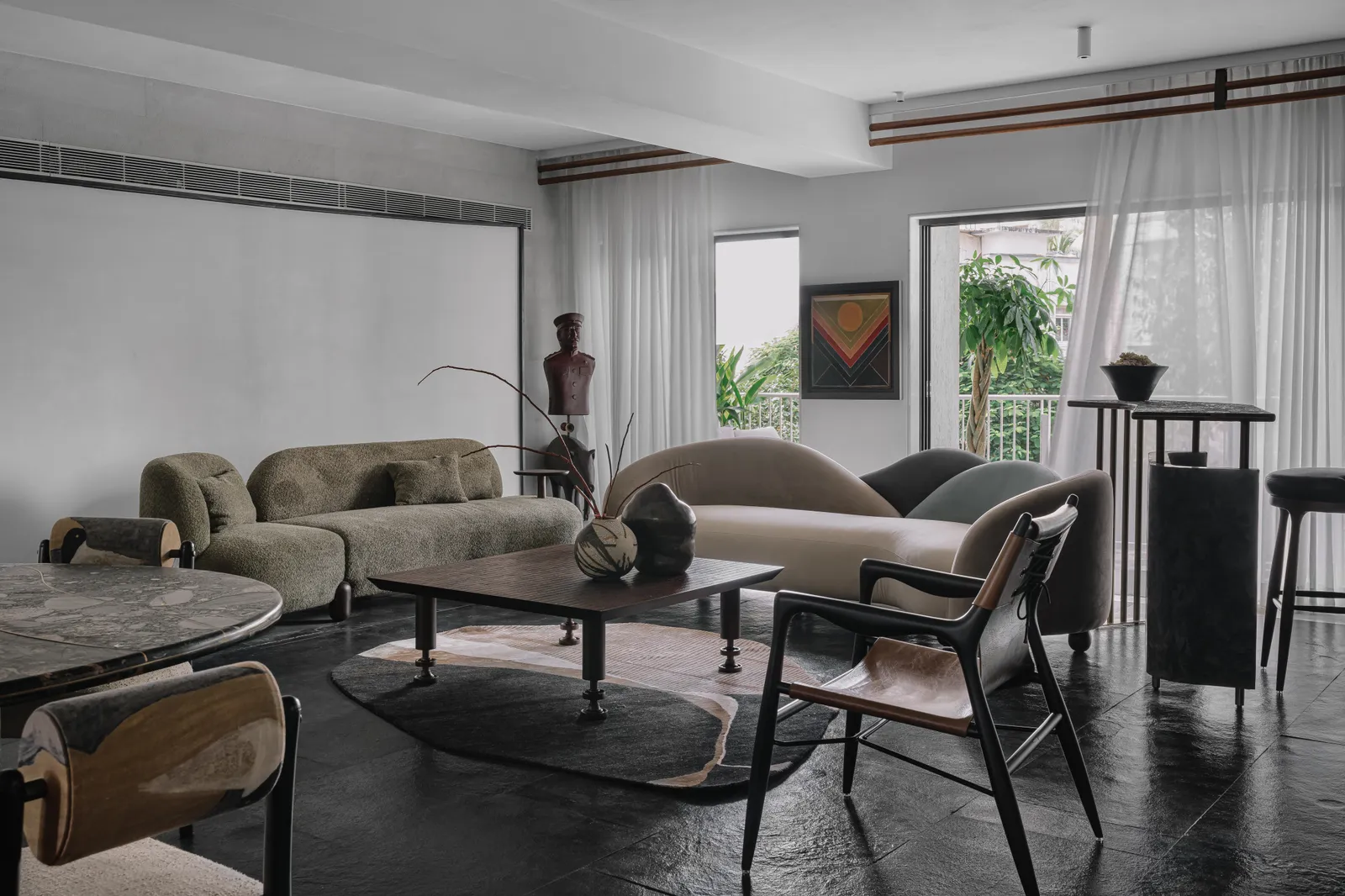
Image Source: Ishita Sitwala AD, Floor Highlight
2. Flooring & Comfort: Where Every Step Matters
- Ergonomics & Lifestyle: Flooring choice affects comfort and safety. For long sitting hours, ergonomic chairs and cushioned surfaces protect your posture. For elderly family members, slip-resistant tiles or kaddappa flooring ensure safety.
- Function with Trends: Sometimes trends are kept above function, like a trend to imply marble flooring everywhere as a pursued status goal. Result: Brutal accidents and slips, since marble water is hardly visible, then other accessories like shower/water mats. Instead, opt for natural/grained textured floors. Consider terracotta, mosaic, or locally sourced tiles (like Kadappa) - sustainable and timeless. Tip: Always avoid overly slick surfaces where water is present (bathrooms, kitchens).
- Sustainability: Factor in material sourcing, transportation impact, and local ecosystem sensitivity. Even broken tile mosaics can become functional, aesthetic surfaces for porches or terraces.
Tip: Prioritize comfort, longevity, and environmental impact over ostentatious designs.
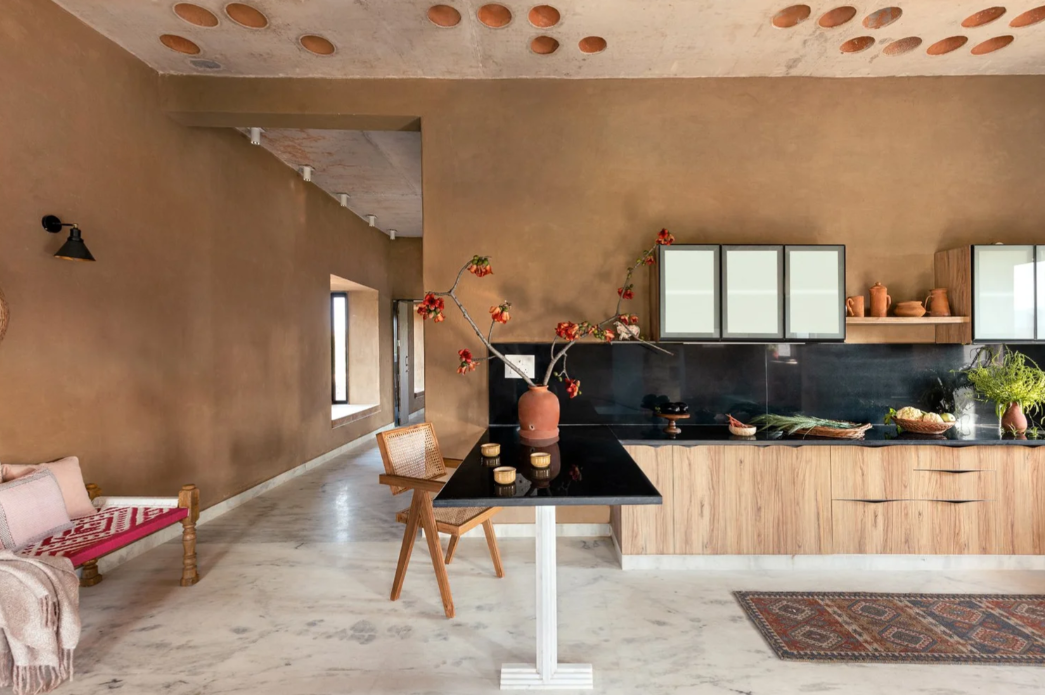
Image Source: Stone House by Sketch Design Studio
3. Walls: Breathing, Health & Aesthetics
- Avoid Sick Building Syndrome: Modern cement walls trap moisture and chemicals, fostering mould—a silent health hazard linked to fatigue, allergies, and respiratory issues.
- Lime & Mud Plasters: Natural alternatives like limewash or mud plasters allow walls to breathe, regulate humidity, and reduce mould. Try plastering lime on normal brick walls as well to allow them to be more breathable!
“Once inside, cement and concrete hold water. We add plastic paints, making the walls suffocated. Lime and mud allow water vapour to pass, keeping the structure dry and balanced.”
- Curtains & Fabrics: Opt for breathable fabrics like cotton, khadi, or khush grass, which regulate air and humidity naturally.
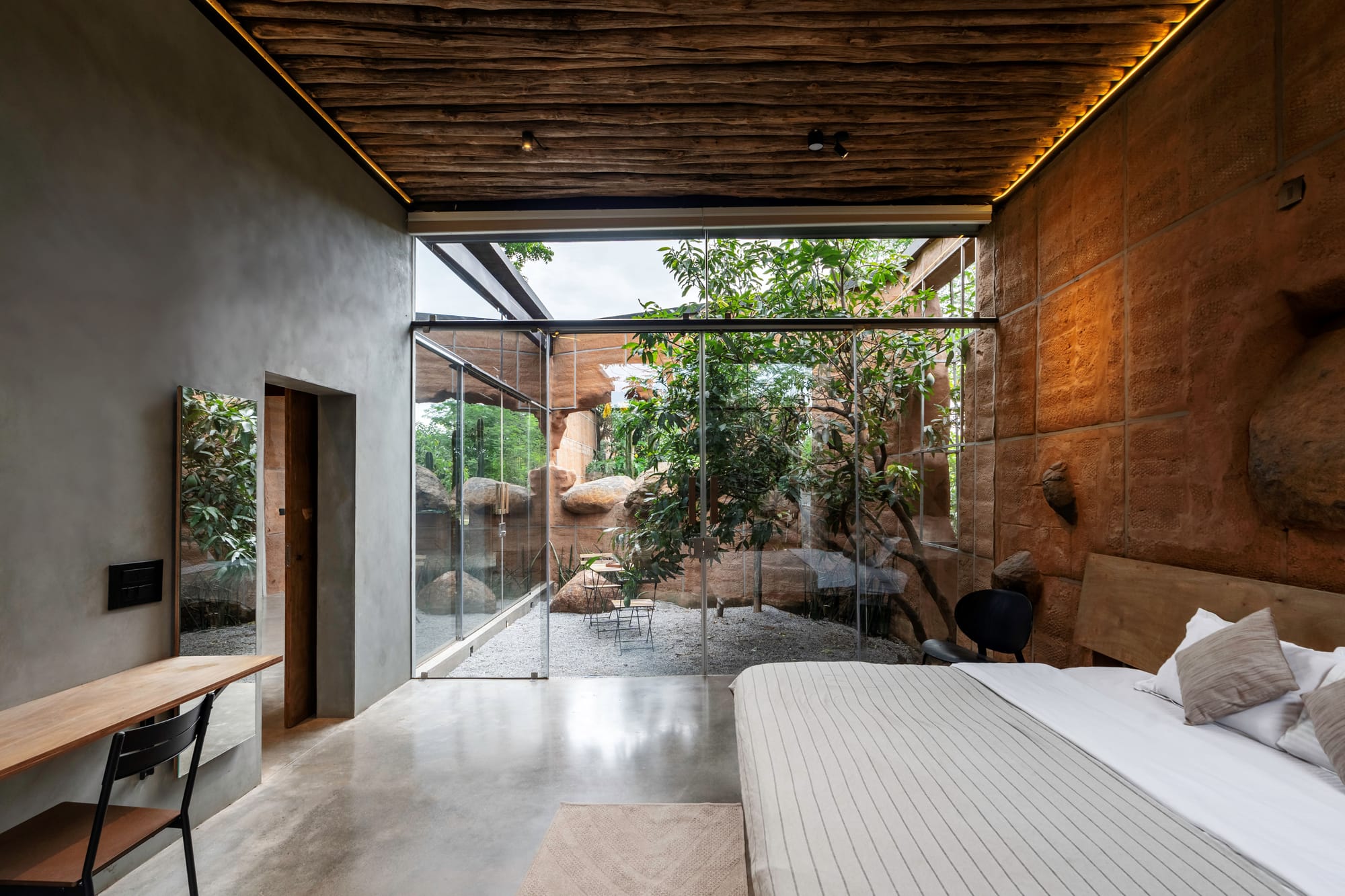
Image Source: Buildofy, Captured by Mohammed Ziad
4. Ceilings & Furniture: Balancing Functionality with Style
- Ceilings: False ceilings are optional. If used, consider PCM materials for passive-active cooling. For traditional or eco-conscious aesthetics, matka ceilings provide charm and adaptability.
- Furniture Choices: Follow comfort, not just trends. Foldable beds, low-height platforms, or ergonomic designs can suit compact spaces and family needs.
- Materials & Craftsmanship: Solid wood is durable, but joinery, varnish, and furniture ergonomics determine longevity. Modern lifestyles may benefit from cushioned or modular furniture.
Tip: Built-in furniture often saves cost, space, and enhances aesthetics.
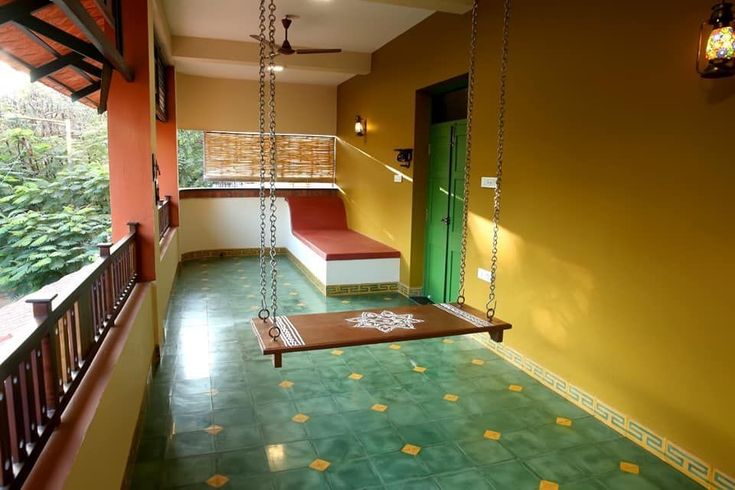
Image Source: vernarch.com
5. Colour & Personal Expression
- Tones and Textures that Ground: Raw, earthy tones, emerald green, deep navy, earthy maroon, burnt orange —along with textured stone or brick finishes create grounding, soothing spaces.
- Practical Advice: White, yellow, or partial wall finishes work to give a neat look, allowing light to make the space look brighter and more spacious.
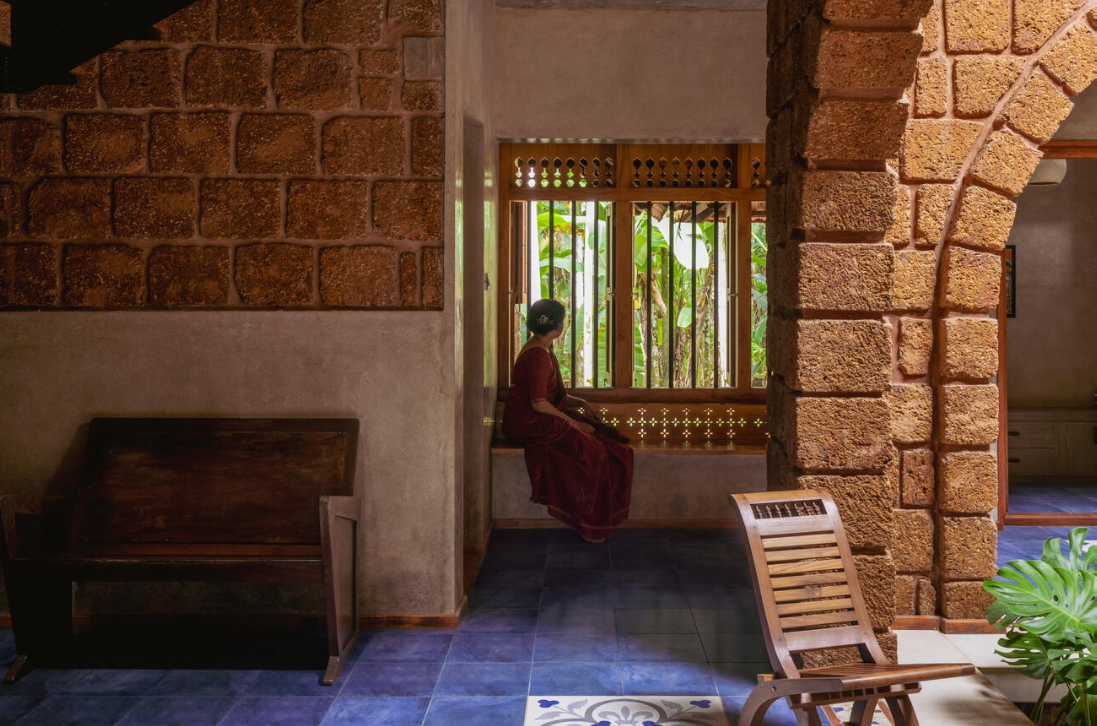
Image Source: Bhoomija Creations
6. Sustainable & Conscious Design: Small Choices, Big Impact
- Resource/Material Sourcing: Choose locally available materials to reduce carbon footprint.
- Air Quality: Ensure natural ventilation, breathable wall and floor materials, and avoidance of high off-gassing paints or plastics.
- Lifestyle Alignment: Your interior should reflect personal habits, ergonomics, and spiritual well-being. Sustainability isn’t only physical—it’s also mindful living.
Designing for Life, Not Trends
Healthy interiors are about making conscious, informed, and personal choices. Whether it’s flooring, walls, furniture, or color schemes, your decisions should support lifestyle, comfort, and well-being.
- Prioritise ergonomics over opulence.
- Respect material quality and craftsmanship.
- Think long-term sustainability and health impacts.
A well-designed interior isn’t just beautiful—it nurtures the body, mind, and soul.
FAQs
How can interior design improve indoor air quality?
Choosing breathable walls, natural finishes, proper ventilation, and sustainable furniture reduces toxins and promotes healthier air.
What flooring materials are best for a safe, healthy home?
Materials like terracotta, Kaddappa tiles, mosaics, or reclaimed wood provide ergonomics, grip, and sustainability.
Why choose mud or lime walls over cement?
Mud and lime walls are vapour-permeable, antimicrobial, and naturally regulate moisture, reducing mould growth and Sick Building Syndrome.
How can furniture choices support a healthy lifestyle?
Ergonomic, foldable, or adaptive furniture enhances comfort, prevents strain, and encourages flexible spatial use.
How does colour and fabric choice affect wellness?
Earthy tones and breathable fabrics like cotton and khadi balance mood, promote airflow, and reduce allergens.




.png)