Creating a professional network in parametric design architecture is key to advancing in this evolving field. Networking connects you with industry leaders, expands your knowledge, and opens doors to new opportunities. This article will help you learn about effective ways to cultivate meaningful professional relationships, covering strategies, tools, and practical tips to establish a strong, beneficial network.
Why Networking Matters in Parametric Design Architecture
Networking provides countless benefits, from learning new skills to accessing job opportunities. In the parametric design architecture industry, where cutting-edge tools like Rhino and Grasshopper are essential, having a network of mentors, peers, and professionals can keep you ahead.
A recent survey from LinkedIn shows that 85% of jobs are filled through networking connections, which emphasizes the importance of making and maintaining contacts in the industry. Especially in architecture, where innovation and technology evolve rapidly, staying informed about tools like Rhino is crucial. So, how do you begin building these essential connections?
Getting Started: Identify Your Networking Goals
Before diving into networking, take a moment to clarify your objectives. Are you aiming to learn advanced parametric design techniques, or are you looking for opportunities in specific architectural firms? Having clear goals can make your networking efforts more focused and effective.
Key Questions to Define Your Goals:
- What skills or tools do you want to master, like Rhino and Grasshopper?
- Are you looking for mentors or peers who can guide your career?
- Are you seeking potential collaborations, projects, or job opportunities?
Starting with a defined purpose can streamline your efforts and make each networking interaction meaningful.
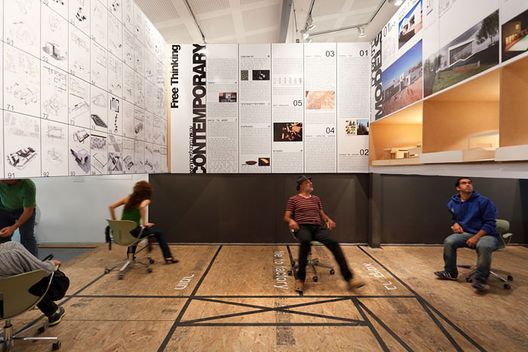
Architects networking at SO100 Exhibition by SO Architecture_©Shai Epstein via archdaily.com
1. Use LinkedIn to Connect with Industry Professionals
Leverage LinkedIn’s Power for Architecture Networking
LinkedIn is the largest professional networking platform globally, with over 875 million users. For parametric design professionals, LinkedIn is an excellent place to showcase your skills, projects, and interests.
Tips for Effective LinkedIn Networking
- Optimize Your Profile: Include keywords like parametric design architecture and skills like Rhino and Grasshopper to attract relevant connections.
- Engage Actively: Comment on posts from industry leaders and engage in discussions related to architecture.
- Join Relevant Groups: LinkedIn has groups dedicated to parametric design, architecture software, and more. Active participation in these groups can help you connect with like-minded professionals.
2. Attend Industry Conferences and Workshops
The Power of Events in Building a Network
Industry events like workshops and conferences are ideal for connecting with experts. Parametric design is a dynamic field, with new techniques, software updates, and architectural trends emerging regularly. Participating in events provides insights and gives you direct access to professionals in this specialized domain.
Popular Events to Consider
- ACADIA Conference: Known for focusing on architectural computing and digital design.
- Rhino and Grasshopper Workshops: Many institutions and companies offer workshops. These provide hands-on learning and networking opportunities.
Engaging in these events fosters relationships with experts and keeps you informed on advancements in tools like Rhino. You may also come across future colleagues or even potential employers.
3. Join Online Communities Focused on Parametric Design
Benefits of Online Communities
In the digital era, networking isn’t limited to in-person events. Online communities on platforms like Reddit, Discord, and specialized forums for Rhino and Grasshopper users are excellent networking resources.
Online Communities to Explore:
- Rhino Community Forum: A dedicated space for users to discuss issues and share insights.
- Grasshopper3D Forum: Known for advanced discussions and practical tips in parametric modeling.
- Reddit’s r/architecture and r/Rhino: Subreddits with thriving communities discussing trends, sharing projects, and answering questions.
Active participation in these communities helps establish your presence and connect with professionals who can offer advice or collaboration opportunities.
4. Enroll in Certification Courses and Workshops
Enhance Skills and Build a Network Simultaneously
Taking a Rhino course or certification program is a fantastic way to develop specialized skills while meeting others in the field. Certification courses often connect students with industry professionals through projects and group work, fostering a strong learning community.
Top Benefits of Certification Courses for Networking:
- Access to Industry Mentors: Many courses are taught by seasoned experts, who can become mentors.
- Project-Based Networking: Collaborative projects allow you to build connections with peers who may become valuable contacts.
- Resume and Portfolio Boosting: Certification demonstrates commitment to professional growth, a quality highly regarded by employers.
5. Build a Strong Online Portfolio and Personal Website
Showcase Your Skills and Projects Publicly
A personal website or portfolio can be an impressive tool in building your network. By showcasing projects that highlight your parametric design architecture skills, you give others a glimpse into your expertise. Sites like Behance, Dribbble, or a custom website can serve as digital business cards, making it easy for potential collaborators or employers to find you.
Portfolio Essentials for Parametric Design
- Highlight Key Projects: Include detailed explanations of your parametric designs and any specialized tools used, such as Grasshopper.
- Feature Certifications: Mention any completed courses, like a Rhino course, to boost your credibility.
- Add a Blog Section: Share your knowledge on architecture, which can attract readers and grow your professional reputation.
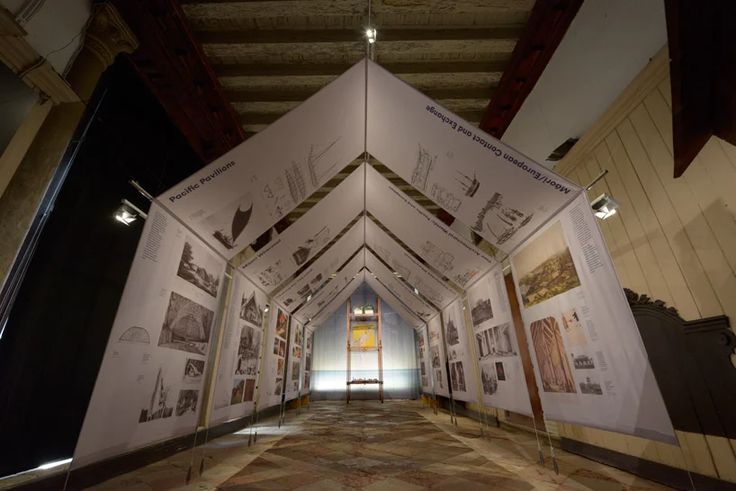
Architects networking at the New Zealand pavilion at the Venice architecture Biennale 2014_©designboom.com
6. Seek Mentorship Through Professional Organizations
Find Mentors to Guide Your Journey
Mentorship can accelerate your growth in parametric design. Organizations such as the American Institute of Architects (AIA) and local architectural societies often have mentorship programs that connect young professionals with experienced architects.
Tips for Approaching a Mentor:
- Be Clear About Your Goals: Let them know what you aim to learn.
- Respect Their Time: Prepare specific questions to make your meetings productive.
- Show Appreciation: Acknowledge their time and insights, which can foster a lasting relationship.
Building a network through mentorship not only benefits your knowledge but can also create connections with their wider professional network.
7. Collaborate on Open-Source Projects
The Power of Collaborative Learning
Collaborating on open-source projects, especially in parametric design, helps you learn while working alongside skilled professionals. Platforms like GitHub have projects that rely on Rhino and Grasshopper, offering you real-world experience and expanding your network.
Advantages of Joining Open-Source Projects:
- Skill Enhancement: Apply what you’ve learned in a practical setting.
- Build Connections: Collaborate with skilled individuals in the industry.
- Showcase Your Skills: Completed projects serve as a testament to your capabilities and can be added to your portfolio.
Conclusion
Building a professional network in parametric design architecture is a journey that can open doors to exciting career opportunities. By leveraging tools like Rhino and Grasshopper, attending industry events, joining online communities, and engaging in collaborative projects, you can connect with experts, mentors, and potential employers. Each connection made today could be a step towards your future growth.
Ready to boost your skills in parametric design architecture? Join our Advance Rhino & Grasshopper Certification Course now and network with industry leaders!
Visit the Kaarwan website for more insights!
FAQs
1. What materials are used in parametric architecture?
Parametric architecture often uses adaptable materials like concrete, glass, steel, and lightweight composites. These materials can be precisely shaped and modified, allowing designers to achieve complex forms and structures.
2. What is parametric design in BIM?
Parametric design in Building Information Modeling (BIM) uses algorithms and data-driven processes to create adaptable, optimized architectural models. It enables adjustments to be made efficiently, enhancing precision and collaboration.
3. What software does Zaha Hadid Architects use?
Zaha Hadid Architects typically uses software like Rhino, Grasshopper, Revit, and Maya. These tools facilitate complex modeling, parametric design, and visualization, aligning with their signature fluid, futuristic designs.
4. What is the philosophy of parametric design?
Parametric design philosophy emphasizes design adaptability and data-driven architecture. It enables architects to create responsive, efficient, and customized structures by manipulating parameters and embracing a more dynamic design approach.
5. What are parametric tools?
Parametric tools, like Rhino and Grasshopper, are software applications that allow designers to create complex, rule-based forms. They enable the creation of adaptable models by adjusting parameters to control shapes and optimize designs.