

Birds are often the first to remind us of the health of our ecosystems. Yet, in cities and rural areas alike, architecture unintentionally poses some of the greatest threats to them. Glass collisions, habitat loss, and noise pollution are just a few of the dangers buildings create for bird populations. As awareness grows, architects and designers are now asking: How can we make our built environments bird-friendly?architectural
This blog explores materials, design methods, and case studies that demonstrate how architecture can protect bird species while still meeting human needs.
Why Bird-Friendly Design Matters
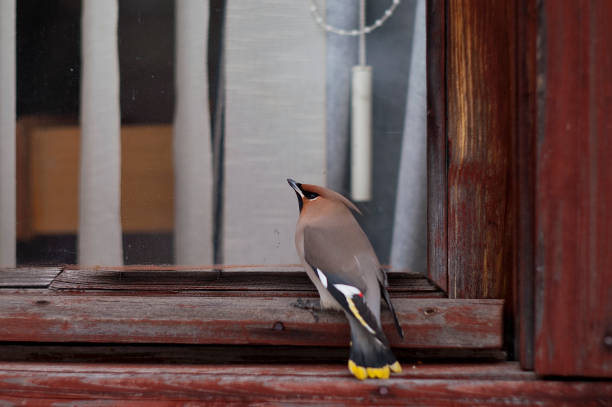
- Collisions: An estimated one billion birds die each year globally from colliding with glass buildings.
- Habitat Loss: Expanding cities reduce natural spaces, especially nesting and feeding grounds.
- Light Pollution: Artificial night lighting disorients migratory birds.
By designing with birds in mind, architecture can reduce these risks while creating healthier, more sustainable environments for all.
_1757394674765.jpg)
Materials for Bird-Friendly Architecture
When designing bird-friendly spaces, materials are not just about aesthetics or durability—they influence how birds perceive and interact with the building.
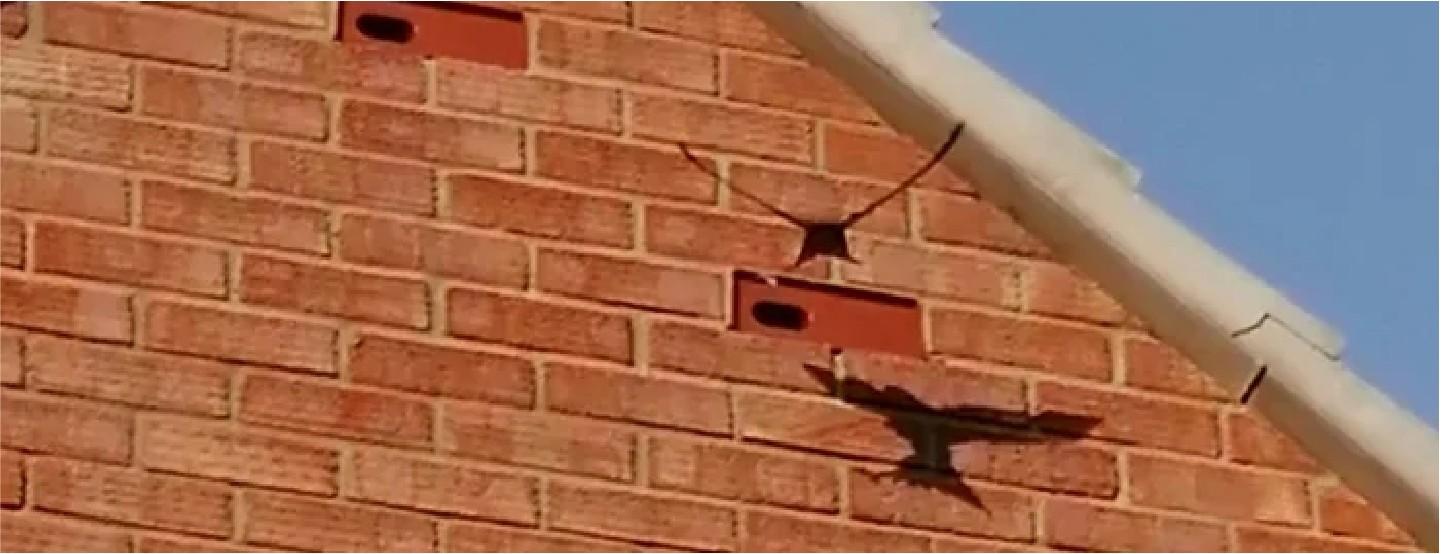
- Brick with Built-in Niches: Bricks or blocks can be designed with cavities that serve as nesting pockets for small bird species. This approach revives traditional methods, where mud walls and stone ledges offered safe resting points.
- Bricks or blocks can be designed with cavities that serve as nesting pockets for small bird species.
- This approach revives traditional methods, where mud walls and stone ledges offered safe resting points.
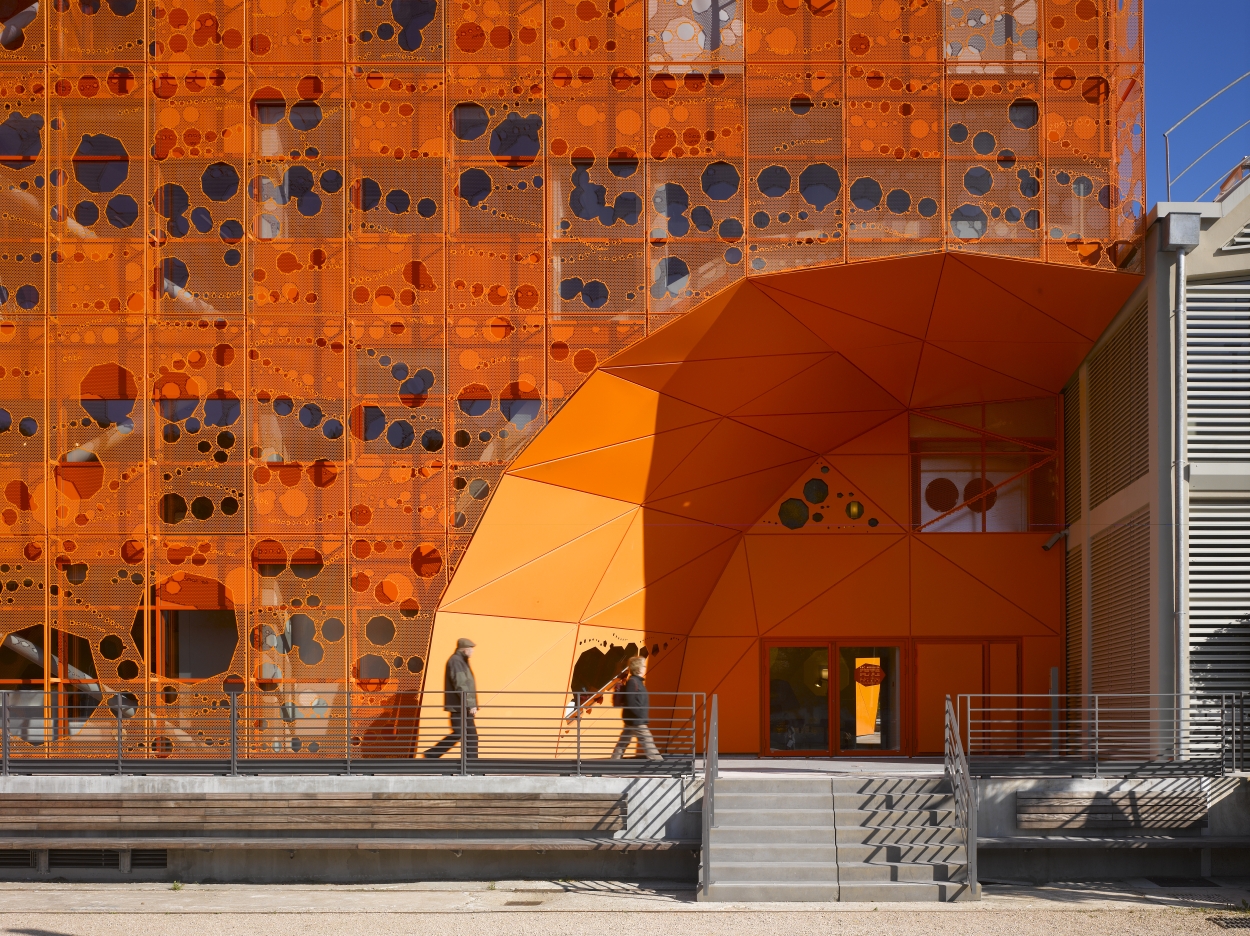
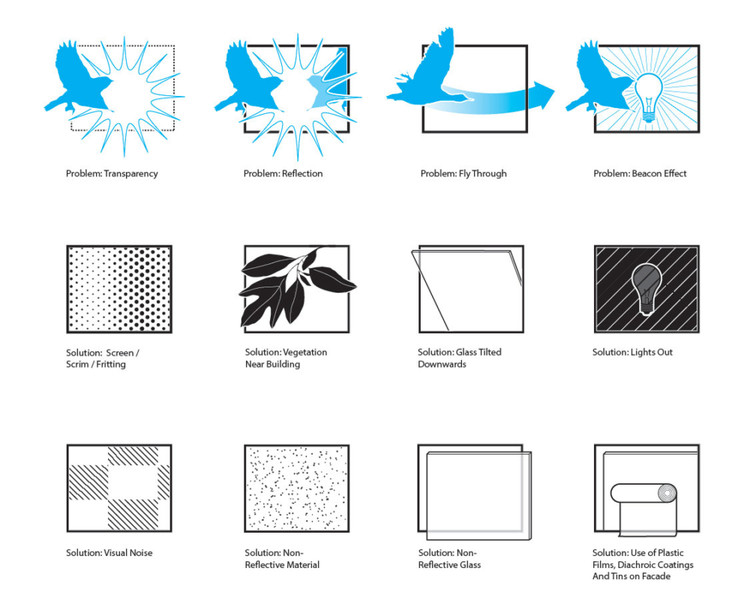
- Bird-Safe Glass (Selective Use Only): While large reflective glass surfaces pose risks, small portions of treated or fritted glass can be used where visibility is essential. Skylights with non-reflective coatings or patterned glass help bring daylight in without endangering birds.
- While large reflective glass surfaces pose risks, small portions of treated or fritted glass can be used where visibility is essential.
- Skylights with non-reflective coatings or patterned glass help bring daylight in without endangering birds.
- Natural, Non-Reflective Surfaces, Such as Earthy materials like lime plaster, timber, and stone, prevent glare and blend harmoniously with landscapes.
- Experimental Eco-Materials Rammed earth, compressed blocks, bamboo composites, and breathable clay tiles offer thermal comfort for humans while creating cool, shaded pockets attractive to birds.
- Rammed earth, compressed blocks, bamboo composites, and breathable clay tiles offer thermal comfort for humans while creating cool, shaded pockets attractive to birds.
- Green Terraces and Roofs Beyond insulation, these become micro-habitats, offering food sources and safe perching spots.
- Beyond insulation, these become micro-habitats, offering food sources and safe perching spots.
Design Strategies to Support Birds
Moving from materiality to spatial design, certain strategies allow cohabitation between people and birds in research centres, observatories, or residences.
- Skylights and Windows (Carefully Designed): Place skylights to capture natural light, but avoid large reflective panes. Use smaller, well-placed windows with bird-safe coatings, ensuring light enters without disorienting birds.
- Place skylights for natural light, but avoid large reflective panes.
- Use smaller, well-placed windows with bird-safe coatings, ensuring light enters without disorienting birds.
- Balconies and Terraces: Staggered terraces create layers for plants, water features, and bird feeders. Balconies double as observation decks for researchers.
- Staggered terraces create layers for plants, water features, and bird feeders.
- Balconies double as observation decks for researchers.
- Watch Towers and Lookouts: Elevated timber or steel-frame towers allow observation at canopy level. Lightweight structures minimise disturbance to the landscape while offering wide views.
- Elevated timber or steel-frame towers allow observation at canopy level.
- Lightweight structures minimise disturbance to the landscape while offering wide views.
- Cool and Cosy Research Spaces: Design labs and dormitories with passive cooling (thick masonry walls, courtyards, shaded verandahs). Comfortable indoor spaces encourage longer stays by researchers, reducing travel to and from the site.
- Design labs and dormitories with passive cooling (thick masonry walls, courtyards, shaded verandahs).
- Comfortable indoor spaces encourage longer stays by researchers, reducing travel to and from the site.
- Integration of Bird Habitats: Nooks, cavities, and ledges incorporated in walls for nesting. Water channels or small ponds nearby support both birds and site cooling.
- Nooks, cavities, and ledges are incorporated in walls for nesting.
- Water channels or small ponds nearby support both birds and site cooling.
If you’re working on your thesis or exploring how to integrate ecology and conservation into design, Kaarwan’s Architectural Thesis Mastery – 5 Day Bootcamp is designed for you. Learn how to research, frame, and present impactful thesis projects with expert guidance.
Case Study 1: Javits Centre Renovation, New York, USA
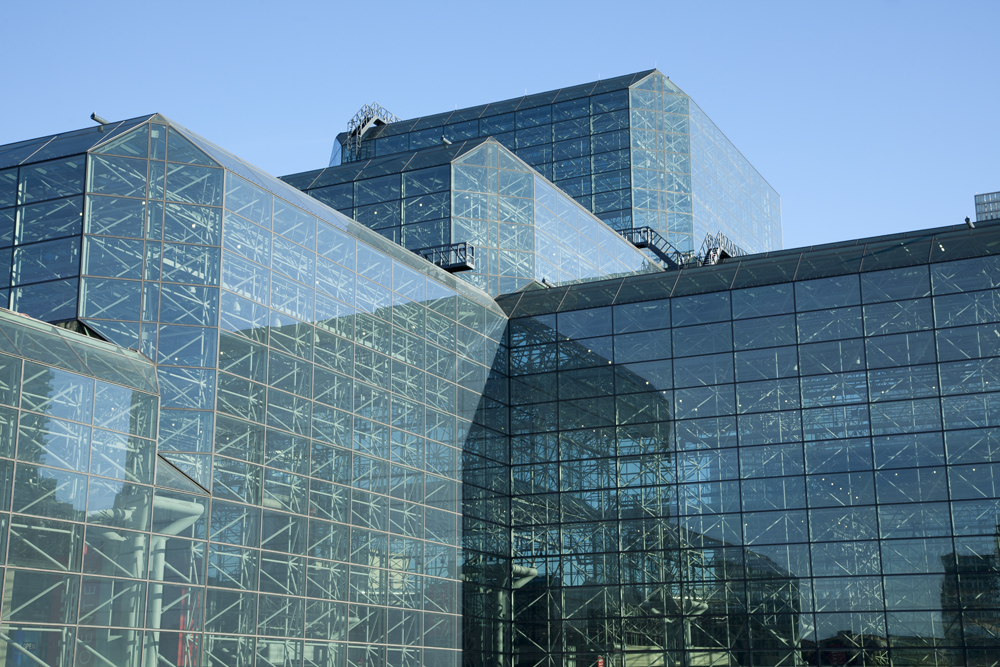
Once infamous as a deadly glass building for birds, the Jacob K. Javits Convention Centre became a leading example of bird-friendly retrofitting.
- Replaced glass façade with fritted, bird-safe glass.
- Installed a green roof that now supports over 35 bird species.
- Result: 90% reduction in bird collisions after renovation.
If you’re working on your thesis or exploring how to integrate ecology and conservation into design, Kaarwan’s Architectural Thesis Mastery – 5 Day Bootcamp is designed for you. Learn how to research, frame, and present impactful thesis projects with expert guidance.
Case Study 2: The Bird-Friendly House, Germany
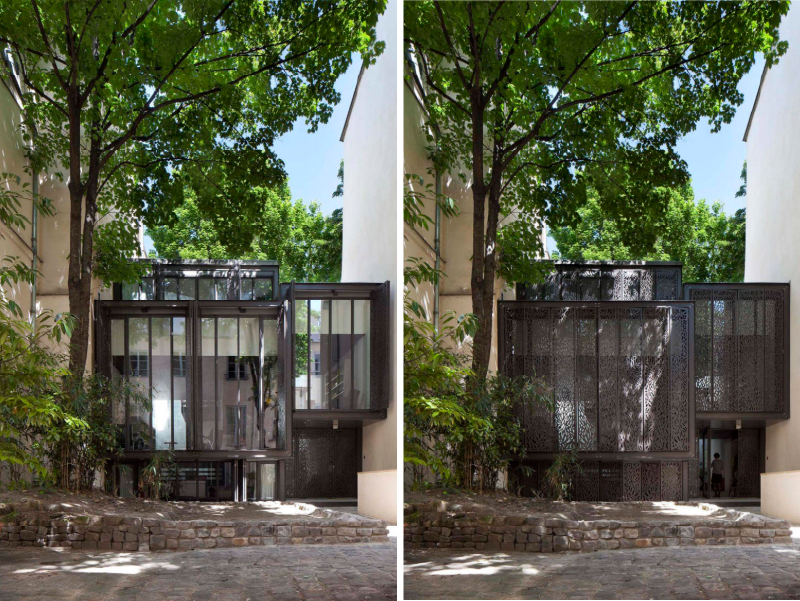
A private residence in Germany integrated bird safety into its design.
- Used patterned glass across all large windows.
- Positioned the house to reduce reflection of nearby trees.
- Included bird boxes and insect-friendly planting in the garden.
This example shows how even small-scale, domestic architecture can support biodiversity.
Case Study 3: Toronto’s Bird-Friendly Guidelines
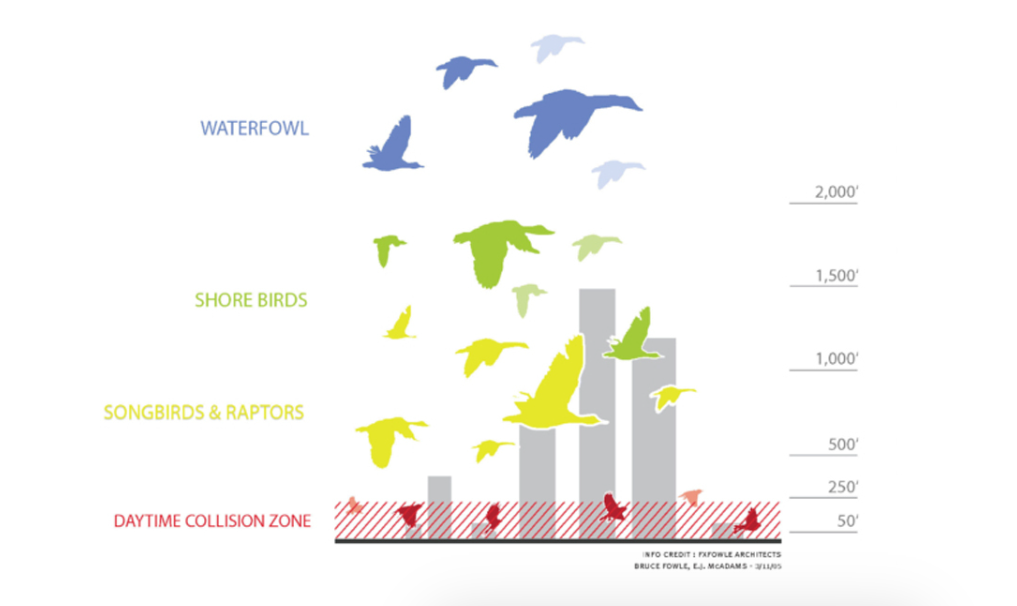
Toronto was one of the first cities to adopt bird-friendly design guidelines for new developments.
- Mandatory bird-safe glazing for buildings over a certain height.
- Use of shields, netting, and patterned glass in high-risk zones.
- Emphasis on reducing artificial lighting during migration seasons.
The guidelines provide a framework that architects and developers worldwide can adapt.
Lessons for Architects
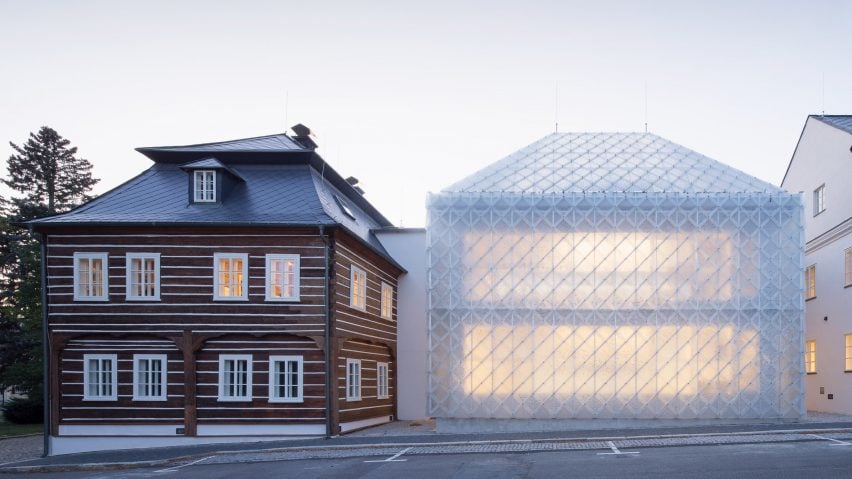
From these examples, clear takeaways emerge:
- Small Changes Make a Big Difference – Even applying patterned films on windows can save hundreds of birds.
- Think Beyond the Building – Landscaping and lighting design are as important as the architecture itself.
- Collaboration is Key – Architects, ecologists, and communities must work together to create safe environments.
- Regulation Can Drive Change – Policies, like Toronto’s, are powerful tools for scaling up impact.
Why Building Bird-Friendly Spaces Benefits Humans Too
- Healthier Ecosystems: Birds pollinate plants, disperse seeds, and control pests.
- Improved Human Experience: Green roofs and natural landscaping also reduce heat, improve air quality, and support mental well-being.
- Sustainable Design Recognition: Many green building certifications now acknowledge biodiversity considerations.
Designing for birds is not just about conservation—it is also about creating resilient, livable cities for all species.
Architecture is not just about buildings—it’s about shaping environments that support life, human and non-human alike. If you’re an architecture student looking to take your thesis to the next level, explore Kaarwan’s Architectural Thesis Mastery – 5 Day Bootcamp. With focused sessions on research, design thinking, and presentation skills, you will build a thesis that stands out.
FAQs
Q1. What is bird-safe glass?
Bird-safe glass is treated or patterned to make it visible to birds, preventing collisions while remaining transparent to humans.
Q2. How can homeowners make their houses bird-friendly?
Simple steps include applying window films, planting native species, installing bird boxes, and reducing outdoor lighting.
Q3. Do bird-friendly measures increase construction costs?
While specialised materials like fritted glass may add costs initially, they also improve energy efficiency and reduce maintenance, offering long-term savings.
Q4. Can cities enforce bird-friendly architecture?
Yes, cities like Toronto and San Francisco have adopted bird-safe building guidelines, setting an example for urban planning worldwide.
Q5. Are bird-friendly buildings only for rural or natural areas?
No, urban environments often pose the greatest risks to birds, making bird-friendly design essential in cities.




.png)