

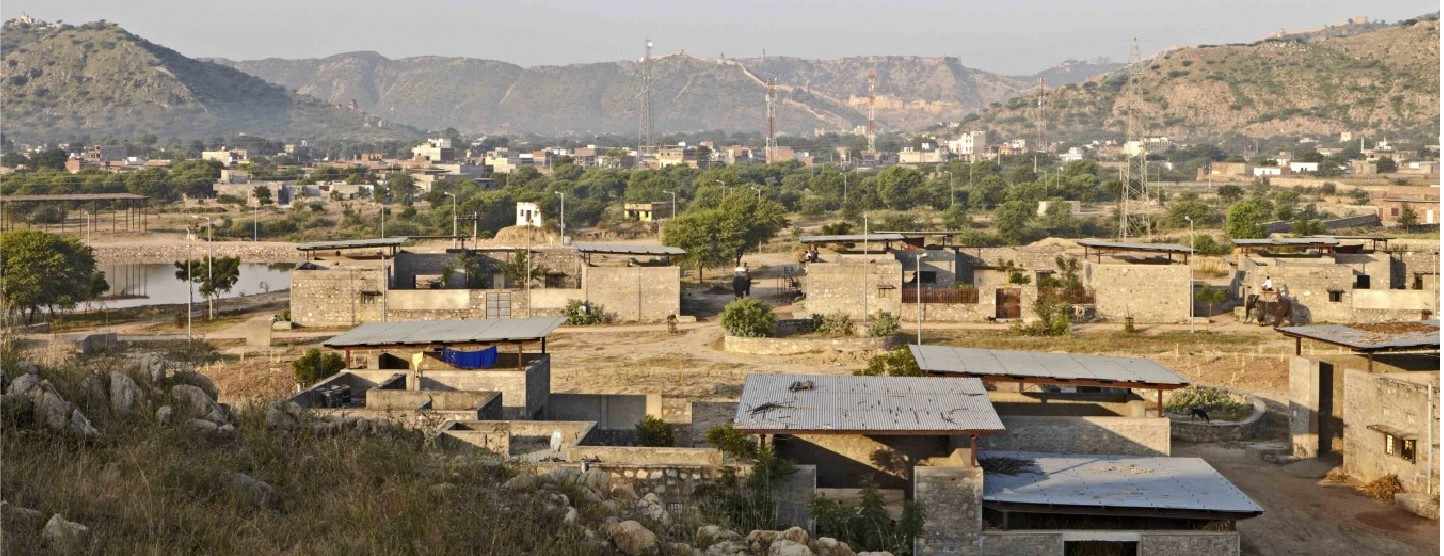
In a time when the construction industry faces climate and resource challenges, lime emerges as a material that is both traditional and forward-looking. For centuries, lime has been used in mortars, plasters, and finishes, but contemporary architecture is rediscovering its potential—not just as a historical reference, but as a sustainable, durable, and aesthetically versatile material.
Modern lime buildings offer lessons in ecological responsibility, thermal comfort, and subtle beauty, bridging the gap between vernacular wisdom and innovative design.
Why Lime?
Lime offers a range of benefits that make it increasingly relevant today:
- Low carbon footprint: Lime production emits far less CO₂ than cement and often absorbs CO₂ during curing, contributing to carbon neutrality.
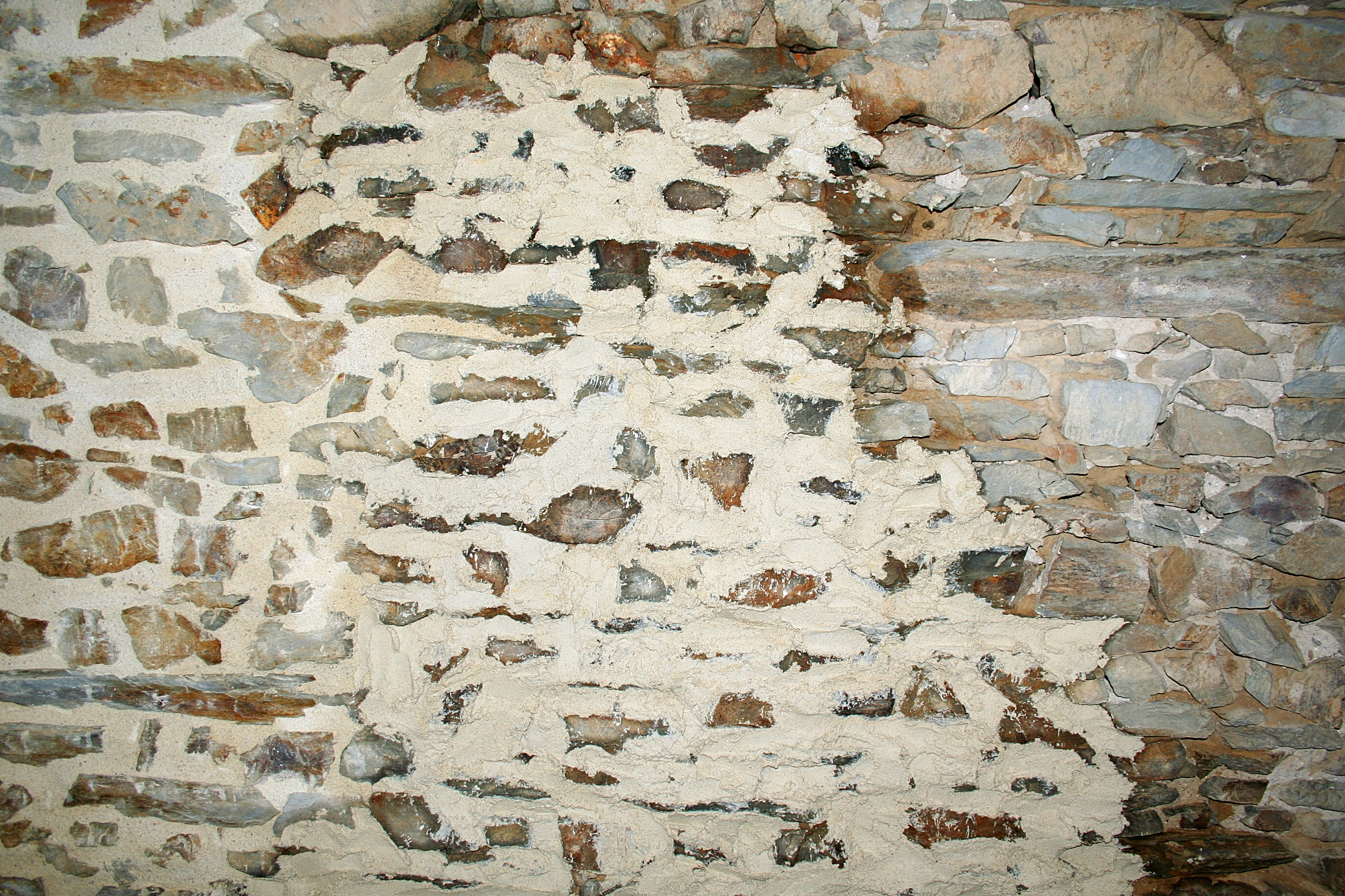
- Breathability: Lime allows walls to “breathe,” regulating humidity and preventing moisture-related damage.
- Flexibility and durability: Unlike cement, lime can accommodate slight movements in structures, reducing cracking.
- Aesthetic versatility: Lime plasters and mortars can produce smooth, textured, or coloured finishes, complementing modern design.
- Compatibility with heritage structures: Lime works in restoration as well as in new sustainable construction.
In essence, lime is both functional and poetic, enabling architects to create spaces that are resilient, comfortable, and visually appealing.
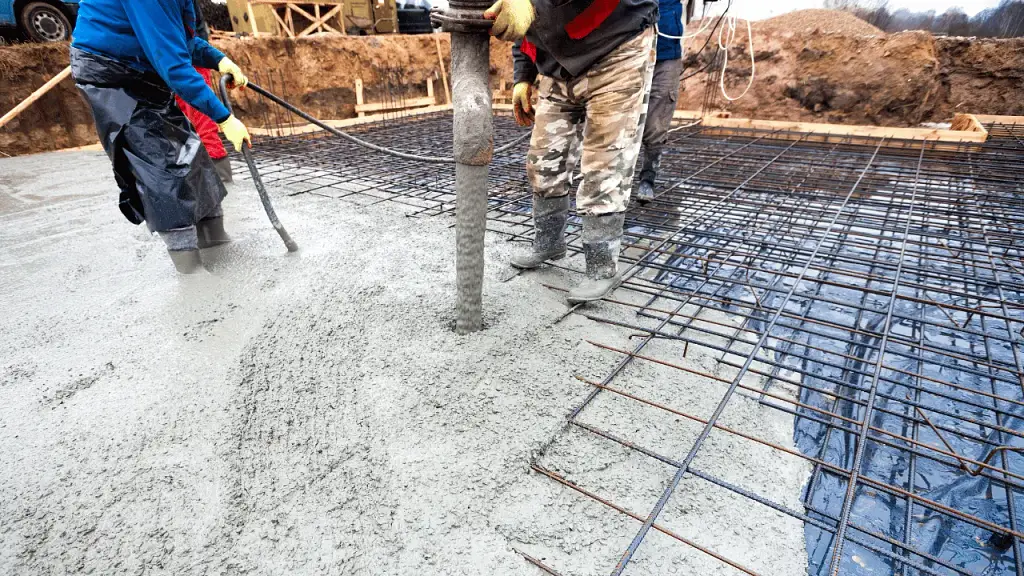
Image Source:
Principles of Lime Architecture
1. Structural Integration
- Lime can be used in load-bearing blocks, panels, or reinforced composites.
- Combining lime with modern stabilisers or additives allows it to meet structural codes while retaining sustainability.
- Lightweight lime-based blocks reduce energy consumption in foundations and transport.
2. Thermal and Humidity Control
- Lime walls act as natural regulators, absorbing excess moisture and releasing it slowly.
- In hot climates, lime plaster contributes to cool interiors without mechanical cooling.
- In humid climates, it reduces condensation and mould growth, improving indoor air quality.
3. Ecological Compatibility
- Lime is recyclable and can be locally sourced, reducing environmental impact.
- Low-energy production and carbon absorption during curing make it an eco-conscious alternative to cement.
- Lime surfaces support healthy indoor environments for occupants and communities.
4. Aesthetic Freedom
- Lime allows for smooth finishes, textured walls, and subtle natural colours.
- Architects can combine lime with timber, stone, or bamboo for modern yet earthy compositions.
- Lime surfaces age gracefully, developing a patina that enhances character over time.
National Examples: Lime in Contemporary Indian Architecture
1. Indian Institute of Management, Udaipur (Lime-based Plasters)
- Highlights: Lime plaster finishes were used for their thermal properties and local aesthetic appeal.
- Lesson: Modern institutional architecture can embrace sustainability without sacrificing style.
2. Naman Retreat, Coorg, Karnataka
- Highlights: Eco-resort buildings utilise lime-based mortars and plasters, blending seamlessly with the surrounding local greenery.
- Lesson: Lime allows luxury and sustainability to coexist in hospitality architecture.
3. RMA Architects Projects in Rajasthan
- Highlights: Lime mortar and plaster applied on heritage-style buildings offer climate-adaptive walls that are durable, breathable, and visually warm.
- Lesson: Lime bridges heritage techniques with contemporary design, respecting local climate and materials.
Master intent, methodology, and momentum a 5-Day Bootcamp for thesis success.
International Examples: Lime in Modern Architecture
1. The Green School, Bali, Indonesia
- Highlights: While primarily bamboo, lime-based finishes are used in walls and pathways for eco-friendly durability.
- Lesson: Lime complements low-impact, renewable-material architecture, enhancing sustainability.
2. The Limehouse Studio, UK
- Highlights: An urban studio utilises lime plasters and panels to achieve a natural texture in a modern city context.
- Lesson: Lime can thrive in urban design, providing aesthetic warmth and ecological benefits.
3. Casa de Campo, Spain
- Highlights: Lime-based renders and floors integrate with local stone, offering thermal comfort and low-carbon construction.
- Lesson: Lime supports regional identity, climate adaptation, and environmental responsibility in contemporary design.
Architectural Takeaways
Across examples, key lessons emerge:
- Sustainability and resilience: Lime reduces carbon footprint, absorbs CO₂, and performs in diverse climates.
- Harmony with nature and tradition: Lime bridges heritage techniques and modern aesthetics.
- Human comfort: Breathable walls and humidity regulation enhance occupant wellbeing.
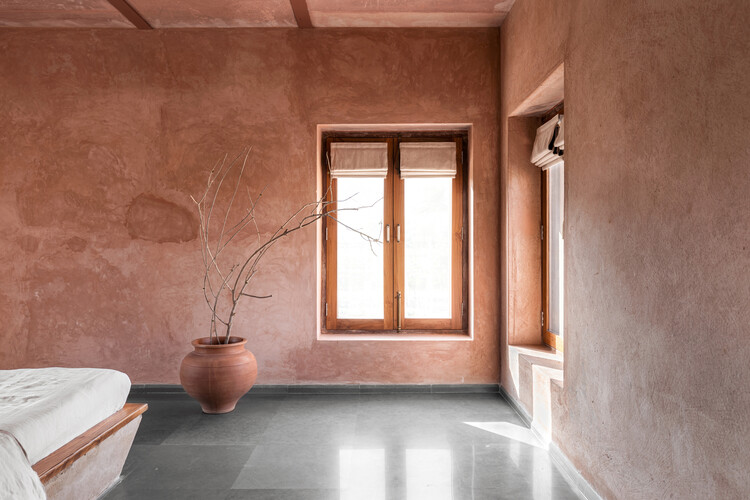
- Design versatility: Lime allows textures, colours, and forms that suit modern minimalism or expressive architecture.
Lime demonstrates that low-impact materials need not compromise design, function, or beauty. It encourages architects to think beyond cement, steel, and glass, embracing materials that support ecological and social goals.
Broader Reflections
Lime-based architecture reminds the profession of broader principles:
- Material choice is moral as well as technical: Selecting materials influences both environmental impact and user experience.
- Design for longevity, not mere spectacle: Lime ages gracefully, reducing the need for repairs or replacements.
- Innovation can be subtle: Sometimes innovation lies not in flashy forms, but in reviving traditional, sustainable methods.
As cities face rising temperatures, humidity challenges, and carbon pressures, lime offers a path to architecture that is ecological, resilient, and aesthetically human.
Reflective Takeaway
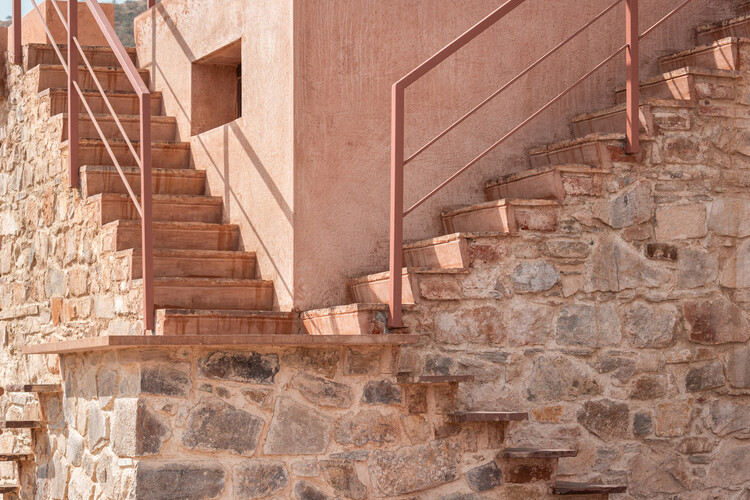
Building with lime invites a slower, more thoughtful approach to architecture. Architects are prompted to ask:
- How can materials serve both human comfort and ecological stewardship?
- How can heritage techniques inspire modern, sustainable design?
- How can aesthetic beauty and environmental responsibility coexist?
The lessons of lime go beyond walls and finishes—they encourage a mindset of mindful construction, respect for natural processes, and harmony between design and the environment. For practitioners and students alike, lime offers a tangible way to create architecture that is functional, resilient, beautiful, and ethical—a material embodiment of sustainability in action.
FAQs
Q1. Why is lime considered more sustainable than cement?
Lime production emits significantly less CO₂ than cement and even absorbs CO₂ during curing, making it a low-carbon alternative for sustainable construction.
Q2. How does lime improve building performance?
Lime regulates indoor humidity, prevents moisture damage, enhances thermal comfort, and reduces cracking due to its flexibility and breathability.
Q3. Can lime be used in modern architecture, not just heritage buildings?
Yes. Contemporary projects use lime in plasters, mortars, and structural composites—combining tradition with innovative, sustainable design.
Q4. What are the aesthetic benefits of lime?
Lime allows smooth, textured, or coloured finishes that age beautifully, offering timeless character and design versatility.
Q5. Where has lime been used successfully in recent architecture?
Examples include IIM Udaipur (India), Naman Retreat (Coorg), Green School (Bali), and Casa de Campo (Spain)—showing lime’s adaptability across climates and building types.




.png)