Imagine a construction industry where nothing goes to waste—a sector in which buildings are crafted from materials salvaged from past projects, bringing sustainability to the forefront of the built environment.This vision forms the core of the circular economy. Unlike the conventional "take-make-dispose" approach, which drains resources only to dispose of them later, the circular economy introduces a regenerative cycle, allowing materials to be reused and reducing the environmental burden.
Benefits of Implementing a Circular Economy in Construction
- Environmental Benefits: The environment bears a heavy load from traditional construction practices, with construction and demolition waste contributing to overflowing landfills and rising carbon emissions. By adopting circular economy principles, the construction industry can lessen its ecological footprint.Studies indicate that reusing building materials in the construction sector can cut global CO₂ emissions by up to 15% by 2030, contributing to significant reductions in overall environmental impact.
- Economic Benefits: The circular economy model is as economically advantageous as it is environmentally friendly. Reusing raw materials and circular construction practices reduce the dependency on virgin resources and lower project costs.For instance, building a new structure partly from repurposed materials from older buildings can save both time and money, particularly when dealing with large-scale projects.
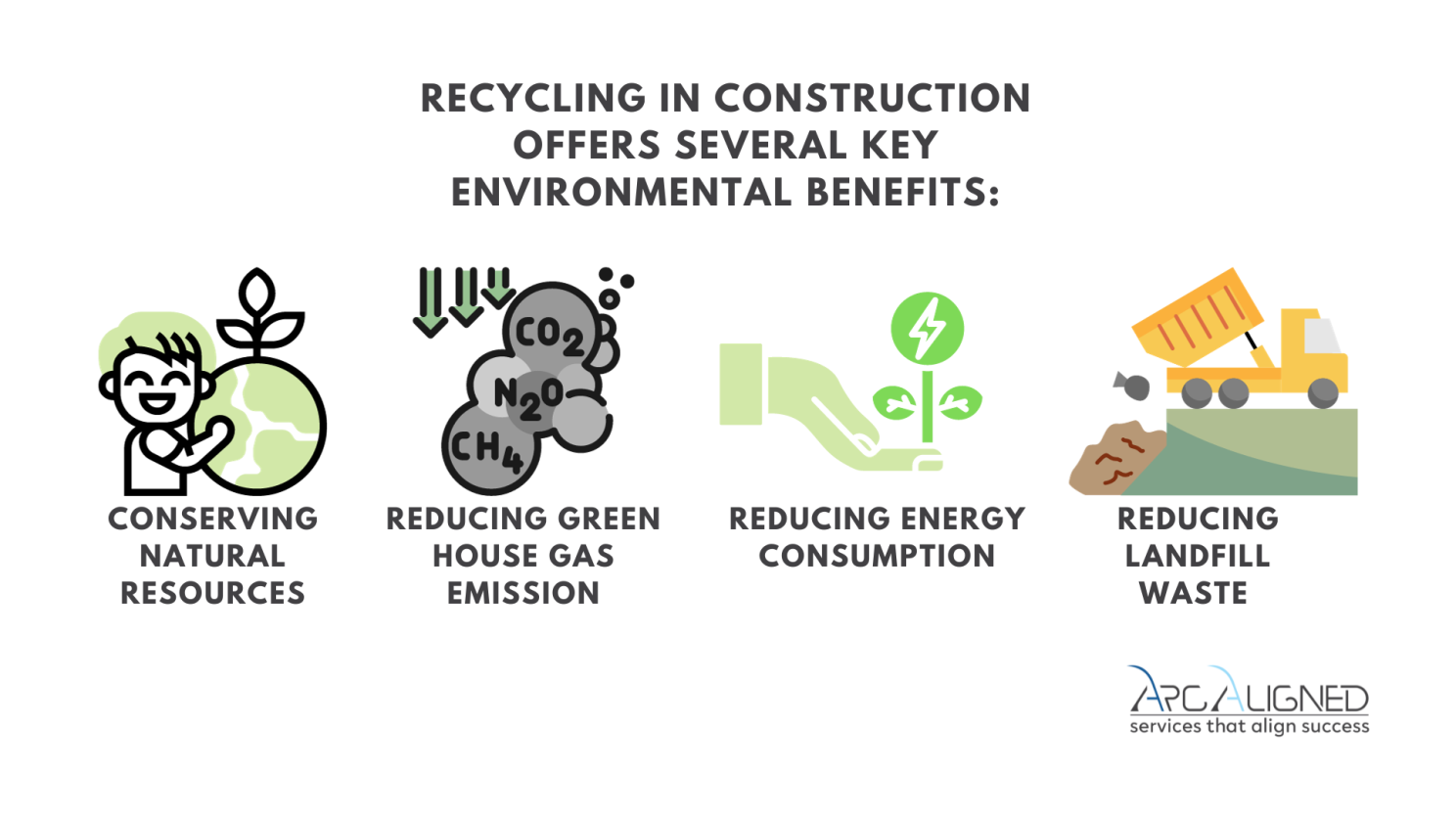
Image Source: ArcAligned on LinkedIn
Social Impact
The circular economy approach also offers social benefits, as it supports employment within the informal sector and promotes community engagement. Each instance of deconstruction for material recovery generates job opportunities—from skilled labor to informal workers involved in material sorting, transport, and repurposing.India’s transition toward circular construction practices could create thousands of jobs and strengthen local economies, empowering communities and enhancing social cohesion. Cities like Pune and Ahmedabad are already embracing these practices, positioning themselves as pioneers in circular economy implementation.
Material Reuse in Indian Architecture
India has long practiced sustainable building techniques. For centuries, Indian architects reused materials, incorporating stones, bricks, and beams from older structures into new builds. This tradition of resourcefulness resonates with modern circular economy practices in the construction industry, where the reuse of materials is both economically and environmentally beneficial.
Historical Context
Historically, India’s builders mastered the art of reusing materials, preserving cultural heritage and conserving resources. They transformed old palaces, temples, and forts into new structures, incorporating the past into the present. This approach is invaluable today as the modern construction industry revisits traditional Indian practices to inspire circular economy strategies.
Modern Applications and Economic Opportunities
Adapting these age-old techniques for contemporary use has proven both feasible and effective. In Rajasthan, for instance, reclaimed wood and stones from historical sites were repurposed for new construction projects, cutting costs and enhancing cultural connectivity. The circular economy in construction can also generate economic opportunities, especially within the informal sector, creating jobs and empowering communities across India.
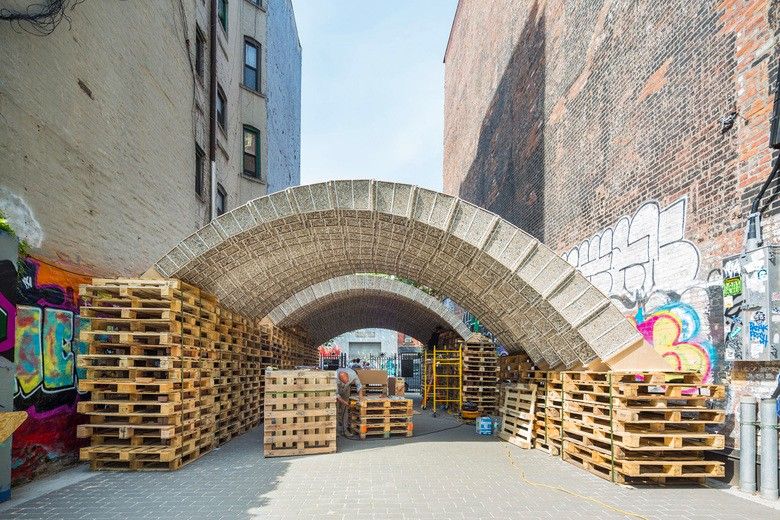
Image Source: Parametric Architecture
Recycling in the Construction Sector
Recycling is another cornerstone of the circular economy within the construction industry. While material reuse allows elements to retain their original form, recycling processes materials to recreate new products, ensuring that valuable resources are not wasted. Common building materials such as steel, concrete, and glass can be recycled multiple times, reducing dependence on virgin materials and minimizing environmental impact.
Material-Specific Recycling Processes
Each construction material has its own recycling pathway. Concrete, for example, can be crushed and reused as aggregate for new construction, while steel can be melted and reformed indefinitely. Even discarded glass can be repurposed into new panes or concrete mix, saving energy and resources. By implementing circular economy principles, the construction sector in India can reduce its environmental impact and align with global sustainability standards.
Challenges and Future Potential
Transitioning toward a circular economy in the building and construction sector is not without obstacles. Regulatory constraints, limited infrastructure, and high upfront costs hinder the full adoption of circular economy practices in construction. However, strategic partnerships between government bodies, industry leaders, and local communities can ease these barriers.
Current Barriers to Circular Economy Implementation
One major challenge is the lack of recycling infrastructure. The construction sector faces additional hurdles in outdated regulatory frameworks and the initial expense associated with circular practices. Nonetheless, these issues can be addressed through policy changes and technological advancements, such as industry 4.0 solutions, which enable smarter, more efficient recycling and material tracking within the construction value chain.
Future Trends in Circular Construction
Looking ahead, India’s construction industry could harness advanced technologies, such as 3D printing, to work with recycled materials, while designing new structures that allow for easy deconstruction and reuse. Industry 4.0 and circular economy integration are on the horizon, making processes more efficient and sustainable. This shift toward a circular economy within the construction sector will depend on effective collaboration, policy support, and sustainable business models.
Policy and Collaboration for a Circular Construction Sector
Policy incentives are essential to promote the adoption of circular economy practices. By creating incentives and enforcing standards for sustainable construction, the government can foster a supportive environment for circular business models. Collaboration among industry players will also be crucial for scaling circular economy practices and achieving widespread change.
Constructing a Sustainable Future for India
The transition toward a circular economy in the construction industry represents a powerful step forward for environmental and social sustainability in India. Embracing circular economy principles in the construction sector offers a pathway to reduce waste, lower costs, and create a more resilient built environment. As more builders, architects, and policymakers embrace these practices, they’re not just building physical structures—they’re contributing to a legacy of responsibility and innovation.
Circular economy practices in construction promise to transform India’s urban landscape, promoting environmental stewardship and sustainable growth. With each reused brick and recycled beam, India edges closer to becoming a leader in circular construction, paving the way for a brighter, greener future for generations to come.
Conclusion
The journey toward a circular economy in India’s construction industry is about rethinking how we build, blending tradition with modern innovation to create a sustainable future. Instead of the wasteful, linear approach that discards valuable materials, circular construction emphasizes reuse, recycling, and thoughtful design. This shift doesn’t just protect the environment; it creates jobs, strengthens communities, and honors India’s architectural heritage. By working together—builders, policymakers, and communities—India can lead the way in sustainable construction, crafting structures that symbolize a commitment to resilience and respect for our planet. With each step we take toward circularity, we’re not just building for today but laying the foundation for a greener, more responsible tomorrow.
The future of architecture is bright, but are your skills keeping pace? Kaarwan's architecture-specific courses provide you with the knowledge and tools to confidently navigate the AEC industry. Gain valuable insights, master in-demand software, and stand out with designs that impress!
FAQs
1. What is the circular economy in construction?
The circular economy in construction emphasizes reusing and recycling materials to reduce waste and environmental impact, moving away from the traditional "take-make-dispose" model.
2. How can circular economy reduce construction costs?
Circular practices lower costs by reducing reliance on new materials, utilizing salvaged resources, and minimizing waste, which makes projects more cost-effective.
3. What materials can be recycled in construction?
Common recyclable materials include concrete, steel, glass, and wood, each of which can be repurposed or reformed for new construction applications.
4. How does circular construction benefit the environment?
It reduces waste, lowers carbon emissions, and decreases resource consumption, helping mitigate environmental impacts associated with traditional construction methods.
5. What challenges hinder circular economy adoption in construction?
Major challenges include inadequate recycling infrastructure, regulatory hurdles, and high upfront costs, which can slow the shift toward sustainable construction practices.