Sustainable architecture is gaining importance as environmental concerns grow worldwide. Architects, especially sustainable architects in India, are not just focusing on creating green buildings but also ensuring that these buildings reflect the values and needs of the communities they serve. Central to this vision is the role of community engagement in shaping sustainable projects. But how can local communities be empowered through sustainable architecture?
This article will help you learn about the impact of community engagement in sustainable projects, and how sustainable architecture benefits communities economically, socially, and environmentally.
What is Community Engagement in Architecture?
Community engagement in architecture involves collaborating with local people in planning, designing, and implementing buildings and infrastructure. This approach ensures that the voices of those who will use the spaces are heard, empowering communities to take part in decisions that impact their living environment. By involving communities from the early stages, sustainable architects can address local issues more effectively.
For example, sustainable architects working in rural India may collaborate with local artisans to use indigenous materials and building techniques, thus enhancing sustainability while preserving cultural heritage. This is a great way to maintain the balance between modern construction and traditional values.

Sustainable architecture in Auroville, India_©auroville.org
The Role of Sustainable Architects in India
In India, where population growth and urbanization are accelerating, sustainable architecture is more critical than ever. Sustainable architects in India are focusing on creating buildings that reduce energy consumption, conserve water, and utilize renewable materials. However, sustainability is not limited to the materials used, or the energy saved; it also means ensuring that communities benefit socially and economically.
Architects must focus on the needs of local communities and involve them in the process. This can range from engaging with local labor to gathering input from residents about their needs and preferences. By doing so, architects can create solutions tailored to the specific context of the community.
Benefits of Sustainable Architecture for Local Communities
Sustainable architecture offers a range of benefits to local communities:
- Economic empowerment: By sourcing local materials and hiring local labor, sustainable projects can stimulate the local economy, providing jobs and supporting small businesses.
- Cultural preservation: By using traditional building techniques and materials, sustainable architects help to preserve the cultural identity of a community.
- Environmental benefits: Reduced energy consumption, improved water management, and minimal waste production all contribute to the environmental well-being of a region.
Real-Life Example: Auroville Earth Institute
The Auroville Earth Institute in Tamil Nadu is a prime example of how sustainable architects in India are involving local communities in sustainable practices. The Institute focuses on using earth as a primary construction material, encouraging low-carbon and sustainable building methods. By training local workers and artisans, the Institute not only contributes to eco-friendly architecture but also empowers the local community with valuable skills.
Why is Community Engagement Important in Sustainable Architecture?
Community engagement leads to more effective and sustainable outcomes. Projects designed without input from local communities often face resistance or fail to meet the specific needs of their users. Engaging communities in the planning phase ensures that the final design is user-friendly, culturally appropriate, and socially inclusive.
Let’s consider how community engagement in sustainable architecture benefits various stakeholders:
- Residents and Users: They get a say in the design of spaces they will occupy, ensuring it reflects their needs and values.
- Architects and Planners: Gain a deeper understanding of the local environment, traditions, and social dynamics, resulting in designs that are more aligned with local culture.
- Governments and Authorities: Benefit from reduced resistance to sustainable projects, as the community is more likely to support them when they’ve been part of the process.
In rural areas, where access to modern amenities might be limited, this approach becomes especially important. Sustainable architects can use local knowledge about weather patterns, available resources, and even traditional craftsmanship to create more resilient and climate-adapted buildings.
Steps for Effective Community Engagement in Sustainable Projects
To ensure meaningful community involvement in sustainable architecture, architects, and planners can follow these steps:
1. Conduct Preliminary Research
Before starting a project, sustainable architects should immerse themselves in the local culture. Understanding the community’s way of life, traditions, and specific needs can provide valuable insights that inform the project. This can be done through surveys, interviews, and focus groups.
2. Involve the Community Early in the Design Process
Early-stage involvement of local communities ensures that their voices shape the project’s goals. In India, for instance, some sustainable architects have organized design workshops where community members can express their ideas about what they need in a space. These workshops help architects understand not only the functional requirements but also the emotional and cultural connections people have with their surroundings.
3. Focus on Skills Development
Empowering local residents through skills development can have lasting impacts. Teaching them about sustainable architecture techniques, such as rainwater harvesting, passive cooling, or green roofing, allows them to maintain and even replicate sustainable solutions in other buildings. This approach promotes self-reliance within the community, reducing long-term dependency on outside expertise.
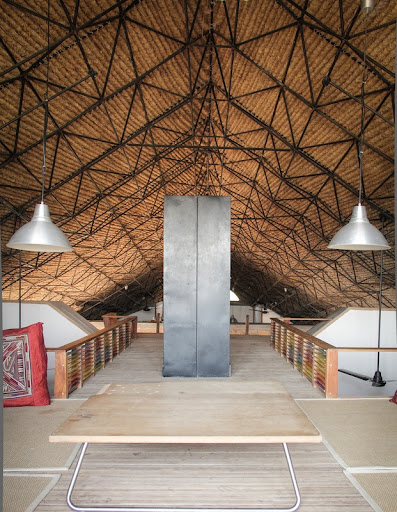
Sustainable architecture at Hunnarshala Foundation_©hunnarshala.org
Challenges to Community Engagement
Despite the many benefits, community engagement in sustainable architecture comes with its own set of challenges. These include:
- Time and Cost Constraints: Engaging communities requires time and resources. In many cases, developers are pressed to complete projects quickly, which may discourage comprehensive community participation.
- Lack of Awareness: In some local communities, people may not be aware of the benefits of sustainable architecture. Therefore, architects need to invest time in educating communities about the long-term advantages of sustainable solutions.
- Conflicting Interests: Communities can be diverse, and not everyone may agree on what they want. Sustainable architects need to navigate differing opinions to come up with solutions that satisfy most, if not all, stakeholders.
Real-Life Example: Hunnarshala Foundation
The Hunnarshala Foundation in Gujarat is another successful example of community engagement in sustainable architecture. They specialize in post-disaster reconstruction and have involved local communities in building earthquake-resistant homes using traditional materials and techniques. This approach has provided sustainable housing solutions while empowering communities to actively participate in rebuilding their environment.
The Future of Sustainable Architecture in India
As sustainable architecture continues to evolve in India, more focus will be placed on empowering local communities. With environmental issues at the forefront, the need for energy-efficient and socially inclusive buildings is growing. Sustainable architects in India are increasingly realizing the importance of integrating local knowledge with modern technology.
Incorporating community engagement in sustainable design will likely become a norm rather than an exception. This collaboration not only produces better results but also strengthens the relationship between architects and the people they serve. This trend can lead to more resilient, adaptable, and inclusive designs that reflect the unique characteristics of each community.
Conclusion
Sustainable architecture is about much more than energy efficiency or eco-friendly materials. At its core, it involves people—particularly local communities who will use and inhabit these spaces. Through active community engagement, sustainable architects in India are helping to create buildings that are not only environmentally sound but also culturally and socially relevant.
By empowering communities, architects are ensuring that their designs are truly sustainable—economically, socially, and environmentally. The future of sustainable architecture lies in these collaborations, where architects and communities come together to shape a better, more sustainable world.
The future of architecture is bright, but are your skills keeping pace? Kaarwan's architecture-specific courses provide you with the knowledge and tools to confidently navigate the AEC industry. Gain valuable insights, master in-demand software, and stand out with designs that impress!
FAQs
Q.1 What is the role of community engagement in sustainable development?
Community engagement ensures that local voices and needs are considered in sustainable development projects. This helps create solutions that are socially, economically, and environmentally balanced.
Q.2 What is community engagement in architecture?
Community engagement in architecture involves collaborating with local people during the design and planning phases. It ensures the architecture meets the specific cultural, social, and functional needs of the community.
Q.3 How to involve local community in sustainable practices?
Involve local communities by organizing workshops, seeking feedback, and hiring local labor. Empower them with knowledge and skills in sustainable practices like energy conservation or using renewable materials.
Q.4 What is the main purpose of community engagement?
The main purpose of community engagement is to involve people in decision-making processes. It ensures that the solutions developed are relevant and beneficial to those directly affected.
Q.5 How could empowering local communities play a role in resource conservation?
Empowering local communities fosters ownership and responsibility for sustainable practices. They are more likely to adopt resource conservation methods like water management and recycling when they are part of the decision-making process.