

The Architecture of Urgency
When one thinks of architecture, visions of grand museums, sweeping stadiums, or iconic skyscrapers often come to mind. Yet some of the most important architectural innovations have not emerged from grandeur, but from constraint. The necessity to do more with less — less space, fewer resources, tighter timeframes — has driven some of the most radical design solutions in history.
Today, with cities swelling, climate migration increasing, and living costs rising, architects are once again confronted with the urgent call to rethink space. Compact architecture is no longer a matter of curiosity or novelty; it is fast becoming the architecture of survival. And in this compressed canvas, parametric thinking offers the tools to reconcile density with dignity.
A History Written in Small Spaces
Compact design is hardly new. History is scattered with examples of architecture born out of necessity:
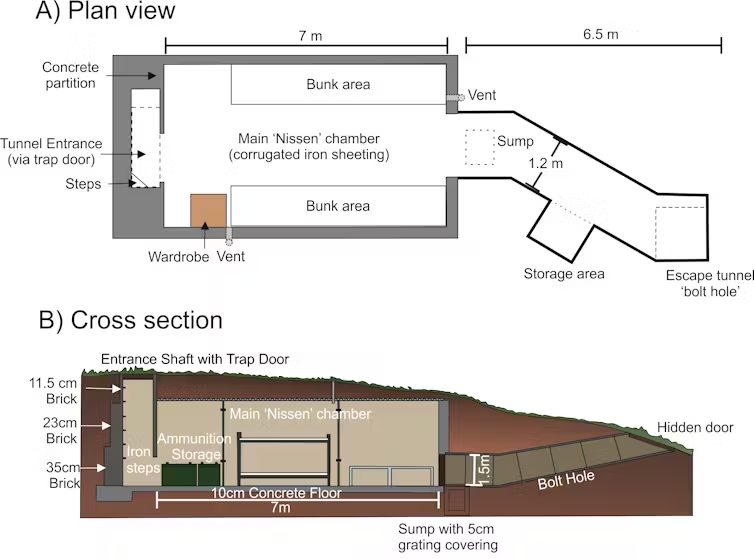
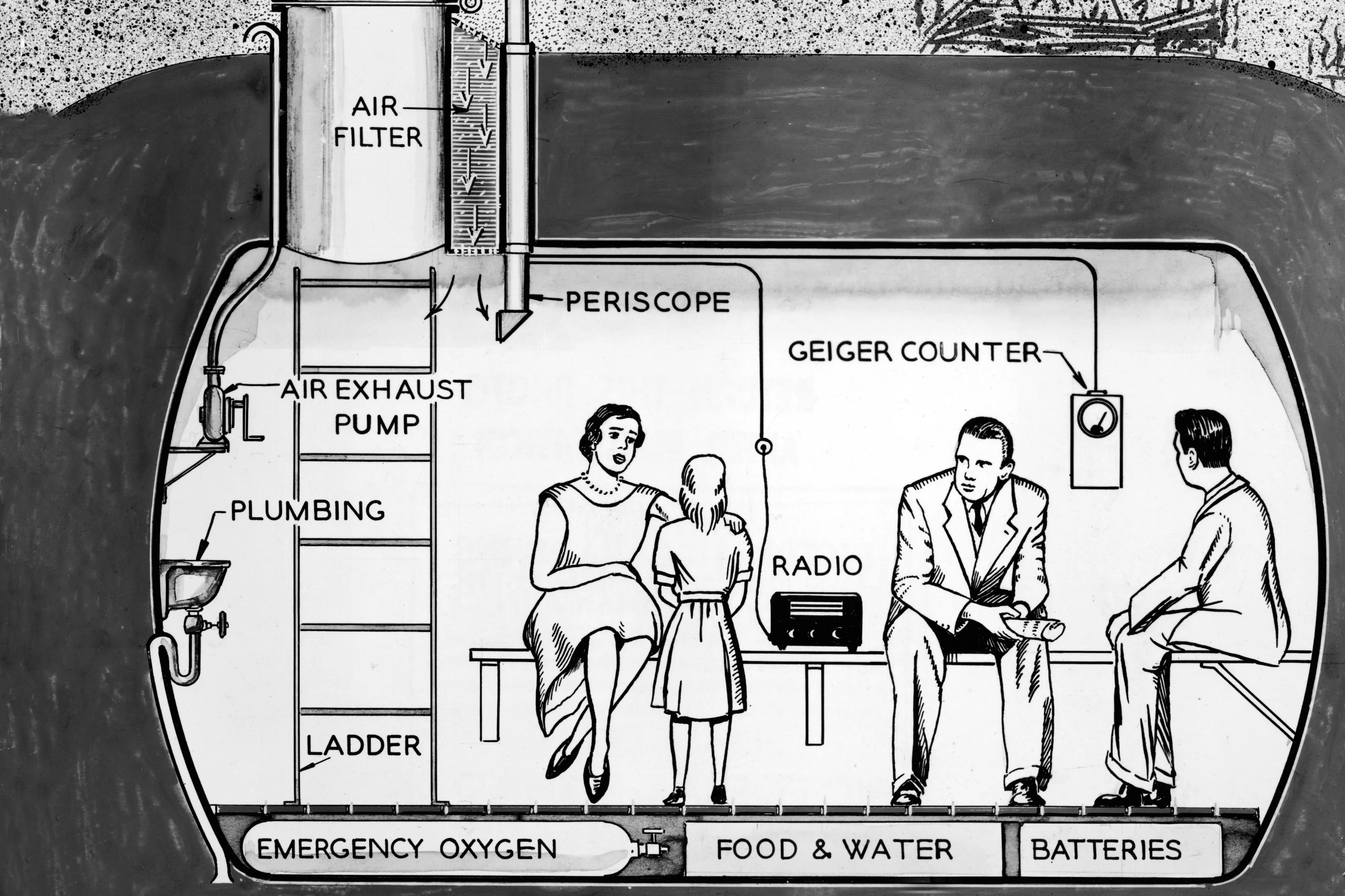
- Wartime bunkers and shelters: In both World Wars, underground bunkers and trench systems forced designers to maximise functionality in confined spaces. Every corridor, storage nook, and sleeping berth was measured for efficiency.
- Post-war housing shortages: Europe and Asia saw unprecedented housing crises after the wars. This birthed modular prefabricated housing, and later, experiments like Japan’s capsule hotels — where compactness was not just practical, but cultural.
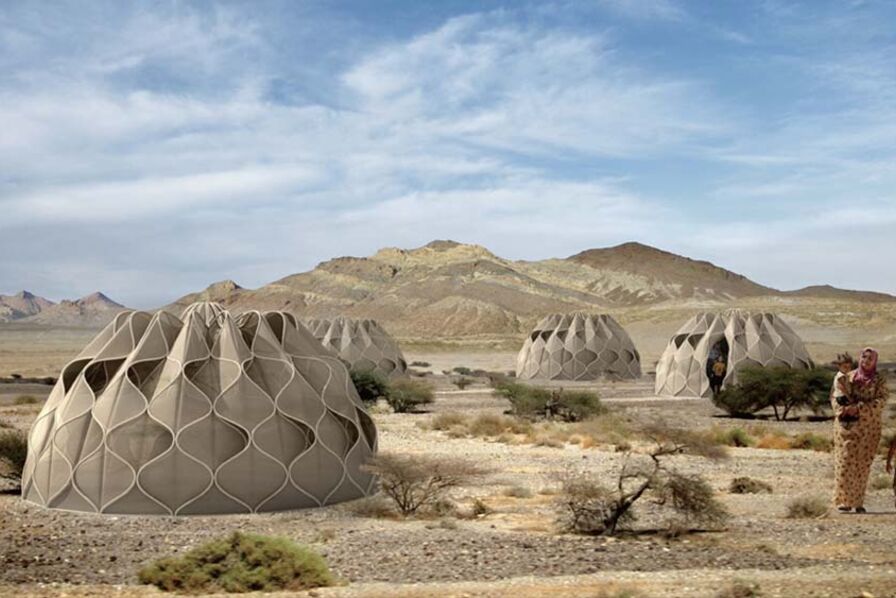
- Nomadic and monastic traditions: Yurts, caravans, and monasteries have historically condensed shelter, community, and ritual into modest footprints.
These examples remind us that compact architecture has always been less about style and more about survival, adaptation, and resilience.
The Modern Drivers of Compact Architecture
In the 21st century, the demand for compact architecture is accelerating, shaped by global realities:
- Climate Change & Displacement – Rising seas and extreme weather events are forcing millions to migrate inland and to urban centres. Compact housing offers the density to absorb these populations without overwhelming the land supply.
- Urban Congestion – Mega-cities like Tokyo, Mumbai, and Lagos face severe spatial pressure. Micro-living capsules, co-living pods, and transport-integrated housing are direct responses.
- Affordability & Equity – With soaring land values, compact housing becomes a tool for inclusivity, ensuring urban living isn’t limited to the wealthy.
- Space Exploration & Extreme Environments – NASA, ESA, and private space agencies are prototyping compact habitats for Mars and lunar living — a striking reminder that the future of architecture may literally be off-Earth.
Compact design is no longer an exception; it is the rule of the world we are moving into.
Why Parametric Thinking Matters
Compactness brings with it an inevitable tension: how can one fit multiple functions, ergonomic comfort, and sustainable performance into tiny volumes without creating claustrophobia? This is where parametric design becomes indispensable.
Parametric thinking uses computational models to test thousands of design iterations against variables such as human ergonomics, daylight penetration, circulation efficiency, and thermal comfort. Instead of drawing a single plan, architects create systems where the plan adapts to context, constraints, and occupants.
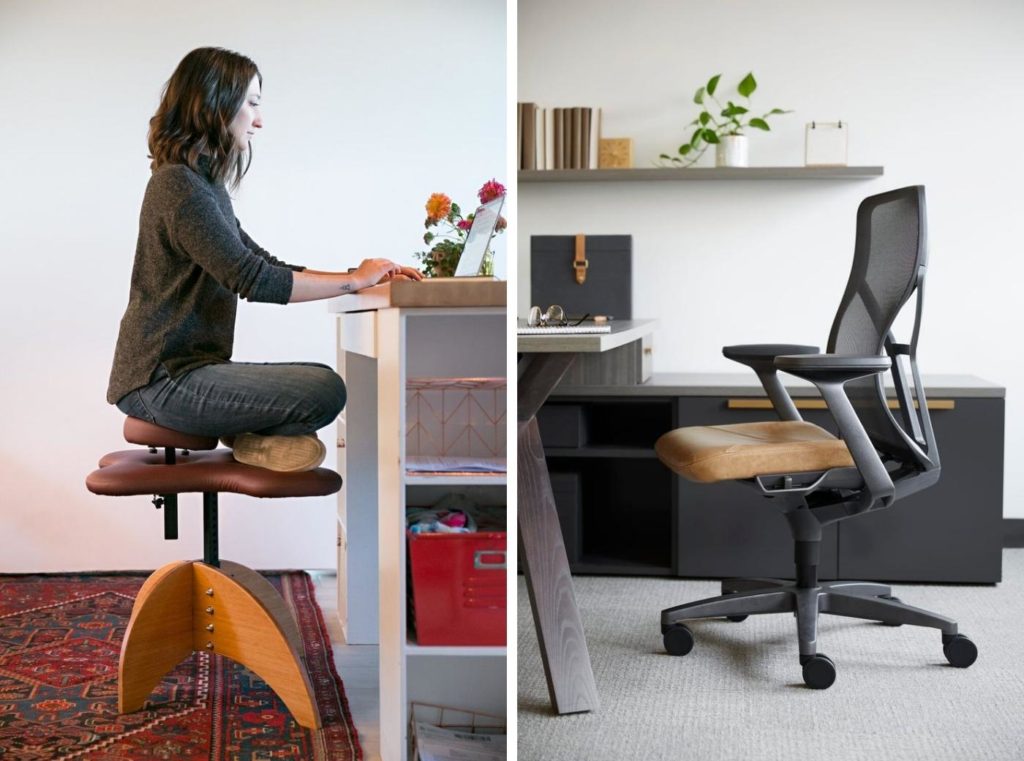
Image Source: Foyr Neo
Examples of Parametric Value in Compact Design:
- Ergonomics: Algorithms simulate human movement in tight spaces, ensuring that every millimetre serves a purpose. Capsule housing in Tokyo, for instance, can now be designed around diverse body types rather than generic standards.
- Material Efficiency: By modelling stresses and loads, parametric design reduces waste, an essential factor in mass production of micro-units.
- Mass Customisation: Compact housing rarely serves a “one size fits all” purpose. Families, singles, and elderly residents require different layouts. Parametric systems allow for customised units within standardised frameworks.
- Resilient Prototyping: For underground shelters, refugee housing, or space modules, parametric design allows rapid testing of performance under extreme conditions.
Parametric workflows make the impossible practical in compact environments.
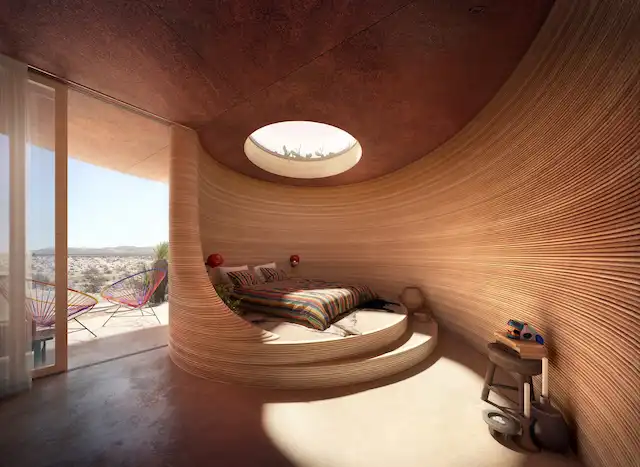
Image Source: Business Insider
Lessons from Today’s Experiments
Across the world, compact housing and parametric tools are converging in innovative projects:
- Capsule hotels in Japan: Initially designed as futuristic novelties, they now stand as models of efficiency. Recent versions rely on parametric airflow systems to maintain comfort despite tight enclosures.
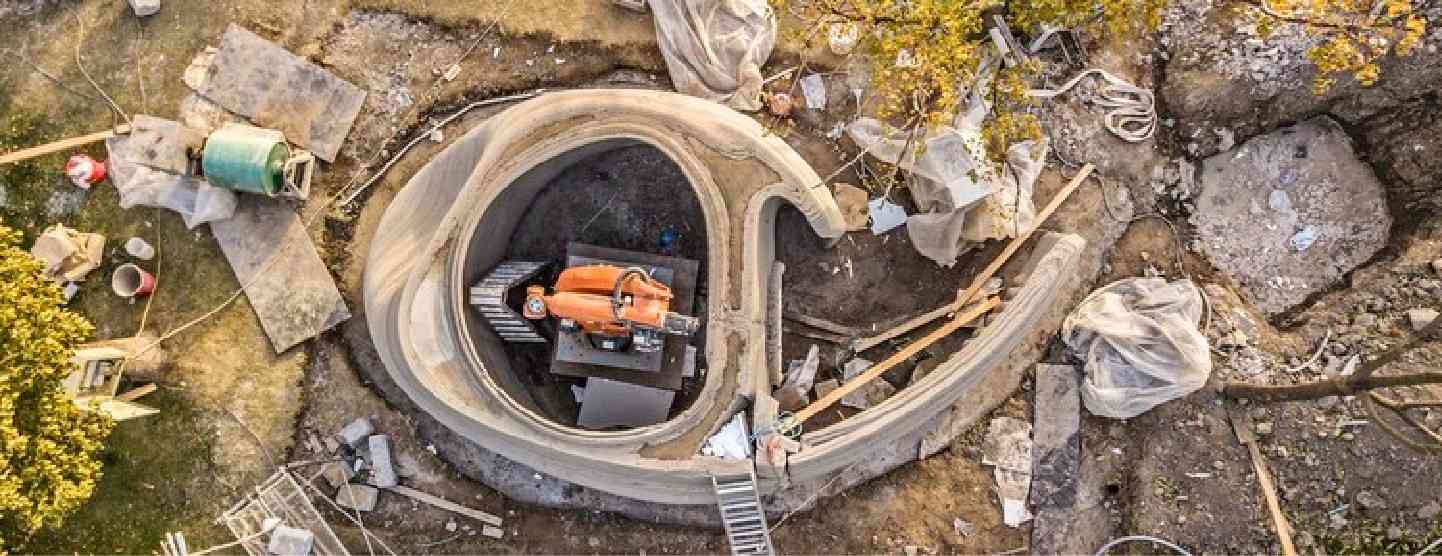
- 3D-printed refugee shelters: NGOs are experimenting with parametric software to adapt shelter sizes to family structures while maintaining modularity.
- Space agencies’ Mars habitats: NASA’s Ice Home prototype uses parametric modelling to balance thermal insulation, radiation protection, and compact liveability.
These are not fringe curiosities but foreshadowings of mainstream architecture.
Ergonomics: The Human Factor in Small Spaces
If compact housing is to succeed, it cannot ignore the body and mind. Cramped living has long been criticised for its psychological toll — claustrophobia, anxiety, and lack of privacy.
Here, ergonomic parametrics offers a counterpoint. By studying body posture, circulation routes, daylight requirements, and acoustic behaviour, compact units can be optimised to feel larger than they are. Movable walls, fold-out furniture, and adaptive lighting schemes all stem from this design logic.
In essence, compact architecture need not mean compromise — it can mean compression with comfort.
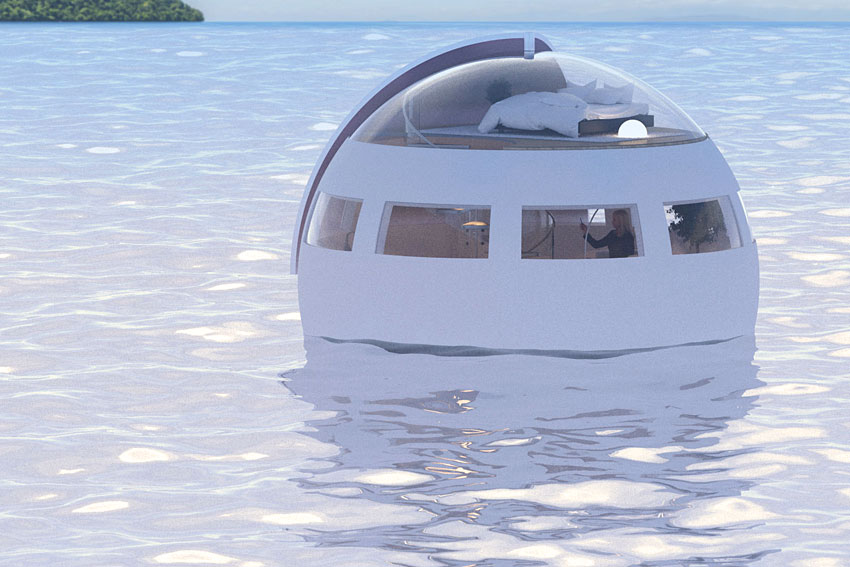
Image Source: London Evening Standard
Compactness as Future Currency
As the global population heads toward 10 billion by 2050, compact design will be less an architectural style and more a societal currency. Those who master it will dictate the future of housing, disaster relief, and even off-world colonisation.
Parametric design, in this context, is not simply a tool but a philosophy: a way of thinking that embraces constraint, models complexity, and humanises density.
Designing in a World of Limits
The call for compactness is not born from trend, but from necessity. Whether it is a wartime bunker, a Tokyo capsule, or a Martian pod, compact spaces demand ingenuity. Architects who embrace parametric thinking stand to shape a future where limited space is not a burden, but a canvas for innovation.
In this compressed future, the real question is not how small can we go, but how intelligently can we design within those limits.




.png)