

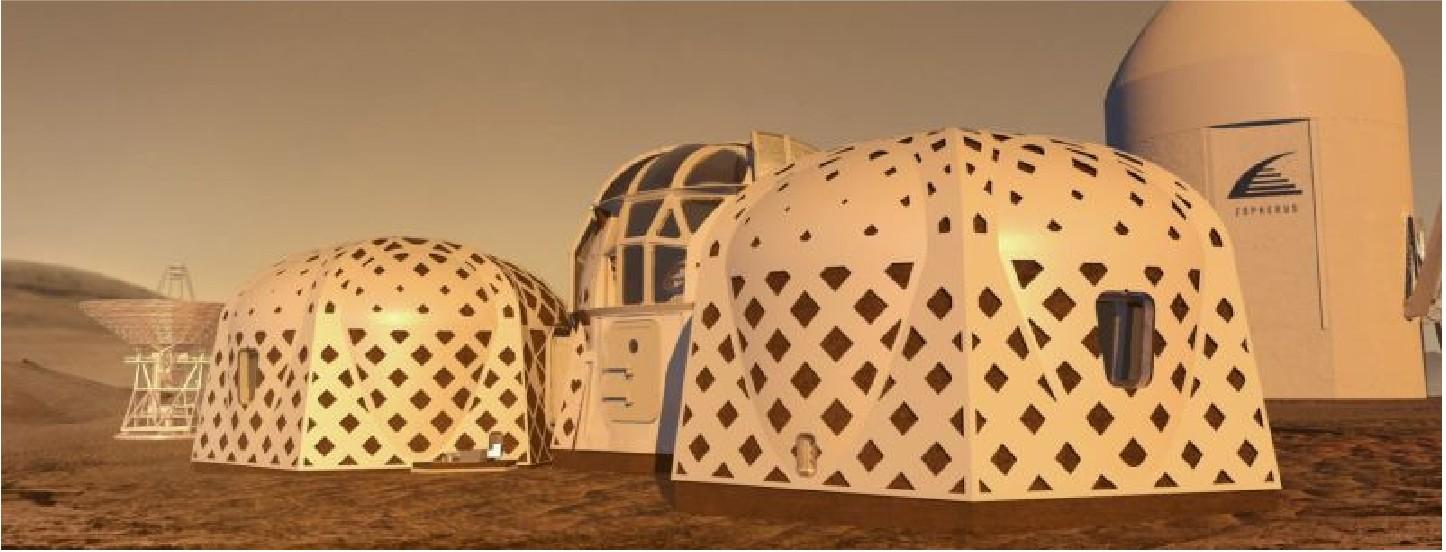
Architecture Beyond the Drawing Board
For many students and young professionals, architecture feels confined to studio work, drawings, and projects. But the profession is much more than what happens at the drafting desk. It thrives on communities, networks, and collective activities that push individuals to learn, collaborate, and innovate.
Joining these platforms early can shape careers in powerful ways: they expand your exposure, connect you to mentors and peers, and often lead to opportunities far outside traditional practice. This blog highlights some of the most dynamic communities and activities available in 2025.
Professional & Student Communities in India
1. ISOLA (Indian Society of Landscape Architects)
ISOLA is India’s primary body for landscape professionals. Apart from its annual awards, it runs workshops, lectures, and conferences that students and young architects can attend.
Why it matters: Landscape is no longer a niche—urban resilience and sustainability make this network invaluable.
2. IUDI (Institute of Urban Designers India)
A professional body for urban designers, IUDI offers conferences, panel discussions, and research publications. Many young architects discover the urban design niche through this platform.
Why it matters: Prepares members for city-scale challenges beyond building projects.
3. IGBC Student Chapters (Indian Green Building Council)
Student chapters in colleges create a hands-on environment for learning about green certifications and sustainable design. IGBC also runs the annual Green Design Competition.
Why it matters: Builds early exposure to sustainability frameworks like IGBC and GRIHA.
4. NASA India
While best known for design trophies, NASA functions as a fraternity—bringing together thousands of students, faculty, and professionals each year.
Why it matters: The networks built here often last entire careers.
Global Communities & Platforms
1. AIESEC (International Youth Exchange)
Not architecture-specific, but AIESEC provides global internships and cultural exchanges, often in urban development and sustainability.
Why it matters: Offers leadership training and international exposure beyond traditional practice.
2. UNESCO & UIA Programmes
UNESCO and the International Union of Architects (UIA) collaborate on competitions, heritage workshops, and youth initiatives.
Why it matters: Places young architects in a global dialogue on culture and sustainability.
3. Global Design Competitions
Platforms such as Bee Breeders, ArchOutLoud, and DesignClass run international idea competitions on futuristic housing, climate resilience, and speculative design.
Why it matters: Excellent portfolio-builders with global juries.
4. Smart City Hackathons
Across India and abroad, architecture increasingly intersects with tech-driven hackathons on smart cities, mobility, and housing.
Why it matters: Expands the architect’s toolkit into coding, data analysis, and systems thinking.
Travel & Fellowship Platforms
1. Charles Correa Foundation (India)
Runs design competitions, residencies, and lectures focused on socially responsible design.
2. Global Travel Fellowships
Some architecture schools and trusts (like Sir JJ College or CEPT alumni bodies) fund travel scholarships for research.
3. International Workshops
Platforms like AA Visiting School (Architectural Association) conduct travelling workshops in India and abroad.
Why Join These Communities Early?
- Networking: Meet mentors, collaborators, and potential employers.
- Skill Diversification: Learn beyond studio curricula—sustainability, urbanism, digital workflows.
- Visibility: Publish, exhibit, or compete on platforms bigger than your university.
- Confidence: Early participation builds the confidence needed to present and defend ideas publicly.
Conclusion
In 2025, being an architect isn’t just about designing buildings—it’s about being part of conversations that shape cities, communities, and futures. Whether you join ISOLA, IUDI, or IGBC student chapters in India, or take part in global competitions and hackathons, these communities provide experiences that classrooms cannot replicate.
Architecture is a collective pursuit. By stepping into these spaces early, you expand not just your network, but your perspective.
At Kaarwan, we believe growth comes from stretching learning muscles beyond the studio doors. Our masterclasses & courses offer a variety of affordable options to increase your know-how in tech skils like BIM, Computational Design, or perfect your modelling, visulisation and presentation skills that these communities and competitions value. Join us to expand your horizons.
On acadmic front, Kaarwan's GATE AR 2026 Exam 3 Month Crash Course (with AIR ranker and gold medalists) and 5-Day Thesis Bootcamp with SPA Delhi thesis juror, thesis gold medalists, is highly on the upsell. Feel free to join our thriving community beyond your milestones, to ace your professional career sucees and growth.
FAQs
1. Are these communities only for graduates?
No. Many, like NASA or IGBC chapters, are open to undergraduates.
2. Do you need to be a member to benefit?
Not always. Many offer public events, lectures, and open competitions.
3. Do global competitions cost money?
Some charge small entry fees; others are free. Look for student discounts.
4. How do hackathons relate to architecture?
They train architects to collaborate with engineers, planners, and coders—reflecting the interdisciplinary nature of real-world design.
5. Which is best for students in smaller cities?
Digital platforms (Bee Breeders, ArchOutLoud, IGBC online events) are accessible regardless of location.


.png)