

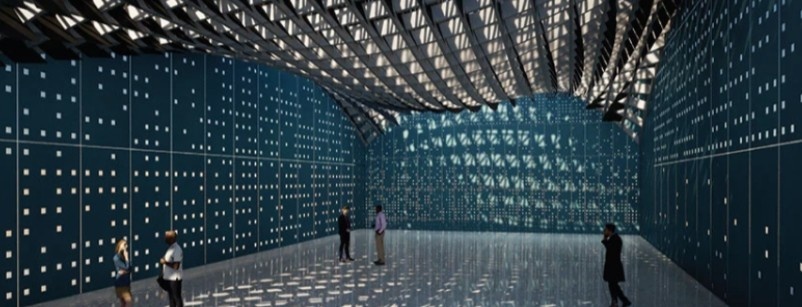
In today’s world, sustainability and technology are no longer separate discussions in architecture—they must ideally work together. A perfect example of this synergy is the Al Bahar Towers in Abu Dhabi. Designed by Aedas Architects in collaboration with Arup Engineers, the towers showcase how computational design can help solve critical environmental challenges in high-rise architecture.
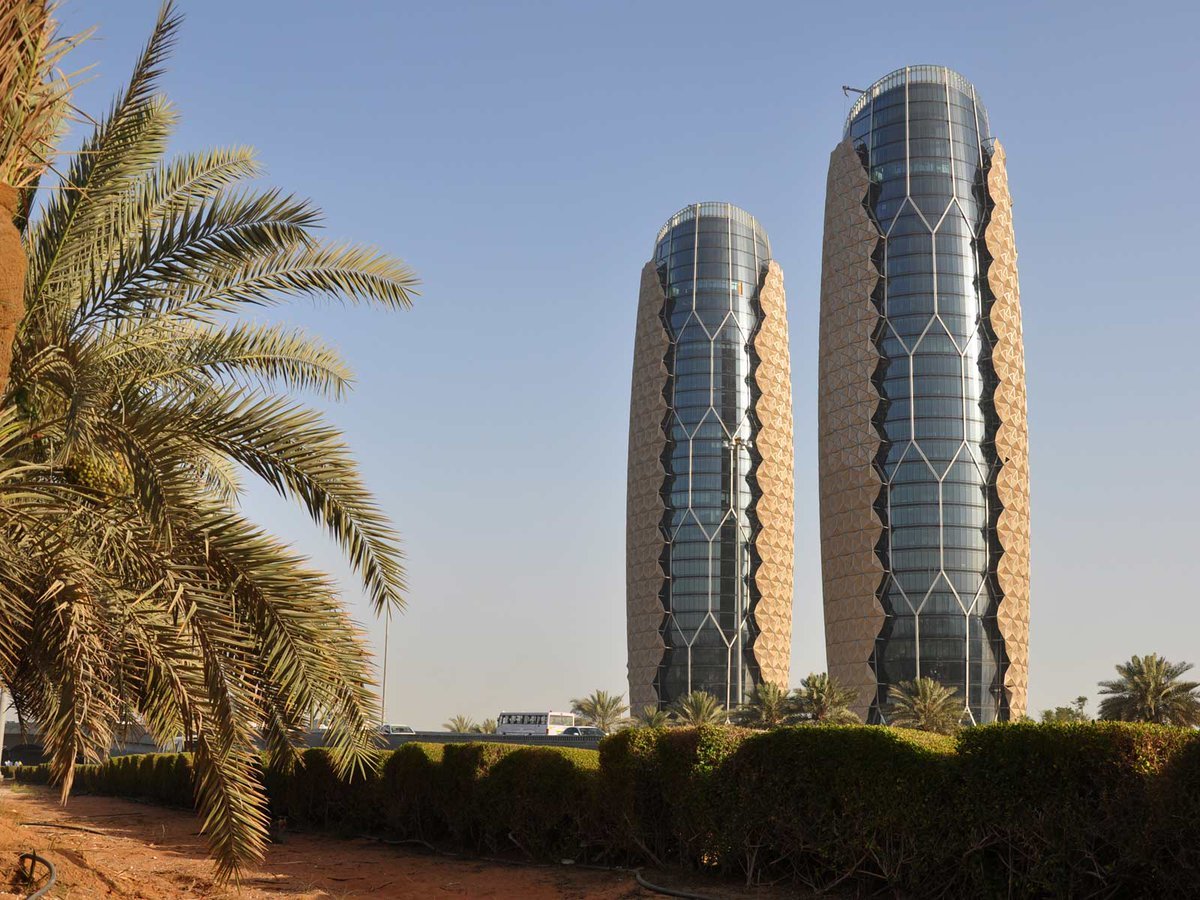
Image Source: IAAC
This blog explores the project as a case study and highlights lessons for students, professionals, and AEC graduates aspiring to master computational tools.
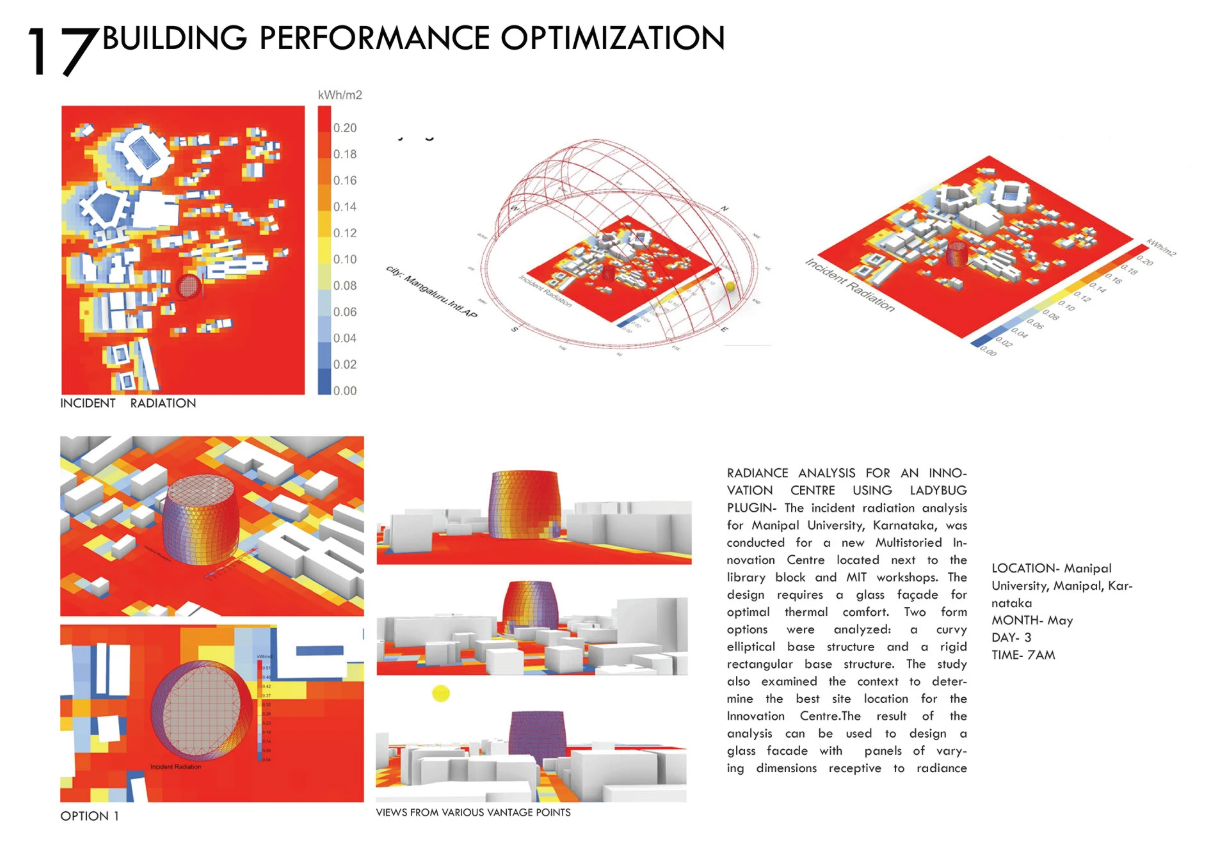
Image Source: Student Portfolio, Kaarwan. Advanced Rhino & Grasshopper Certification with Job Support Program
The Challenge: Sustainability in Hot Climates
Abu Dhabi faces extreme desert conditions with soaring temperatures and intense sunlight. Designing a glass-clad office building in such a climate creates issues of:
- Overheating interiors.
- Increased energy demands for air conditioning.
- Glare and reduced occupant comfort.
To address this, architects needed a solution that was responsive, adaptive, and efficient.
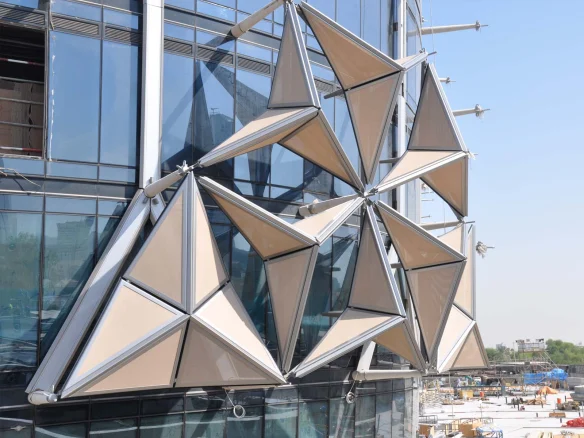
Image Source: Virginia Duran
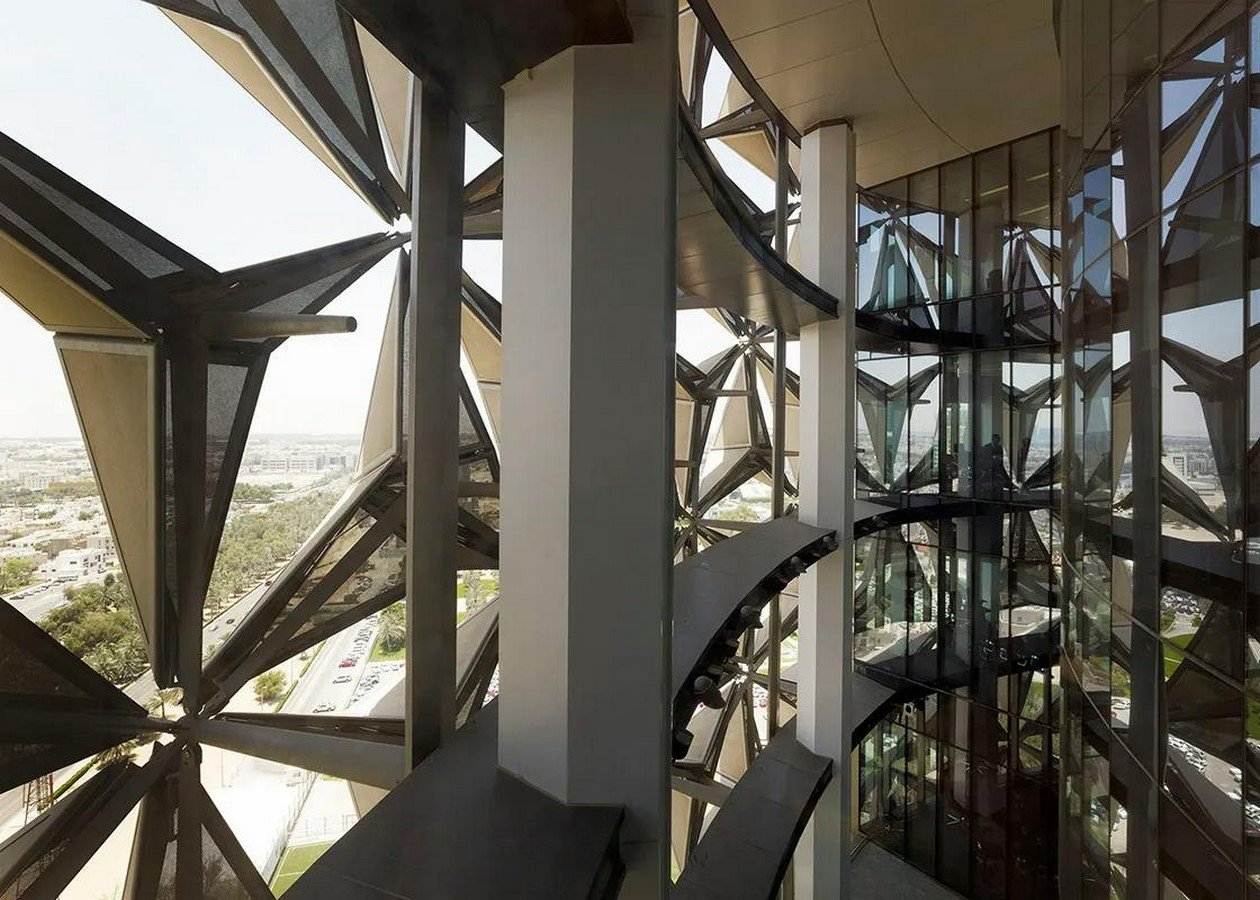
The Innovation: Responsive Mashrabiya Façade
Inspired by traditional Islamic mashrabiya screens, the design team developed a dynamic shading system using computational tools.
Key Features of the Façade:
- Geometric Parametric Pattern: Computational algorithms generated a tessellated triangular pattern for shading panels.
- Responsive Movement: Panels open and close depending on solar position, controlled by sensors.
- Energy Efficiency: Reduced solar gain by 50%, cutting cooling demands significantly.
- Aesthetic Integration: The façade respects cultural heritage while being futuristic.
Computational Design in Action
The parametric modelling of Al Bahar Towers was possible through software such as Rhino and Grasshopper.
- Generative Algorithms: Allowed designers to test multiple geometric configurations quickly.
- Environmental Simulation: Computational tools simulated solar impact, optimising the shading system.
- BIM Integration: Facilitated collaboration between architects, engineers, and contractors.
📌 Students can learn similar workflows through our Computational Design courses, mastering tools like Rhino, Grasshopper, and parametric modelling for sustainable design.
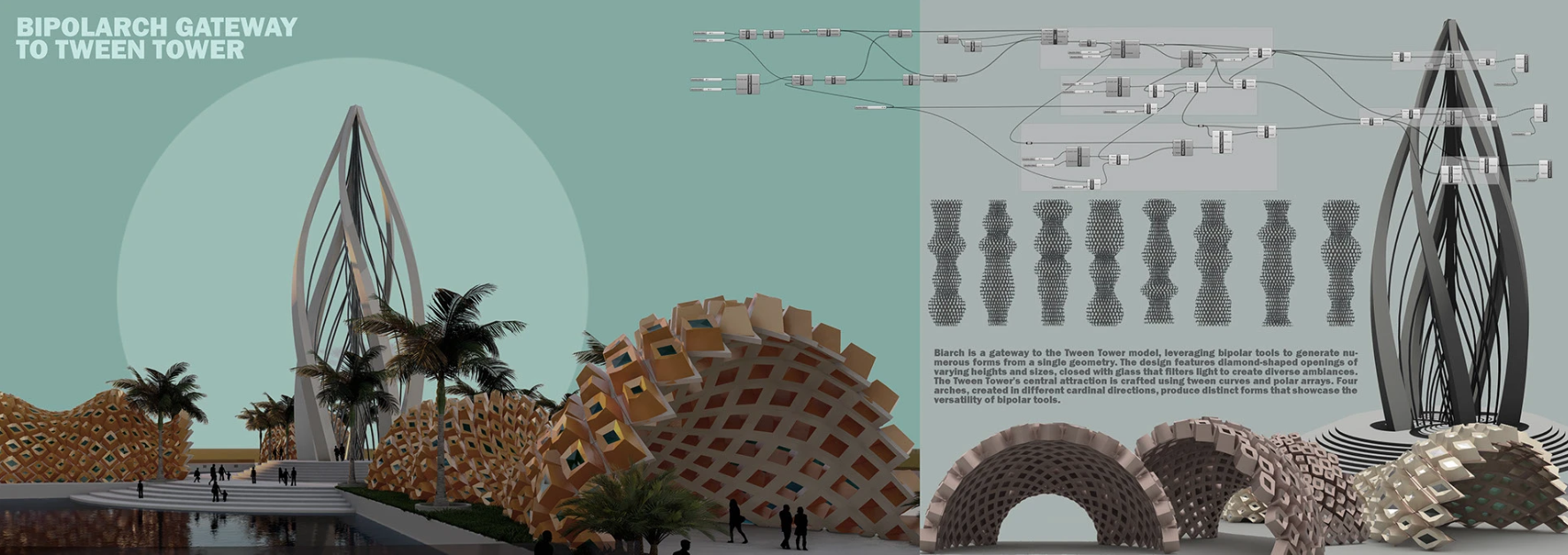
Image Source: Kaarwan Student Portfolio
Impact and Recognition
- The towers were awarded the 2012 CTBUH Innovation Award for their pioneering façade.
- Achieved 50% reduction in carbon emissions compared to typical high-rises in the region.
- Became a global benchmark for responsive architecture in hot climates.
Lessons for Students and Professionals
- Contextual Inspiration: Traditional design elements can inform modern computational solutions.
- Cross-Disciplinary Collaboration: Architects, engineers, and environmental consultants worked together.
- Sustainability Beyond Green Labels: Real performance-driven design reduces energy use, not just symbolic gestures.
- Skill Relevance: Knowledge of parametric and BIM workflows is increasingly expected in leading firms.
Interested in computational approaches to sustainable design? Join our Computational Design Programmes and learn to create adaptive, performance-driven architecture.
Beyond Al Bahar Towers: Future of Computational Sustainability
The project highlights a broader trend:
- Responsive Architecture: Buildings that adapt in real time.
- Digital Twin Simulations: Integrating environmental data for ongoing building performance.
- Generative Design for Net Zero: Using algorithms to design energy-efficient cities.
For students, this means parametric and computational design skills are no longer optional—they are core tools in creating the sustainable cities of the futurT
_1759693947490.png)
Final Thoughts
The Al Bahar Towers stand as a beacon for the possibilities of combining culture, sustainability, and computational technology. For AEC professionals, this case study reinforces the importance of learning beyond traditional drafting and embracing digital innovation.
As the industry evolves, mastering tools like Rhino, Grasshopper, and BIM will empower designers to create not just beautiful, but also intelligent and sustainable architecture.
FAQs
Q1. What makes the Al Bahar Towers sustainable?
Its dynamic shading façade reduces solar heat gain and energy use for cooling by nearly 50%.
Q2. Which software tools were used in the design process?
Rhino, Grasshopper, and BIM platforms played a major role in generating and optimising the façade.
Q3. How does the façade move?
Panels are sensor-controlled, opening and closing based on solar position.
Q4. Why is the project important for architecture students?
It demonstrates how computational tools can address real-world sustainability challenges.
Q5. Can computational design be applied in small-scale projects?
Yes, parametric and generative workflows are used in façades, shading devices, pavilions, and even interiors.




.png)