

.jpeg)
The Heat Beneath Our Feet
Step into a city square on a hot summer afternoon, and the experience is unmistakable: heat radiating off concrete, air thick with exhaust, temperatures several degrees warmer than the countryside just a few kilometres away. This phenomenon has a name — the urban heat island (UHI) effect.
As cities continue to expand, the heat island effect is intensifying. Buildings, roads, and infrastructure absorb and trap solar radiation, raising local temperatures and worsening energy demands. For architects and urban designers, this raises a pressing question: how can design cool down our cities?
Why Cities Are Getting Hotter
A phenomenon known as an Urban Heat Island (UHI) occurs when temperatures in urban areas are typically 2–5°C warmer than those in the rural areas around them. This happens because urban environments, composed of concrete and asphalt, absorb more heat and release it slowly, while also generating their own heat from human activities such as industry and traffic. The Urban Heat Island effect amplifies the impacts of climate change in cities, increases energy consumption, and can harm public health and quality of life. The factors at play here are :
- Excessive Hard Surfaces – Concrete, asphalt, and stone retain heat far more than natural landscapes.
- Loss of Vegetation – As trees and wetlands give way to urban development, the natural cooling effect of shade and evapotranspiration disappears.
- Dense Urban Form – Tall buildings and narrow streets trap heat, limiting airflow.
- Waste Heat – Air conditioning units, vehicles, and industries add anthropogenic heat to the urban environment.
The result: Shifts in climate, forest fires, winters receding, and summers being unbearable during the daytime. This not only creates discomfort but also health risks, particularly for vulnerable populations.
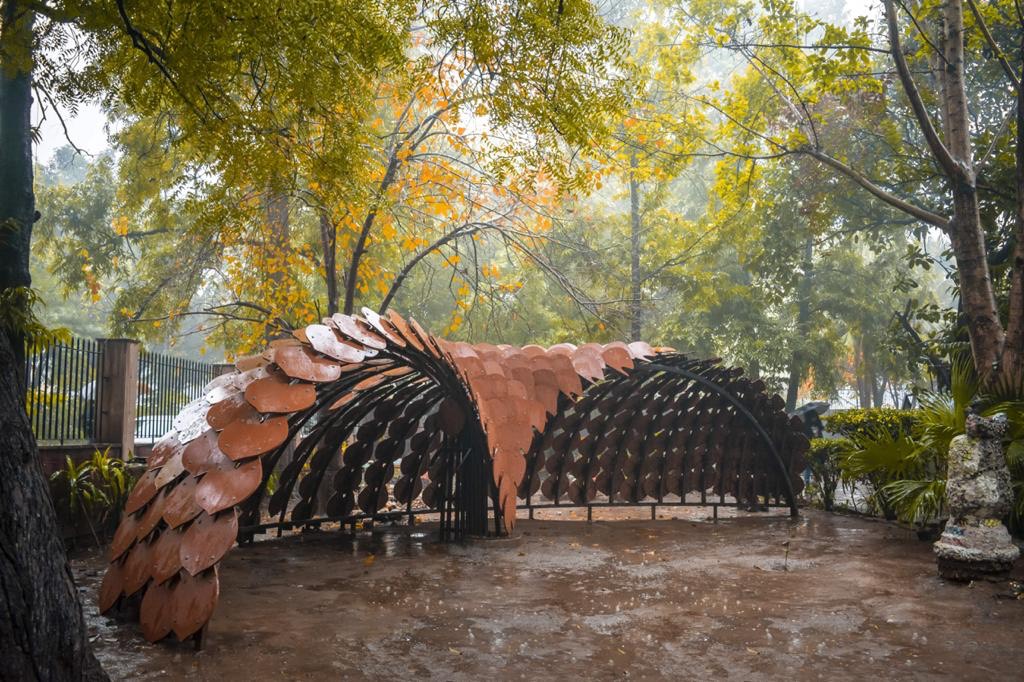
Image Source: Parametric Archtiecture
Architecture as Climate Medicine
While policymakers and engineers debate large-scale interventions, architects can play a direct role at the scale of buildings and neighbourhoods. The palette of solutions is wide and adaptable.
1. Green Roofs and Walls: Vegetated roofs and façades act as natural insulation, reduce rooftop heat gain, and return moisture to the atmosphere. In cities like Toronto and Singapore, green roof policies are already showing measurable cooling effects.
2. Reflective and Cool Materials: Roofs and pavements with high albedo (reflectivity) reduce heat absorption. Simple material choices — lighter-coloured tiles, reflective paints — can lower surface temperatures significantly.
3. Shaded Streetscapes: Street design is critical. Integrating tree-lined boulevards, pergolas, or colonnades offers immediate cooling while making walking and cycling more appealing.
4. Water as a Cooling Element: Fountains, shallow water channels, and misting systems reduce air temperature locally through evaporative cooling. Traditional Indian stepwells and courtyards remind us that water has long been a cooling ally in hot climates.
5. Climate-Sensitive Orientation: Building placement and massing can encourage cross-ventilation, shade public spaces, and avoid heat-trapping canyons. Thoughtful orientation remains one of the most cost-effective yet effective strategies.
Case Studies in Cooling Cities
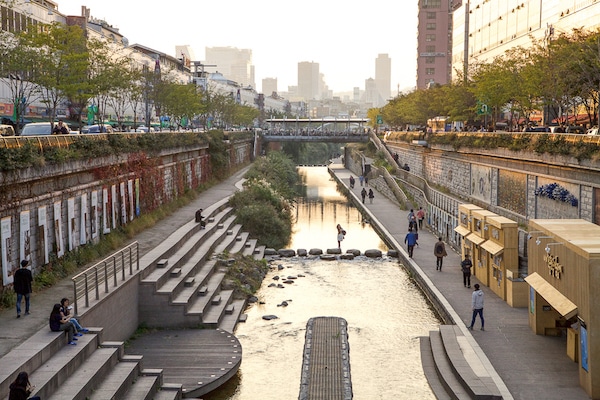
Image Source: Great Runs
Cheonggyecheon Stream, Seoul
Once a buried highway, the stream was restored into a 10-km-long green corridor. Beyond urban regeneration, the project lowered local temperatures by up to 3.6°C, proving the cooling power of water and greenery.
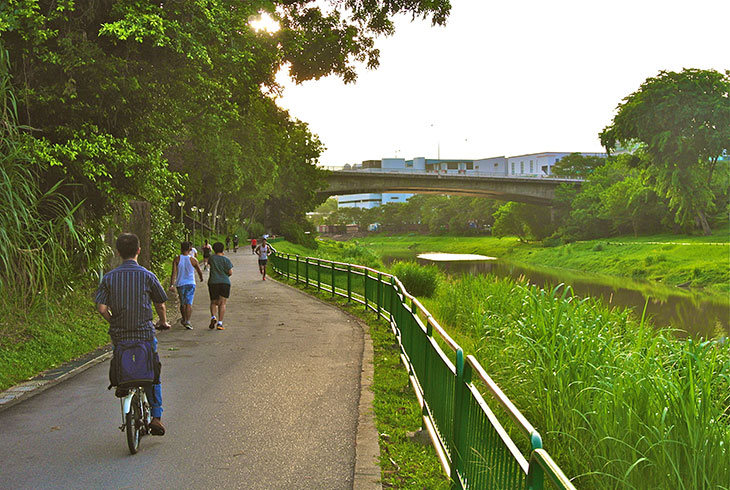
Image Source: Sportify Cities
Singapore’s Park Connector Network
A city renowned for its tropical density, Singapore has countered UHI with green roofs, vertical gardens, and a network of linear parks that weave through the city, offering cooling and biodiversity.
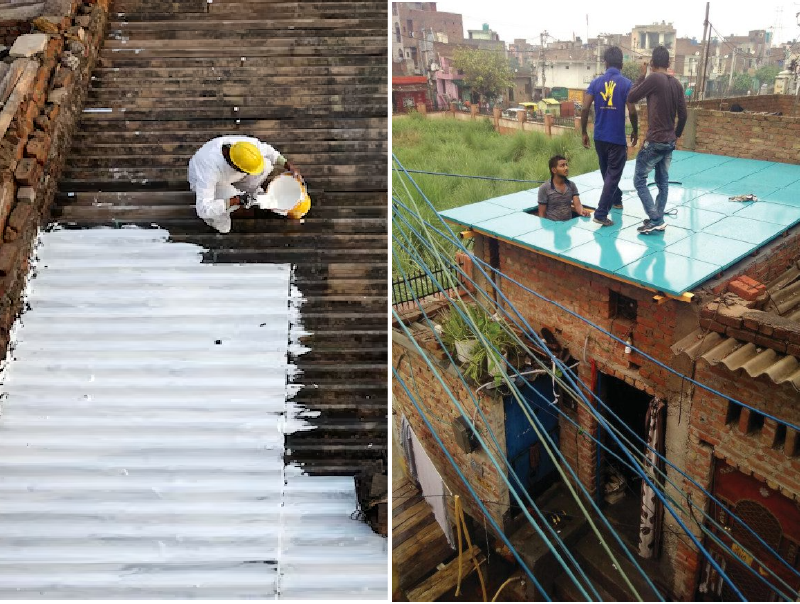
Image Source: India Today (Left), ICIMOD (Right)
Ahmedabad’s Cool Roof Programme, India
Closer to home, Ahmedabad introduced reflective paints and insulated roofing in informal settlements, reducing indoor temperatures by 2–5°C — a simple, cost-effective solution that directly improved health outcomes.
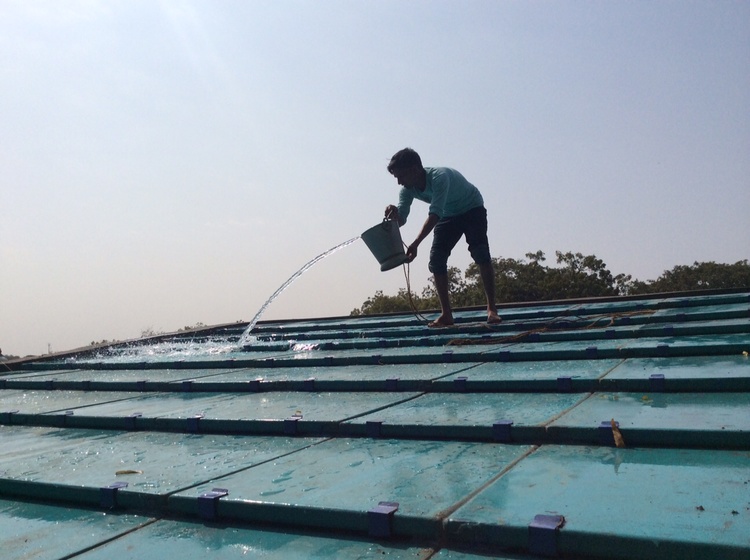
Image Source: CSRBOX
These examples show that architecture and landscape, when combined, can act as climate medicine.
The Human Dimension of Heat
Urban heat islands are not just about uncomfortable summers; they have serious social consequences. Higher temperatures mean:
- Increased energy consumption, straining urban grids.
- Heightened air pollution, worsening respiratory diseases.
- Public health risks, with heatwaves disproportionately affecting children, the elderly, and low-income communities.
Design, therefore, is not just an environmental strategy but a matter of equity and justice. A cooler city is also a more humane and inclusive city.
Gear up for GATE AR 2026, join our masterclass and learn from AIR 14’s proven strategy.
Learning to Design for Cooler Cities
Despite its urgency, the UHI effect often remains underexplored in architectural education. Young architects are trained to design visually impressive forms, but rarely taught how material choice, orientation, or landscaping affects microclimates.
This is where Kaarwan’s specialised courses make a difference. By focusing on climate-responsive design, landscape strategies, and sustainable urban systems, Kaarwan equips students and professionals with the knowledge to design buildings and neighbourhoods that actively combat urban heat. Case studies, workshops, and expert-led sessions demystify the science of UHI and translate it into practical design solutions.
Conclusion: Designing Shade for Tomorrow
Cooling our cities will not be solved by a single innovation. It will come from countless architectural and landscape interventions — every shaded street, every reflective roof, every pocket of green.
For architects, this is both a challenge and an invitation. Beyond aesthetics and form, the task now is to design with climate in mind. The cities of the future will not be judged only by their skylines, but by how liveable, breathable, and resilient they are.
As temperatures climb, architecture must rise — not just upwards in towers, but outwards in responsibility.




.png)