Ways to Incorporate Art in Architecture:
Architecture has always existed at the intersection of functionality and artistic expression. While spatial planning governs movement and usability, art introduces emotion, identity, and narrative into a built environment. From historic temples adorned with carvings to contemporary interiors featuring curated installations, art transforms architecture from a purely constructed enclosure into an experiential space. Today, incorporating art within architectural design is no longer limited to decoration; it plays an active role in shaping atmosphere, enhancing spatial perception, and reinforcing cultural or brand identity. Thoughtfully integrated artistic elements can influence how users perceive scale, warmth, movement, and even memory within a space. The following approaches explore how different artistic mediums can be meaningfully incorporated into architecture rather than merely applied as afterthoughts.
Canvas Paintings:
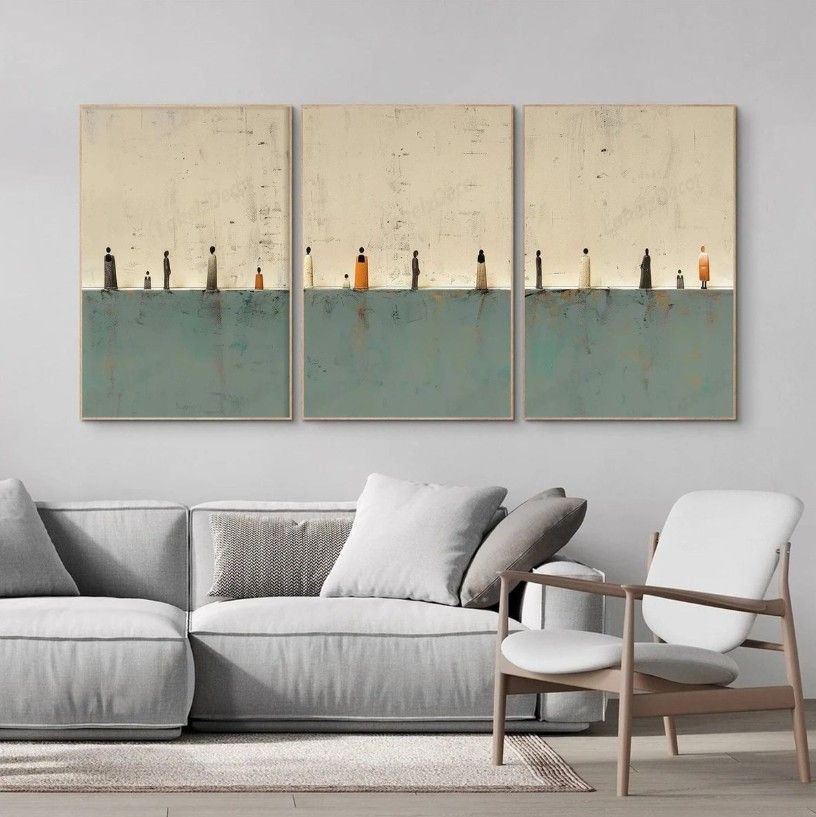
Canvas paintings remain one of the most versatile and adaptable ways to integrate art within architecture. Beyond functioning as wall décor, large-format paintings often act as visual anchors that organize spatial hierarchy and guide attention within interiors. In residential environments, paintings can establish focal walls in living or circulation spaces, balancing proportions within otherwise minimal interiors. In commercial or hospitality settings, curated artwork helps communicate brand identity and cultural positioning. Architects frequently consider scale, viewing distance, lighting orientation, and wall texture while integrating paintings to ensure harmony with architectural elements such as openings, furniture layouts, and material palettes. When aligned with the overall color scheme and spatial rhythm, canvas art softens rigid architectural geometries while introducing personality without altering structural composition.
Sculptural Lighting:
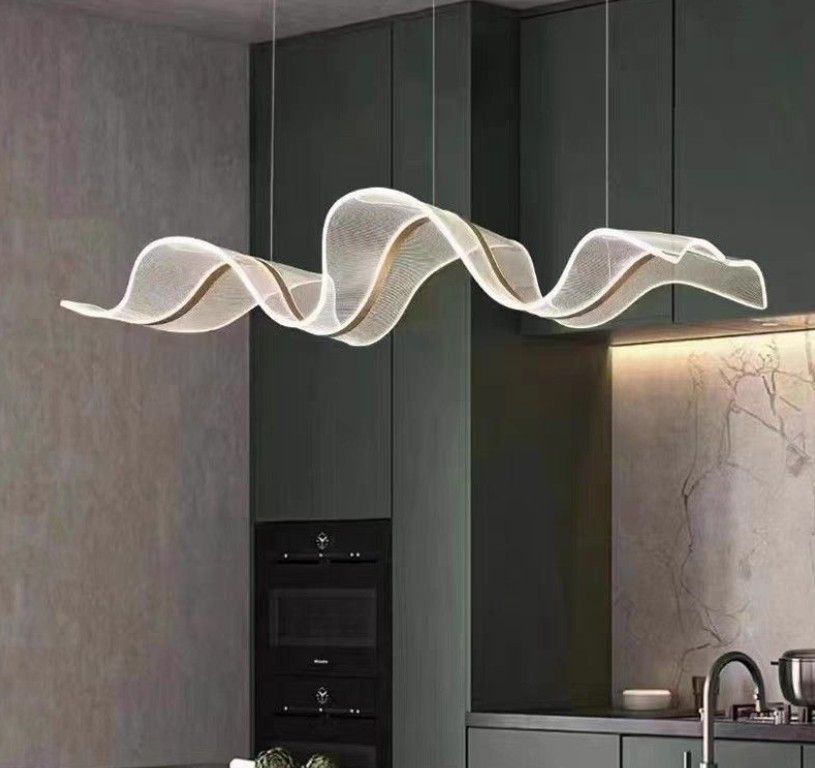
Sculptural lighting represents one of the most seamless integrations of art and architecture because it merges utility with artistic expression. Unlike conventional lighting fixtures designed solely for illumination, sculptural lighting installations act as suspended artworks that shape spatial drama through form, shadow, and movement. Feature chandeliers, abstract pendant clusters, or custom metal light sculptures can emphasize vertical volumes, highlight double-height spaces, or define gathering zones without the need for partitions. The interplay between light intensity and sculptural form contributes to ambience while enhancing architectural depth. In contemporary design, lighting installations are often treated as kinetic or experiential art pieces that evolve throughout the day, transforming interiors through changing reflections and shadow patterns.
Ceramic Art:
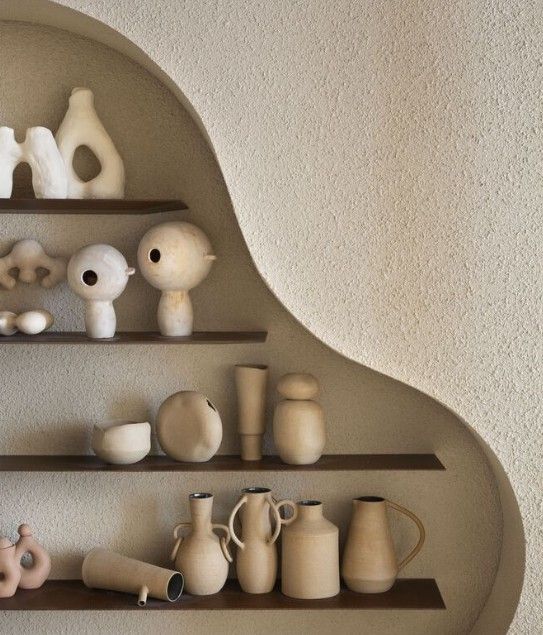
Ceramic art introduces tactility, craftsmanship, and material authenticity into architectural environments. Whether incorporated as handcrafted wall installations, ceramic tile murals, decorative panels, or sculptural vessels, ceramics bridge art with materiality. Their earthy textures and handcrafted imperfections provide contrast against modern materials such as glass, concrete, or steel. Architects frequently integrate ceramic artwork in transitional spaces, niches, feature walls, and hospitality interiors to create moments of pause within circulation paths. Ceramic installations also allow cultural storytelling through pattern, glazing techniques, and regional craft traditions. Because ceramics interact strongly with light and shadow, they enhance surface depth and sensory richness while maintaining durability suitable for long-term architectural integration.
Textile Art:
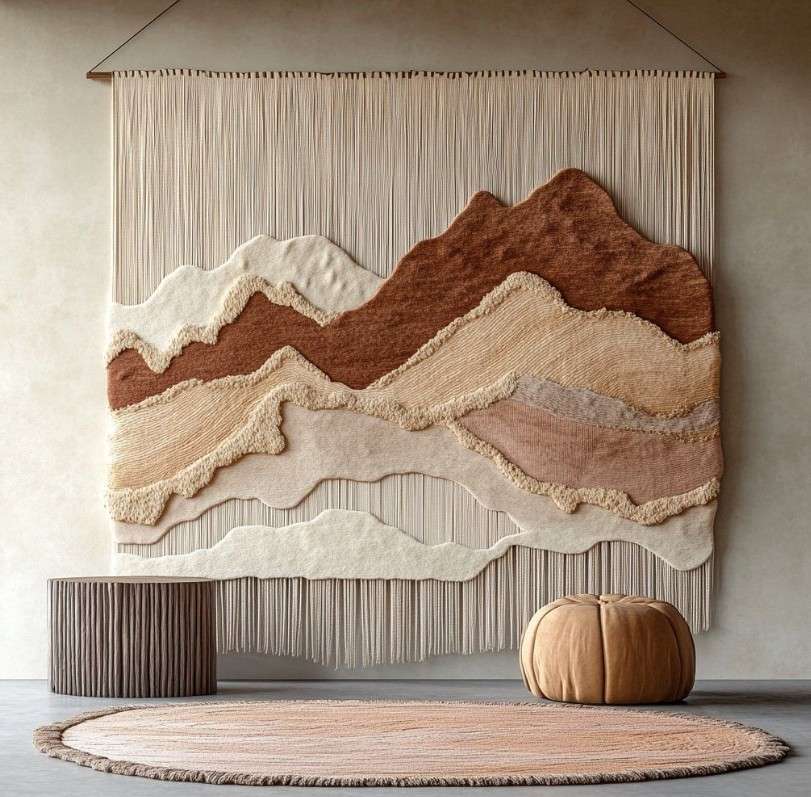
Textile art introduces softness and acoustic comfort while contributing visual richness to architectural spaces. Wall-mounted tapestries, woven panels, fabric installations, or embroidered artworks add warmth that balances hard architectural finishes such as stone, concrete, or metal. In large interiors, textile art helps reduce visual and acoustic harshness by absorbing sound and breaking monotony across expansive surfaces. Contemporary architectural applications often include suspended fabric installations in lobbies, acoustic textile panels in workspaces, or handcrafted weaves used as cultural storytelling elements. The flexibility of textile mediums allows seasonal adaptability and customization, enabling designers to modify spatial mood without permanent structural intervention.
Custom Mural Wallpapers:
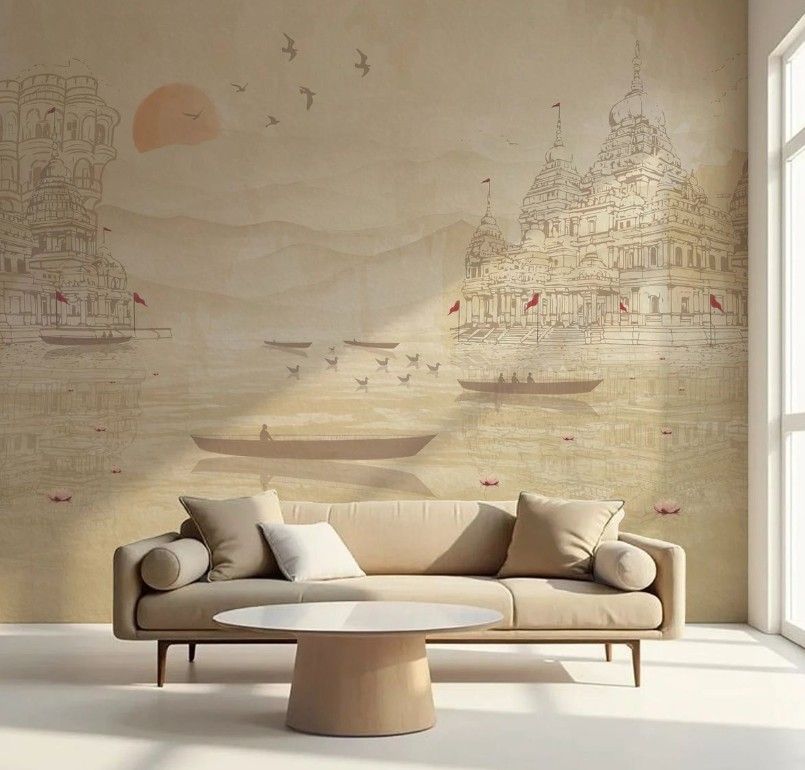
Custom mural wallpapers transform architectural surfaces into immersive artistic environments. Unlike framed artwork confined to specific zones, murals integrate directly with walls, allowing art to become part of the spatial envelope itself. Digitally printed or hand-painted mural wallpapers can visually expand compact interiors, introduce narrative storytelling, or create thematic continuity across spaces. Architects often employ murals in hospitality, retail, educational, and residential interiors to establish identity-driven environments. When aligned with architectural geometry—such as wall proportions, ceiling heights, or circulation axes—murals enhance spatial perception rather than overwhelming it. The result is an integrated visual experience where architecture and artwork function as a unified composition.
Final Thoughts:
Incorporating art into architecture extends beyond aesthetic enhancement; it strengthens emotional engagement, cultural relevance, and experiential quality within built environments. Whether through paintings that define focal points, sculptural lighting that merges function with artistry, ceramics that celebrate craftsmanship, textiles that soften spatial character, or murals that create immersive environments, art enables architecture to communicate meaning. Successful integration occurs when artistic mediums are considered early within the design process, ensuring cohesion between material palette, lighting strategy, and spatial intent. As contemporary architecture increasingly prioritizes user experience, the collaboration between art and architecture continues to redefine how spaces are perceived, inhabited, and remembered.