Cultural heritage preservation plays a vital role in safeguarding our architectural legacy. Structures featuring pendentives and squinches embody historical ingenuity and artistic expression. This article will help you learn about these architectural elements and the methods to preserve them effectively. By understanding their importance, we can ensure these unique forms of squinch architecture remain a testament to cultural heritage for future generations.
What Are Pendentives and Squinches?
Understanding the architectural significance of pendentives and squinches is essential to preserving them. Both are techniques used to transition between a square base and a circular or polygonal dome.
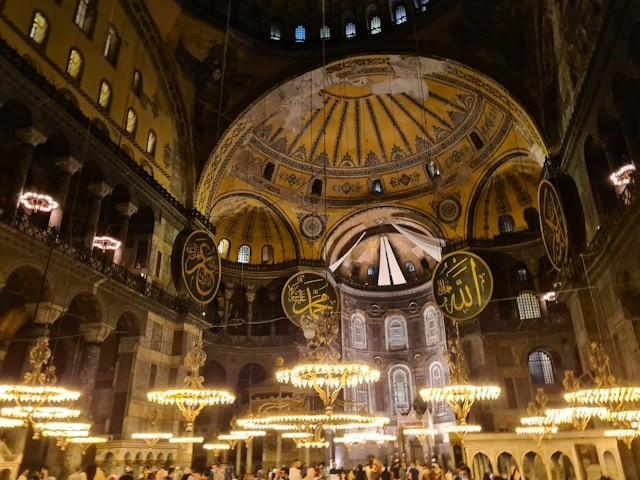
- Pendentives: These are triangular curved sections that connect a dome to its supporting arches. Originating in Byzantine architecture, they allow for the placement of domes over rectangular spaces.
- Squinches: Found in Islamic and Persian architecture, these are architectural devices—arches or corbels—placed diagonally at the corners of a square to support a circular dome.
While their functions overlap, their designs and cultural contexts differ. Preserving these structures ensures continuity in architectural styles across cultures.
The Importance of Preserving Pendentives and Squinches
Why should architects and historians prioritize the preservation of these elements? Their cultural, historical, and artistic significance cannot be overstated.
- Cultural Identity: Heritage preservation ensures communities retain their historical roots. For example, the Hagia Sophia in Turkey features exquisite pendentives that reflect Byzantine artistry.
- Architectural Education: Restoring structures with pendentives and squinches educates future architects about traditional construction techniques.
- Tourism and Economy: Sites with preserved architectural elements attract global tourists, boosting local economies.
According to UNESCO, cultural tourism contributes over 40% to global travel. Maintaining iconic landmarks helps preserve cultural identity while generating revenue.
(Source: UNESCO report on cultural tourism, 2023)
Challenges in Restoring Pendentives and Squinches
Despite their significance, preserving these structures presents numerous challenges.
- Environmental Damage: Exposure to natural elements such as rain, wind, and seismic activity erodes materials.
- Lack of Expertise: Restoration requires specialized knowledge of historical construction techniques.
- Funding Issues: Governments and organizations often struggle to allocate sufficient resources for heritage preservation.
For instance, the restoration of the Great Mosque of Aleppo faced delays due to insufficient funding and expertise in squinch architecture restoration.
Modern Techniques for Preserving Pendentives and Squinches
Innovative methods have revolutionized restoration processes, ensuring structural integrity and aesthetic accuracy.
1. Advanced 3D Scanning Technology
3D scanning captures detailed models of pendentives and squinches, helping architects understand deterioration patterns.
- Example: The restoration of the Alhambra in Spain used laser scanning to document intricate Islamic squinch architecture.
- Benefits: This method minimizes physical contact, preserving delicate structures.
2. Use of Compatible Materials
Preservation involves using materials similar to the originals, ensuring authenticity and longevity.
- Lime mortar is commonly employed in restoring Byzantine pendentives.
- Lightweight concrete is used to stabilize domes in Islamic architecture.
3. Structural Reinforcement
Modern techniques like carbon fiber reinforcement stabilize fragile domes. This method was applied to the Cathedral of Florence, preserving its iconic dome supported by pendentives.
(Source: Florence Cathedral restoration journal, 2022)
Cultural Heritage Examples Featuring Pendentives and Squinches
Restoring iconic landmarks highlights the importance of cultural heritage and architectural preservation.
1. Hagia Sophia, Turkey
The Hagia Sophia boasts massive domes supported by exquisite pendentives. Its restoration involved replacing damaged mortar and reinforcing the base to withstand seismic activity.
2. Alhambra, Spain
This UNESCO World Heritage site features intricate squinch architecture in its Islamic-style domes. Restoration ensured the plaster carvings remained intact while modern materials stabilized the structure.
How Architects Can Contribute to Heritage Preservation
Architects play a pivotal role in maintaining cultural heritage.
- Documentation: Create detailed blueprints and 3D models of endangered structures.
- Community Engagement: Educate locals on the importance of preserving architectural elements like pendentives and squinches.
- Collaboration: Work with historians, archaeologists, and conservationists to ensure accuracy in restoration projects.
Steps for Maintaining Pendentives and Squinches
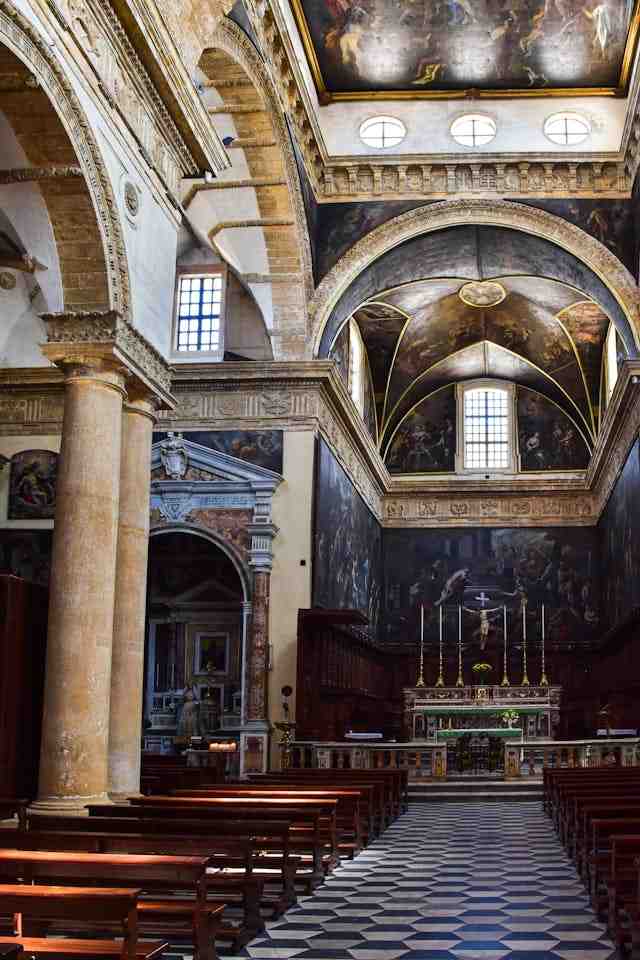
Regular maintenance prevents costly restoration. Here's how professionals can ensure longevity:
- Inspection: Conduct periodic assessments to identify cracks or erosion.
- Cleaning: Use non-abrasive methods to remove dirt and grime without damaging materials.
- Preventive Measures: Install drainage systems to protect against water damage.
Proactive measures reduce restoration costs while preserving heritage architecture.
The Future of Cultural Heritage Preservation
Advancements in technology and increased awareness are shaping the future of heritage preservation. However, global cooperation remains critical.
- International Collaboration: UNESCO's World Heritage Centre promotes initiatives to preserve endangered landmarks.
- Education and Training: Offering courses in squinch architecture and restoration fosters a new generation of skilled professionals.
- Funding Initiatives: Encouraging public-private partnerships can ensure sustained financial support.
By combining traditional techniques with modern solutions, we can secure the future of pendentives and squinches for generations to come.
Conclusion
Restoring and maintaining pendentives and squinches reflects a commitment to preserving our shared past. These architectural marvels are more than structural solutions—they are symbols of human ingenuity and cultural identity. Through modern technology, skilled craftsmanship, and global collaboration, architects and conservationists can ensure these elements endure the test of time. A future where cultural heritage thrives depends on collective effort and respect for history.
The future of architecture is bright, but are your skills keeping pace? Kaarwan's architecture-specific courses provide you with the knowledge and tools to confidently navigate the AEC industry. Gain valuable insights, master in-demand software, and stand out with designs that impress!
FAQs
Q1. What are pendentives and squinches?
A1. Pendentives are curved triangular sections connecting a dome to supporting arches, common in Byzantine architecture. Squinches, seen in Islamic and Persian designs, are arches or corbels at square corners to support domes.
Q2. Why is it important to preserve pendentives and squinches?
A2. Preserving them protects cultural identity, educates future architects, and boosts tourism. For instance, Hagia Sophia's pendentives showcase Byzantine artistry and attract global visitors.
Q3. What challenges arise in restoring pendentives and squinches?
A3. Challenges include environmental damage, lack of expertise, and funding issues. For example, the Great Mosque of Aleppo faced restoration delays due to resource shortages.
Q4. How can modern techniques help preserve pendentives and squinches?
A4. Techniques like 3D scanning, compatible materials (e.g., lime mortar), and carbon fiber reinforcement ensure structural integrity. These methods were applied to landmarks like Alhambra and Florence Cathedral.
Q5. How can architects contribute to heritage preservation?
A5. Architects can document structures, engage communities, and collaborate with experts. Detailed blueprints and educational outreach enhance preservation efforts for architectural heritage.