What if walls could whisper secrets, and roofs could sing stories of the past? Architecture, at its finest, transcends bricks and mortar—it becomes a vessel for cultural storytelling, embedding identity, heritage, and emotion into the spaces we inhabit. India, a country of diverse cultures, offers a kaleidoscope of narratives where every structure reflects cultural significance and whispers tales of its history.
As architect Vito Acconci once said, “Architecture is not about space but about time.” In India, this “time” is a rich tapestry woven from different cultural influences, celebrating the past while evolving into modernity. Today, as interior designers and architects explore new frontiers, the integration of cultural narratives into architectural designs provides an opportunity to honor history, connect communities, and inspire a sense of belonging.
Understanding Cultural Narratives in Architecture
What Are Cultural Narratives in Architecture?
Cultural narratives in architecture are the stories embedded within a space—tales of people, traditions, and values expressed through design elements, cultural aesthetics, and local craftsmanship. These narratives act as bridges, connecting the past and present, preserving cultural heritage, and paying homage to the richness of a community’s history.
Imagine a minimalist home with geometric patterns inspired by traditional motifs or a courtyard that reflects the essence of family gatherings. These spaces become more than functional—they transform into characters within a living story, resonating deeply with their inhabitants.
Why Do They Matter?
1. Preservation of Heritage
Architecture that embraces cultural legacy ensures that traditions survive amidst the push for modernity.
2. Fostering Emotional Connections
When spaces reflect their cultural context, they evoke a sense of pride, belonging, and identity.
3. Resonating with the Local Populace
Designs influenced by local materials and cultural roots naturally blend with their environment, fostering harmony between people and the built environment.
Consider how natural materials like terracotta or teakwood can infuse a home with a connection to its cultural nuances. These thoughtful details do more than beautify—they tell stories that resonate.
Storytelling Through Design: Iconic Examples
IIM Bangalore by B.V. Doshi: Traditional Elements in Modern Spaces
B.V. Doshi, one of India’s most celebrated architects, crafted the IIM Bangalore campus as a dialogue between the past and present. Using local materials like stone, the campus mirrors the courtyards of traditional temples, creating spaces that encourage introspection and interaction. Walking through its pathways feels like stepping into a cultural narrative—where each corner celebrates timeless learning.
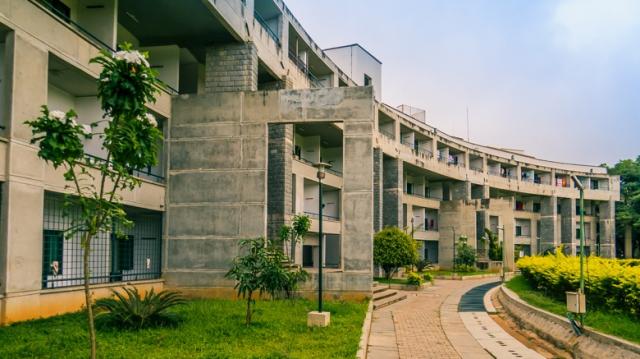
IIM Bangalore Campus, Image Source: Shiksha
Shreyas Foundation, Ahmedabad: A Celebration of Community
The Shreyas Foundation in Ahmedabad exemplifies how design can reflect cultural values and foster inclusion. Its open layouts and vernacular techniques celebrate Gujarat’s ethos. The use of natural materials, earthy tones, and open courtyards preserves cultural identity while maintaining functionality. This design proves that interior design can celebrate local culture while embracing modern architecture.
The Bihar Museum: Bridging the Ancient and Modern
Designed by Maki and Associates, the Bihar Museum is a beacon of cultural representation. The structure incorporates traditional elements like terracotta and latticed facades, blending them with clean, modern lines. This design not only revives Bihar’s legacy but also exemplifies how cultural motifs can enrich contemporary architecture. The museum is a metaphorical timeline, where visitors walk through layers of history while experiencing modern design trends.
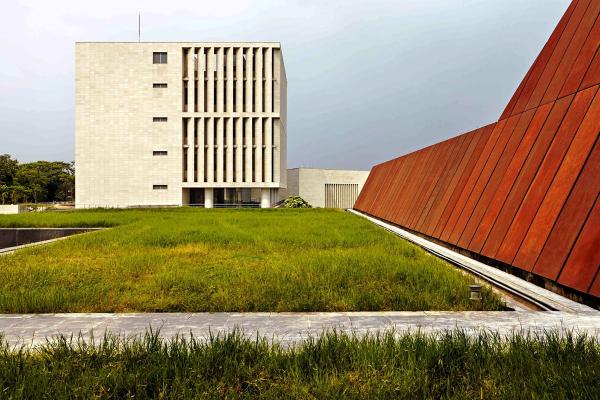
Bihar Museum, Image Source: World Architecture Community
Integrating Cultural Narratives: Challenges and Opportunities
Challenges
Balancing Modernity and Tradition
The infusion of cultural narratives into architectural designs can be challenging, as architects must ensure that tradition does not hinder functionality.
Cost Management
Incorporating traditional craftsmanship or local materials can increase costs, requiring architects to innovate to keep projects sustainable.
Stakeholder Expectations
Designing culturally rich spaces often involves reconciling the diverse visions of developers, users, and communities. The challenge lies in preserving authenticity without alienating stakeholders.
Opportunities
Sustainability
Cultural aesthetics often align with eco-friendly principles. For instance, vernacular materials like bamboo or mud bricks are inherently sustainable.
Global Impact
Indian architecture’s ability to weave cultural diversity into its designs gives it a unique voice on the global stage. Iconic structures like the Sydney Opera House in Australia have shown how storytelling can achieve global recognition.
Inclusivity and Advocacy
Modern designs are increasingly addressing socio-cultural issues. From gender-inclusive spaces to designs celebrating marginalized communities, architecture can be a platform for change.
Emerging Trends in Weaving Cultural Narratives
Biophilic Designs
Inspired by India’s cultural diversity, biophilic architecture integrates ecosystems into urban spaces, creating tranquil environments that resonate with the country’s natural beauty. These designs use natural materials to foster well-being, echoing the philosophy of living in harmony with nature.
Socio-Cultural Advocacy
The rise of designs that champion inclusivity and cultural pride reflects the evolving role of architecture. Architects are increasingly blending cultural storytelling with advocacy, crafting spaces that address social challenges while celebrating cultural identity.
Future Vision: Architects as Storytellers
The future of Indian architecture lies in embracing the fusion of modernity and tradition. Architects and interior designers must act as storytellers, weaving cultural narratives into every structure. By incorporating elements from various cultures into designs, they can reflect the richness of India’s history while meeting contemporary needs.
For example, artisan techniques like intricate wood carving or handwoven textiles can be incorporated into minimalist spaces to create a unique blend of tradition and sophistication. Architects can also draw inspiration from different cultural influences to craft spaces that are both innovative and deeply rooted in heritage.
Conclusion
Architecture is not merely about creating structures; it is about telling stories that resonate with people. In India, where the cultural context is diverse and layered, every design decision can preserve cultural heritage and foster emotional connections.
As we build for the future, let us remember to celebrate the past and pay homage to the cultures that shape us. Through designs that integrate local materials, cultural stories, and thoughtful aesthetics, we can create spaces that not only serve functional purposes but also resonate as timeless works of art.
“Every structure has a story to tell. Let’s create spaces that inspire, preserve, and reflect the rich tapestry of our communities.”
The future of architecture is bright, but are your skills keeping pace? Kaarwan's architecture-specific courses provide you with the knowledge and tools to confidently navigate the AEC industry. Gain valuable insights, master in-demand software, and stand out with designs that impress!
FAQs
1. What is cultural interior design?
Cultural interior design incorporates heritage, traditions, and regional elements into modern interiors to create spaces reflecting cultural identity and emotional connection.
2. How do cultural narratives influence modern design trends?
They inspire designers to integrate traditional motifs, materials, and stories, creating unique interiors that honor the past while staying functional and contemporary.
3. Why is cultural storytelling important in design?
It preserves heritage, fosters emotional connection, and creates designs that resonate with people’s identities and values.
4. What are examples of natural materials used in cultural interiors?
Common materials include terracotta, bamboo, sandstone, teakwood, and handwoven textiles, all of which connect interiors to local ecosystems and traditions.
5. How can modern trends balance tradition and functionality?
By blending traditional craftsmanship with minimalist layouts and eco-friendly techniques, designers achieve a harmonious fusion of heritage and modernity.