Decoding Famous Buildings on Indian Rupees
Indian currency notes are more than money—they are miniature windows into the country’s rich architectural and cultural history. Each denomination celebrates iconic monuments, blending heritage with symbolism. Let’s explore what each note represents, why these buildings were chosen, and the stories they tell.
₹10 Note – Konark Sun Temple, Odisha
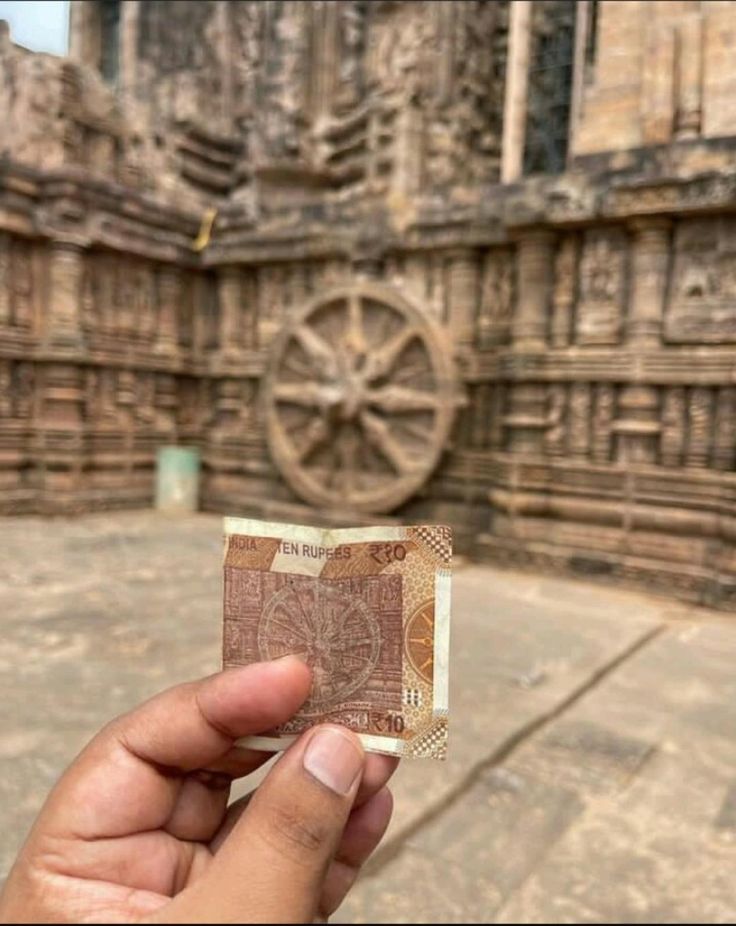
- Style & Era: 13th-century Kalinga Architecture
- Significance: A UNESCO World Heritage site, the Sun Temple is designed as a colossal chariot with intricately carved stone wheels and horses. Its architecture embodies astronomy, art, and devotion.
- Why it’s featured: Represents India’s mastery in temple architecture and creative engineering.
₹20 Note – Ellora Caves, Maharashtra
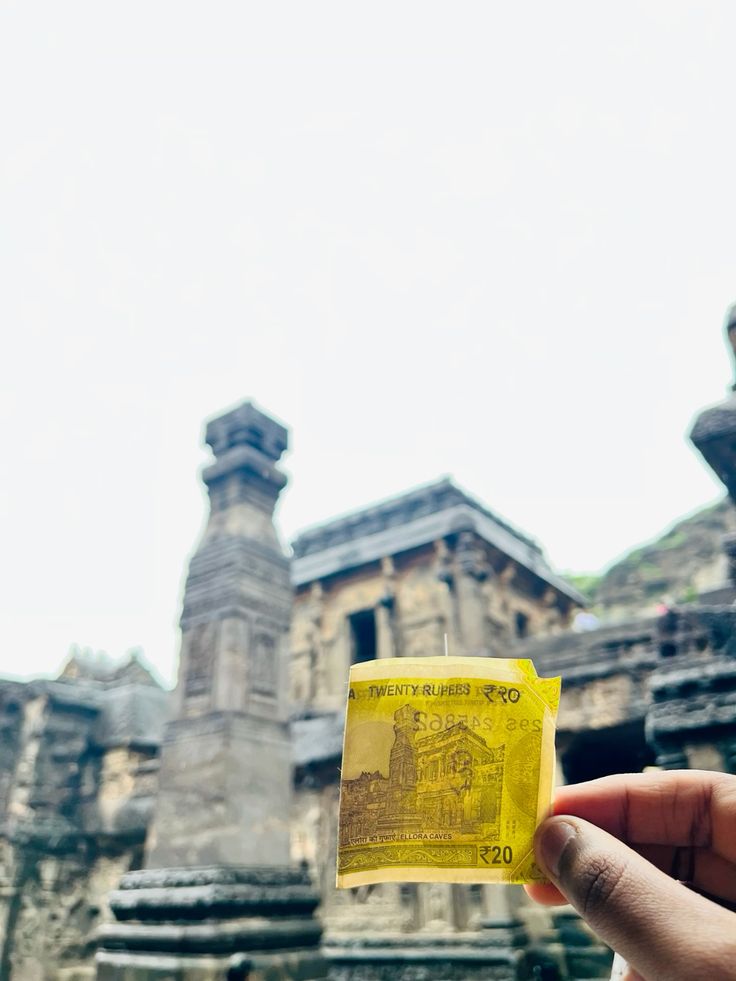
- Style & Era: Rock-cut Buddhist, Hindu, and Jain architecture (6th–10th century CE)
- Significance: A complex of 34 caves carved from basalt cliffs, Ellora showcases multi-religious harmony and intricate sculptural storytelling.
- Why it’s featured: Symbolizes spiritual and artistic diversity in Indian rock-cut architecture.
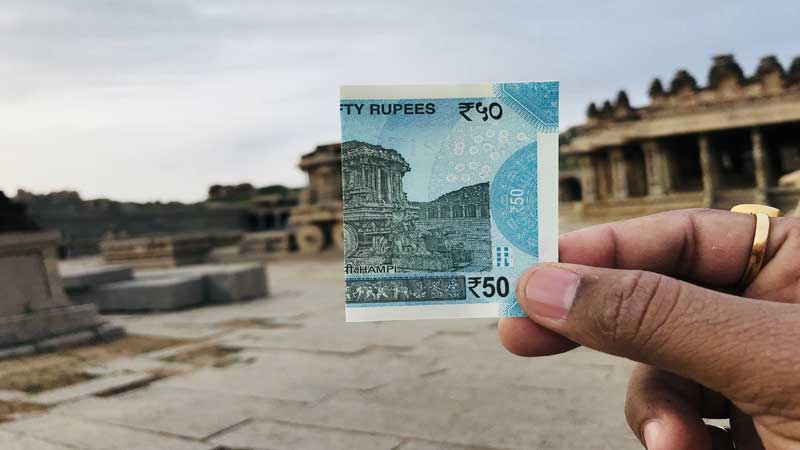
₹50 Note – Hampi, Karnataka
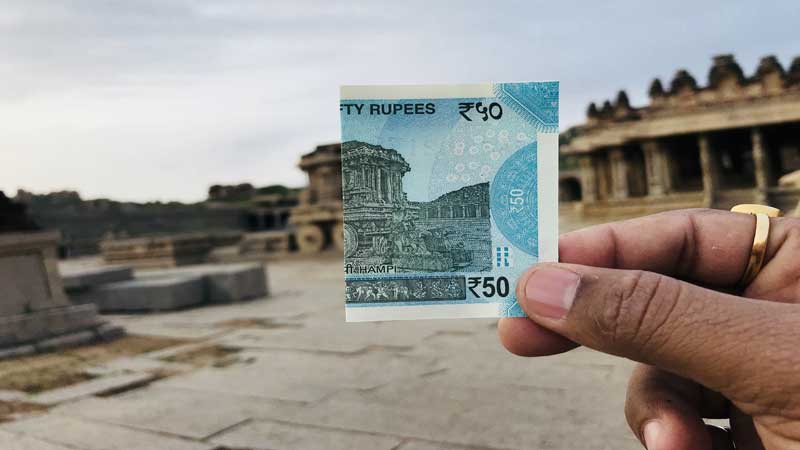
- Style & Era: Vijayanagara Empire architecture (14th–16th century CE)
- Significance: Hampi’s landscape is dotted with stone temples, market streets, and royal pavilions, reflecting careful urban planning integrated with natural surroundings.
- Why it’s featured: Highlights historical grandeur and harmonious urban design.
₹100 Note – Rani ki Vav, Gujarat
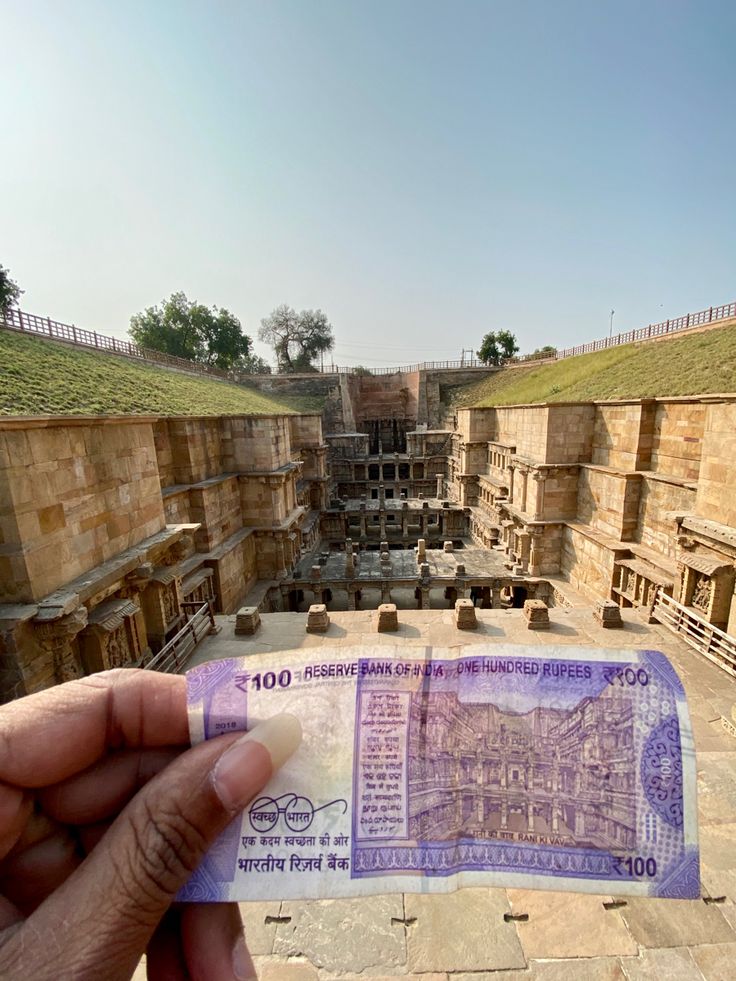
- Style & Era: 11th-century Maru-Gurjara stepwell
- Significance: A stepwell designed as an underground temple with 500+ intricately carved sculptures. Its geometry and artistry are a marvel of water management and aesthetics.
- Why it’s featured: Emphasizes functional yet artistic architecture and water conservation techniques.
₹200 Note – Sanchi Stupa, Madhya Pradesh
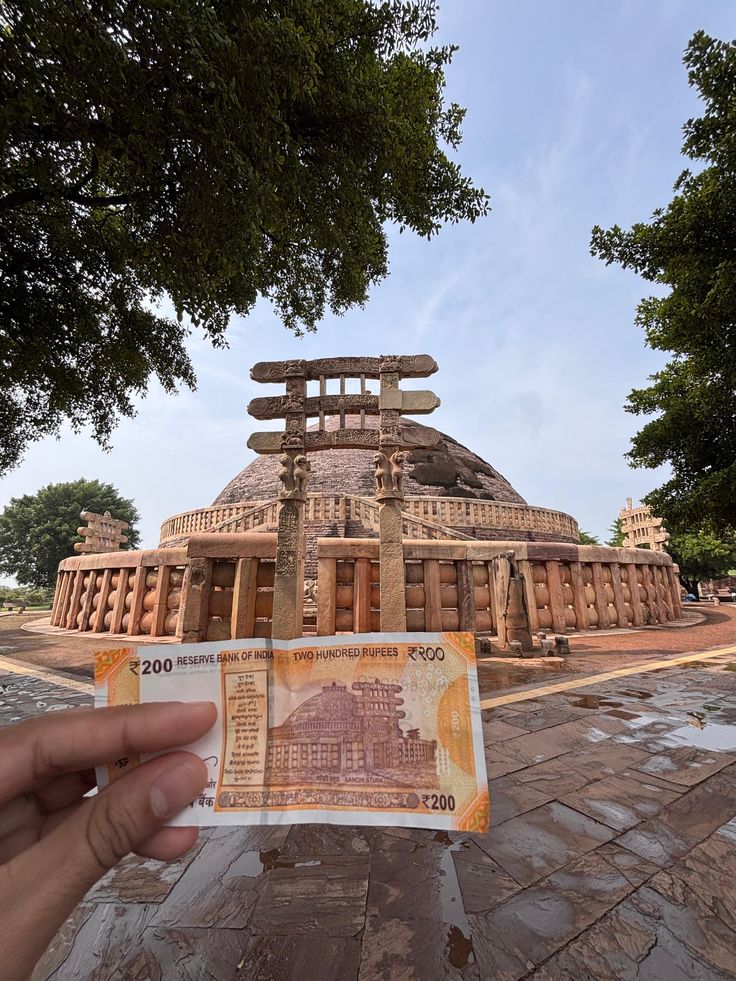
- Style & Era: Mauryan / Buddhist architecture (3rd century BCE)
- Significance: The hemispherical stupa contains relics of the Buddha, adorned with elaborate gateways depicting scenes from his life.
- Why it’s featured: Represents India’s spiritual legacy and ancient mastery of symbolism in architecture.
₹500 Note – Red Fort, Delhi
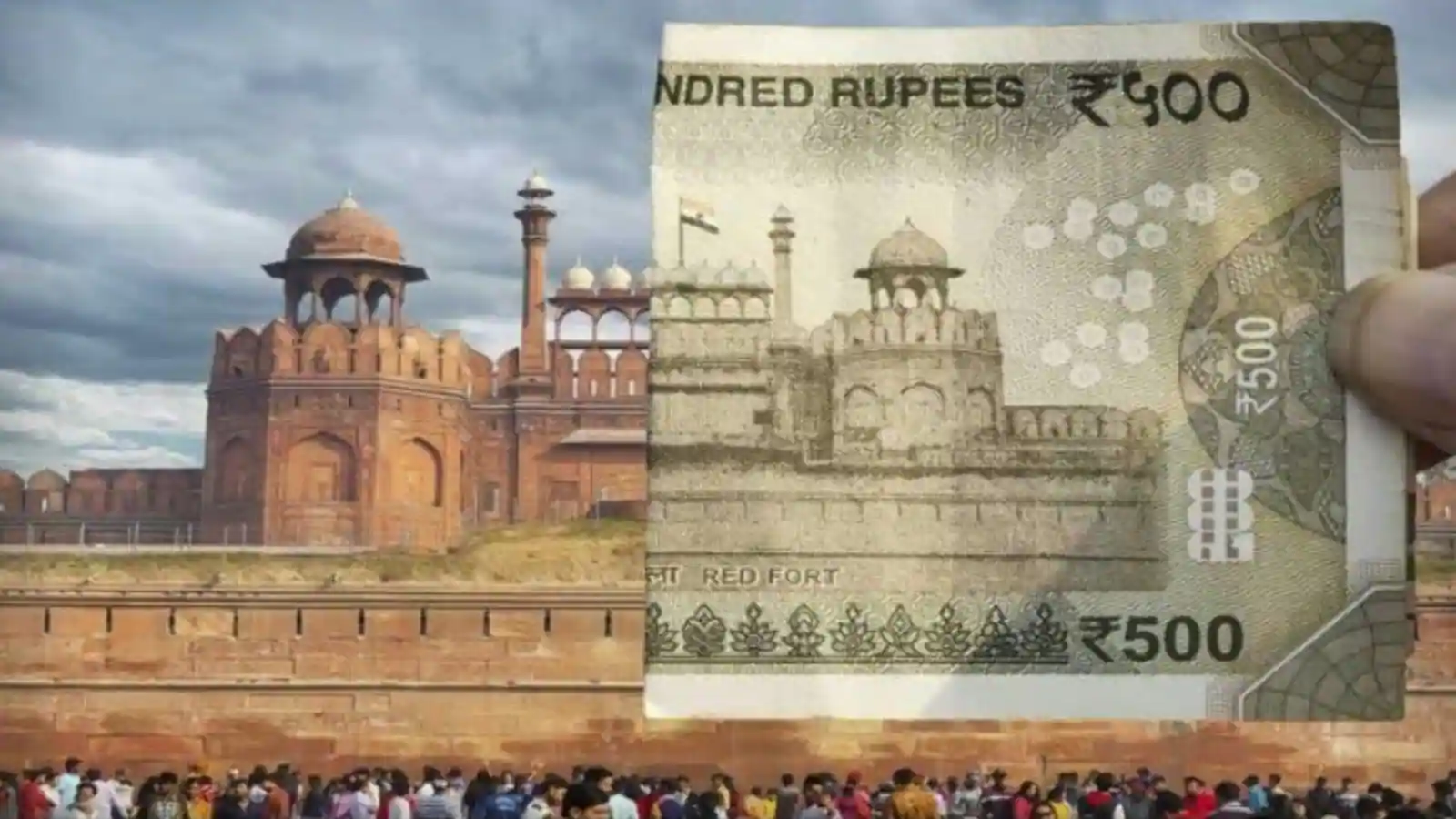
- Style & Era: Mughal architecture (17th century)
- Significance: Shah Jahan’s fortification with red sandstone walls, intricate gates, and symmetrical design is a landmark of Mughal innovation and aesthetic.
- Why it’s featured: Symbolizes India’s political history and Mughal architectural excellence.
₹2000 Note – Mangalyaan (Mars Orbiter Mission), ISRO

- Significance: India’s first interplanetary mission, showcasing the country’s technological and engineering capabilities.
- Why it’s featured: Marks India’s modern achievements in science and innovation, connecting heritage with contemporary progress.
Extra Insights for Collectors and Architecture Enthusiasts
- The notes reflect India’s architectural evolution, from ancient temples and stupas to imperial forts and modern engineering feats.
- Each building represents regional diversity, showing that every part of India has contributed uniquely to the country’s heritage.
- The selection of monuments also tells a story of human ingenuity, blending functionality, art, and cultural significance.