Creating a modular kitchen that aligns with Vastu principles can enhance the harmony and functionality of a home. As an architecture student or professional, understanding how to integrate Vastu into modern kitchen designs isn’t just fascinating; it can also give your projects an edge. Let’s dive into the essentials of designing modular kitchens with Vastu.
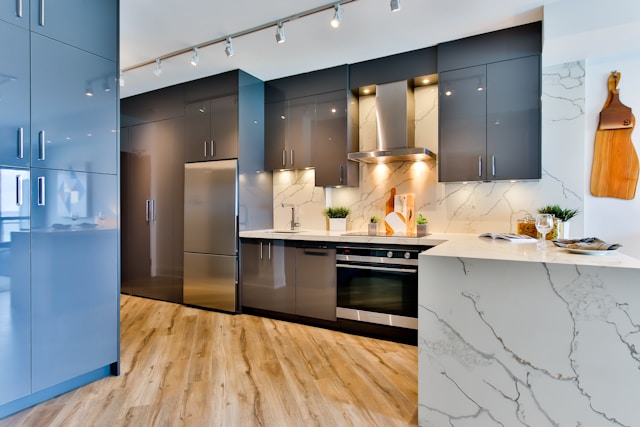
What is Vastu for Modular Kitchens?
Vastu Shastra is an ancient Indian architectural science that focuses on balancing energy in a space. When applied to modular kitchens, it can optimize the layout and ensure positivity flows through the heart of the home.
Why is Vastu Important in Kitchen Design?
- Energy Flow: The kitchen is where food is prepared, nurturing the family. A Vastu-compliant layout ensures a balance of elements like fire and water.
- Health Benefits: Following Vastu principles can enhance the quality of food and overall well-being.
- Aesthetic and Functional Appeal: Integrating Vastu with modular kitchen designs merges tradition with modern functionality, making spaces aesthetically pleasing and purposeful.
Vastu Guidelines for Modular Kitchen Design
Here are some essential tips to design a Vastu-compliant modular kitchen:
1. Ideal Placement
- Direction Matters: The southeast corner is considered the best location for the kitchen as it aligns with the fire element.
- Avoid the North-East: Placing the kitchen here can disrupt the home’s energy balance.
2. Placement of Appliances
- Cooking Stove: Should be placed in the southeast corner, ensuring the cook faces east while cooking.
- Water Elements: Sinks, water purifiers, and refrigerators should ideally be in the north or northeast to balance the fire and water elements.
- Electrical Appliances: Place microwaves and ovens in the southeast direction, aligning with the fire element.
3. Colors for a Harmonious Vibe
- Warm Tones: Use shades of red, orange, or yellow for cabinets and walls as they represent the fire element.
- Avoid Dark Colors: Avoid black or dark shades, which can create a sense of heaviness.
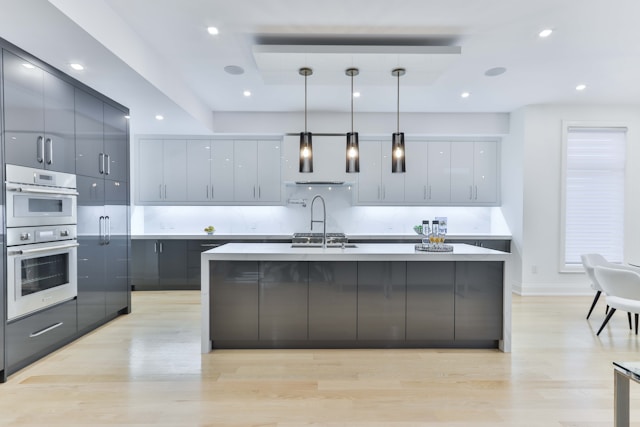
4. Storage Solutions
- Upper Cabinets: Use the southern or western walls for heavy storage.
- Light Shelving: Install lighter shelves in the eastern or northern directions.
5. Ventilation and Lighting
- Natural Ventilation: Ensure there’s a window or exhaust fan in the east to allow fresh air circulation.
- Bright Lighting: Illuminate the kitchen with bright, warm lights to boost energy.
Incorporating Vastu Architecture into Modern Kitchens
Blending Vastu architecture principles into modular kitchen designs doesn’t mean sacrificing modern aesthetics. Here’s how to strike the balance:
Minimalist Layouts
While adhering to Vastu, ensure the kitchen layout is clutter-free and spacious. Modular designs with seamless storage options help maintain a clean look.
Smart Technology Integration
Incorporate smart appliances in Vastu-approved placements to enhance functionality without compromising energy flow.
Sustainable Materials
Use eco-friendly materials for countertops, cabinets, and flooring that align with both Vastu and sustainability trends.
Common Mistakes to Avoid
Ignoring the Direction of Elements
Placing sinks and stoves together can disrupt the energy balance. Always follow Vastu principles for their placement.
Overcrowding the Space
Avoid overloading the kitchen with appliances and décor, which can hamper energy flow.
Neglecting Maintenance
A dirty or cluttered kitchen can negatively affect the overall energy, irrespective of Vastu compliance.
The Future of Vastu-Compliant Kitchens
With the rising popularity of modular kitchens, integrating Vastu architecture is becoming a sought-after skill. As architects, understanding these principles allows you to cater to clients seeking designs that resonate with tradition and modernity.
Curious about mastering Vastu principles for your architectural designs? Enroll in a comprehensive Vastu course today to enhance your expertise and set your projects apart.
Visit our website Kaarwan for more!
FAQs
1. What is the best direction for a modular kitchen according to Vastu?
The southeast corner is ideal for placing the kitchen, aligning with the fire element.
2. Can I apply Vastu principles to small modular kitchens?
Yes, Vastu can be adapted to kitchens of all sizes by focusing on element placements and energy balance.
3. Which colors are best for a Vastu-compliant kitchen?
Warm tones like red, orange, and yellow are recommended, while dark shades should be avoided.
4. How can I balance fire and water elements in my kitchen?
Place water elements like sinks in the north or northeast and fire elements like stoves in the southeast.
5. Is there a course to learn Vastu for architectural designs?
Yes, specialized Vastu courses are available online to help architects integrate these principles into their projects.