

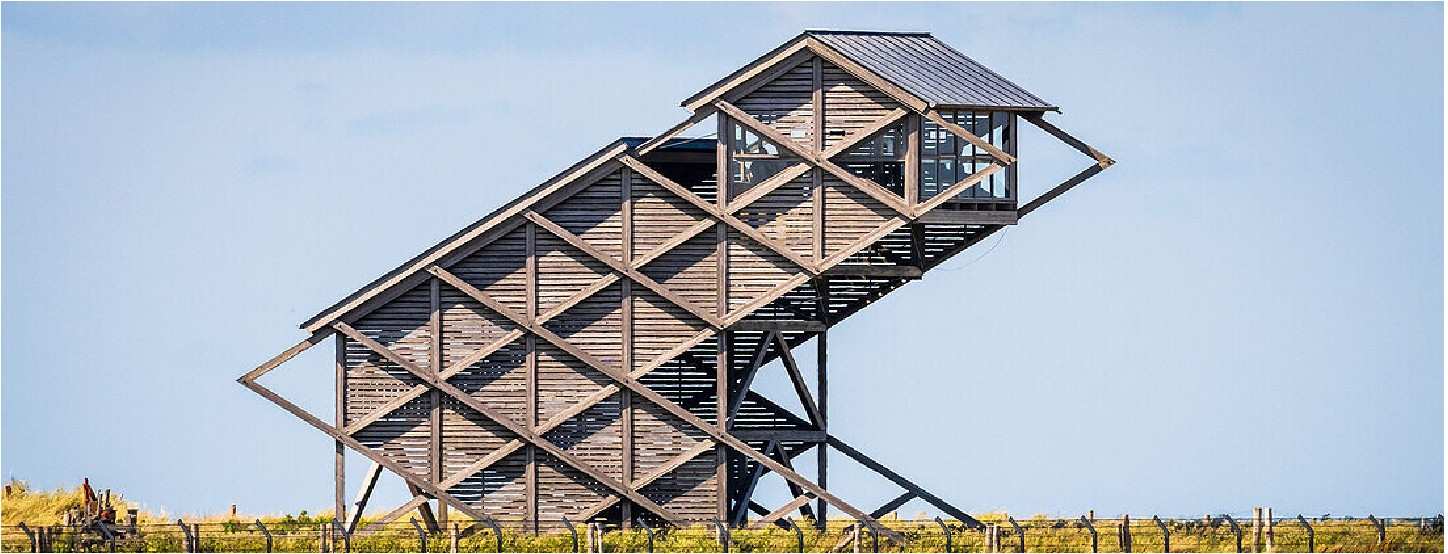
Designing for Birds
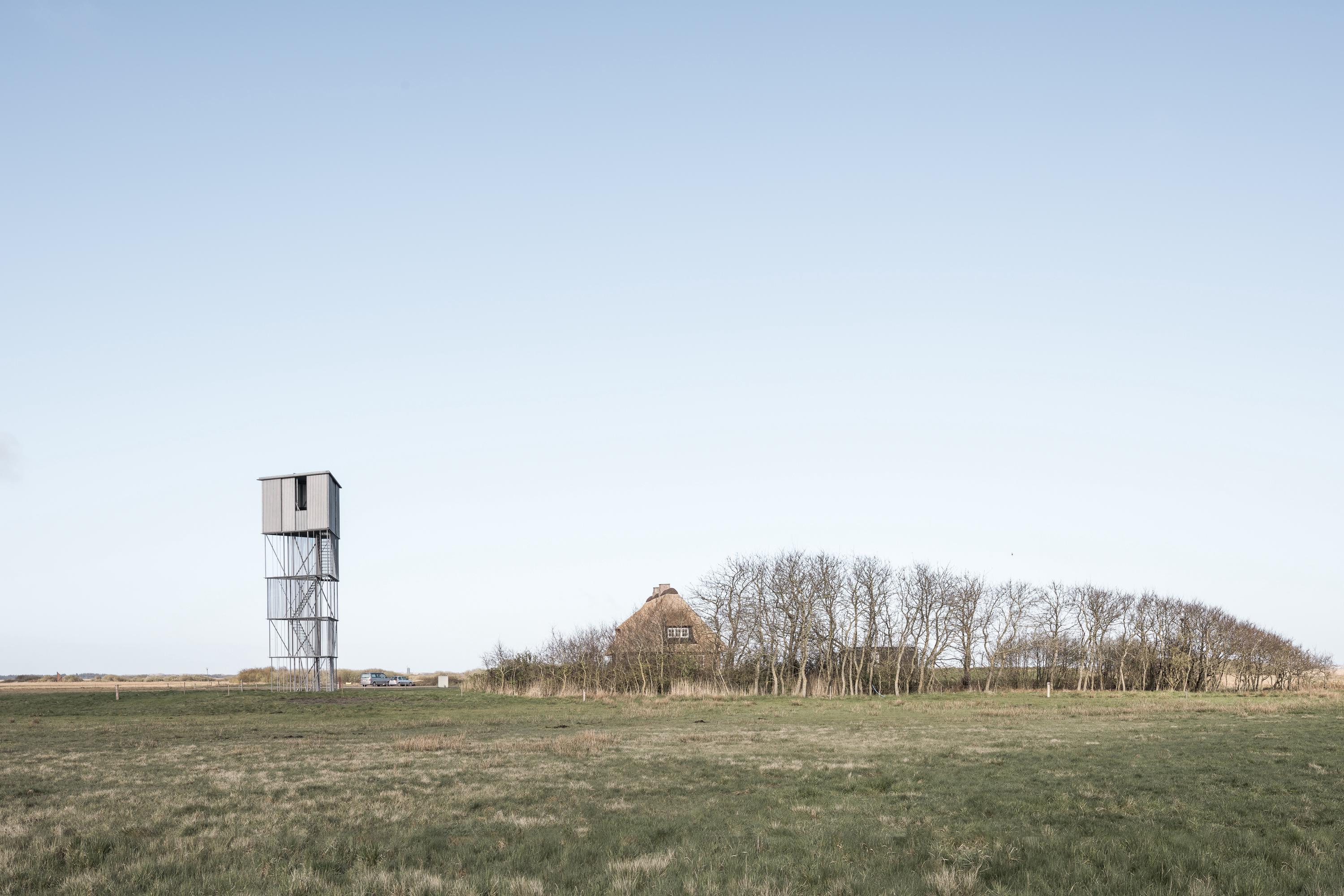
Image Source: Designboom
Architecture has long responded to human needs, but in recent years, the practice has widened its lens to include the requirements of non-human species. Among the most fascinating intersections is the design of ornithologist apartments and research centres—spaces that serve dual functions: enabling researchers to live and work, while ensuring minimal disturbance to birds in their natural habitats. These projects sit at the crossroads of science, architecture, and ecology, offering valuable lessons in co-existence.
Understanding the Typology
An ornithologist’s research centre is more than a building; it is an instrument for observing, recording, and analysing avian life. Such facilities often integrate:
- Observation towers or hides, carefully positioned to offer vantage points without alarming birds.
- Residences or apartments that allow researchers to live on site, reducing travel and enabling immersive, round-the-clock study.
- Research labs and libraries, where data is processed and findings are shared.
- Visitor facilities, in some cases, to promote eco-tourism and public awareness.
The challenge is balancing functionality for researchers with sensitivity to the ecosystem. Materials, scale, and placement become crucial decisions—not only to enhance human comfort but also to ensure that the architecture does not disrupt the natural rhythms of bird life.
The Bird Observatory, Fair Isle, Scotland
The Fair Isle Bird Observatory is one of the most renowned examples, situated on a remote Scottish island famed for its seabirds and migratory visitors. Originally established in 1948, the observatory provided accommodation for researchers and bird enthusiasts alike. Its architecture was modest, with low-impact forms that sat lightly on the landscape.
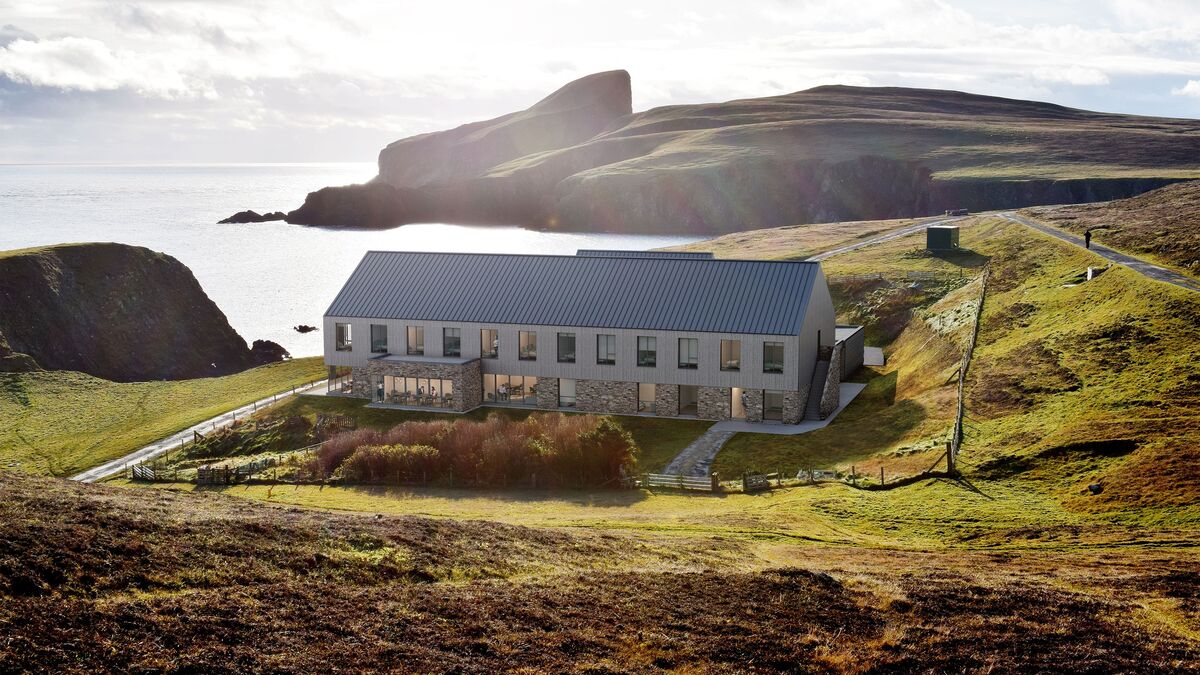
Image Source: ICA Studio
- Key Features: Simple gabled volumes echoing vernacular island cottages. Integration of living quarters and research facilities under one roof. Orientation towards bird migration routes, allowing direct observation.
- Simple gabled volumes echoing vernacular island cottages.
- Integration of living quarters and research facilities under one roof.
- Orientation towards bird migration routes, allowing direct observation.
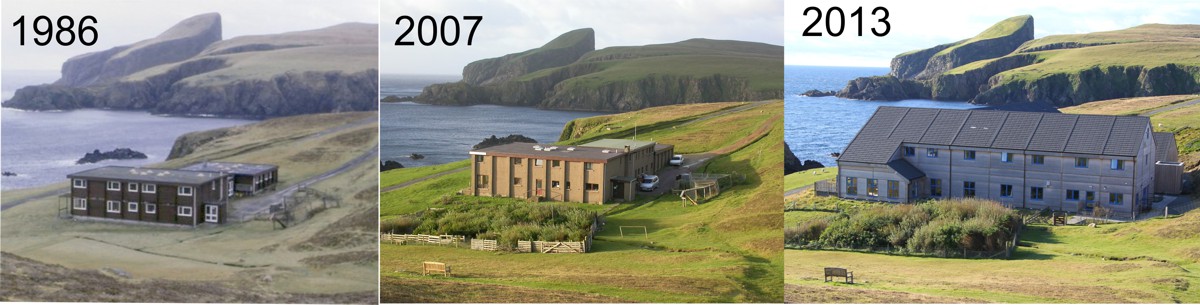
Image Source: Fair Aisle Bird Observatory
While the original structure was tragically destroyed by fire in 2019, its legacy continues to inform contemporary designs of observatories—demonstrating how modest, context-sensitive architecture can become a hub for global ornithological research.
Besh Barmag Bird Migration Centre, Azerbaijan
Along the Caspian Sea, the Besh Barmag Bird Migration Centre represents a more contemporary model. Designed to monitor one of Eurasia’s largest bird migration bottlenecks, the centre seamlessly blends scientific infrastructure with landscape-sensitive architecture.
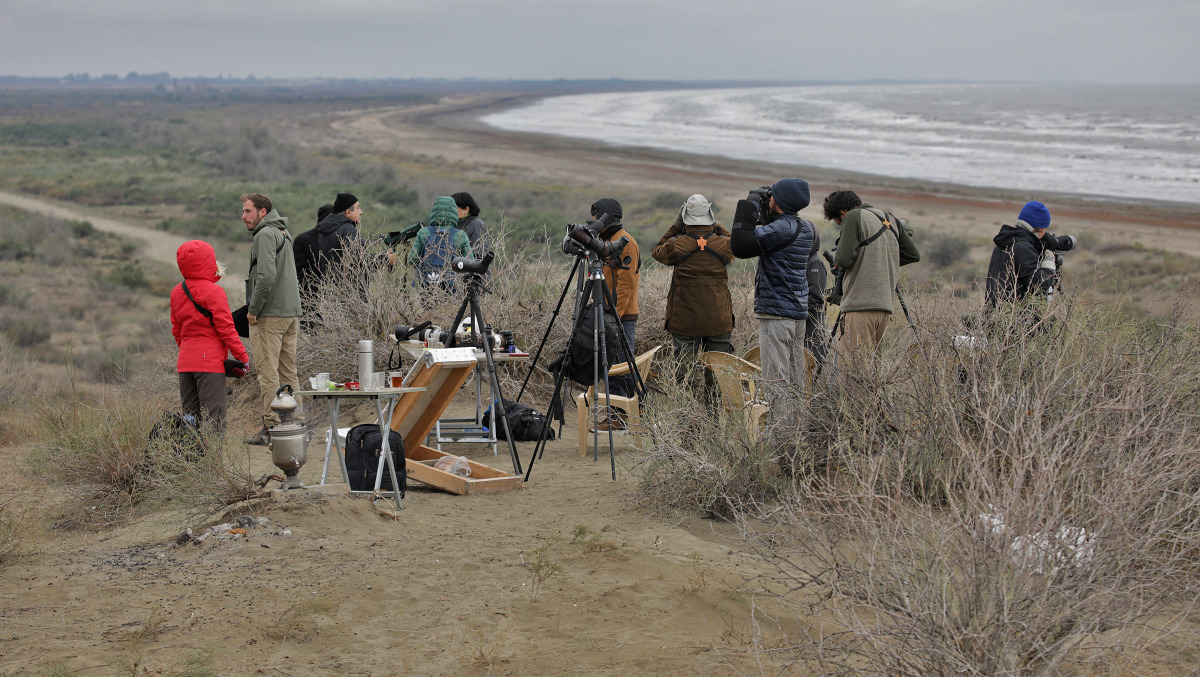
Image Source: gofundme for bird park
- Key Features: Elevated wooden observation decks, allowing panoramic views without disturbing ground habitats. Modular, prefabricated structures that minimise on-site ecological disruption. Integrated solar panels and rainwater harvesting systems, making the centre largely self-sufficient.
- Elevated wooden observation decks, allowing panoramic views without disturbing ground habitats.
- Modular, prefabricated structures that minimise on-site ecological disruption.
- Integrated solar panels and rainwater harvesting systems, making the centre largely self-sufficient.
Here, architecture becomes not only a research platform but also an educational space, attracting international visitors and reinforcing the role of design in conservation-led tourism.
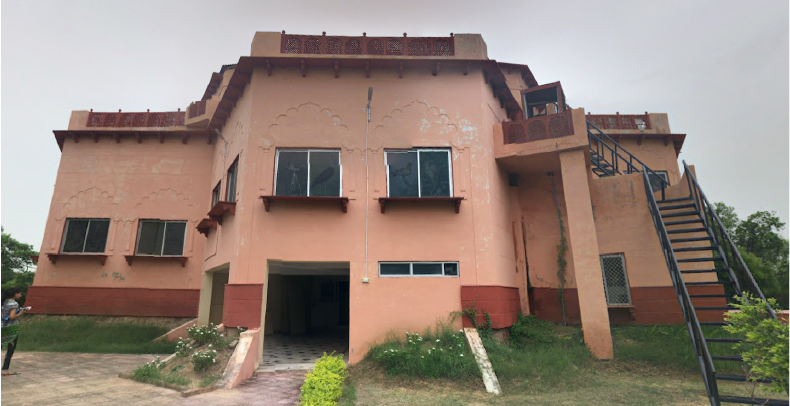
Image Source: Google Earth P
Bharatpur Bird Sanctuary Research Station, India
Closer to home, the Bharatpur Bird Sanctuary (Keoladeo National Park) includes modest research stations that reflect the realities of working within sensitive ecosystems in India.
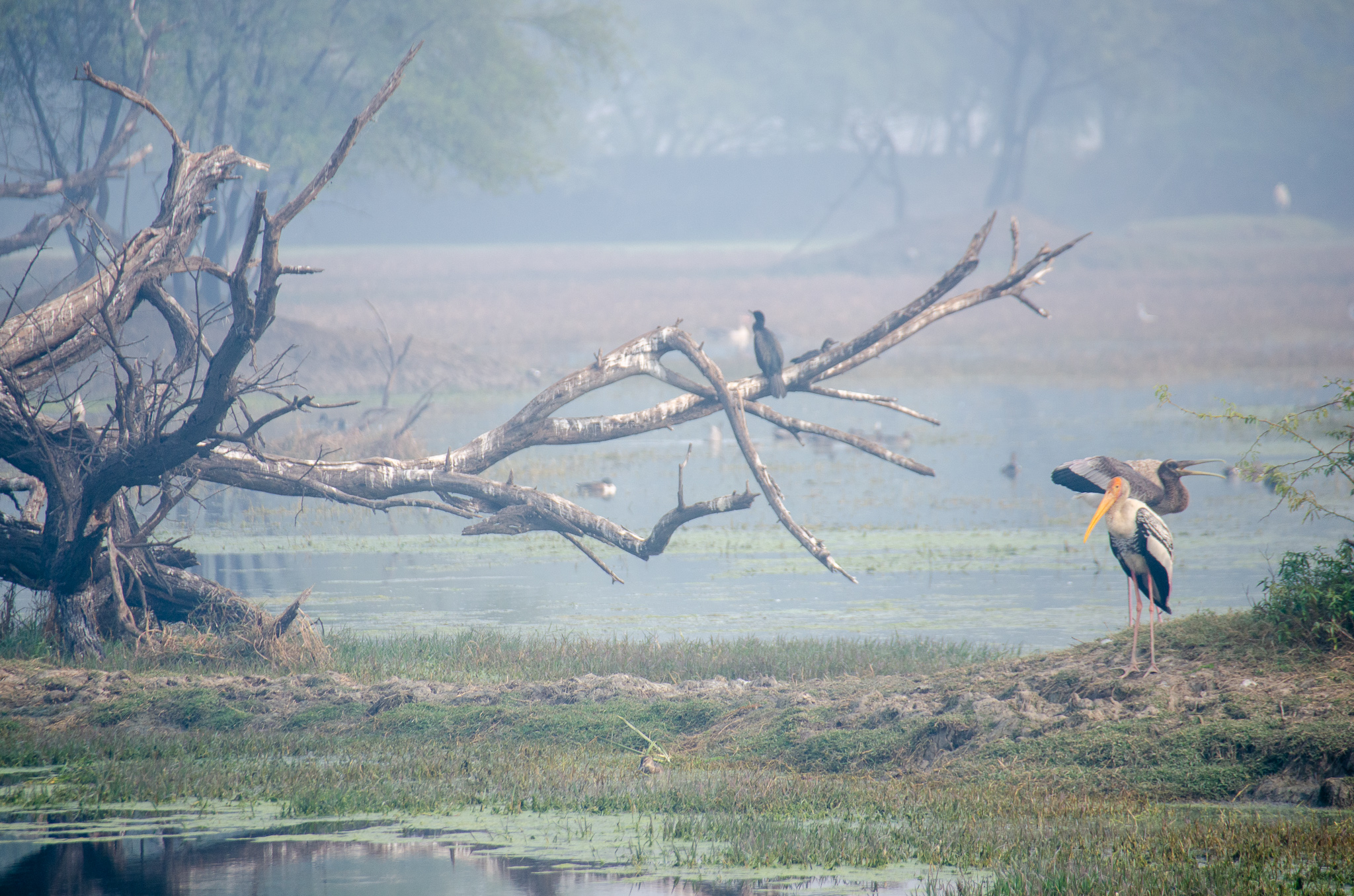
Image Source: lifewithjanets.com
- Key Features: Compact structures constructed using local brick and lime plaster, minimising visual impact. Basic dormitories for researchers and volunteers, reducing reliance on external accommodations. Simple shaded verandahs, doubling as informal observation points.
- Compact structures constructed using local brick and lime plaster, minimising visual impact.
- Basic dormitories for researchers and volunteers, reducing reliance on external accommodations.
- Simple shaded verandahs, doubling as informal observation points.
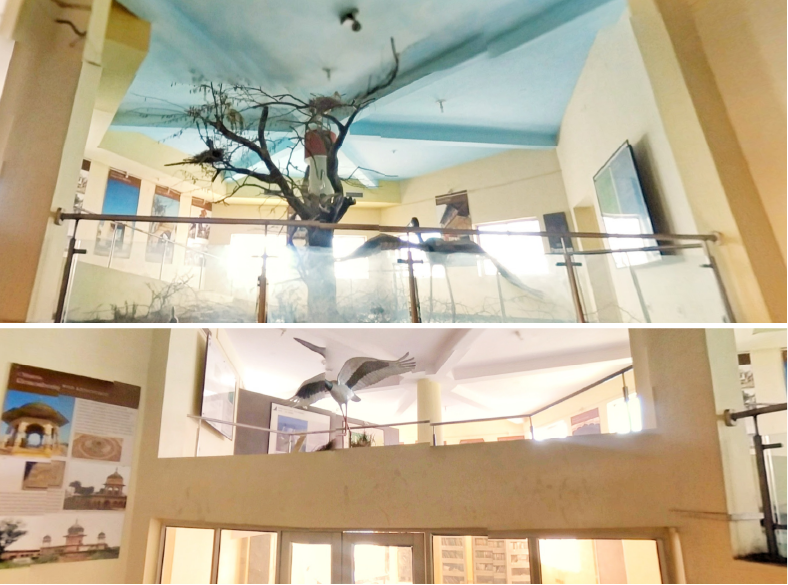
Though less architecturally celebrated than their European counterparts, these research stations are instructive in their pragmatic, low-cost approach—demonstrating that impactful bird research infrastructure does not always require grand architectural gestures.
Lessons for Architects
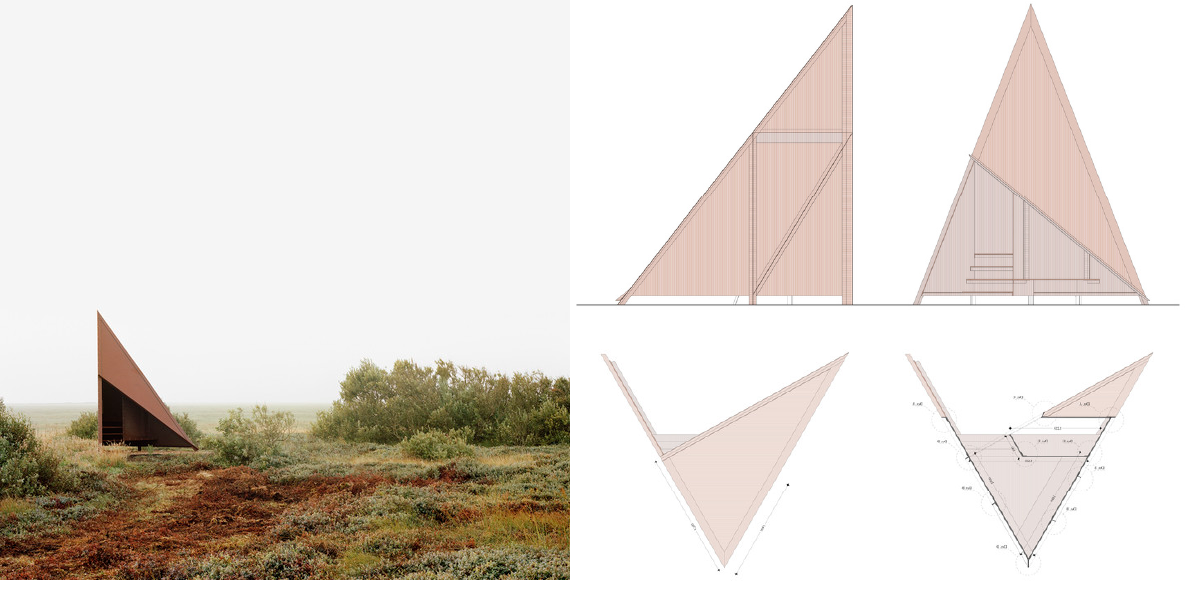
Image Source: Designboom
From these case studies, several lessons emerge for architects designing ornithological facilities:
1. Site Sensitivity – Placement of structures should respect migratory paths, breeding grounds, and existing vegetation.
2. Material Choice – Timber, stone, and locally sourced, non-reflective materials reduce disruption and blend with the natural environment.
3. Scale and Form – Modest, low-rise volumes are preferable, ensuring architecture remains background to avian life.
4. Integration of Technology – Solar panels, passive cooling, and water systems allow centres to function off-grid, often in remote sites.
5. Dual Use – Spaces must serve researchers’ practical needs while fostering public awareness through visitor-friendly design.
Why This Matters
Ornithologist apartments and research centres embody a broader movement in architecture—designing for multi-species cohabitation. These spaces remind us that architecture can extend beyond human-centric solutions to include the well-being of birds, animals, and ecosystems. As climate change and urban expansion threaten migratory patterns and habitats, such sensitive design interventions become ever more critical.
Ultimately, these projects represent more than places to study birds; they are testaments to architecture’s ability to act as mediator between human pursuit of knowledge and the fragile beauty of the natural world.
FAQs
Q1. What is an ornithologist's watch tower/station?
An ornithologist's watch tower is a residential space integrated within a research facility, enabling bird researchers to live close to observation and study sites.
Q2. Why do research centres for birds often include living quarters?
Living on site reduces disturbance caused by repeated travel, allows round-the-clock observation, and fosters deeper immersion in the ecosystem.
Q3. How do these research centres avoid disturbing bird habitats?
They use low-impact materials, careful site placement, and design strategies like elevated decks and screened observation hides to minimise human presence.
Q4. Are these centres open to the public?
Some, like the Fair Isle Observatory, welcome visitors and birdwatchers, while others remain restricted to researchers depending on conservation sensitivity.
Q5. What role does architecture play in ornithology?
Architecture provides the physical framework for research, offering safe, functional, and ecologically sensitive spaces that balance human needs with the protection of bird life.




.png)