

.jpeg)
Walk through any modern city today - and you’ll see a quiet kind of fear built into its very skin.
High compound walls topped with barbed wire. CCTV cameras watching every corridor. Housing societies wrapped in gates, guards, and biometric access.
Architecture, once a language of openness and belonging, is increasingly being shaped by insecurity. And somewhere between the fences and facades, our cities are learning to speak in the language of fear.
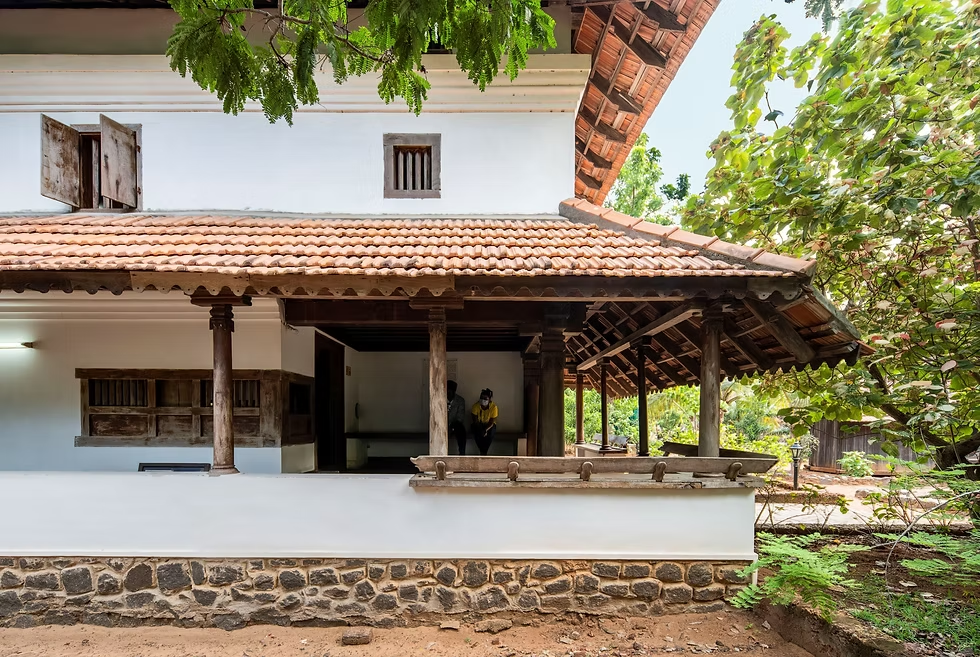
Image Source: Benny Kuriakose
From Openness to Isolation
In the past, the front verandah or courtyard was a bridge between the private and public. You could sit on the otla, chat with a passerby, or watch the world unfold outside your threshold.
Today, that threshold has become a security gate. Architecture has moved from inclusive to exclusive, mirroring our shifting social patterns.
“The wall is no longer just a boundary — it’s a statement of who belongs inside.”
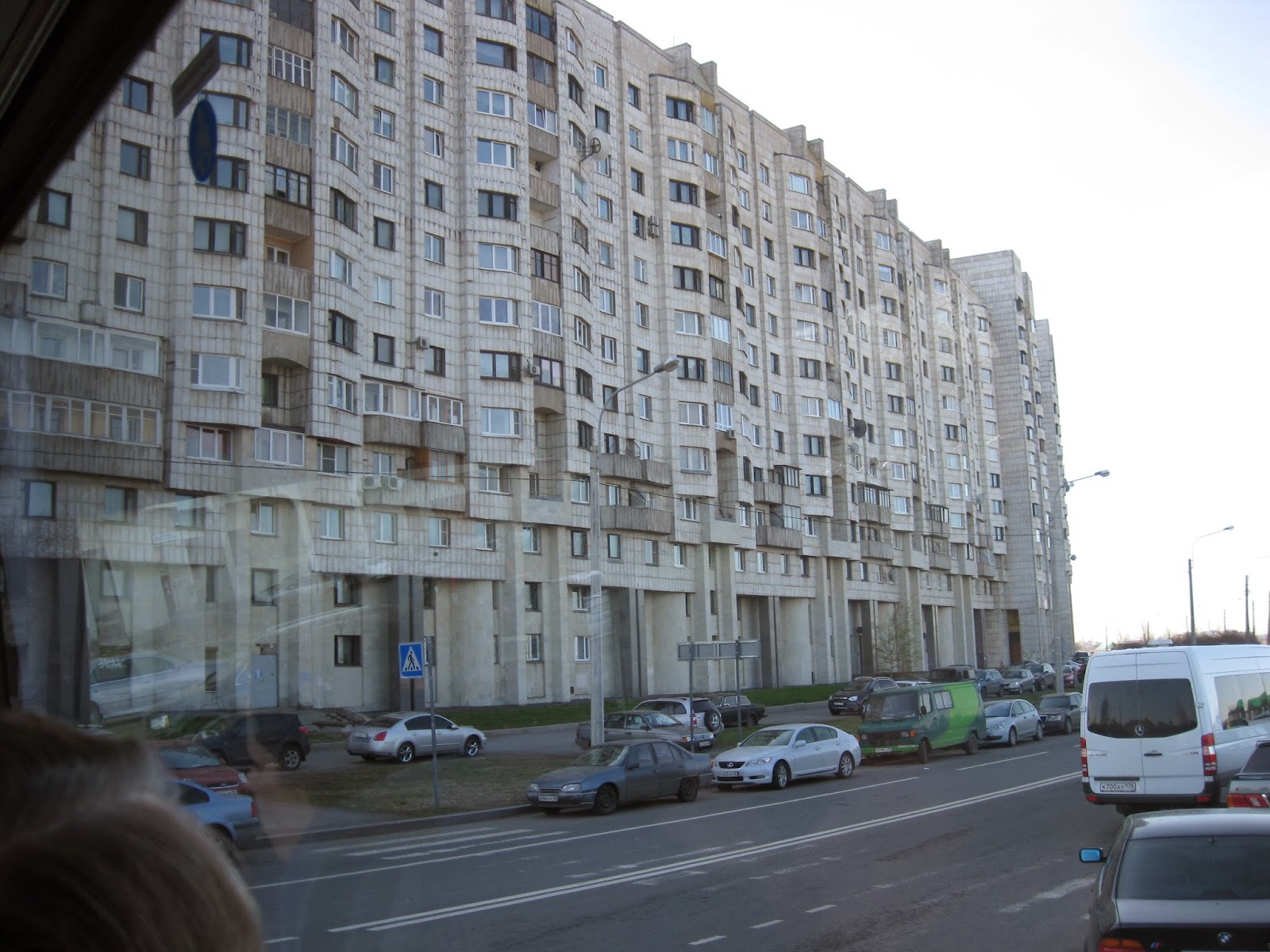
Image Source: Art Now and Then
The Rise of Gated Urbanism
Gated communities first emerged as a promise of comfort and safety — controlled access, manicured landscapes, quiet streets. But over time, they’ve come to symbolise something deeper: urban segregation.
Cities like Gurgaon, Bengaluru, and Mumbai are now mosaics of isolated “islands” — each self-contained, each protected, each disconnected from the street outside.
Pedestrian movement gets restricted, informal commerce disappears, and social exchange fades.
The fear of the other is literally drawn in plan — as a compound wall.
Surveillance as the New Ornamentation
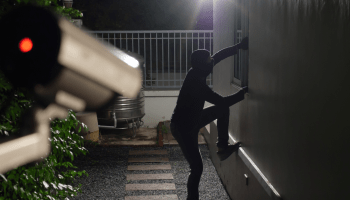
Where facades once carried carvings and balconies, they now carry cameras.
The new urban aesthetic is defensive modernism — smooth walls, controlled openings, and eyes that record. Architects are quietly being asked to design “secure facades”:
- Minimum street-level openings,
- Heighted plinths,
- Recessed entrances,
- and integrated surveillance points.
Even in public projects, design briefs often prioritize visibility over vitality.
“Transparency now means CCTV, not glass.”
The Psychology Behind the Fence
Why this collective retreat? Sociologists call it the architecture of fear — the physical manifestation of anxiety in our built environment.
As cities grow denser, people instinctively build barriers — to protect property, identity, and comfort. But these barriers often breed the very thing they try to prevent: alienation.
High walls reduce natural surveillance, empty streets increase risk, and disconnected public realms make cities feel unsafe. It’s a paradox of urban design — the more we protect ourselves, the more vulnerable our cities become.
Examples Around the World
- Johannesburg, once the most segregated city in the world, still battles “wall culture.” Residents describe their neighbourhoods as “walled prisons.”
- São Paulo’s high-rise compounds come with helipads to avoid unsafe streets below.
- London and Los Angeles deploy “defensive design” through spikes on ledges and benches designed to prevent sleeping.
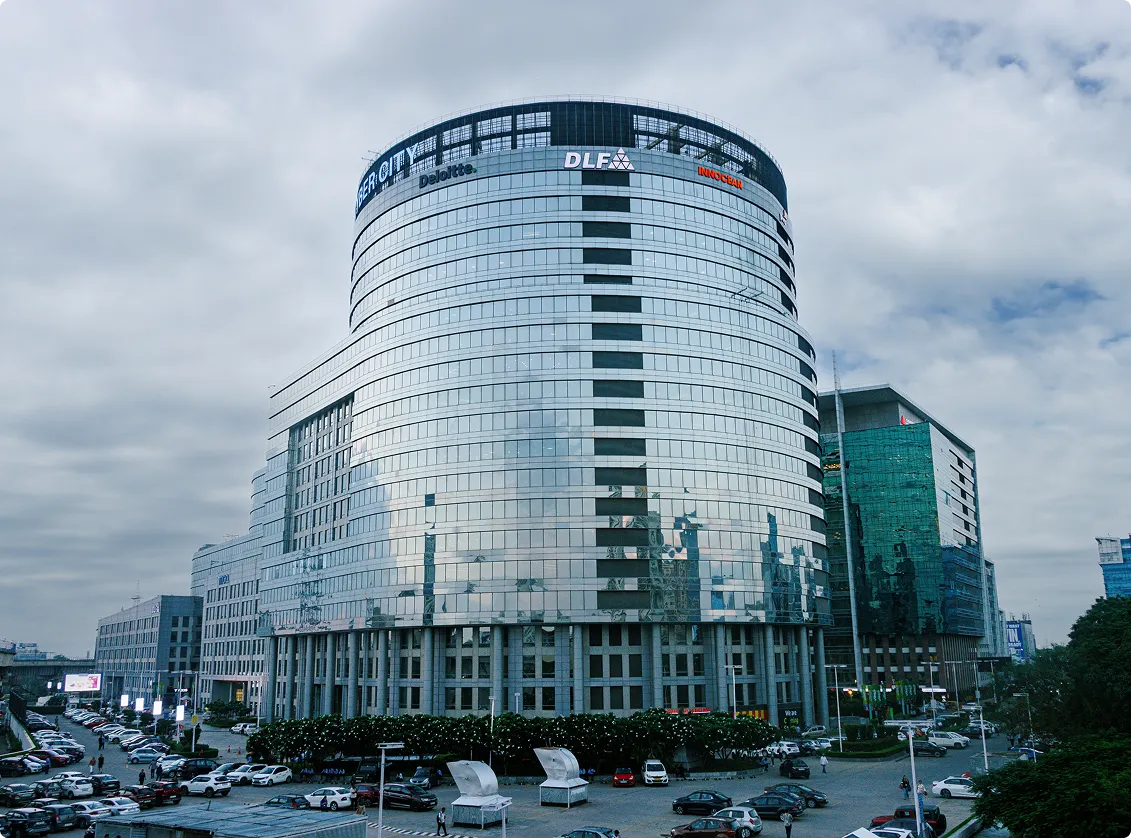
- Delhi NCR and Gurgaon have transformed into privatised enclaves, where guards, gates, and intercoms replace neighbourhoods and street life.
Across geographies, fear finds form in steel, stone, and surveillance.
Architecture’s Ethical Dilemma
Architects are caught in between - Clients demand safety. Regulations enforce setbacks and security protocols.
But at what cost?
How much control should design surrender to fear? When does protection turn into exclusion?
These are not easy questions — yet they’re crucial if we want cities that feel alive, not fortified.
“An architect’s job is to protect people — but also to protect the idea of openness.”
_1762169242110.jpg)
Image Source: Cleft House by Anagram Architects
Designing for Safety Without Fear
Security doesn’t have to mean separation. Smart urban design can balance safety and sociability.
Here’s how architects are rethinking it:
- Active ground floors: Shops, windows, and porches create natural surveillance.
- Transparent boundaries: Low fences, perforated screens, and green edges provide privacy without isolation.
- Shared semi-public spaces: Transition zones — courtyards, walkways, open lobbies — make safety social.
- Smart lighting and sightlines: Simple design strategies that make spaces safer without walls.
“Good design doesn’t build barriers; it builds confidence.”
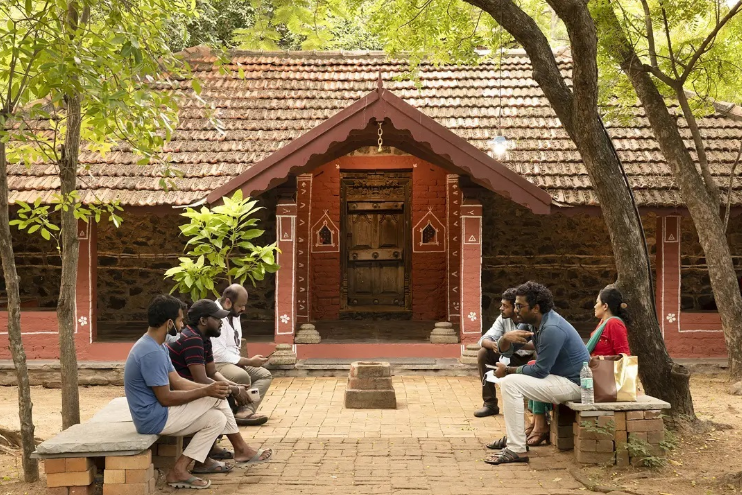
Image Source: Benny Kuriakose Associates
Final Thoughts
Every facade says something about what’s behind it. When they become blank, guarded, or opaque, they reveal not minimalism, but mistrust. Cities reflect the psyche of their people. If our streets look defensive, perhaps it’s time we question what we’re defending against — and who we’re keeping out.
The challenge for young designers is to learn how to design security with empathy — not fear. Explore Kaarwan’s 5 Day Thesis Bootcamp and collection of free resources, saving time from scattered research and time wasted, when we have compiled all that you might need for your next research/blocks/post-production. All from one source!
FAQs
Q1. What is defensive architecture?
It refers to design strategies that prevent unwanted behavior — like spikes on benches or barriers that restrict access.
Q2. Why are gated communities controversial?
They enhance safety for some but reduce inclusivity and public engagement for the larger city.
Q3. How can architects design for safety without isolation?
Through active frontages, lighting, community spaces, and human-centered planning instead of walls.
Q4. Is surveillance part of modern architecture now?
Yes — but it should complement design, not dominate it.
Q5. How does Kaarwan help students understand this?
Through workshops and courses on urban psychology, human-centric design, and spatial ethics.




.png)