

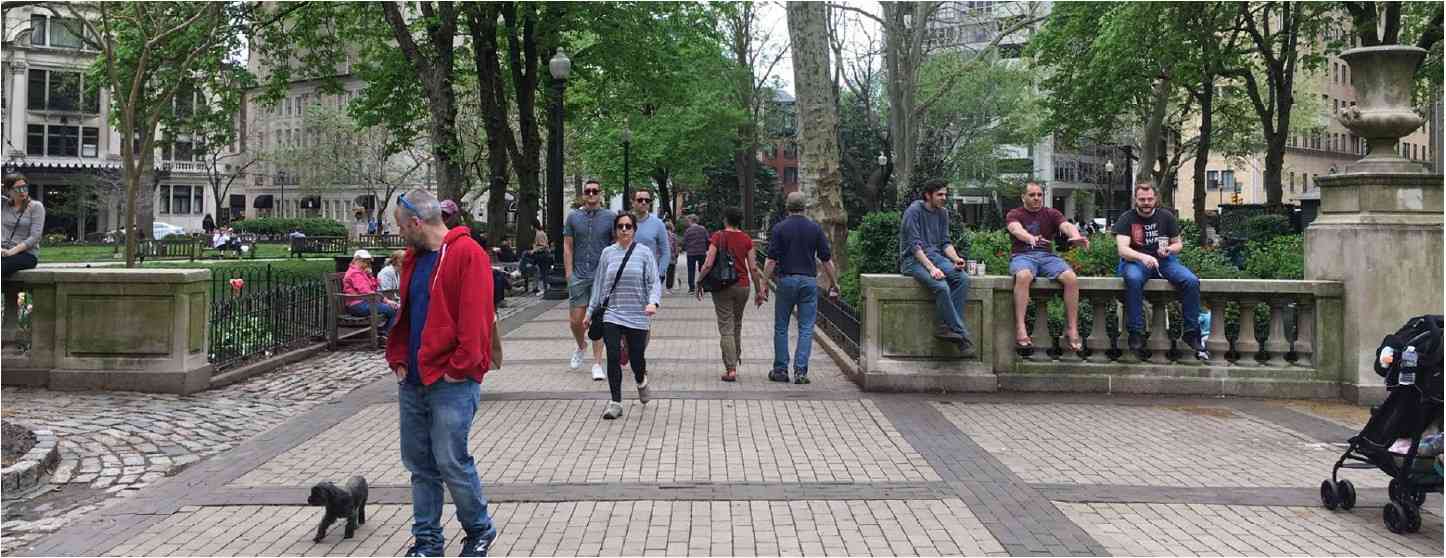
Public squares are more than open spaces in cities — they are cultural stages, civic anchors, and ecological lungs. From the ancient Agora in Athens to today’s bustling plazas and chowks, squares have always been places where life spills into the public realm. Yet, in many modern cities, squares risk becoming lifeless: paved expanses that heat up in summer, underused outside office hours, or dominated by vehicles instead of people.
As we face climate change, rapid urbanization, and social fragmentation, the challenge is clear: How can public squares be designed to support both ecological balance and human connection?
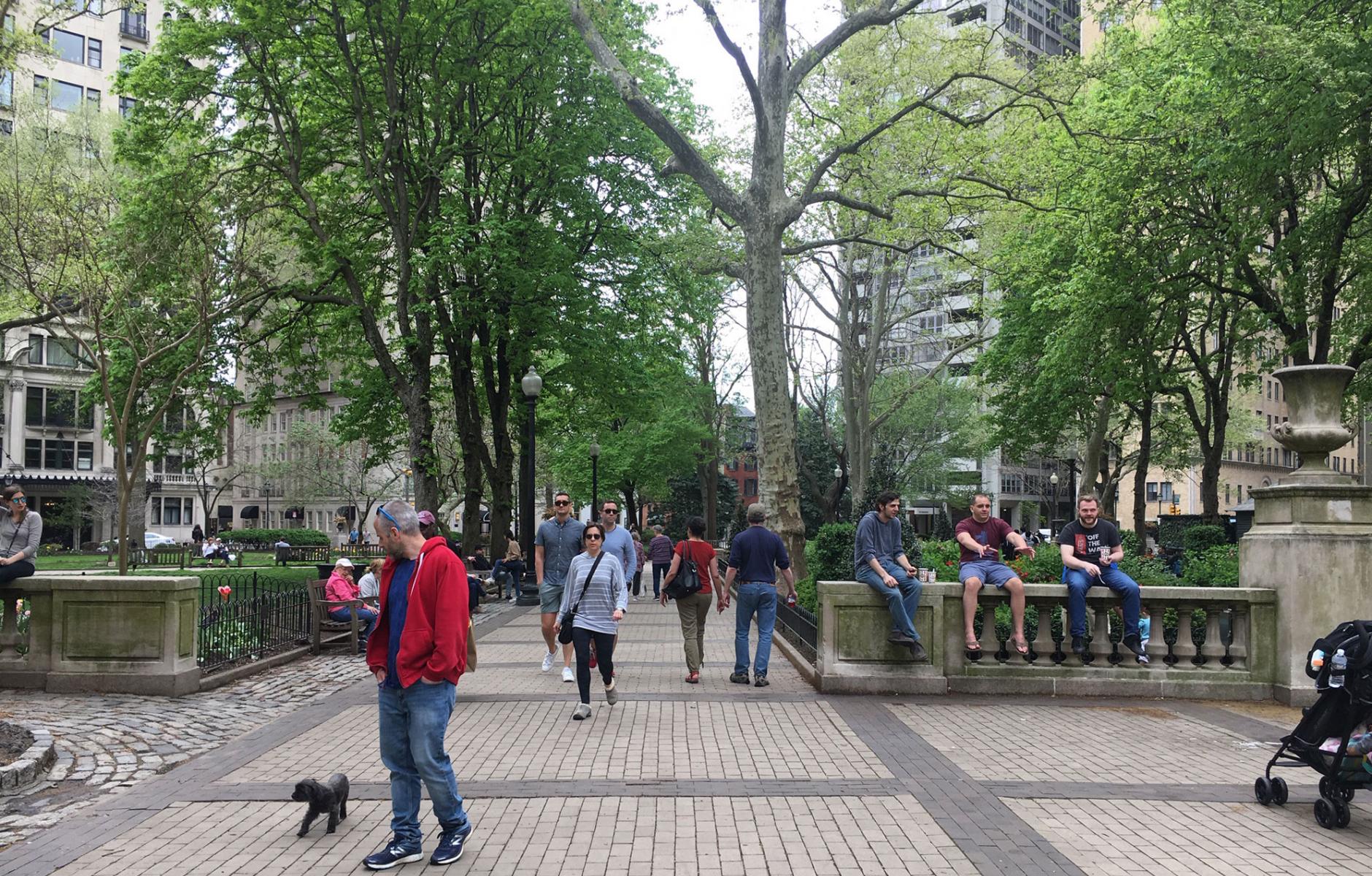
Image Source: CNU.org
Why Greener Public Squares Matter
- Climate resilience: Green cover cools cities, absorbs rainwater, and reduces heat islands.
- Wellbeing: Trees, water, and shade lower stress and encourage longer stays.
- Equity: Inclusive, well-designed squares provide safe, free gathering spaces for all citizens.
- Identity: A square can reflect the culture of a city — not just through architecture but through how people use it.
A greener square is not only sustainable but also human-centred, vibrant, and resilient.
Design Principles for Vibrant, Human-Centred Squares
1. Integrate Nature as Infrastructure: Squares should not be “hard plazas” alone. Incorporating green corridors, trees, bioswales, and permeable paving helps manage stormwater while creating cooler microclimates. Vegetation doubles as shade and habitat, enhancing both comfort and biodiversity.
2. Prioritise Comfort and Social Life: From movable seating to shaded resting points, human comfort shapes how long people stay. Edges lined with cafés, libraries, or kiosks bring life into the square. Subtle details — shaded benches, water fountains, play areas — invite people of all ages.
3. Flexibility and Adaptability: A successful square works at multiple scales: a farmer’s market on one day, a music festival the next, and quiet sitting corners every evening. Multi-functional surfaces, modular furniture, and open zones make squares adaptable to shifting community rhythms.
4. Pedestrian First, Cars Later: Squares thrive when walkability and accessibility are prioritised. Pedestrianised approaches, cycling connections, and public transit stops make them safe and inclusive. Cars should orbit, not dominate, civic spaces.
5. Culture and Community Programming: Greener design is not just ecological — it is also cultural and social. Programming with local festivals, artisan markets, street performances, and workshops ensures squares remain active and rooted in community identity.
Global Case Studies: Lessons in Design
Federation Square, Melbourne
_1757584654747.jpeg)
Image Source: Visit Victoria
An iconic cultural hub blending event spaces, green terraces, and civic programming. Designed to be flexible, it accommodates everything from concerts to casual lounging.
Lesson: Squares can thrive when culture and ecology are integrated into everyday life.
Piazza del Campo, Siena
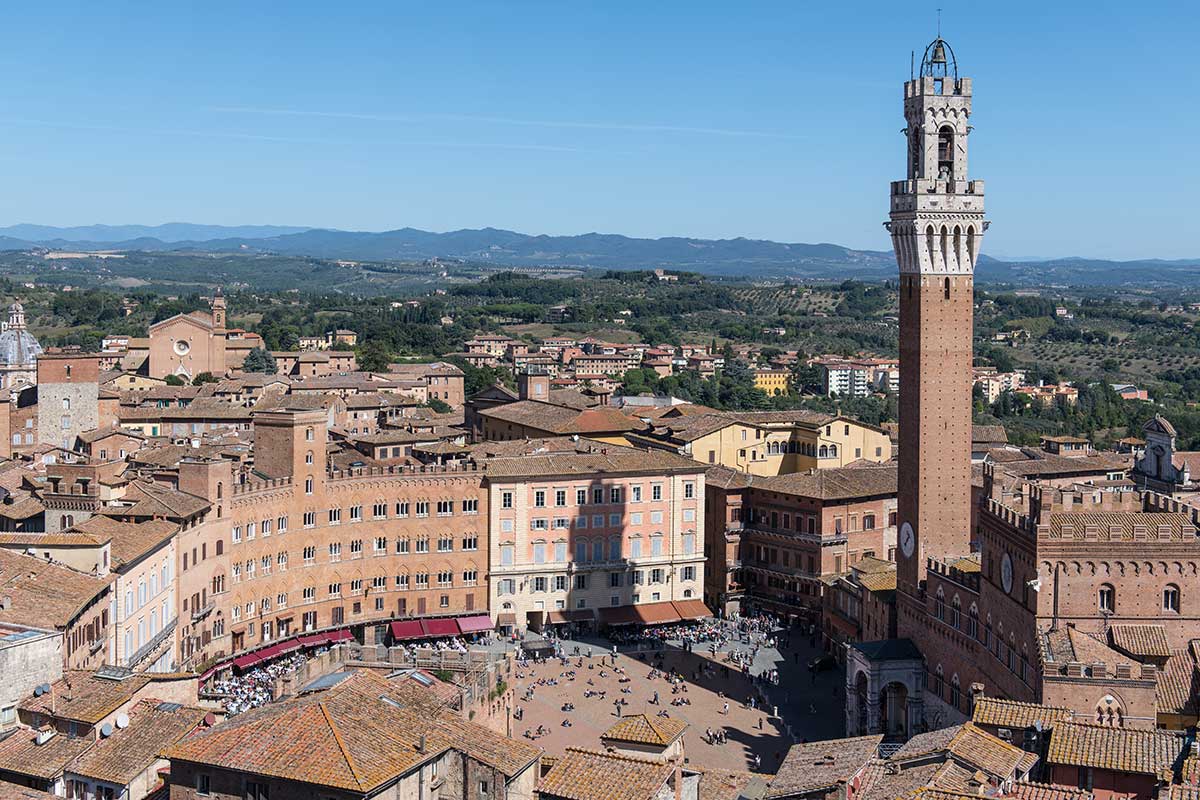
Image Source: Wikipedia
Historic yet timeless, it shows how human scale and walkability create intimacy. Its shell-shaped slope naturally directs people towards the centre, making it a stage for both everyday gathering and the famous Palio horse race.
Lesson: Proportions, materials, and orientation matter just as much as programming.
Public Square near Albert Hall, Jaipur
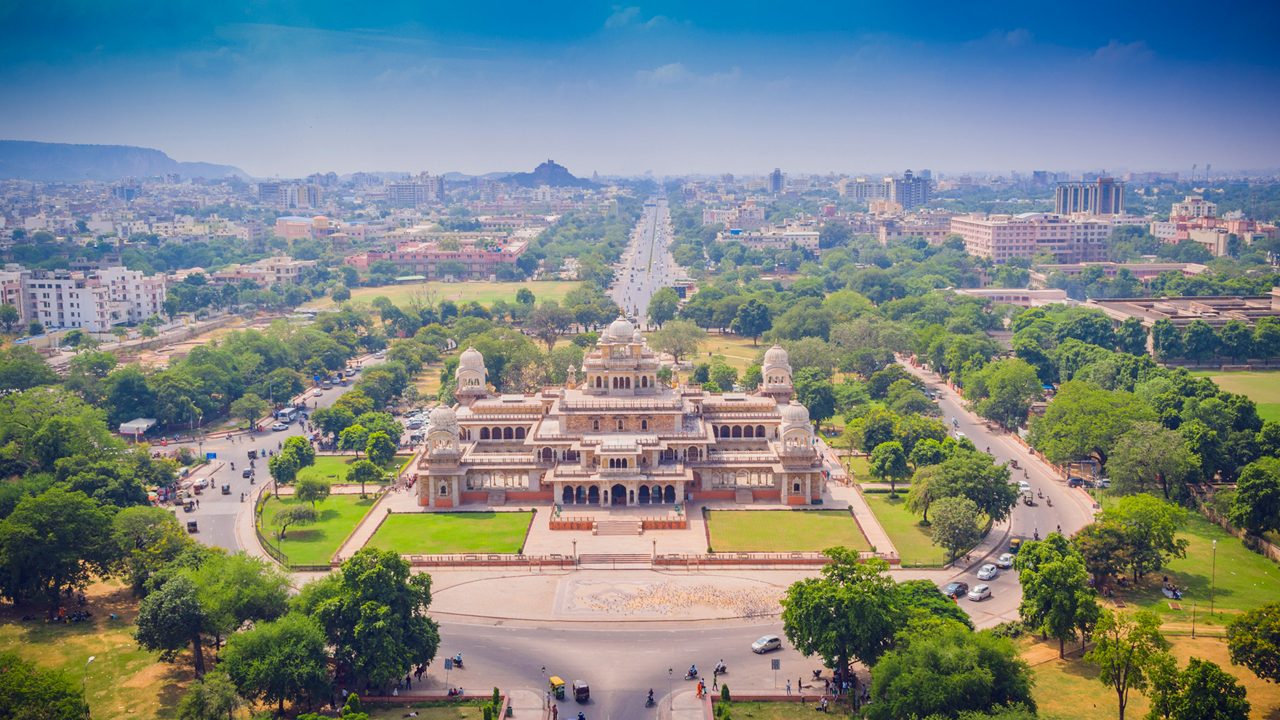
Image Source: x.com
Many Indian cities design squares as ceremonial or traffic-centric spaces — prioritising statues, asphalt, and car movement over shade, seating, and social life. Yet small interventions — like trees, shaded platforms, and kiosks — can transform them into vibrant community spaces.
Lesson: Modest ecological and human-centred improvements can unlock vibrancy without massive budgets.
Designing the Square as Part of the City
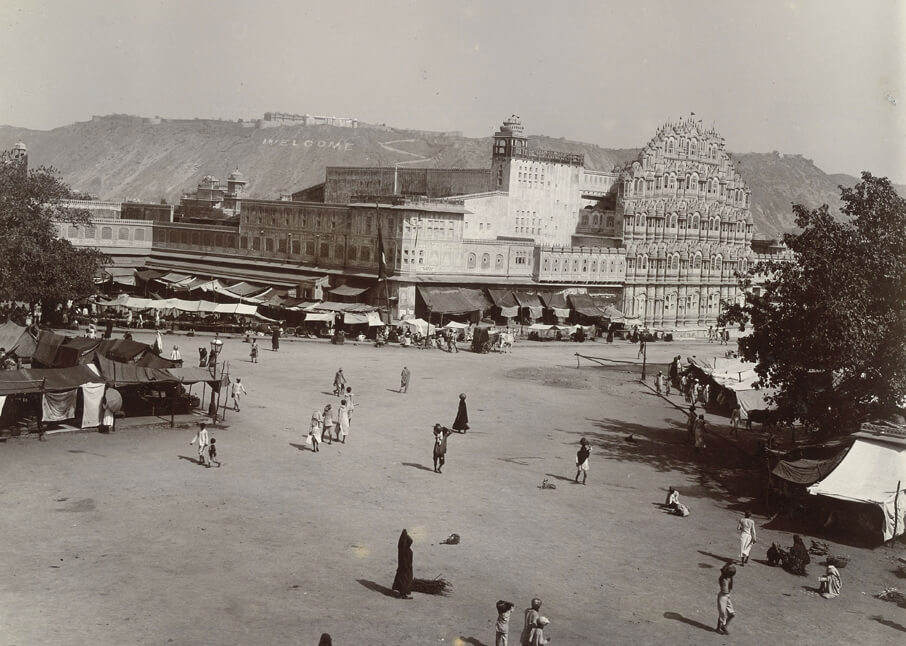
Image Source: pinkcity.jaipurmcheritage.org
Squares cannot be isolated islands. Their success depends on what surrounds them:
- Mixed-use zoning: Offices, homes, and markets feeding into the square ensure activity across time.
- Green networks: Linking squares through shaded boulevards, cycling lanes, and riverfronts.
- Peripheral anchors: Museums, co-working spaces, or cultural institutions extending life into the square.
- Layered experiences: Playgrounds, art installations, and food corners catering to diverse audiences.
When woven into urban life, squares become ecological and social ecosystems.
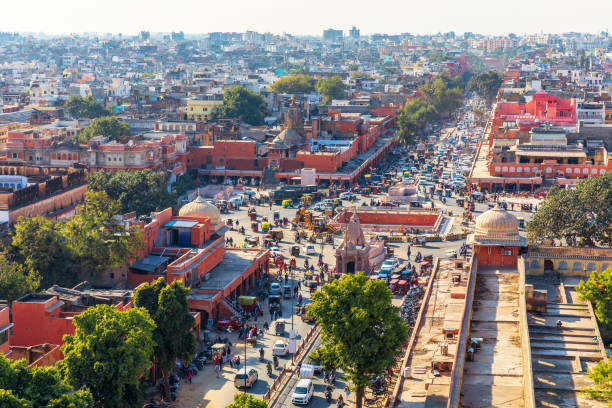
Image Source: dreamstime.com
Reflection: Designing With People at the Core
Designing greener public squares is not just about planting trees or adding benches — it’s about rethinking priorities:
- Do we value cars or people?
- Do we see squares as ceremonial icons or living, breathing spaces?
- Do we design for spectacle or for everyday belonging?
Public squares must evolve from empty stages into active, ecological, and inclusive commons. A truly green, human-centred square is one where a child plays in shade, an elder rests comfortably, biodiversity flourishes, and the city gathers not out of obligation, but out of joy.
Takeaway for Designers and Planners: If we design with humility, flexibility, and ecological awareness, public squares will not just exist as paved landmarks. They will breathe with the city—shaping vibrant, resilient, and equitable urban futures.




.png)