Designing a home isn’t just about aesthetics or functionality; it’s about creating a space where energy flows harmoniously. As an architect, I’ve often found myself diving into the ancient wisdom of Vastu Shastra to enhance the designs of multi-story homes. One aspect that stands out in vastu architecture is the staircase. A well-designed staircase not only adds charm but also influences the energy dynamics of a home. So, let’s explore the principles of staircase vastu for multi-story homes and how you can incorporate them into your designs.
Why Consider Vastu for Staircases?
In Vastu Shastra, the staircase is more than just a structural element; it’s a conduit for energy flow. A staircase that aligns with vastu principles can:
- Ensure smooth energy transitions between floors.
- Promote health, prosperity, and harmony.
- Prevent financial and health issues caused by improper energy distribution.
Placement of Staircases in Vastu Architecture
Ideal Directions
When it comes to staircase vastu for multi-story homes, the placement is crucial. Here’s what I’ve learned about directional alignment:
- South or West Direction: These are the best locations for staircases. Energy flows downwards in these directions, keeping the positive energy intact in the living spaces.
- Avoid Northeast: Placing a staircase in the northeast disrupts the flow of positive energy and can lead to stress and financial difficulties.
- East or North Placement: If you must place a staircase here, ensure it’s designed with specific vastu remedies to counterbalance the energy flow.
Internal vs. External Staircases
- External Staircases: Best suited for west or south-facing homes. They prevent energy disturbances within the house.
- Internal Staircases: Should spiral clockwise and ideally start from the north and move towards the south or west.
Design Tips for Vastu-Compliant Staircases
Number of Steps
The number of steps in a staircase should always be odd (e.g., 9, 11, 15). This principle in vastu shastra is rooted in the idea that odd numbers generate a sense of progression and movement, aligning with the natural energy flow.
Materials and Colors
- Materials: Opt for solid materials like wood or stone. Avoid using glass, as it creates an unstable and airy feel.
- Colors: Stick to earthy tones like browns, beiges, and whites. These colors help ground the energy and make the staircase a focal point of stability.
Shape and Structure
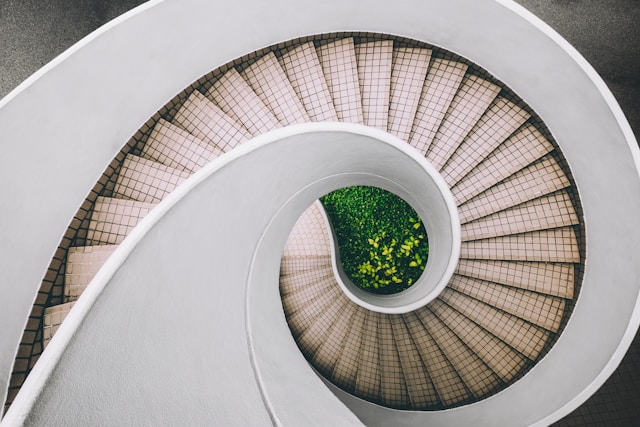
- Spiral Staircases: While aesthetically pleasing, they are generally not recommended in vastu architecture unless absolutely necessary. Their circular motion can create a vortex of energy imbalance.
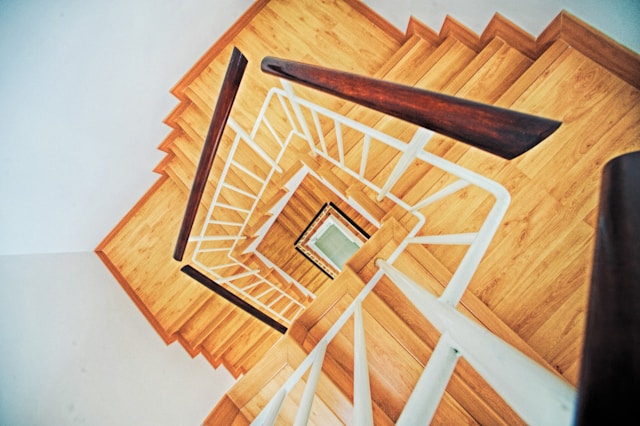
- Straight Staircases: These are ideal. If space allows, ensure the staircase has landings to prevent a steep climb, which can disrupt energy flow.
Common Mistakes to Avoid
Even the best designs can falter if not aligned with vastu principles. Here are a few pitfalls to steer clear of:
- Toilets Under Stairs: Never place a bathroom or toilet below the staircase. It’s considered highly inauspicious.
- Entrance Opposite Stairs: Avoid designing a staircase that directly faces the main entrance. This can cause the energy to flow out of the house.
- Broken or Cracked Stairs: Always repair damaged stairs immediately, as they can bring negative energy into the home.
Practical Examples of Vastu-Compliant Staircases
Here are a couple of real-world scenarios that might resonate with architecture students and professionals:
- Case Study 1: For a south-facing home, I designed a staircase along the southwest corner. The steps were in odd numbers, with wooden railings painted in earthy tones. This design helped maintain a balanced energy flow, and the client noticed improved financial stability within months.
- Case Study 2: In a duplex apartment, I avoided a spiral staircase in the northeast and instead placed a straight staircase in the west. The result? Aesthetic appeal combined with harmonious living conditions.
How to Learn More About Vastu Principles
If you’re fascinated by how vastu can influence your designs, consider enrolling in a vastu course. It’s a fantastic way to deepen your understanding of this ancient architectural science and integrate it into your modern projects.
Conclusion
Designing staircases according to vastu principles might seem like an additional step, but it’s worth the effort. By aligning with these guidelines, you’re not just creating a functional element but also enhancing the overall well-being of the occupants.
Want to dive deeper into vastu principles and architectural harmony? Check out Our Advanced Vastu Course to master the art of balancing energy in your designs.
Visit our website Kaarwan for more!
Frequently Asked Questions (FAQs)
1. Can I place a staircase in the center of the house?
No, placing a staircase in the center disrupts the energy flow and can create financial and health issues for the occupants.
2. What’s the best material for a vastu-compliant staircase?
Solid materials like wood and stone are ideal as they ground the energy and provide stability.
3. How do I correct a staircase in the northeast direction?
You can use vastu remedies like placing mirrors or metal strips, but consulting a vastu expert is recommended for precise solutions.
4. Is a spiral staircase entirely unsuitable in vastu architecture?
While not ideal, a spiral staircase can be used with specific vastu corrections, such as placing energy-enhancing symbols around it.
5. Can I use vibrant colors for staircase walls?
It’s better to stick to neutral and earthy tones for the staircase to maintain a calming and stable energy flow.