Different Types of Tree Representations in Architecture and How to Use Them
In architectural drawings and renderings, trees are more than decorative elements—they help establish scale, atmosphere, context, and user experience. However, depending on the purpose of the presentation or stage of design, architects represent trees in different styles. Each method has its advantages and limitations, and knowing when and how to use them can enhance the effectiveness of your drawings. Below is a detailed explanation of commonly used tree styles and how they contribute to architectural communication.
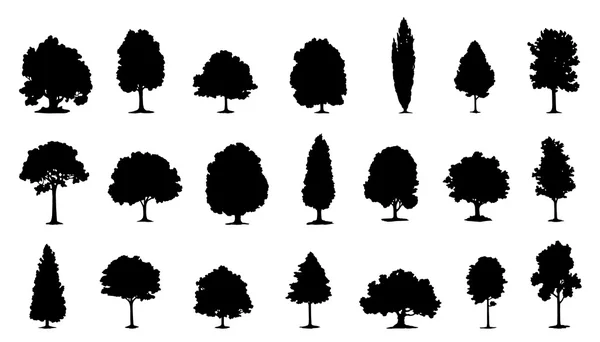
Silhouette (Flat Shape)
Where it’s used: Renderings, site plans, and diagrams Silhouettes are simplified, flat shapes of trees that convey scale and density without overwhelming the viewer with detail. These shapes are intentionally kept sharp and minimal to avoid distracting from the architecture itself.
Why it’s useful:
- Offers clarity and visual focus
- Quickly establishes scale, massing, and greenery
- Helps maintain simplicity in technical drawings
Limitations:
- Lacks texture, species details, and realism
- Not suitable when showcasing landscape design specifics
Hand-Sketched (Scribble)
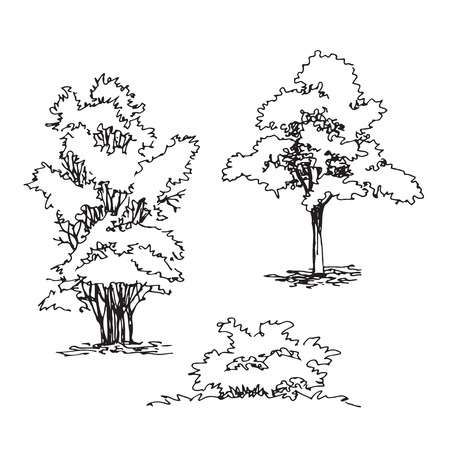
Where it’s used: Concept sketches, early-stage presentations, and informal boards Hand-drawn trees add warmth and movement to a design. These sketches are expressive, often created with loose lines to suggest growth and form without focusing on precision.
Why it’s useful:
- Adds personality and artistic character
- Makes presentations feel approachable and creative
- Perfect for brainstorming or communicating early ideas
Limitations:
- Not technically accurate or detailed
- Less appropriate for final documentation or precise plans
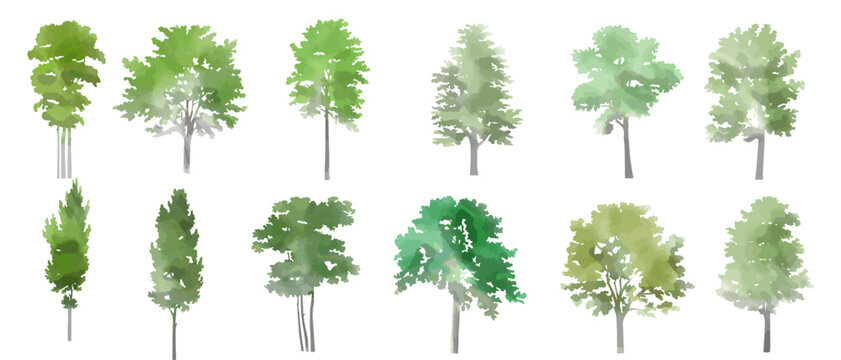
Watercolor / Artistic (Paint)
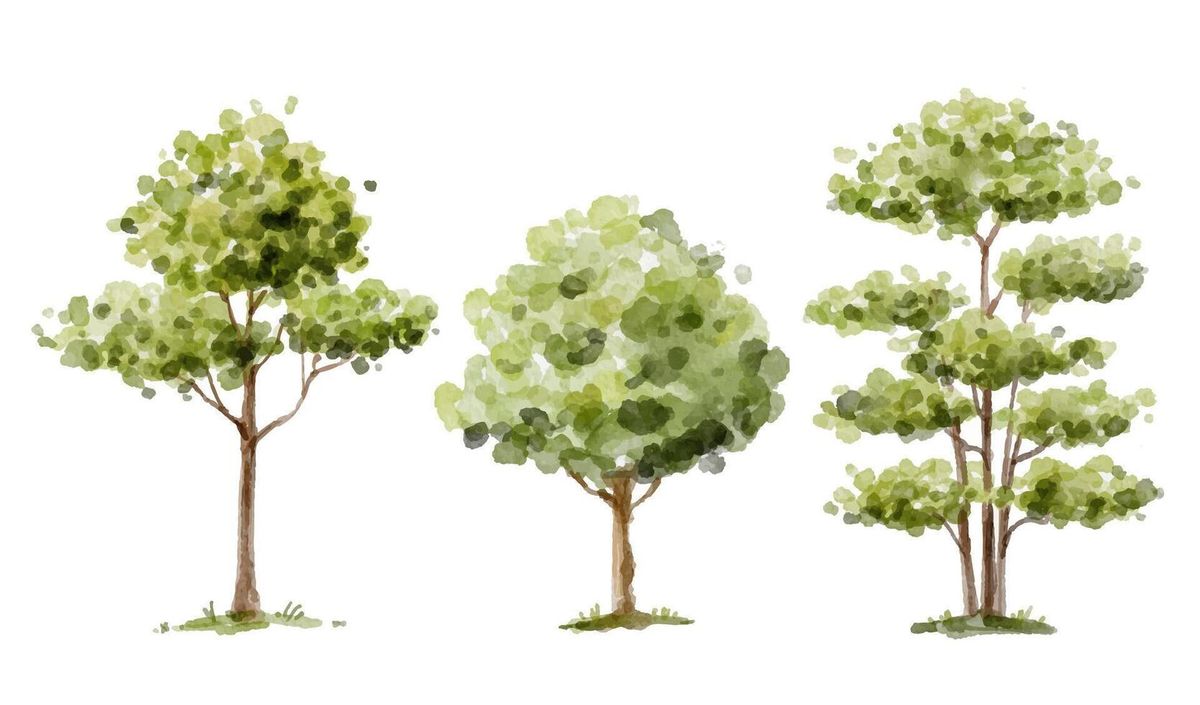
Where it’s used: Competition boards, mood visuals, and storytelling presentationsWatercolor tree renderings create soft, atmospheric scenes that evoke emotion and help communicate the intended experience of a space. The textures and blending enhance the aesthetic appeal.
Why it’s useful:
- Builds mood and narrative
- Softens hard lines and adds depth to the design concept
- Great for client presentations where emotion is as important as structure
Limitations:
- Not ideal for formal construction documents
- Less suitable when detailed information is required
Seasonal (Variant)
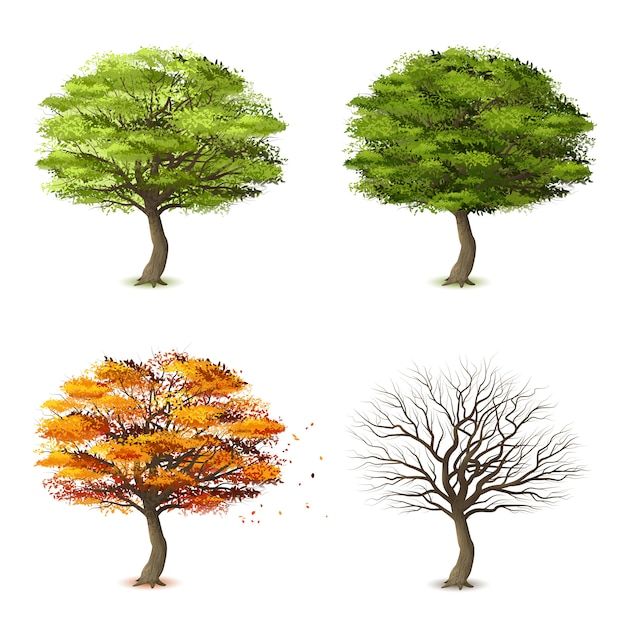
Where it’s used: Landscape design boards, ecological studies, and phased presentationsSeasonal tree illustrations show how a design responds to changes in the environment, such as blooming flowers or leaf loss in winter. These variations help represent ecological realism and support sustainability narratives.
Why it’s useful:
- Highlights environmental interaction
- Enhances storytelling by showing time-based changes
- Supports sustainable and climate-responsive designs
Limitations:
- Requires multiple versions for consistency across drawings
- Can increase workload if not managed carefully
Graphic / Stylized (Icon)
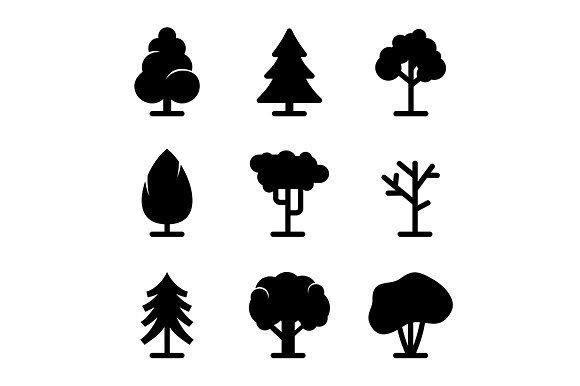
Where it’s used: Branding presentations, thematic visuals, and architectural storytellingStylized or icon-based tree representations are designed for impact rather than realism. They support graphic identities, brand consistency, or conceptual narratives in presentations.
Why it’s useful:
- Enhances visual identity and thematic coherence
- Offers a modern, minimalistic look
- Helps create memorable presentation boards
Limitations:
- May not accurately reflect species, texture, or scale
- Not appropriate for technical or ecological drawings
Final Thoughts
Choosing the right tree representation is as important as selecting the right plant species for a site. Whether you're working on conceptual sketches or formal presentations, understanding the strengths and limitations of each style will help you communicate your design intent more clearly and creatively. Thoughtful tree illustrations add depth, realism, and beauty to architectural drawings—making your ideas not only visually appealing but also impactful.
Take the time to match the tree style with the purpose of your design. It’s a small detail that makes a big difference.