

.jpeg)
Across centuries, bamboo has sheltered communities, inspired architects, and symbolised resilience. But in the digital era, it’s finding a renewed identity — no longer just a rural building material, but a digitally optimised, structurally intelligent, and globally relevant construction medium.
The convergence of computational design and digital fabrication is allowing architects to re-engineer bamboo, not as imitation timber, but as a smart composite material — one that honours nature while embracing precision and innovation.
The Wisdom of Bamboo, Reinterpreted for the 21st Century
Bamboo has long been called the “green steel of the 21st century.” Its high tensile strength and rapid renewability make it one of the most sustainable structural materials available.
Traditionally, bamboo architecture thrived on craftsmanship and intuition. Builders relied on inherited knowledge to understand the flexibility, moisture response, and natural curvature of the stems.
Today, that same wisdom is being translated into algorithms. Through computational design, architects can now:
- Simulate bamboo’s behaviour under different loads.
- Optimise joint geometries for prefabrication.
- Digitally map curvature and tension for precise cutting and assembly.
This shift from hand-measured to data-driven craftsmanship bridges vernacular intelligence and modern precision.
_1761150978383.jpg)
Building with Bamboo
At Ulaman Eco Retreat, designed by Inspiral Architecture & Design Studios, the team seamlessly combines vernacular wisdom with computational precision. The retreat’s curvilinear bamboo structures and rammed-earth walls are crafted from materials sourced directly on-site — bamboo harvested from local plantations and soil repurposed for earth walls. The architecture celebrates Bali’s tropical ecosystem, but behind its organic expression lies a deep analytical process. Parametric modelling tools helped optimise the fluid roof forms, ensuring minimal material wastage and structural stability while maintaining visual harmony across the resort. Bamboo’s flexibility and renewability, paired with the thermal mass of rammed earth, create a naturally comfortable indoor environment — a design rooted in both ecological and computational logic.
What appears sculptural is actually data-informed: every curve, joinery angle, and opening has been optimised through iterative digital modelling. For architects and computational designers, Ulaman exemplifies how algorithmic design can enhance traditional craftsmanship, creating architecture that is both technologically advanced and deeply sustainable.
Test your interest in the computational design niche with Kaarwan's affordable 1-Day Parametric Design Masterclass in Rhino, and make use of our one-on-one free counselling calls to make informed decisions about your time, energy, and resources. If you choose to, take your skills further with our intensive 8-week Advanced Computational Design program.
You'll learn Grasshopper, Rhino and advanced plugins through expert-led sessions, with hands-on guidance and full job support to transform your design workflow.

Material Innovation: Bamboo as Composite
Researchers are now developing bamboo-fibre composites, combining its organic strength with biopolymers and resins to create stable, mouldable panels.
These composites are being explored for:
- Prefabricated housing panels.
- Curved façade modules.
- Furniture and interior architecture.
Such innovation transforms bamboo from a local vernacular material into a global sustainable resource, capable of replacing high-carbon materials like steel, aluminium, or plastic.
Digital Fabrication Meets Vernacular Intelligence
The real beauty of this approach lies in collaboration between craftspersons and computation experts.
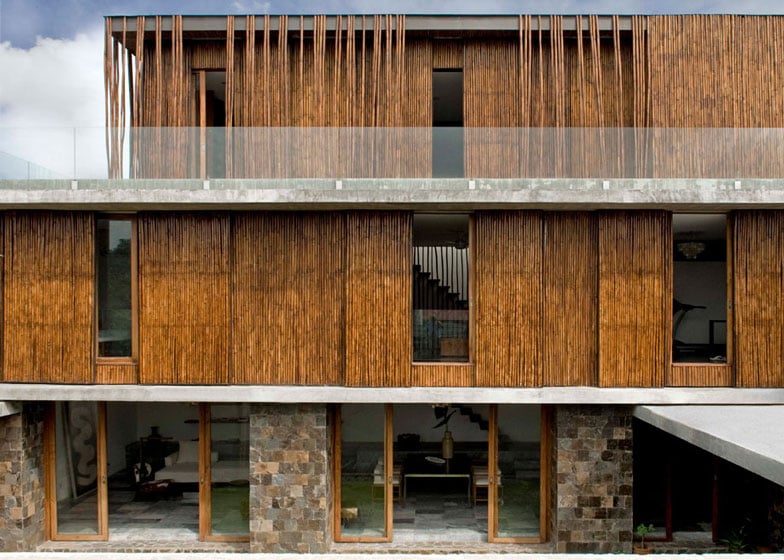
Robotic fabrication labs in countries like India, Thailand, and Singapore are already prototyping digitally-fabricated bamboo structures that are parametrically modelled yet assembled by hand.
This synergy celebrates human skill while ensuring geometric accuracy — bringing “handmade precision” back into architecture.
It’s not technology replacing craft, but technology honouring craft.
Environmental Impact and AECO Relevance
In the global AECO industry’s quest for carbon neutrality, bamboo offers measurable impact:
- Sequesters 30% more CO₂ than most trees.
- Requires no industrial treatment or kilning.
- Is locally available and rapidly renewable.
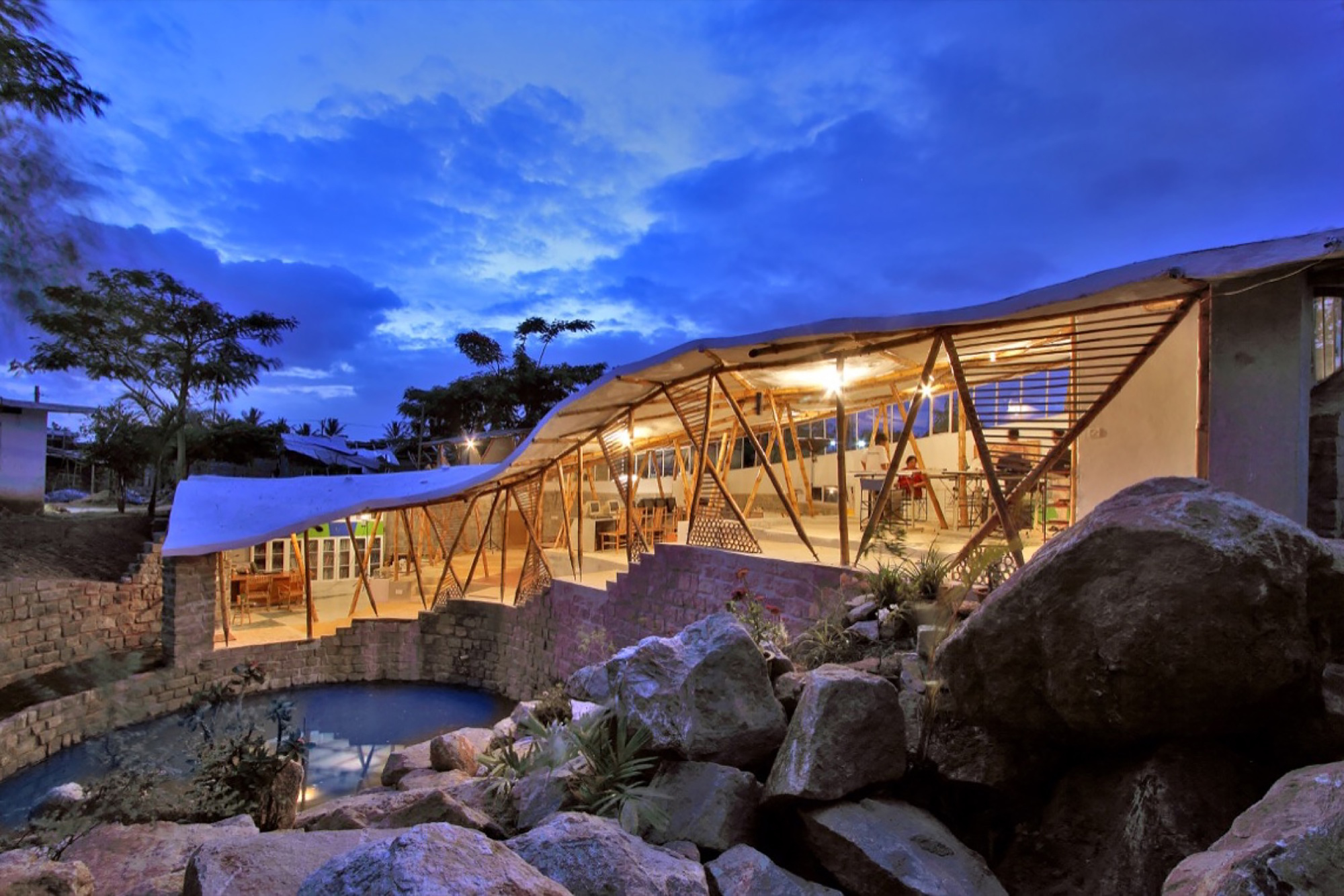
When integrated into BIM workflows, bamboo-based construction can be quantified for carbon credits, material lifecycle, and energy efficiency — turning tradition into tangible data for sustainable certifications.
Conclusion: The Algorithm of Nature
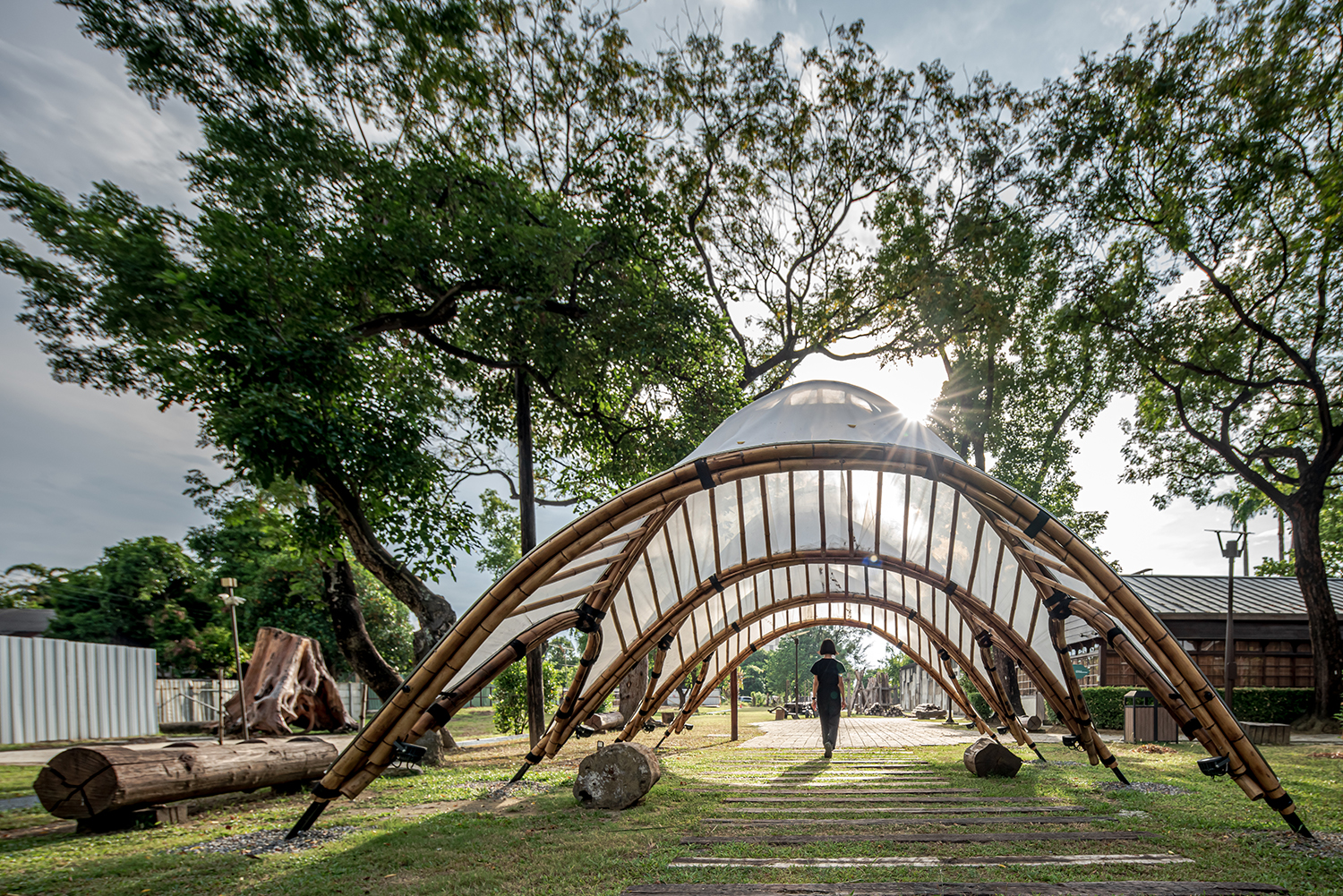
Bamboo is no longer a nostalgic symbol of the past — it’s the template for the future. By using computational tools to understand, simulate, and celebrate its natural behaviour, architects are learning that the path forward isn’t away from nature, but through it.
Digital fabrication gives us the precision to build sustainably, while materials like bamboo remind us why we build at all.
At Kaarwan, we believe clarity empowers creativity. Our short, affordable masterclasses in Rhino, Grasshopper, and Computational Design allow architects to explore new workflows and see how digital tools can connect design to nature — not separate it.
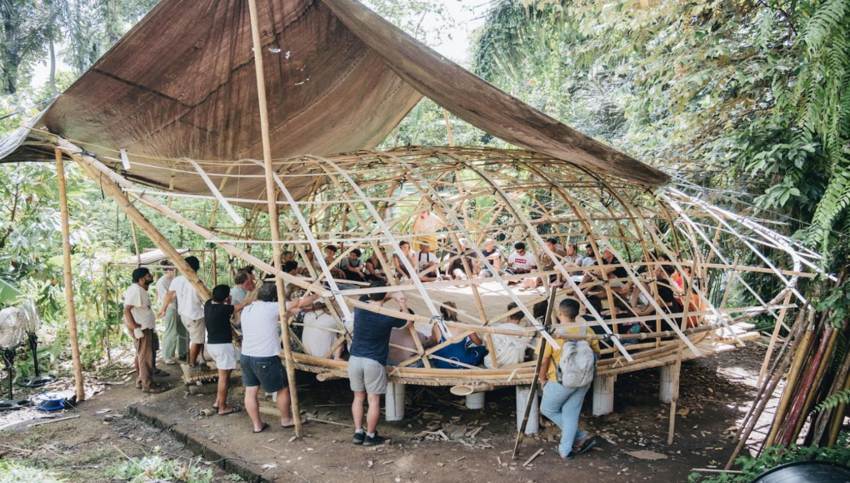
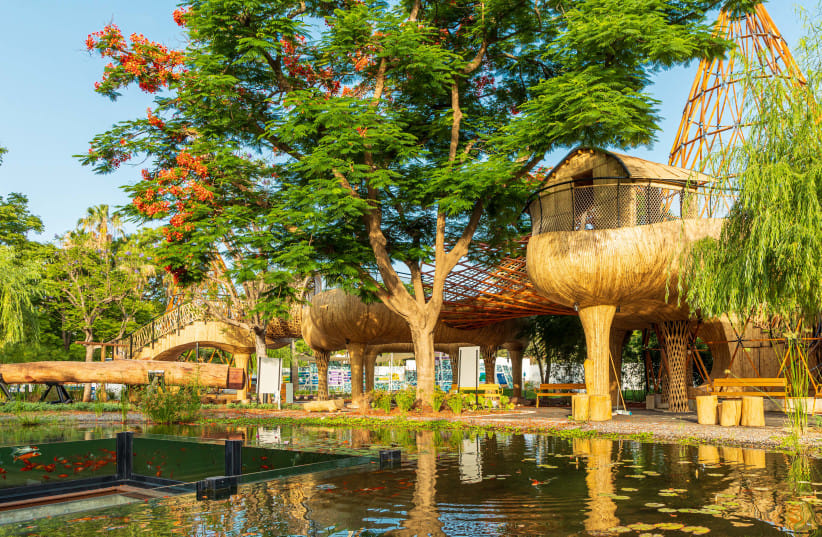
Image Source: Kul Kul Farm at Bamboo U
Whether you want to experiment with parametric material optimisation or understand how computation can support vernacular thinking, our courses help you gain clarity, efficiency, and inspiration before you invest in advanced specialisations.
Build smarter, not faster — build like nature would.
FAQs:
Can computational design work with natural materials like bamboo?
Absolutely — it helps model their irregularities for precise, efficient assembly.
Why use bamboo composites instead of steel or timber?
They’re lighter, renewable, and carbon-sequestering, ideal for sustainable projects.
What tools are used in bamboo parametric design?
Rhino, Grasshopper, and CNC/robotic fabrication workflows.
Is digital fabrication affordable for bamboo structures?
Yes — when combined with local materials, it reduces waste and increases precision.
How can I start learning these tools?
Kaarwan offers 1-day and 8-week masterclasses in Rhino + Grasshopper, designed to introduce computation for real-world projects.



.png)