The movement toward sustainable architecture is growing exponentially. Educational initiatives in this field are now crucial in equipping aspiring architects with the skills needed to tackle environmental challenges effectively. From energy-efficient buildings to innovative materials, these initiatives aim to educate future architects about designing with sustainability in mind. But what educational efforts are genuinely shaping sustainable architects in India?
This article will help you learn about the prominent programs, real-life examples, and the long-term impacts of these initiatives on India’s built environment.
Why Sustainable Architecture Education Matters
Environmental concerns have made it imperative for architecture students to gain a strong foundation in sustainable practices. This field encompasses a variety of topics, including:
- Eco-friendly materials: Understanding renewable and recycled resources.
- Energy-efficient designs: Integrating renewable energy sources.
- Waste reduction: Minimizing waste production through innovative construction.
The goal of educational initiatives in sustainable architecture is to make sure these concepts become second nature to architects. It’s not just about theory but real-world applications, ensuring graduates are equipped to implement sustainable strategies effectively.
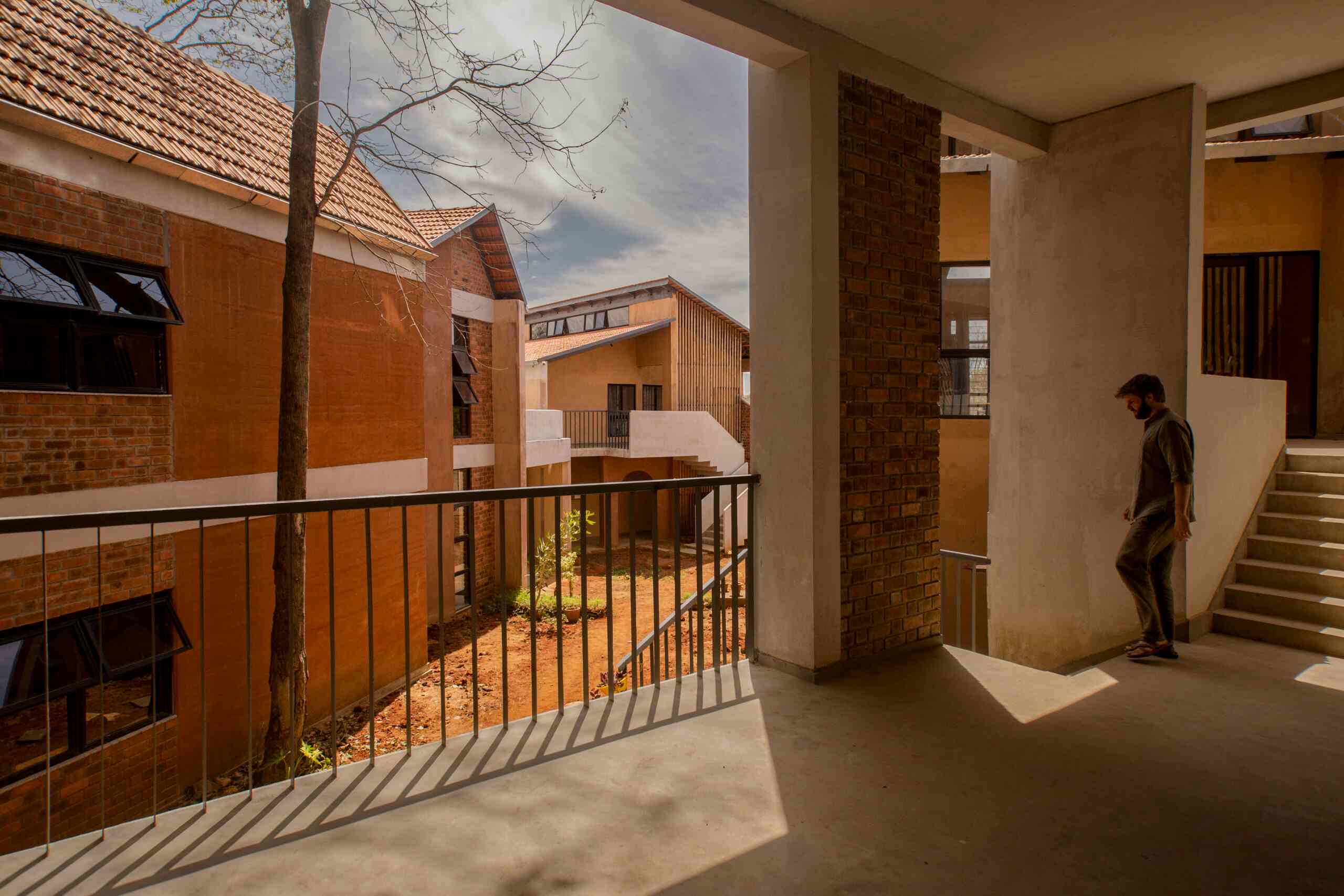
Sustainable architecture of Samvada Baduku College Campus_©madeinearth.in
Key Educational Programs Promoting Sustainable Architecture
1. University-Level Programs and Specialized Degrees
Numerous universities in India and globally have integrated sustainable architecture courses into their programs. These courses cover topics from green building certifications to renewable energy systems, helping students understand every aspect of sustainable design.
- Specialized Master’s Programs: Many universities offer master’s degrees focusing on sustainable architecture, with courses covering everything from climate-responsive design to resource-efficient construction.
- Undergraduate Integrations: Some universities have embedded sustainable architecture principles into their core curriculum, ensuring all students gain foundational knowledge.
For example, CEPT University in Ahmedabad offers a comprehensive program in sustainable architecture, empowering students with hands-on experience and technical knowledge about eco-friendly design.
2. Certification Programs and Short Courses
For professionals already in the field, certification programs offer an excellent way to specialize. Short courses and certifications allow architects to learn specific techniques and technologies without committing to a full degree.
- LEED Certification: Leadership in Energy and Environmental Design (LEED) certification is highly regarded. It provides architects with the knowledge to create energy-efficient and water-saving buildings.
- Green Building Certification: Many institutes, like the Indian Green Building Council (IGBC), offer certifications that focus on local sustainability standards.
Such courses have proven essential for working architects who want to become sustainable architects in India, staying current with the latest techniques and regulations.
3. Workshops and Hands-On Training Sessions
Practical learning is essential in architecture, particularly in sustainability. Workshops and field visits are organized to provide students with hands-on experience in sustainable building practices.
- Material Exploration Workshops: These workshops allow students to experiment with sustainable materials, gaining a better understanding of their properties.
- Field Projects: Some programs partner with local construction projects to give students real-world exposure to sustainable practices, like rammed earth construction or bamboo-based frameworks.
These initiatives have shown immense promise in building competencies that go beyond textbook knowledge, providing practical insights into sustainable architecture.
Government and Private Sector Initiatives in India
Government and private sectors in India are investing in sustainable architecture training, aligning with national environmental goals.
1. Government-Funded Scholarships and Programs
The Indian government has implemented programs aimed at developing sustainable architecture skills among students and professionals alike.
- National Green Building Council’s Programs: Through collaborations with educational institutions, this initiative offers subsidies for courses focusing on energy efficiency and renewable materials.
- Renewable Energy Scholarships: Scholarships are available for students specializing in green technology, promoting a career path in sustainable architecture.
These scholarships and programs are driving a shift towards environmentally conscious architecture, directly impacting how India approaches sustainable development.
2. Corporate-Sponsored Programs
Several corporations are also making strides in promoting sustainable architecture through sponsorship and funding.
- Partnerships with Educational Institutes: Corporations, especially in the construction industry, fund programs that train students in sustainable practices and sponsor workshops that focus on green building materials.
- Eco-Internship Programs: Many companies offer internships focusing on sustainable projects, such as solar integration and rainwater harvesting, giving students hands-on experience in eco-friendly designs.
These corporate initiatives ensure that the industry’s standards for sustainable architects in India remain aligned with global sustainability goals.
Impact of Sustainable Architecture Education on the Indian Industry
India has made considerable progress in green building, driven by an increased number of sustainable architects trained through these initiatives.
1. Growing Demand for Sustainable Building Professionals
India has over 7.61 billion square feet of registered green building space, making it one of the top markets for sustainable construction. The demand for architects with expertise in sustainable design is surging, creating abundant opportunities for those trained in sustainable architecture.
2. Regional Case Studies: Impact of Sustainable Architecture
The value of these educational initiatives can be observed in numerous projects across India.
- Green Projects in Bengaluru: Known as the tech capital, Bengaluru has seen a surge in green-certified buildings, from corporate campuses to residential complexes. Architects trained in sustainable practices have significantly contributed to this shift.
- Solar-Powered Villages in Maharashtra: With contributions from sustainable architects, many villages are being transformed through solar-powered designs, decreasing dependency on non-renewable energy sources.
These case studies reflect the tangible benefits that sustainable education is bringing to real communities, underscoring the importance of continued educational investment in this field.
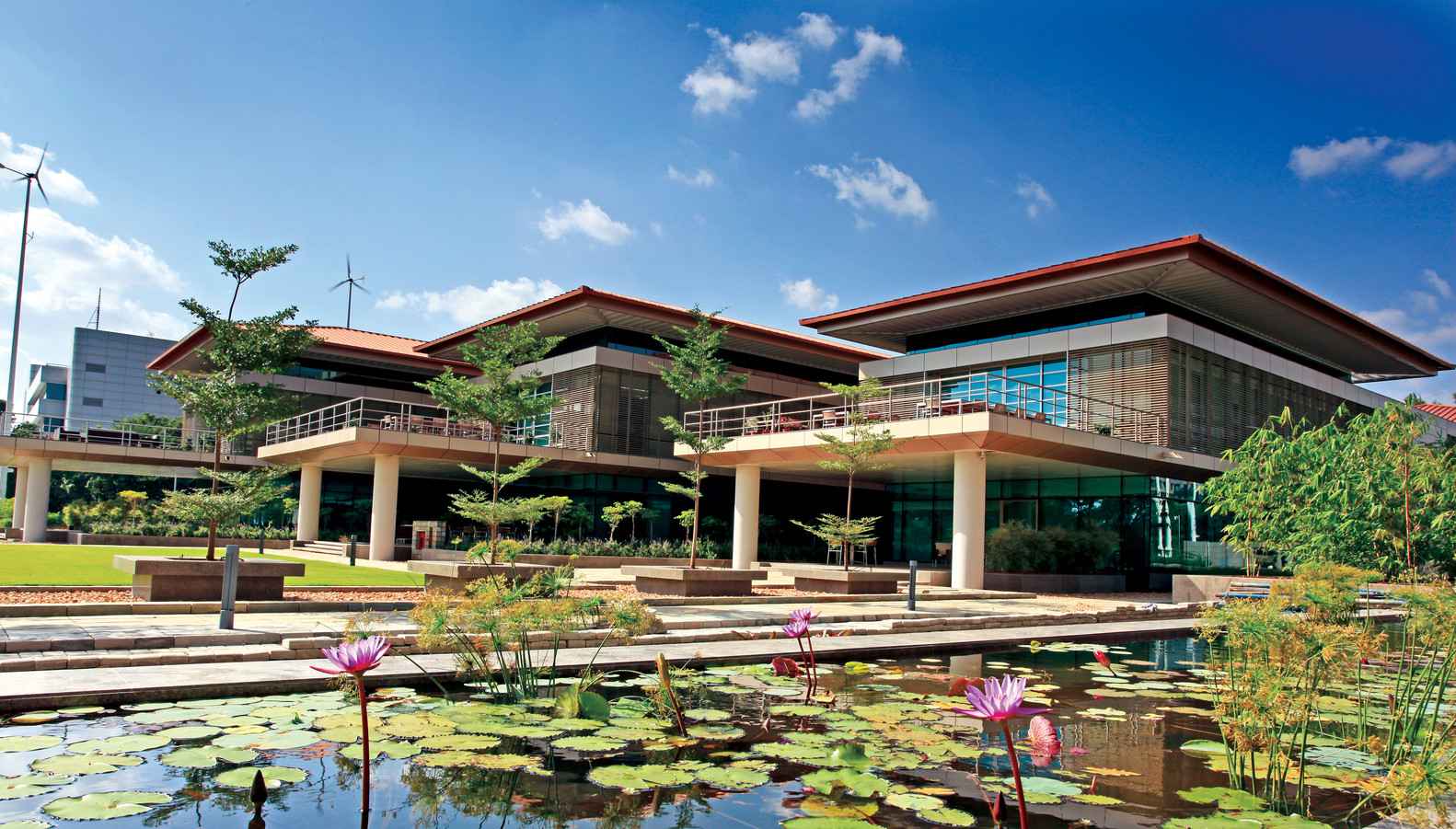
Suzlon One Earth Global Corporate Headquarters. / CCBA Design_©A. Ramprasad Naidu on archdaily.com
The Future of Sustainable Architecture Education in India
With climate concerns rising, the focus on sustainable education is only set to increase.
1. Adoption of Virtual Reality (VR) and Artificial Intelligence (AI)
VR and AI are being integrated into sustainable architecture education, providing students with simulated real-world scenarios. This innovative approach offers hands-on experience in a safe, controlled environment.
2. Industry Collaborations for Research and Development
Collaborations between industry leaders and educational institutions are becoming more common, providing funding and resources for research in sustainable architecture. These partnerships are essential for developing new sustainable technologies and fostering an industry-wide shift toward eco-conscious practices.
Conclusion
Educational initiatives are shaping a generation of architects dedicated to sustainability. Programs across universities, government scholarships, and corporate sponsorships play a pivotal role in developing sustainable architecture expertise in India. The industry is evolving, thanks to these initiatives, which empower architects to build greener, more efficient spaces across the country.
The future of architecture is bright, but are your skills keeping pace? Kaarwan's architecture-specific courses provide you with the knowledge and tools to confidently navigate the AEC industry. Gain valuable insights, master in-demand software, and stand out with designs that impress!
FAQs
1. What is the architect's role in advancing sustainable design?
Architects are pivotal in advancing sustainable design by implementing eco-friendly materials, energy-efficient systems, and innovative building practices. They balance aesthetics with environmental responsibility to create lasting, sustainable structures.
2. How can we achieve sustainable development through architecture?
Sustainable development in architecture is achieved by prioritizing energy efficiency, using renewable materials, and reducing waste. Architects design buildings that minimize environmental impact and support a healthier planet.
3. Is there a future for sustainable architecture?
Yes, sustainable architecture is essential to the future of the built environment. With global demand for eco-friendly designs, sustainable architecture practices are evolving to address climate challenges and conserve resources.
4. What is SDG in architecture?
SDG, or Sustainable Development Goals, in architecture refers to the UN’s goals focused on sustainability. Architects integrate these goals by designing buildings that promote health, energy efficiency, and environmental harmony.
5. Why are architects trying to create sustainable buildings?
Architects focus on sustainable buildings to reduce environmental impact, promote resource efficiency, and support healthier, more resilient communities. Sustainable buildings also align with global efforts to combat climate change.
6. What are the key concepts of sustainable architecture?
Key concepts of sustainable architecture include energy efficiency, low-impact materials, waste reduction, renewable energy use, and creating structures that harmonize with the natural environment.
7. What is another name for sustainable architecture?
Sustainable architecture is also known as green architecture or eco-friendly design, as it prioritizes ecological balance and reduces resource depletion.
8. What are the emerging trends in sustainable architecture?
Emerging trends include net-zero energy buildings, green roofs, smart building technology, recycled materials, and biophilic design, which integrates natural elements into the built environment.
9. What is the rise of sustainable architecture?
The rise of sustainable architecture reflects growing awareness of climate change. It has led to increased demand for designs that promote sustainability, energy efficiency, and resource conservation.
10. How does sustainable architecture work?
Sustainable architecture combines eco-friendly materials, energy-efficient systems, and innovative design to create buildings that minimize environmental impact and provide healthier living spaces.