

The Cost of Oversight
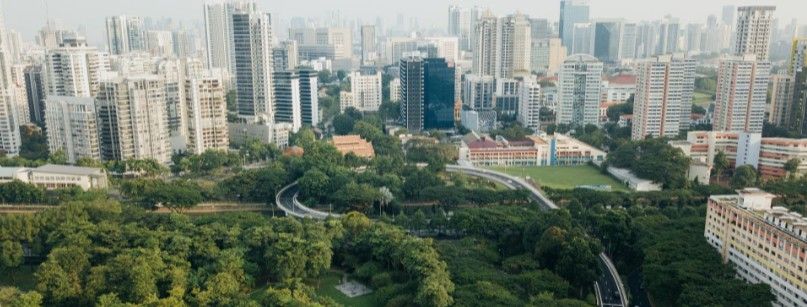
Cities grow quickly, and often planning decisions prioritise speed and construction over sustainability. Roads, buildings, and infrastructure get designed first, while landscape, soil, water, and environmental considerations come later — if at all. Ignoring these disciplines has consequences: flooding, heat islands, soil erosion, groundwater depletion, and biodiversity loss — problems that may take decades to resolve.
“Urban spaces are only as resilient as the systems they embed from day one.”
Integrating landscape architects, water management experts, soil scientists, and environmental specialists at the earliest planning stage can save millions and create healthier, more livable cities.
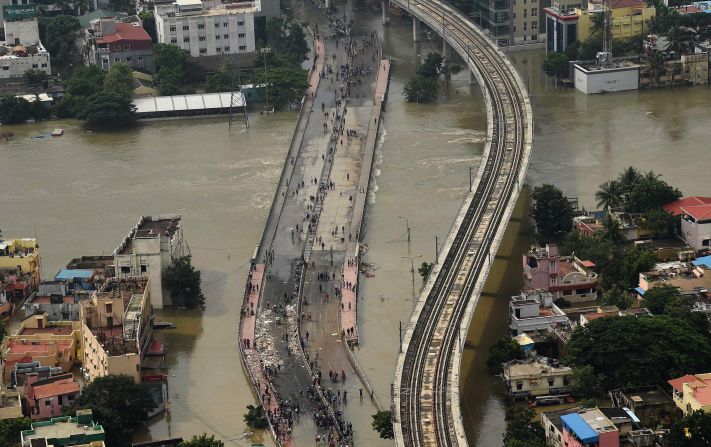
Image Source: CNN
Chennai Floods 2015 – A Wake-Up Call for Urban Planning
The Scenario: In December 2015, Chennai experienced one of its most devastating floods in recent history. Torrential rains overwhelmed the city's drainage systems, leading to widespread inundation.
Expert Insights:
- Dr Kapil Gupta, an urban flood management expert from IIT Bombay, emphasises that urban floods differ from rural ones due to the built environment's interference with natural water flow. He notes, "Urban flooding is primarily caused by the inability of the drainage systems to handle the volume of water, often exacerbated by encroachments and poor planning".
- Lindsay Bremner, in her study on the 2015 Chennai floods, highlights that the city's rapid urbanisation led to the encroachment of natural water bodies and wetlands, which traditionally acted as flood buffers. She states, "The transformation of Chennai's landscape has significantly reduced its natural resilience to flooding".
Lessons Learned: The Chennai floods underscore the critical need for integrating environmental considerations into urban planning. Experts advocate for:
- Preservation of natural water bodies to maintain ecological balance and flood resilience.
- Enhanced drainage systems that can accommodate extreme weather events.
- Community awareness and involvement in flood management strategies.
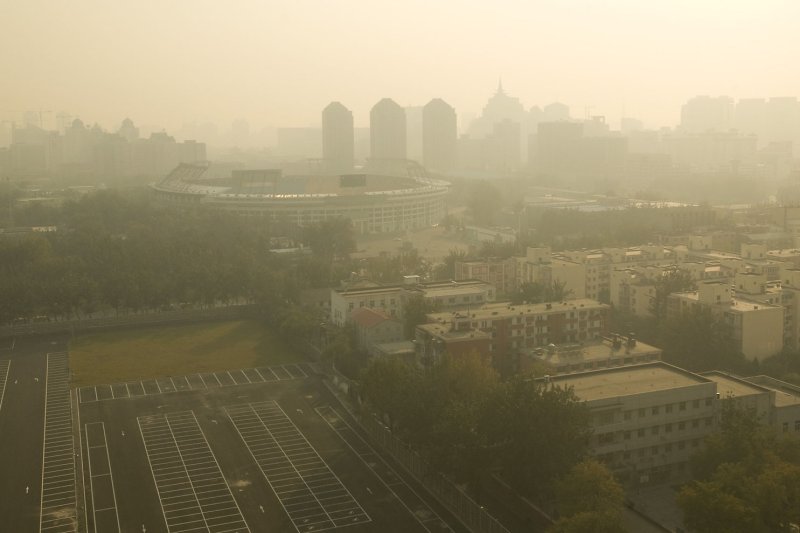
Image Source: UPI
Beijing's Urban Heat Island Effect
The Scenario: Beijing has been grappling with the urban heat island (UHI) effect, where urban areas experience higher temperatures than their rural surroundings due to human activities and modifications of land surfaces.
Expert Insights:
- Matei Georgescu, an assistant professor of geography at Arizona State University, explains, "The UHI effect is a real phenomenon, documented by observations and substantiated by mathematical models. He emphasises that the proliferation of concrete surfaces and the reduction of vegetation contribute significantly to elevated urban temperatures.
- Hwang Yu-Ning, Chief Planner at Singapore's Urban Redevelopment Authority, suggests that cities should prioritise green infrastructure to mitigate UHI effects. She notes, "Integrating green spaces within urban areas can significantly reduce ambient temperatures and improve residents' quality of life".
Lessons Learned: Addressing the UHI effect requires:
- Strategic urban greening, including the creation of parks and green roofs.
- Implementation of reflective materials in construction to reduce heat absorption.
- Urban planning policies that prioritise environmental sustainability.
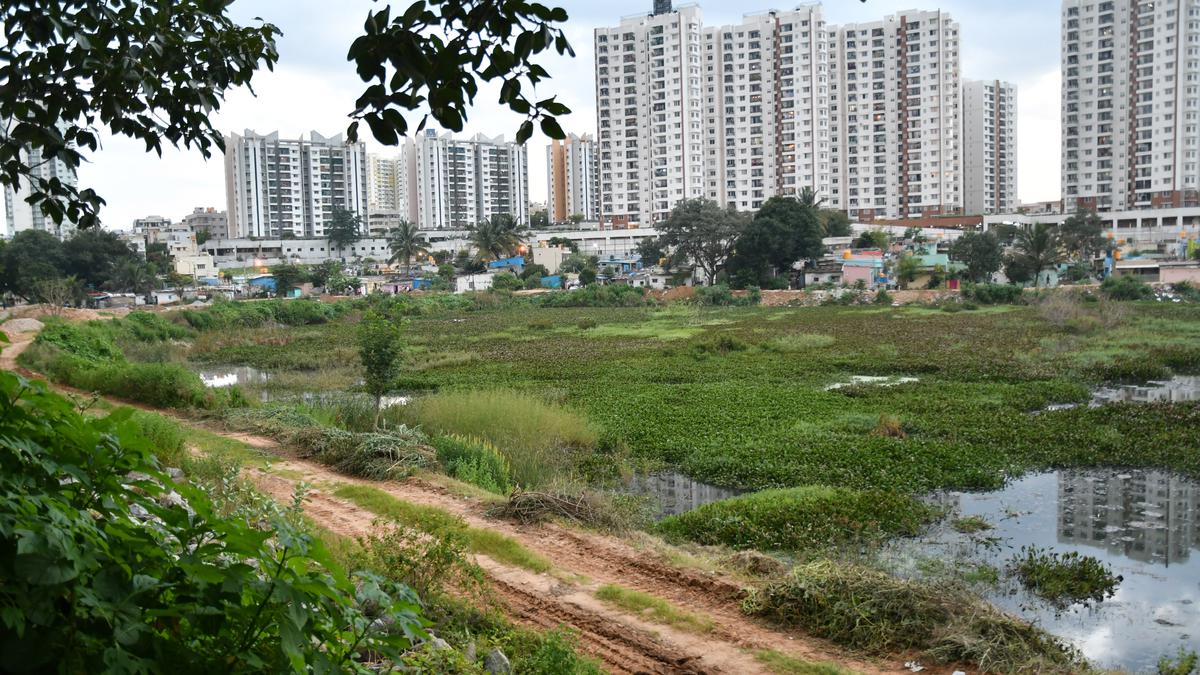
Image Source: The Hindu, by Bhagya Prakash K
Bengaluru's Lake Encroachment Issues
The Scenario: Bengaluru, once known for its numerous lakes, has witnessed significant encroachment and pollution of these water bodies, leading to ecological degradation and water scarcity.
Expert Insights:
- Dr. T.V. Ramachandra, an environmental scientist at IISc Bengaluru, emphasises the need to map aquifers, rainwater harvesting, reusing treated wastewater, and rejuvenating lakes and water bodies. He states, "Converting porous landscapes with vegetation and water bodies to paved surfaces has led to a lack of groundwater recharge coupled with the overexploitation of groundwater due to the mushrooming of high-rise buildings throughout the city.
- Shashank Palur, a senior hydrologist, highlights the importance of community involvement in lake rejuvenation efforts. He notes, "The future of lake revival in Bengaluru depends heavily on community involvement".
Lessons Learned: To address lake encroachment and pollution:
- Strengthen regulatory frameworks to prevent illegal encroachments.
- Implement comprehensive waste management systems to prevent sewage discharge into water bodies.
- Engage local communities in lake conservation efforts.
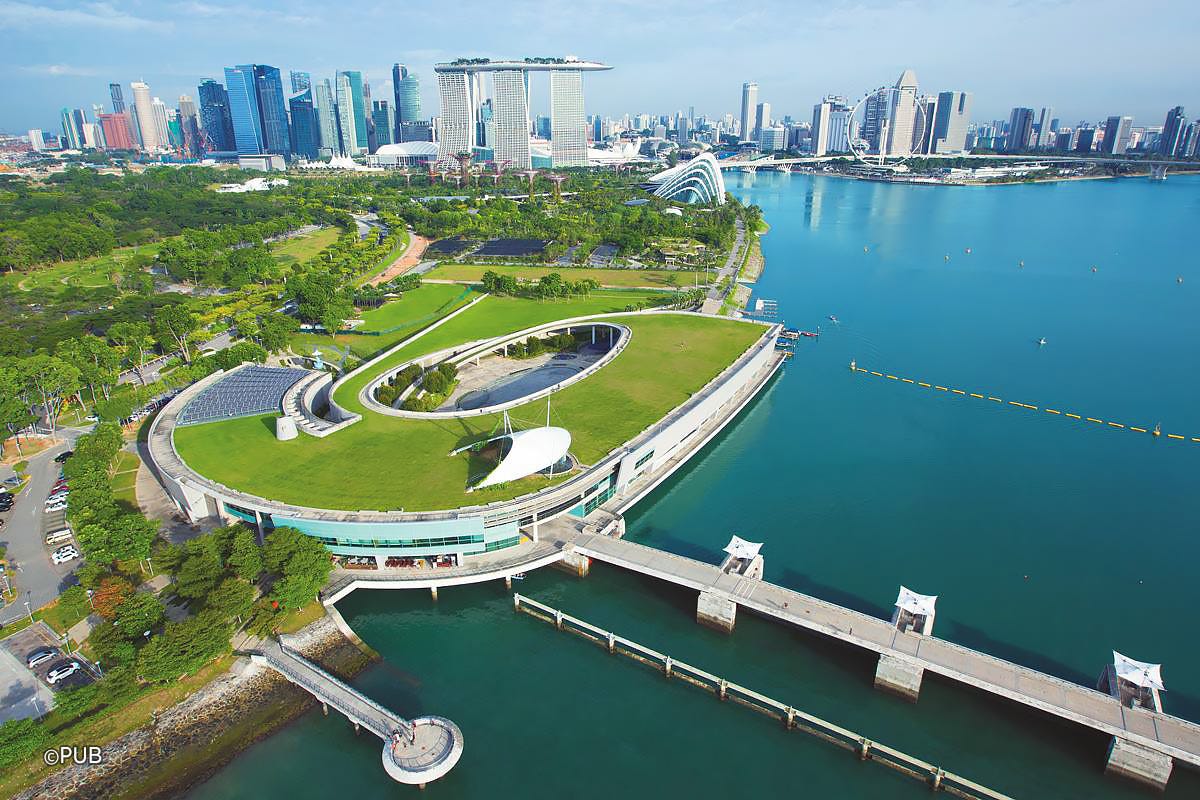
Image Source: Medium
Singapore's Marina Barrage – A Model of Integrated Urban Planning
The Scenario: Singapore's Marina Barrage is a multi-purpose reservoir that provides water supply, flood control, and recreational space, exemplifying integrated urban planning.
Expert Insights:
- Herbert Dreiseitl, a renowned urban planner and landscape architect, discusses the importance of integrating water management into urban design. He states, "Urban spaces should not only be functional but also enhance the quality of life by incorporating elements like water features that promote social interaction".
- Hwang Yu-Ning further elaborates, "The Marina Barrage is a testament to how urban planning can harmonise environmental sustainability with urban development".
Lessons Learned: The success of the Marina Barrage demonstrates that:
- Integrated planning can address multiple urban challenges simultaneously.
- Public-private partnerships are crucial for implementing large-scale infrastructure projects.
- Community engagement ensures the long-term success and acceptance of urban initiatives.
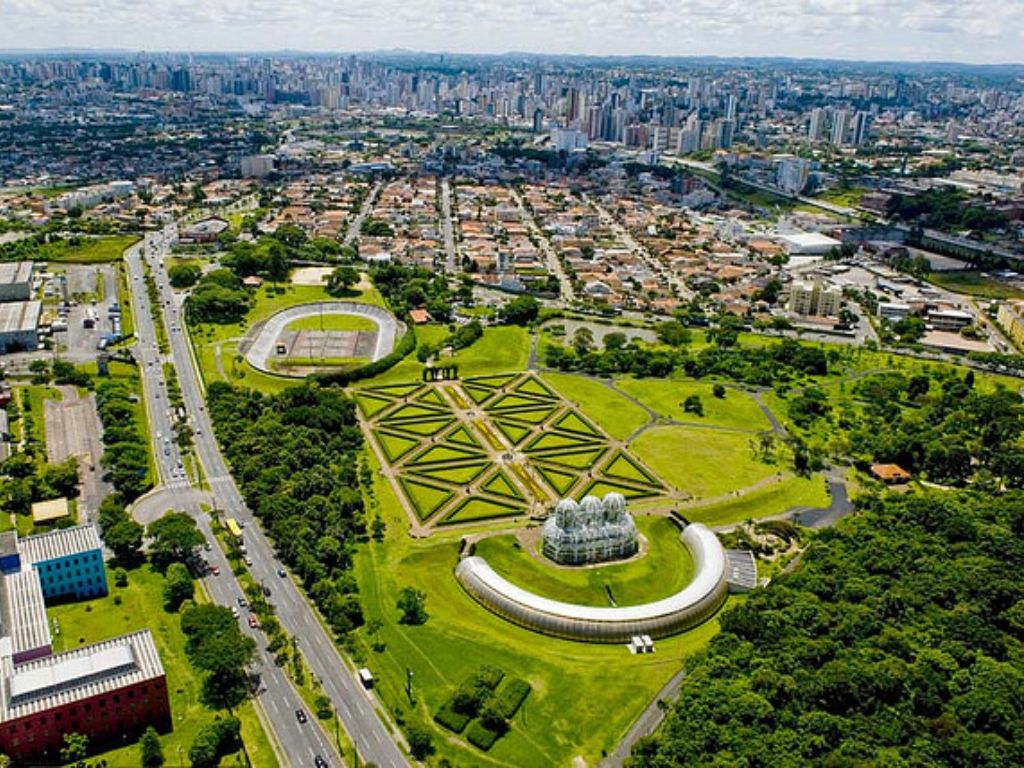
Image Source: UDL
Curitiba's Sustainable Urban Planning
The Scenario: Curitiba, Brazil, is renowned for its innovative and sustainable urban planning practices, including efficient public transportation and green spaces.
Expert Insights:
- Jaime Lerner, former mayor of Curitiba, emphasises the importance of vision in urban planning. He states, "A city is not a place, it's a process. It's a place where people live, work, and interact".
- Urban planning experts highlight that Curitiba's success lies in its commitment to sustainability and community involvement. One expert notes, "Curitiba's approach demonstrates that sustainable urban planning is not only possible but also beneficial for both the environment and the economy".
Lessons Learned: Curitiba's experience illustrates that:
- Long-term planning focused on sustainability leads to resilient urban environments.
- Community participation in planning processes enhances the relevance and effectiveness of urban solutions.
- Innovative solutions can address urban challenges in cost-effective ways.
The Imperative of Expert Involvement in Urban Planning
These case studies underscore the critical importance of involving experts from various disciplines in the urban planning process. Whether it's environmental scientists, water management specialists, or urban planners, their insights are invaluable in creating cities that are resilient, sustainable, and livable. Ignoring their expertise can lead to short-term gains at the expense of long-term well-being.
As urbanisation continues to accelerate, cities must adopt a holistic approach to planning—one that integrates environmental, social, and economic considerations from the outset. Only through such comprehensive planning can we build cities that not only meet the needs of today but also anticipate and mitigate the challenges of tomorrow.
FAQs
1. Why should landscape architects and environmental experts be involved early in city planning?
Because they understand how soil, water, and vegetation interact — the foundations of resilience. Their input helps prevent flooding, heat islands, and ecosystem loss before construction begins.
2. What went wrong in the 2015 Chennai floods?
The city’s natural wetlands and floodplains were encroached upon for urban development. As Dr. Kapil Gupta notes, “Urban flooding is primarily caused by poor planning and blocked natural drainage.” The lesson: design with the land, not over it.
3. How can cities like Beijing reduce their Urban Heat Island effect?
Urban greening. Hwang Yu-Ning from Singapore URA emphasises that “Integrating green spaces within urban areas can significantly reduce ambient temperatures.” Simple: trees cool cities better than machines ever can.
4. What can Bengaluru teach us about water resilience?
Protect your lakes before they vanish. As Dr. T.V. Ramachandra (IISc) says, “Paved surfaces and high-rises have killed recharge zones.” Bengaluru’s revival now depends on mapping aquifers, lake restoration, and public participation.
5. What makes Singapore’s Marina Barrage a model city project?
It combines water supply, flood control, and recreation — all in one integrated design. Herbert Dreiseitl calls it “proof that water infrastructure can enhance life, not just manage it.”
6. What is the key takeaway from Curitiba’s success in Brazil?
Vision and inclusivity. Jaime Lerner reminds us, “A city is not a place, it’s a process.” When citizens are part of that process, sustainability becomes culture, not policy.
7. How does expert collaboration prevent future urban crises?
By simulating long-term impacts before they occur — hydrologists model floods, ecologists forecast heat patterns, planners balance density. This interdisciplinary foresight is what turns cities into living systems.
8. What’s the cost of ignoring environmental expertise?
Decades of reactive fixes — drained lakes, flooded streets, overheated neighbourhoods. Short-term speed in planning always creates long-term expenses in recovery.




.png)