Exploring the Use of Unconventional Materials in Architecture
Throughout history, buildings have stood as symbols of human creativity and the power we have to mould our environment. What we can construct has been dictated by the materials we utilise, from the lofty pyramids of Giza to the slender skyscrapers of Manhattan. When we abandon the tried-and-true materials of concrete, steel, and glass, though, what do we find? When we take a risk and investigate the unknown, what do we find?
Using unusual materials, creative professionals in the field of architecture and design have been challenging traditional wisdom in recent years. Previously disregarded, unloved, or even discarded, these materials are now being rethought as foundational elements for the future. This change is about more than simply making buildings more energy efficient or environmentally friendly; it's also about making us rethink what design is capable of.
The Emergence of the Non-traditional
It is not altogether novel for architects to employ unusual materials. Ingenious builders who made do with what they had are peppered throughout history. Mud bricks were utilised by the ancient Egyptians, snow was compacted by the Inuit to make igloos, and vaulted constructions were erected by the Nubians using dirt and straw. The modern twist lies in the deliberate application of these materials. Architects are free to express themselves, spark debate, and motivate change through the use of unorthodox materials; they are no longer constrained by practical considerations or geographical constraints.
Consider the designs created by Vo Trong Nghia, an architect from Vietnam. His work at the Flamingo Dai Lai Resort's Bamboo Wing and the Wind and Water Café, both made of bamboo, shows how a commonplace material can become something remarkable. Despite its reputation as "poor man's timber," bamboo has several desirable qualities, including being sturdy, lightweight, and flexible. It takes on a poetic quality under Nghia's care, expressing themes of cultural identity and sustainability.
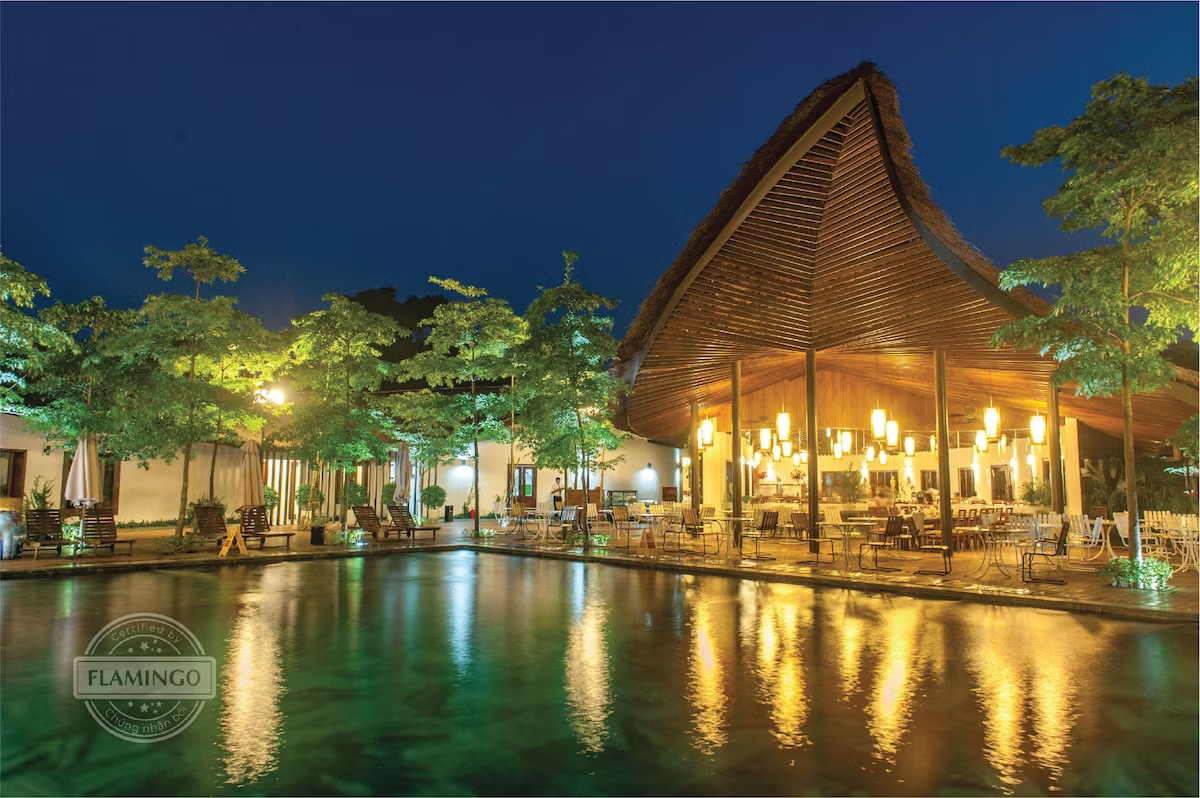
Flamingo Dai Lai Resort's Bamboo Wing (Img Src: Flamingo)
Destruction to Astonishment
The use of byproducts is among the most intriguing developments in the realm of nontraditional materials. Landfills receive a large portion of the world's garbage, which amounts to millions of tonnes annually. However, imagine if we could transform this trash into something lovely, practical, and long-lasting.
Step into the realm of plastics being repurposed. Businesses like ByFusion are recycling plastic into building blocks, and designers like Fernando Laposse are making breathtaking interiors out of the recycled material. For example, in her "Totomoxtle" project, Laposse makes colourful and textured surfaces out of recycled maize husks. In addition to cutting down on trash, these initiatives make us reevaluate what we consider valuable and aesthetically pleasing.
In a similar vein, biodegradable construction materials derived from mycelium, the root structure of mushrooms, are in the works. Insulation, packaging, and even furniture made from mycelium are being developed by companies like Ecovative Design. Its spontaneous decomposition at the conclusion of its life cycle and the fact that it is developed in moulds make it very customisable. It's a prime illustration of how the natural world can motivate creative thinking.
Materials' Emotional Effects
In addition to lowering our impact on the environment, using non-traditional materials can elicit feelings and convey narratives. Think about the paper tube catastrophe shelters designed by Japanese architect Shigeru Ban. These shelters are a powerful symbol of perseverance and optimism, and they are also quite functional and inexpensive. A striking visual and emotional impact is generated by the stark contrast between the material's simplicity and the complexity of the settings in which it is utilised.
In a similar vein, salvaged wood may give buildings an air of permanence and antiquity. As a result of its long history of use, every piece of wood has its own unique set of imperfections, such as weathering, nail holes, and scratches. We are reminded of the cyclical cycle of life when it is integrated into a new structure, creating a connection between the past and the present.
Difficulties and Possibilities
Unconventional materials present their own unique set of difficulties. You can't be sure these materials will last because they don't go through the same rigorous certification and testing processes as more conventional ones. Logistics issues like transportation, storage, and sourcing also arise. Aesthetics come into play as well; how can you win over a customer who views a material as unconventional or subpar?
However, chances also arise from these difficulties. Because of them, we are more likely to be innovative, work together across fields, and challenge conventional wisdom. They serve as a reminder that construction is only one aspect of architecture; architects also strive to solve issues, push boundaries, and create environments that deeply connect with people.
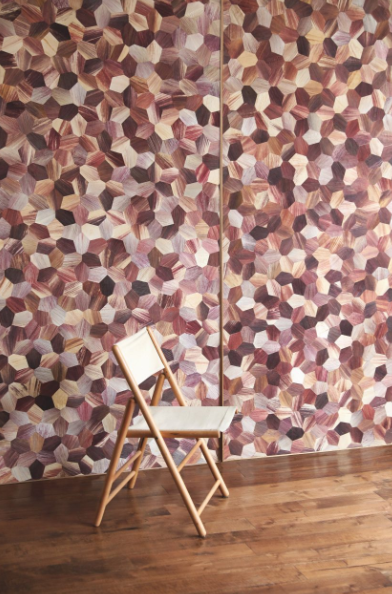
Totomoxtle Project (Img Src: Dezeen)
Take Action Now!
It is our duty as professionals in the fields of architecture, design, and construction to reconsider our methods. Our resources and approaches need to adapt to the new normal. We can build sustainable, inventive, meaningful, and inspirational architecture by using uncommon materials.
Just stop and think about all the possibilities the next time you pass a building site. Let your mind wander to a fantastical land where mushroom constructions, walls fashioned from corn husks and the stories told by every building are all real. If we muster the bravery to reach out, this is the world that awaits us.
That "architecture is the mother art" is a quote from the late, great Frank Lloyd Wright. Our civilisation lacks its spirit if it does not have its unique architecture. Together, we can create a society that is an inspiration for the future because of our ingenuity, strength, and optimism. Let's use the unusual to construct.
The future of architecture is bright, but are your skills keeping pace? Kaarwan's architecture-specific courses provide you with the knowledge and tools to confidently navigate the AEC industry. Gain valuable insights, master in-demand software, and stand out with designs that impress!
FAQs
1. What are unconventional materials in architecture?
Answer: Unconventional materials include non-traditional resources like bamboo, recycled plastics, mycelium (mushroom roots), and reclaimed wood, used to create innovative and sustainable designs.
2. Why are architects using unconventional materials?
Answer: Architects use unconventional materials to promote sustainability, reduce waste, and create unique, emotionally impactful designs that challenge traditional construction norms.
3. What are the benefits of using bamboo in architecture?
Answer: Bamboo is lightweight, strong, flexible, and sustainable, making it an ideal material for eco-friendly and culturally significant designs, as seen in Vo Trong Nghia’s projects.
4. How do unconventional materials impact sustainability?
Answer: These materials reduce environmental impact by repurposing waste (e.g., recycled plastics) or using renewable resources (e.g., mycelium), promoting circular and eco-conscious design practices.
5. What challenges come with using unconventional materials?
Answer: Challenges include durability testing, sourcing, logistics, and convincing clients of their aesthetic and functional value, but they also drive innovation and collaboration in design.