‘Firsts’ in Indian Architecture You Didn’t Know About
Indian architecture has a rich legacy of innovation, blending traditional practices with modern technology. While most people know about iconic landmarks like the Taj Mahal or Chandigarh’s masterplan, there are lesser-known yet groundbreaking “firsts” in Indian architecture that shaped the country’s design identity. From the first green-certified building to the first skyscraper, here’s a look at pioneering milestones every architect and student should know.
India’s First Green Building
CII-Sohrabji Godrej Green Business Centre, Hyderabad (2003) The CII-Sohrabji Godrej Green Business Centre in Hyderabad holds the title of being India’s first LEED Platinum-rated building. Designed by Karan Grover and Associates, it became a benchmark for sustainable architecture in the country.
The building integrates:
- Passive solar design
- Use of fly-ash bricks
- Rainwater harvesting
- On-site renewable energy
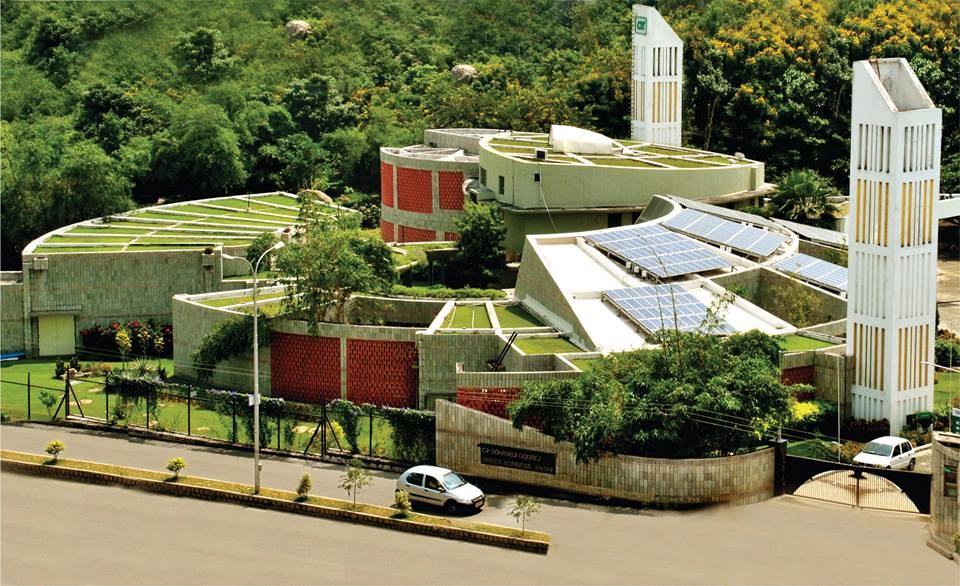
Exterior view of India’s first LEED Platinum-certified green building in Hyderabad.
This project paved the way for the green building movement in India, inspiring architects and developers to adopt eco-conscious strategies.
India’s First Prefabricated Housing Project
Ramachandrapuram Housing, Hyderabad (1962)The Central Building Research Institute (CBRI) initiated India’s first prefab housing project for BHEL employees in Ramachandrapuram, Hyderabad. Using precast panels, beams, and factory-made components, this project showcased how industrialized construction methods could save time and reduce costs.
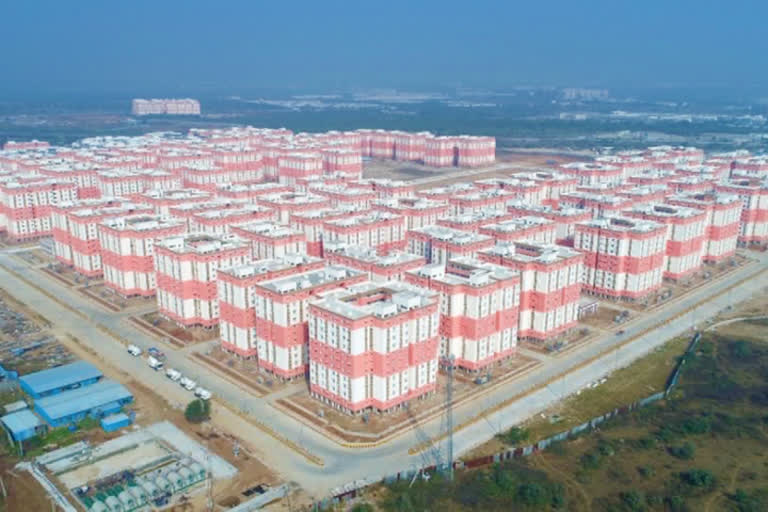
Prefab in India has since evolved into modular housing, disaster-relief shelters, and even luxury prefab villas.
India’s First Skyscraper
LIC Building, Chennai (1959) Designed by architect L. M. Chitale, the LIC Building in Chennai became India’s first skyscraper. At 177 feet tall with 15 floors, it was the tallest structure in the country at the time.
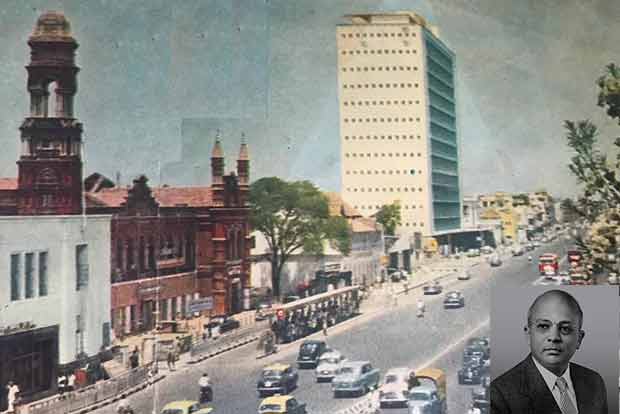
Architectural significance:
- First Indian building with a structural steel frame
- Featured central air conditioning, rare in the 1950s
- Symbolized the modernization of post-independence India
This skyscraper not only altered Chennai’s skyline but also marked India’s entry into vertical architecture.
India’s First Woman Architect to Head Her Own Firm
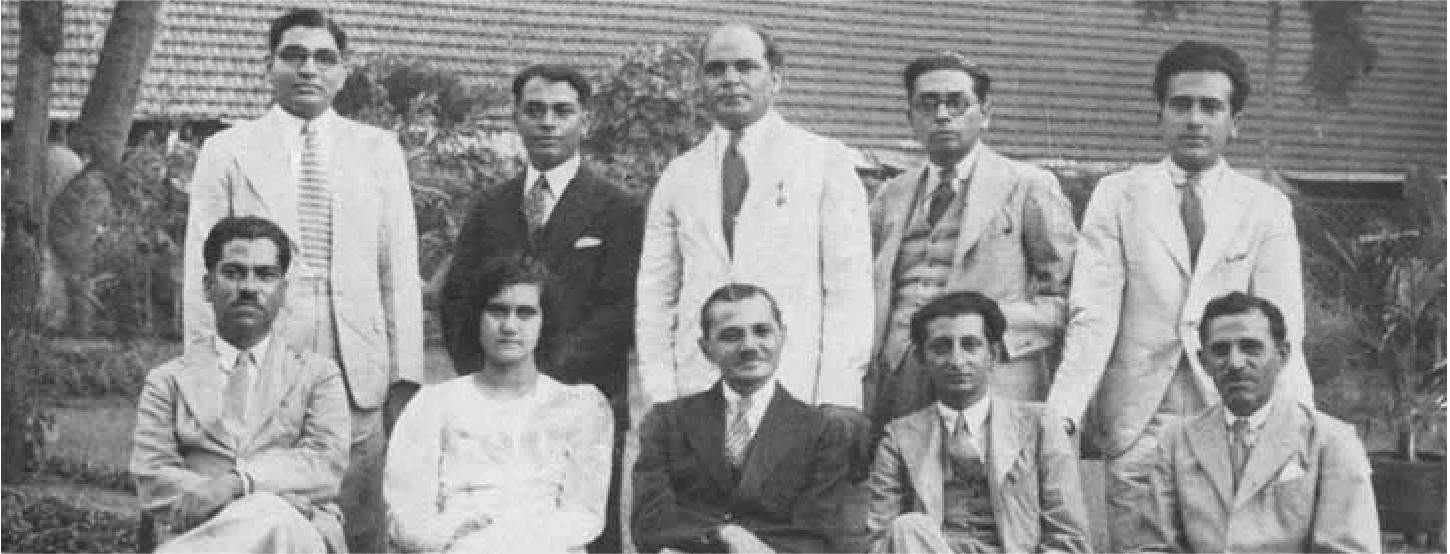
Perin Jamshedji Mistri (1930s) Among the pioneers of Indian architecture, Perin Jamshedji Mistri stands out as one of the first qualified women architects in the country. A graduate of Sir JJ School of Art, she established her independent practice in Mumbai during the 1930s.
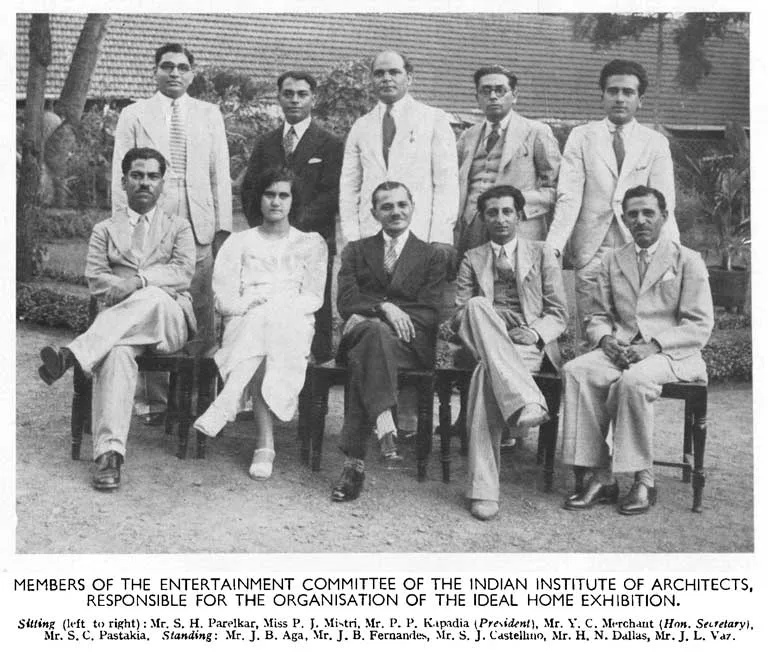
Perin Mistri specialized in residential and institutional projects, breaking gender barriers in a male-dominated profession. Her legacy continues to inspire generations of women architects in India today.
Why These ‘Firsts’ Matter
These milestones highlight the evolution of Indian architecture—from sustainability and prefabrication to high-rises and gender inclusivity. They show how Indian architects have continually adapted and innovated, setting precedents for future design.
For architecture students, professionals, and enthusiasts, knowing these architectural firsts in India provides valuable insights into the country’s design journey.