

_11zon.png)
High up in the mountains, where rivers rush wild and gravity pulls water with power, local communities once built quiet revolutions—gharats, or traditional water mills.
Before electricity reached every home and packaged flour filled the shelves, there was the gharat. It wasn’t just a flour mill. It was a clever, sustainable solution born out of pure necessity and a deep connection with nature.
.png)
Image Source: Captured by Saurabh Purohit
What Is a Gharat?
A gharat is a small water-powered flour mill that villagers in the Himalayan regions built using locally available materials. The idea was simple but brilliant: channel the water gushing down the hills and put it to work. Over generations, locals learnt how to divert streams and build narrow channels, directing water to flow under a humble stone-and-wood hut.
Inside this hut, a wooden turbine was carefully fitted into the flowing water. The force of the stream turned this turbine, which was connected to a vertical wooden shaft running into the mill floor. This, in turn, rotated a stone chakki—a grinding wheel on which wheat grains slowly turned into fine flour. A jute bag hung above, releasing grains bit by bit. Villagers would leave their sacks of wheat overnight, and by morning, they had fresh flour.
.png)
Image Source: Flickr
A Place of Work, and Togetherness
But the gharat was more than just a tool—it was a community anchor.
While the grains ground steadily through the night, village women often gathered around the gharat during the day. It became a place for conversations, sharing stories, and checking in on one another. Men in the village took collective responsibility for repairing and maintaining the gharat, making sure everyone could rely on it during the harvest.
The gharat turned wheat into flour—but also neighbours into a community.
Its biggest advantage? Villagers didn’t need to take their grain far for processing. It made their harvest directly usable and even marketable. For many, it was the first step to earning an income from their own land.
When Time Outran the Turbines
But as population grew and the demand increased, the limitations of the gharat began to show.
The wooden turbines, while beautifully crafted, wore out quickly. Water would knock down fan blades. Repairs were frequent. The grinding process was slow, and the yield couldn’t match growing needs. Families began to look elsewhere. The gharats were slowly abandoned. Locked up. Forgotten.
With them, a rich tradition of community-based architecture, vernacular technology, and indigenous knowledge quietly faded into the background.
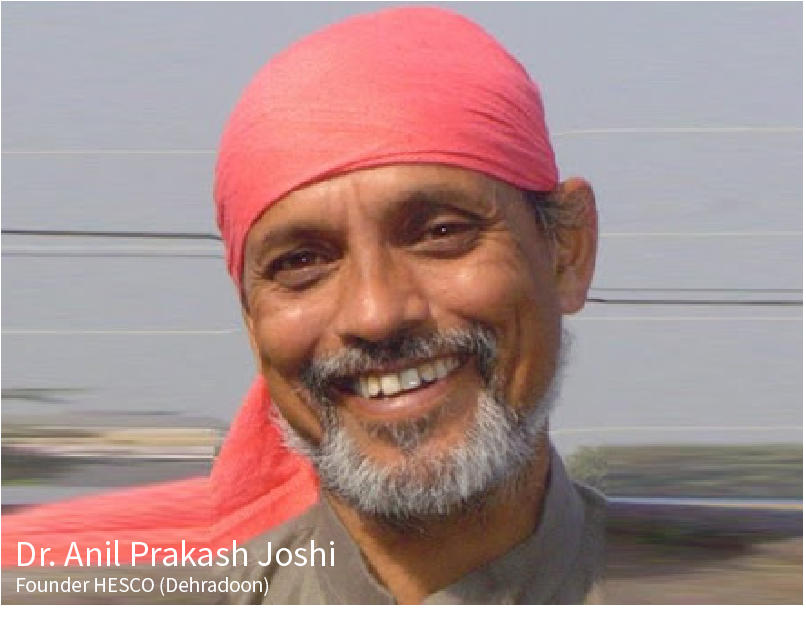
Image Source: Danik Bhaskar
Remembering What Was Lost
Even though gharats once flourished across India—from Assam and Manipur to Meghalaya—they weren't unique to the subcontinent. Similar systems existed in Arabia and even in Switzerland. So where did things begin to fade?
It all started with a shift in mindset. As modern science progressed, a new attitude took over: “Leave the old behind, let’s bring in the new.” Traditional technologies like the gharat were cast aside in the name of progress.
Electric mills replaced water-powered ones. Diesel engines became the new norm. This simple yet effective machine, which had sustained rural life for centuries, slowly began to disappear—not because it failed, but because no one tried to evolve it.
An elderly woman, speaking with the creators of the Gharat documentary (winners of the 5th National Science Film Festival, Lucknow), put it simply: “The rotis made from earlier flour used to taste sweeter.”
She added, “There’s never anything wrong with science—it’s the system that fails.”
Dr. Anil Prakash Joshi, founder of HESCO, reflected: “There was a time when the gharat was completely forgotten. But since 1986, we’ve treated it as a movement. We went on foot marches across the country to raise awareness about gharats. Only then did the government pay attention and launch a national programme. Otherwise, gharats would have vanished completely.
This is a beautiful example of revival. Something once on the verge of extinction has returned—and it has returned in full force.”
.png)
Image Sources: Shriniwas Oli Youtube featuring, Watermill Technician from HESCO,Manmohan Negi, Sketch:Wikipedia
The Return of Gharats—with a Twist
The story could have ended there—but it didn’t.
An Indian farmer named Mr. Jabar Singh brought back the gharat with a modern twist—this time replacing wooden turbines with steel ones. Stronger, longer-lasting, and easier to maintain, these new turbines breathed life back into old gharat structures.
Villagers were educated to maintain a specific speed while grinding—too fast, and the heat would strip grains of their natural minerals. With controlled speed and better materials, the gharat was reborn: reliable, respectful of tradition, and relevant once again.
Even more remarkably, the rotating turbines began to generate electricity. Not only could they power local homes, but excess electricity was sold back to the grid, adding a steady income stream for the village. It was a breakthrough in rural development in India.
.png)
Image Source: egorb.net
The Hidden Power of a Flowing Stream
In the movement of these streams lies the answer to an energy crisis. Dr. Joshi believes that by learning from gharats and decentralised models, every small mountain stream can power thousands of homes—not through milling alone, but through electricity generation. He envisions a time when rural areas have their own energy grids, connected to the main grid. Villages will no longer wait for power—they’ll create it.
If energy comes from water, water itself becomes more precious. And when we begin to value water, we naturally begin to protect forests and ecosystems that sustain it.
Gharats, when viewed through the right lens, are models of both energy and environmental conservation. After all, science is not about abandoning tradition—it’s about improving it with wisdom. And technology must be simple, repairable, and rooted in local ecosystems if it is to serve truly.
Learn what the industry needs, with budget-friendly masterclasses in tools, technology, and thinking.
More Than a Mill
Today, where they survive or have been revived, gharats are more than historical curiosities. They’re a lesson in eco-friendly construction and sustainable architecture—solutions that work with nature, not against it. They remind us that innovation isn’t always about something new. Sometimes, it’s about returning to what already works—and making it stronger.
The revival of gharats brought back a sense of ownership, community, and possibility to rural Himalayan life. It showed that preserving heritage doesn’t mean rejecting change—it means evolving wisely.
And as we talk more about sustainability, decentralisation, and climate-conscious design, maybe it’s time we listened to these silent mills again. After all, they’ve been whispering the right ideas all along.
.png)
Image Source: Wikipedia, X.com, Shriniwas Oli
From Water Wheels to Workflow: Why BIM Is the Modern Gharat
Just as the gharat once unified a village around a shared resource, today’s large-scale architecture and infrastructure projects demand seamless collaboration between disciplines. Architects, engineers, contractors—each plays a vital role. But without the right system in place, ideas get lost, delays pile up, and potential stays untapped.
From hand-carved turbines to digital twins, what connects the gharat to BIM is not just innovation, but intention. Both are examples of systems thinking that honour collaboration, efficiency, and the collective.
BIM (Building Information Modelling) was born from industrial systems thinking—adapted from fields like manufacturing and aerospace—and is now reshaping how we build everything from smart cities to metros to resilient housing.
It’s not just a tool. It’s a mindset. One that visionary and empathetic professionals must adopt to scale their ideas and bring impact to life.
If you’re ready to be part of this shift, don’t just follow the flow, be the one who designs it.
👉 Explore our BIM Masterclass before you invest your commitment and time in this feild.




.png)