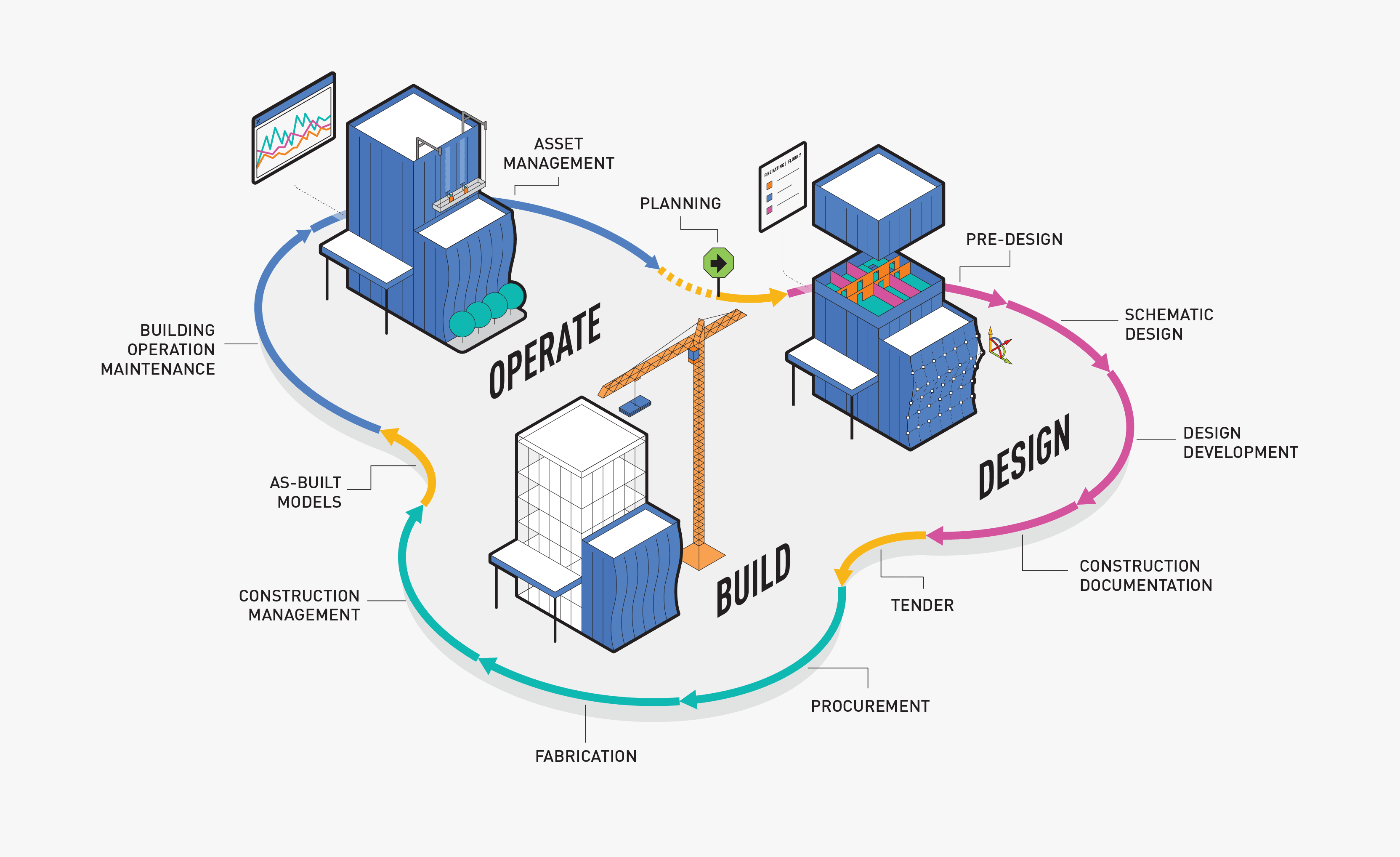
Building Information Modelling (BIM) is transforming the civil engineering landscape worldwide. As infrastructure projects become increasingly complex, companies seek skilled professionals who can integrate BIM into planning, design, and construction processes. This shift is creating global career opportunities for civil engineers with expertise in BIM. Whether you are a recent graduate or an experienced professional, understanding these opportunities can help you navigate a successful career in digital construction.

Image Credits - Parametric Architecture
1. The Growing Demand for BIM in Civil Engineering
The adoption of BIM in civil engineering is no longer optional—it is a necessity. Governments and private sectors worldwide are mandating BIM implementation in large-scale infrastructure projects. The demand for BIM professionals is rising due to its ability to:
- Improve project efficiency and collaboration
- Reduce costs and minimise errors
- Enhance sustainability in construction
- Facilitate digital twins and smart infrastructure
Countries such as the UK, the USA, Canada, Australia, and the UAE have BIM mandates in place, making it an essential skill for civil engineers seeking international career opportunities.
2. Key BIM Roles for Civil Engineers
As BIM integrates into construction workflows, civil engineers can explore a range of job roles, including:
BIM Engineer
Responsible for creating and managing BIM models, ensuring accuracy in design and construction.
BIM Coordinator
Works closely with different teams to manage model coordination, clash detection, and data integration.
BIM Manager
Oversees BIM implementation at an organisational level, ensuring compliance with industry standards and best practices.
Infrastructure BIM Specialist
Focuses on large-scale infrastructure projects, such as bridges, roads, and tunnels, using BIM for planning and execution.
BIM Consultant
Advises firms on BIM strategies, helping companies transition to digital workflows and optimise construction processes.
Each of these roles offers a unique career path with opportunities for growth and specialisation.
3. Countries with High Demand for BIM Professionals
BIM adoption varies across regions, but some countries stand out in terms of demand and career opportunities for civil engineers:
United Kingdom
The UK was among the first to mandate BIM Level 2 for public projects, making it a global leader in digital construction.
United States & Canada
With a growing emphasis on smart cities and sustainable infrastructure, BIM professionals are in high demand across North America.
Australia & New Zealand
Both countries have strong government support for BIM, making it an attractive destination for skilled professionals.
United Arab Emirates & Saudi Arabia
Massive infrastructure projects such as NEOM and Expo 2020 have accelerated the need for BIM experts in the Middle East.
Singapore
Singapore has one of the most advanced digital construction ecosystems, with BIM integration being mandatory in all major projects.

Image Credits - Propmodo
4. Essential BIM Skills for Civil Engineers
To stand out in the global job market, civil engineers need to develop the following BIM-related skills:
Technical Skills
- Proficiency in BIM software such as Autodesk Revit, Civil 3D, Navisworks, and InfraWorks
- Knowledge of 4D (scheduling) and 5D (cost estimation) BIM
- Clash detection and model coordination
- Cloud-based BIM collaboration tools like BIM 360 and ACC (Autodesk Construction Cloud)
Soft Skills
- Strong communication and teamwork
- Problem-solving and critical thinking
- Ability to adapt to new technologies and workflows
- Project management and leadership skills
A combination of technical and soft skills ensures a well-rounded BIM professional ready for global opportunities.
5. How to Build a Global BIM Career as a Civil Engineer
Gain Relevant Certifications
Earning certifications in BIM software (Autodesk Certified Professional, Bentley Systems, etc.) enhances your credibility in the job market.
Develop a Strong Portfolio
Showcase BIM projects, clash detection solutions, and digital construction expertise to impress potential employers.
Apply for International Jobs
Use platforms like LinkedIn, Glassdoor, and company websites to find BIM-related job openings worldwide.
Network with Industry Professionals
Join BIM associations, attend conferences, and engage in online forums to build connections and stay updated on global trends.
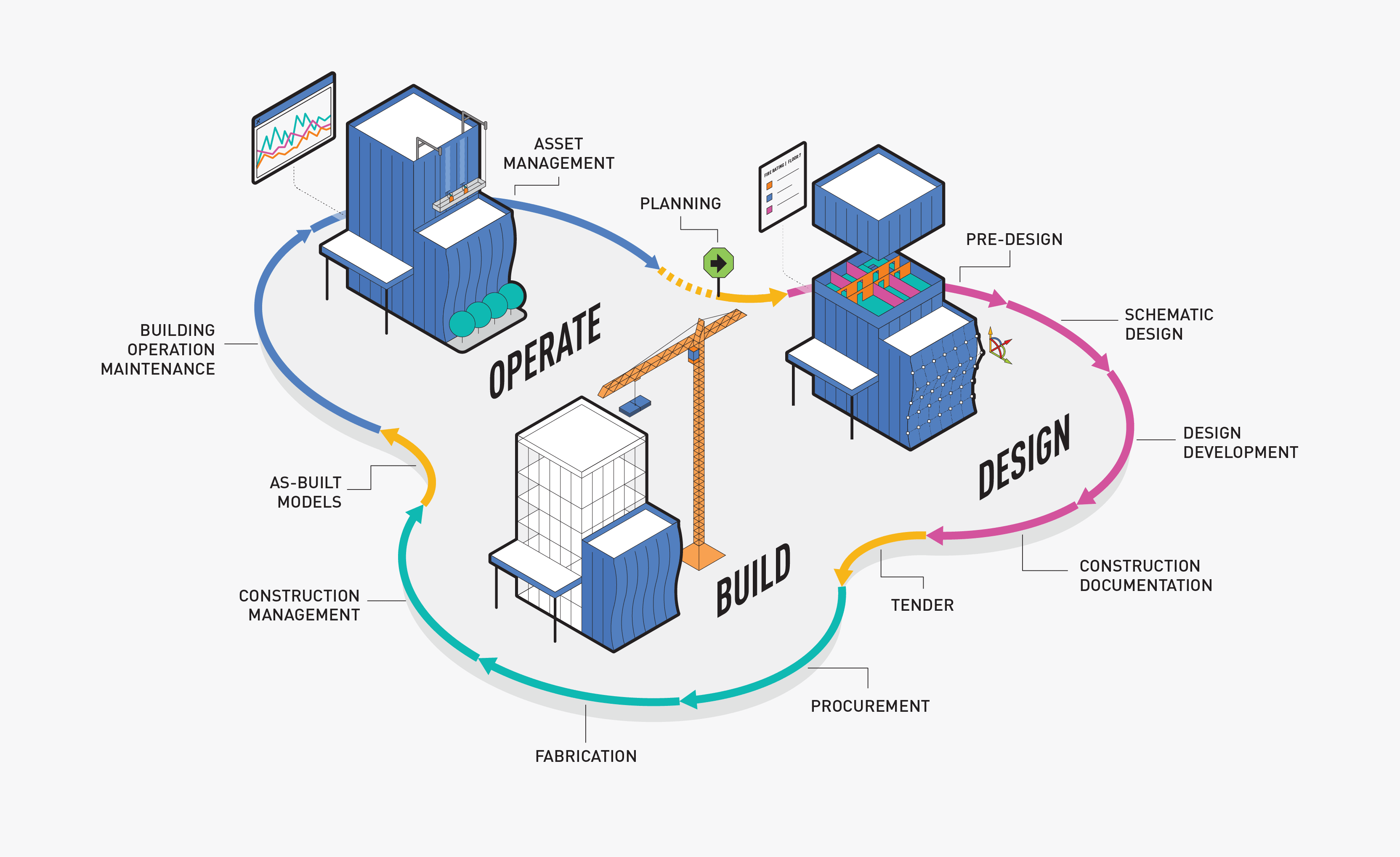
Image Credits - Vectorworks
What you'll learn:
- Learn from industry experts and master practitioners.
- Engage in hands-on, project-based learning experiences.
- Connect with a vibrant community of creatives and professionals.
- Receive a certificate to boost your portfolio and credentials.
Conclusion
The demand for BIM professionals in civil engineering is growing rapidly, with opportunities spanning multiple industries and regions. By developing the right skills, gaining certifications, and actively networking, civil engineers can secure high-paying roles in the global job market. BIM is shaping the future of infrastructure—are you ready to be part of this transformation?
Unlock global career opportunities in BIM and elevate your expertise in digital construction.
Join Kaarwan’s specialised courses to master BIM and advance your career in civil engineering!
FAQs
1. What is the role of a BIM Engineer in civil engineering?
A BIM Engineer creates, manages, and optimises digital models for construction projects, improving efficiency and collaboration.
2. Which countries have the highest demand for BIM professionals?
The UK, USA, Canada, Australia, UAE, and Singapore are leading the adoption of BIM, creating job opportunities for skilled professionals.
3. What software should I learn for a BIM career?
Key software includes Autodesk Revit, Civil 3D, Navisworks, InfraWorks, and BIM 360 for collaboration and project management.
4. Do I need a degree to work in BIM?
While a civil engineering degree is beneficial, professionals can transition into BIM through certifications and hands-on training.
5. How can I find BIM job opportunities abroad?
Utilise job portals like LinkedIn, network with industry professionals, and apply directly on company websites offering BIM-related roles.