

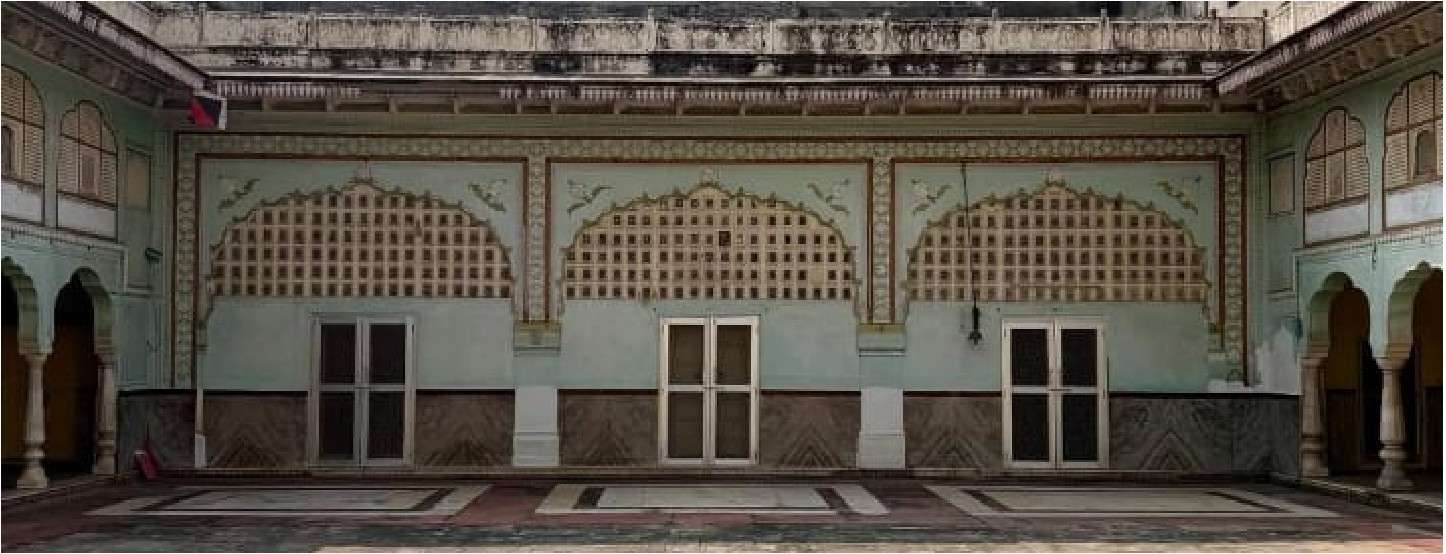
How Homes in Heritage Cities Adapt to Modern Life
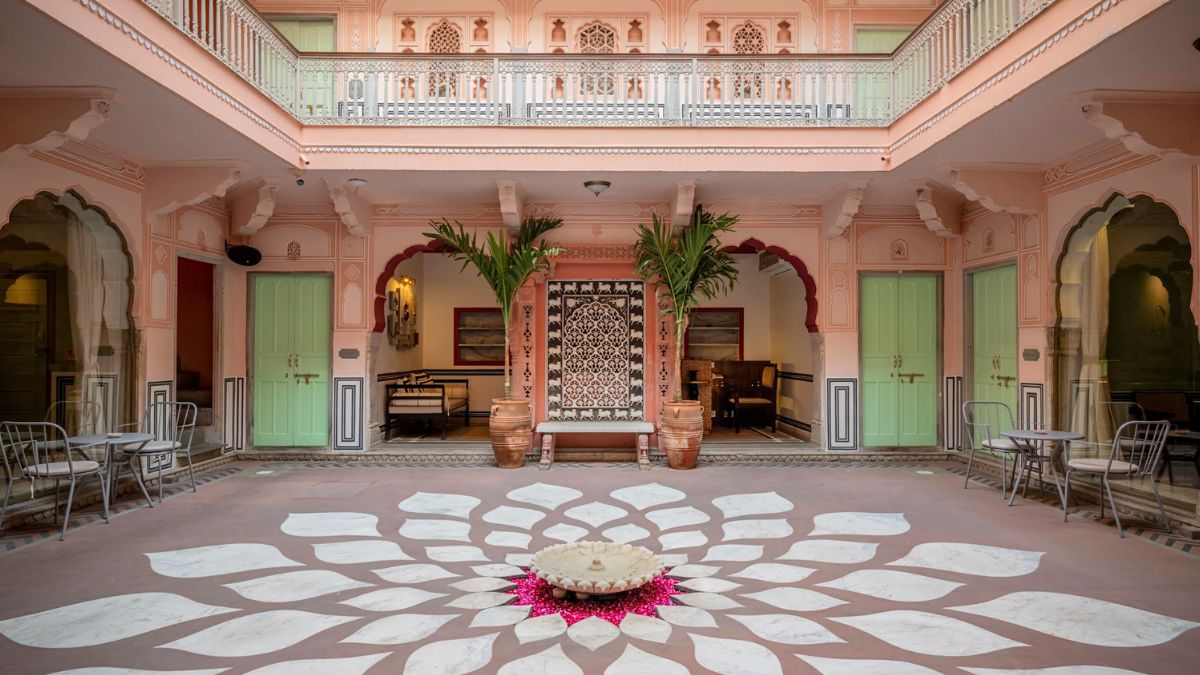
1. Adaptive Reuse & Heritage Preservation
- Museum of Legacies stands as a prime example of adaptive reuse. Originally a residential haveli, it evolved into an art school and later a museum, preserving its historic layers while embracing new functions.
- Many havelis in old cities now serve dual purposes—continuing as family homes while hosting boutique stays—helping retain cultural value and minimise waste.
2. Sustainable Architectural Proficiency
- Traditional haveli designs—such as deep-set courtyards, thick stone walls, and shared structures—offer efficient natural cooling and lighting, reducing energy needs in summer and winter alike.
- Modern interventions, like strategically placed rooftop solar panels and discreetly installed LED lighting or air conditioning, preserve heritage aesthetics while improving functionality. Examples include the City Palace complex and heritage buildings incorporating solar roofs without visual disruptions.
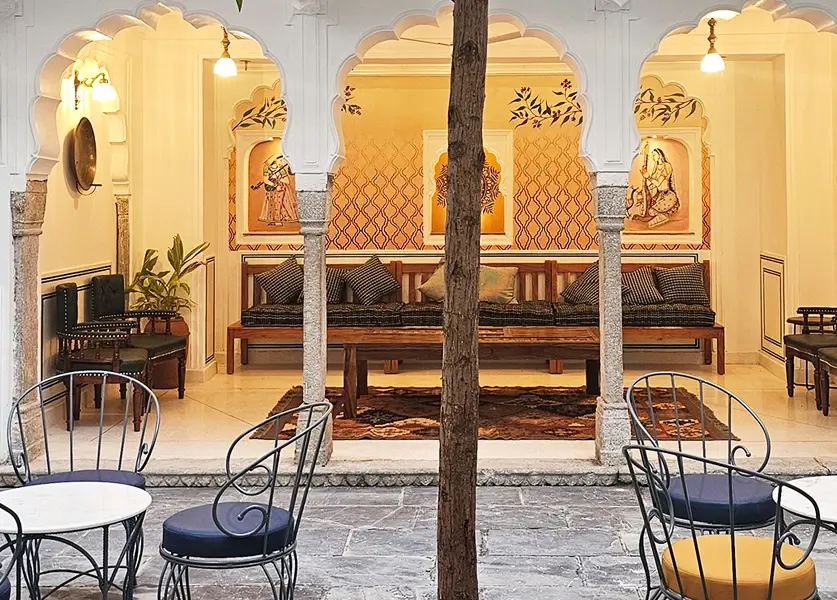
3. Boutique Hospitality as a Conservation Strategy
- Heritage hotels often reintegrate old mansions and palaces into modern use—like the elegant Surya Haveli in Jaipur, a 300-year-old structure restored into a boutique hotel complete with a lift and bespoke interiors inspired by Amer Fort.
- Diggi Palace, another former haveli built around the 1860s, now functions as both a royal residence and a hotel, combining grandeur and modern comfort.
- Other beautifully reimagined properties, such as Samode Haveli, Suján Rajmahal Palace, and Royal Heritage Haveli from the walled city of Jaipur, have evolved into boutique hotels that blend traditional architecture with contemporary amenities.
Check out budget-friendly masterclasses in high-tech niches like computational design or BIM, available at affordable prices. Dip your toes, before diving in, make informed choices.
4. Sensitive Restoration and Material Integrity
- Restoration efforts prioritise minimal intervention: stonework and carvings are mended using traditional techniques to preserve authenticity.
- Expert voices, including those of architect Ravi Kaimal, emphasise safeguarding heritage character by avoiding excessive modern intrusion—limiting elements like TV sets and Wi-Fi wiring to maintain historical ambience.
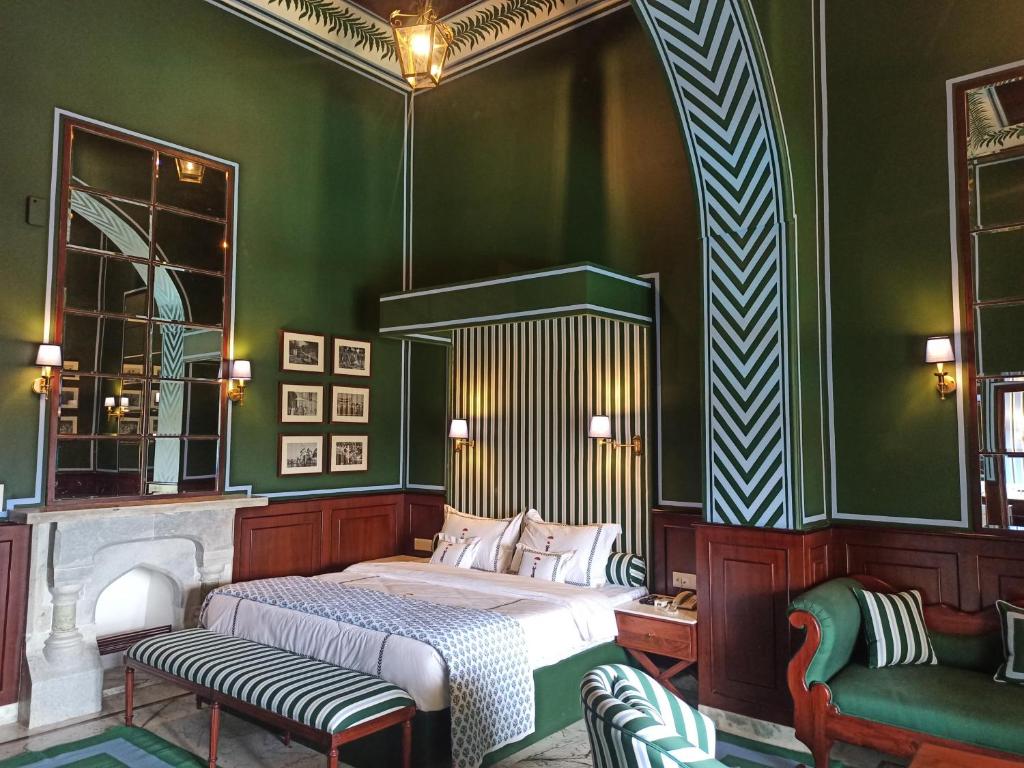
5. Designing Modern Interiors with Heritage Elements
- Contemporary homes integrate traditional details—like jharokhas, frescoes, arches, and carved jaali screens—within modern interiors to evoke timeless charm.
- Bold palettes inspired by terracotta, jewel tones, and vibrant crafts infuse life into modern décor, balancing heritage flair with comfort
- Smart innovations, like incorporating smart lighting, HVAC, or multifunctional layouts, ensure that homes remain functional without compromising traditional aesthetics.
Summary Table: Adapting Heritage Homes to Modern Life
| Aspect | Traditional Strength | Modern Adaptation Strategy |
| Climate Performance | Courtyards & thick walls | Maintain structure; add hidden solar panels, efficient HVAC |
| Functional Use | Family homes, cultural spaces | Move to mixed-use: homes, B&Bs, boutique hotels, museums |
| Materials & Craftsmanship | Carvings, frescoes, local stone | Preserve using traditional restoration techniques |
| Interior Aesthetic | Jharokhas, arches, murals | Integrate these into modern layouts with smart tech |
| Sustainability | Passive cooling & light | Augment with renewables, LED lighting, discreet modern systems |
FAQs
Q1: How are heritage homes in being adapted to modern living?
Through adaptive reuse, restored havelis and mansions now serve as boutique hotels, family homes, and cultural centres while retaining traditional architecture.
Q2: What makes heritage homes sustainable?
Traditional designs with courtyards, thick walls, and natural ventilation already ensure energy efficiency, now enhanced with solar panels and discreet modern systems.
Q3: Can modern interiors be added without spoiling the heritage aesthetic?
Yes, modern amenities like smart lighting or air conditioning are integrated sensitively, while traditional elements such as jharokhas, frescoes, and jaali screens are preserved.
Q4: Why is adaptive reuse important for heritage cities?
It prevents urban decay, supports tourism, sustains cultural identity, and gives historic structures functional new life.




.png)