Artificial Intelligence (AI) is making waves in almost every industry, and architecture is no exception. With the rise of AI-powered design tools, architects can now optimize structures, improve efficiency, and push the boundaries of creativity. One of the most exciting tools in this revolution is Grasshopper, a powerful parametric design tool integrated with Rhinoceros 3D (Rhino). If you've ever been curious about how AI and Grasshopper for architecture work together, you’re in for an exciting ride!
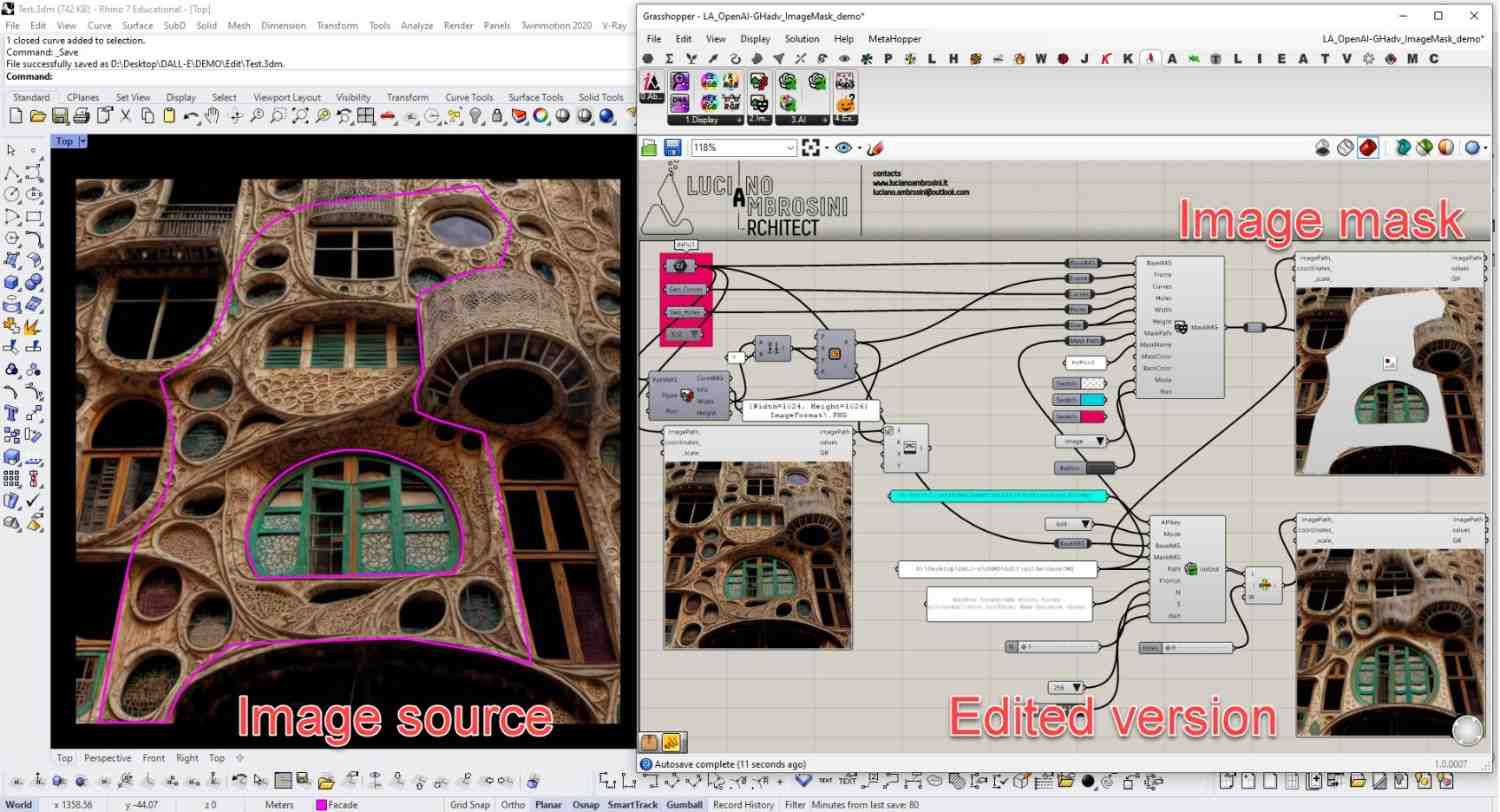
Image Credit: Luciana Ambrisoni
What is Grasshopper and Why Should You Use It?
If you’ve dabbled in computational design, you’ve probably heard of Grasshopper. It’s a visual programming language that allows architects to create complex forms and automate design tasks. Unlike traditional CAD modeling, which relies on manual inputs, Grasshopper enables parametric design, meaning you can set design parameters and let the tool generate multiple variations instantly.
Why AI and Grasshopper are a Perfect Match
AI and Grasshopper complement each other beautifully. AI brings the power of data analysis and prediction, while Grasshopper provides the flexibility to manipulate geometry dynamically. Together, they open up endless possibilities for architects:
- Automated Design Optimization: AI can analyze multiple design variations in Grasshopper and select the most efficient one based on environmental factors, material usage, or structural integrity.
- Sustainability and Performance Analysis: AI-driven models can predict energy efficiency and optimize building designs for sustainability.
- Generative Design: AI algorithms can explore thousands of design possibilities that align with specific constraints, helping architects innovate faster.
How AI is Revolutionizing Architectural Design with Grasshopper
1. AI-Powered Parametric Design
Traditional design methods are time-consuming and repetitive, but AI-powered Grasshopper scripts can quickly generate complex structures based on predefined parameters. This allows architects to focus on creativity while letting AI handle the technical constraints.
For example, let’s say you’re designing a façade with a perforation pattern. Instead of manually adjusting each hole, you can use AI-driven optimization in Grasshopper to balance aesthetics, daylight control, and ventilation—without endless iterations.
2. Structural Optimization and Material Efficiency
AI-integrated Grasshopper courses teach how to minimize material waste while ensuring maximum structural integrity. AI can analyze thousands of potential configurations and select the best option based on:
- Load distribution
- Material properties
- Cost-efficiency
- Environmental impact
This is especially useful in large-scale projects like stadiums or skyscrapers, where reducing material usage can lead to significant savings.
3. Sustainable Design and Energy Analysis
Energy efficiency is a key focus in modern architecture. AI-enhanced Grasshopper scripts can:
- Simulate solar exposure and optimize shading devices.
- Analyze wind flow patterns to enhance natural ventilation.
- Reduce heat gain through intelligent material selection.
By integrating machine learning models, architects can create eco-friendly buildings that respond dynamically to environmental conditions.
4. AI-Generated Urban Planning
Grasshopper, when combined with AI for architecture, is transforming urban planning. AI-driven algorithms help:
- Analyze pedestrian and traffic flow
- Optimize land usage and zoning regulations
- Simulate environmental impacts in urban developments
This allows urban designers to create more livable and efficient cities while addressing challenges like population density and climate resilience.
5. Automating Repetitive Tasks
Gone are the days of spending hours on tedious design adjustments. AI can automate repetitive tasks in Grasshopper, such as:
- Creating complex paneling systems
- Generating adaptive floor plans
- Automating data-driven design reports
By reducing manual work, architects can focus on the bigger picture—design innovation and problem-solving.
_1740778362180.jpg)
Image Credit: food4rhino.com
Learning AI and Grasshopper: Where to Start?
If you're an architecture student or professional, now is the best time to start learning AI-powered parametric design. Here’s how you can get started:
1. Grasshopper Training Courses
There are many online resources that teach Grasshopper and AI for architecture. Some recommended courses include:
- Introduction to Grasshopper – Covers the basics of parametric design.
- Advanced Grasshopper with AI Integration – Focuses on AI-powered optimization and machine learning.
- Generative Design Masterclass – Teaches how to leverage AI for creative architectural solutions.
2. Hands-on Projects
The best way to learn Grasshopper is by working on real-world projects. Try creating:
- A parametric building façade optimized for sunlight exposure.
- A generative bridge design using AI-powered load analysis.
- An AI-driven urban masterplan that adapts to different constraints.
3. Join a Community
Being part of a Grasshopper community will accelerate your learning. Join forums like:
- Grasshopper3D official forum
- AI in Architecture Facebook groups
- LinkedIn communities focused on parametric design
The Future of AI and Grasshopper in Architecture
As AI continues to evolve, Grasshopper will become even more powerful. Future advancements might include:
- AI-generated construction documentation to streamline workflows.
- Real-time AI feedback loops for instant design improvements.
- AI-powered construction robotics integrated with parametric models.
AI is not here to replace architects—it’s here to enhance their creativity and push architectural design to new heights. If you’re ready to stay ahead in this fast-changing industry, now is the time to master AI-driven parametric design with Grasshopper.
Conclusion
AI and Grasshopper for architecture are revolutionizing the way we design and build. From parametric modeling to sustainable solutions, the combination of AI and Grasshopper is shaping the future of architecture.
If you’re looking to take your skills to the next level, check out our advanced Grasshopper course that dives deep into AI-driven design methodologies.
Visit our website Kaarwan for more!
FAQs
1. How does AI enhance Grasshopper for architecture?
AI helps automate design processes, optimize materials, and generate sustainable solutions, making Grasshopper more powerful for architects.
2. What are the best resources to learn Grasshopper?
There are many Grasshopper training courses online, including beginner and advanced programs that cover AI integration.
3. Can AI replace architects in the future?
No, AI is a tool to assist architects by enhancing efficiency and creativity, but human expertise remains irreplaceable.
4. How is Grasshopper used in urban planning?
Grasshopper, combined with AI, helps in analyzing urban patterns, optimizing zoning, and designing more sustainable cities.
5. What are some real-world examples of AI in architecture?
From parametric skyscrapers to AI-driven urban planning projects, AI is already transforming architectural design worldwide.
Cover Image Credit: Luciana Ambrisoni